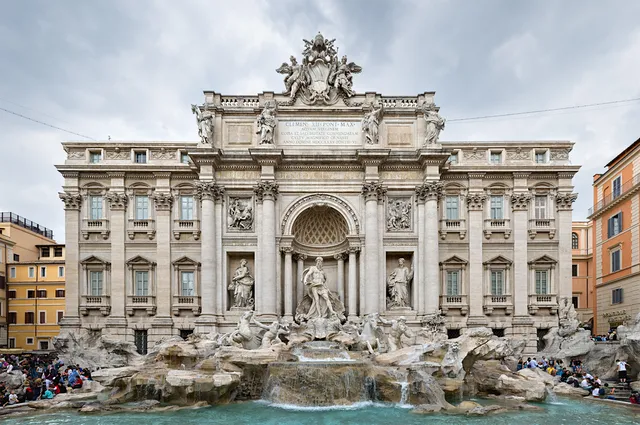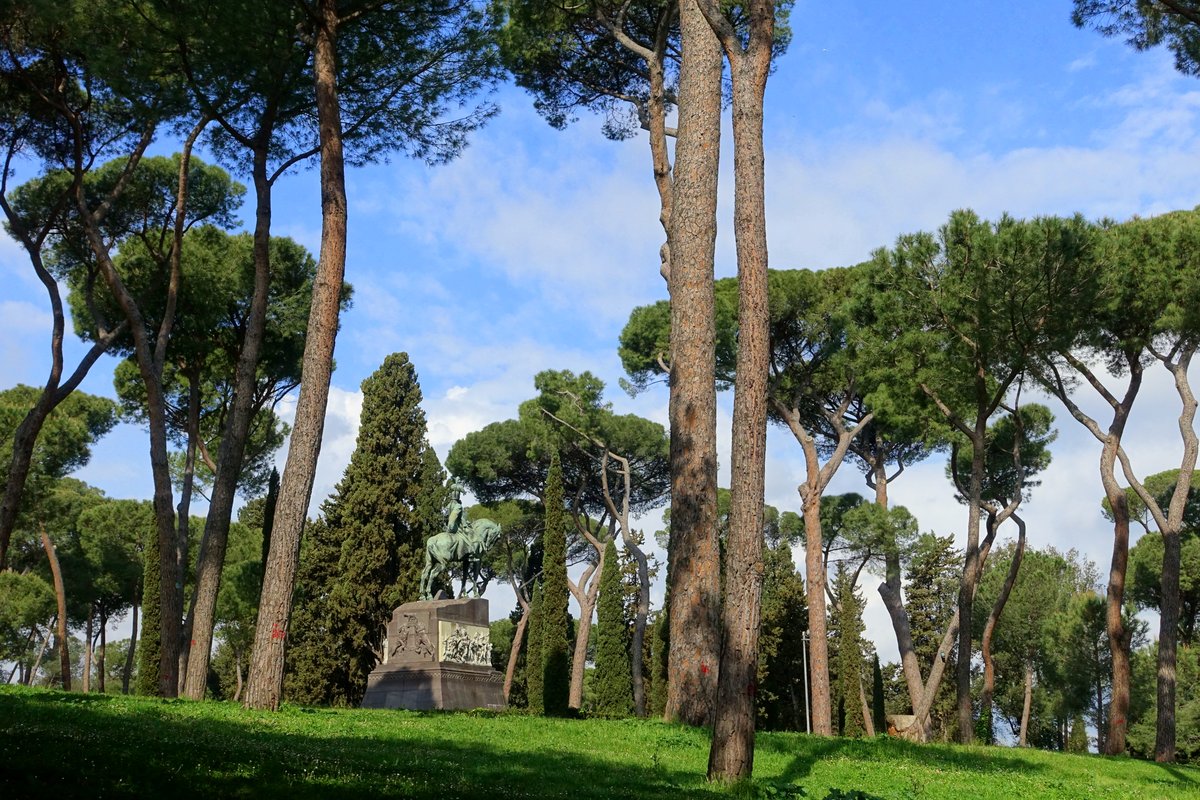
Plan and listen to Equestrian Statue Of Umberto I with Audiala.
Audio guide in your pocket, itinerary in your browser. Built for the way you actually visit.
Introduction to Fontana dei Cavalli Marini
The Fontana dei Cavalli Marini, known in English as the Fountain of the Sea Horses, stands as a remarkable testament to the artistic and engineering prowess of the 18th century. Nestled in the serene Villa Borghese Gardens in Rome, Italy, this fountain isn't just a visual delight but a piece steeped in historical and cultural significance. Designed by the renowned painter Christopher Unterberger and sculpted by Vincenzo Pacetti around 1740, the fountain features four sea horses symbolizing strength and vitality, themes deeply rooted in classical mythology (Turismo Roma).
Grottaferrata, the town housing this majestic fountain, itself is a treasure trove of history. Founded in the 11th century by Saint Nilus the Younger, the town is famed for the Abbey of Santa Maria di Grottaferrata, a Byzantine monastery that has been a beacon of religious and cultural activity for centuries (Abbey of Santa Maria di Grottaferrata). This guide will explore the origins, design, and significance of the Fontana dei Cavalli Marini, along with practical visiting information to enhance your travel experience.

History
Origins and Design
The Fontana dei Cavalli Marini traces its origins back to the 18th century. Designed by painter Christopher Unterberger (1732-1798) and sculpted by Vincenzo Pacetti (1746-1820), the fountain was created around 1740. It features four sea horses, symbolizing strength and vitality, common themes in classical art.
Significance and Symbolism
Sea horses, or 'cavalli marini,' were associated with Poseidon, the god of the sea in classical mythology. They symbolize power and natural beauty, making the fountain a fitting centerpiece for the lush Villa Borghese Gardens.
The 1926 Replica and Its Journey
In 1926, a replica was commissioned by the Italian government as a gift to the United States for the U.S. Sesquicentennial. Although the fountain arrived too late for the celebration, it was installed in 1928 behind the Philadelphia Museum of Art as part of Jacques Gréber’s plan for the Benjamin Franklin Parkway.
Installation and Early Years
The fountain was shipped in 76 pieces and assembled in Philadelphia by Italian craftsmen. It symbolized international friendship and quickly became a beloved landmark.
Deterioration and Early Restoration Efforts
Over time, the fountain's mechanical system deteriorated. The first major restoration was part of the U.S. Bicentennial celebrations in 1976, but the travertine marble continued to suffer in Philadelphia’s climate.
Major Restoration in 2012
A significant restoration project began in 2012, involving the disassembly, cleaning, conservation, and reassembly of the fountain's 40 tons of stone. Mechanical improvements were also made, and by fall 2013, the fountain was operational again.
Current Status and Preservation
Today, the Fontana dei Cavalli Marini stands as a testament to classical art and international cooperation. The 2012 restoration ensures it remains a vibrant and functional piece of public art, admired by visitors to the Philadelphia Museum of Art.
Visitor Information
Visiting Hours
The Fontana dei Cavalli Marini in Grottaferrata is open to visitors during the Villa Borghese Gardens' operating hours, typically from 7:00 AM to sunset.
Tickets
Entry to the Villa Borghese Gardens is free, but tickets may be required for specific attractions within the gardens, such as the Borghese Gallery and Museum.
Travel Tips
- Timing: The best time to visit is during spring and fall when the weather is mild, and the gardens are in full bloom.
- Guided Tours: Joining a guided tour can provide deeper insights into the fountain's history and significance.
- Photography: Bring a good camera to capture the intricate details of the fountain.
- Nearby Attractions: Don’t miss other attractions in the Villa Borghese Gardens, like the Borghese Gallery and Museum.
FAQ
Q: What are the visiting hours for Fontana dei Cavalli Marini? A: The fountain is accessible during the Villa Borghese Gardens' operating hours, from 7:00 AM to sunset.
Q: How much are tickets to Fontana dei Cavalli Marini? A: Entry to the Villa Borghese Gardens is free, but tickets may be needed for specific attractions like the Borghese Gallery.
Q: Are guided tours available? A: Yes, guided tours are available and can be arranged through local tourism offices.
Listen to the full story in the app
The whole Equestrian Statue Of Umberto I,
told well.
Audio guides for 1,100+ cities across 96 countries. History, stories, and local insight — offline ready.
Verified, and shown.
Researched and written by the Audiala editorial team from historical records, architectural archives, and local expertise.
Fontana dei Cavalli Marini in Villa Borghese - Fountain of the Sea Horses
Researched from Wikidata, Wikipedia & official sources · fact-checked · How we make our guides →