Plan and listen to Doria Pamphilj Gallery with Audiala.
Audio guide in your pocket, itinerary in your browser. Built for the way you actually visit.
Introduction
Nestled in the vibrant heart of Rome, the Doria Pamphilj Gallery is an extraordinary destination for art lovers and history enthusiasts alike. Housed within the opulent Palazzo Doria Pamphilj, this gallery uniquely combines the intimacy of a noble family residence with a world-class collection of over 400 masterpieces by revered European artists, such as Velázquez, Caravaggio, Raphael, Titian, and Bernini. The palace's architectural evolution—from its Renaissance origins to its Baroque transformation—mirrors the shifting fortunes and tastes of Rome’s aristocracy. This guide offers detailed information on visiting hours, ticket options, accessibility, nearby attractions, and practical tips, ensuring you make the most of your visit to one of Rome’s most captivating historical sites.
For further information and official updates, consult the Doria Pamphilj Gallery website, Museos.com, and Voyaged Magazine.

Historical Background and Architectural Evolution
Origins and Early Ownership
The Palazzo Doria Pamphilj traces its beginnings to the 15th century, originally commissioned by Cardinal Niccolò d’Acciapaccio and later owned by notable figures such as Cardinal Fazio Giovanni Santori and Pope Julius II. Renaissance features—symmetry, classical elements, and proportion—dominated its early design (Museos.com).
Rise of the Pamphilj and Doria Families
The palace entered the Pamphilj family in 1647 through marriage, heralding its Baroque transformation. With Giovanni Battista Pamphilj’s election as Pope Innocent X, the family’s status soared. The union of Anna Pamphilj and Genoese noble Giovanni Andrea III Doria Landi in 1671 merged two powerful lineages, resulting in the Doria-Pamphilj-Landi dynasty and ushering in extensive renovations (Museos.com; Wikipedia).
Baroque and Rococo Flourishes
Under architect Carlo Maderno, the palace became the largest inhabited residence in Rome. The later addition of the Hall of Mirrors by Gabriele Valvassori around 1730, and further 18th-century enhancements—such as frescoes by Crescenzio Onofri, Aureliano Milani, and Stefano Pozzi—added layers of Baroque and Rococo grandeur (Museos.com).
Architectural Features
The palazzo’s main entrance is at Via del Corso, 305, adjacent to the church of Santa Maria in Via Lata. Its labyrinthine interior encompasses gilded galleries around a central courtyard, spectacular state rooms, a private chapel, and partially occupied family apartments (Wikipedia, RomeSite.com).
Visiting Information: Hours, Tickets, and Accessibility
Location
- Address: Via del Corso, 305, 00186 Rome
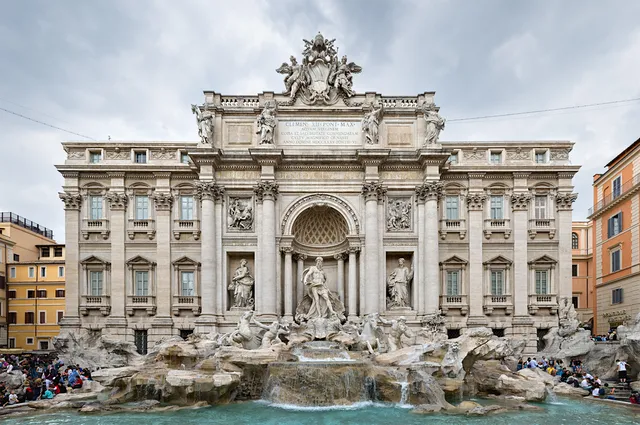
- Nearby landmarks: Piazza Venezia, Pantheon, Trevi Fountain
Visiting Hours
- Monday, Tuesday, Thursday: 9:00 AM – 7:00 PM (last entry at 6:00 PM)
- Friday to Sunday: 10:00 AM – 8:00 PM (last entry at 7:00 PM)
- Closed: Wednesdays, January 1, Easter, December 25
Always check the official website for updates or special closures.
Ticketing
- Adults (12+): €16–€29 (price varies based on extras such as audio guides or city app)
- Children (under 12): Free (reservation fee €1)
- Students (up to 26 years) & Seniors (65+): €10 + €1 reservation fee
- Discounts: FAI, Touring Club, and Coop members; no military discounts
- Booking: Advance reservations are mandatory. Purchase through the official website.
- Time Slots: Visits are organized in 90-minute slots, starting every 30 minutes.
Accessibility
- Physical Accessibility: The historic architecture means there is no elevator. Wheelchair access is limited, and visitors with mobility challenges may find it difficult to navigate narrow corridors and staircases (Toorists.com).
- Public Transport: Argentina bus stop (2 min walk), Venezia tram stop (5 min walk)
- Parking: Limited in the city center; public transport recommended
Gallery Highlights: Masterpieces and Unique Spaces
Collection Highlights
- Velázquez: Portrait of Pope Innocent X—widely regarded as one of the greatest portraits in Western art (Doria Pamphilj Official Site)
- Caravaggio: The Penitent Mary Magdalene and Rest on the Flight into Egypt
- Titian: Salome with the Head of John the Baptist
- Raphael: Double Portrait
- Bernini: Marble bust of Pope Innocent X
- Northern Masters: Works by Jan Brueghel the Elder and Pieter Bruegel the Elder
Architectural Spaces
- Hall of Mirrors: 18th-century corridor lined with gilded mirrors and adorned with mythological frescoes (The Collector)
- Pussino Room: Features landscapes by Gaspard Dughet (Poussin)
- Chapel: Houses relics and a notable altarpiece by Tommaso Minardi
- Private Apartments: Access to select rooms such as the Blue, Red, and Venus’ Drawing Room, with authentic period furnishings (Voyaged Magazine)
Facilities and Educational Programs
- Caffè Doria: Elegant café serving drinks and light meals, accessible without a gallery ticket (Toorists.com)
- Bookshops: Two on-site, offering books, catalogs, and souvenirs
- Restrooms: Standard facilities available
- Cloakroom: None; travel light
Nearby Attractions
- Piazza Venezia: Major city hub, 3 minutes on foot
- Pantheon: Iconic ancient temple, 7 minutes on foot
- Trevi Fountain: Famed Baroque fountain, 10 minutes on foot
Easily combine your gallery visit with these must-see Rome historical sites for a full day of exploration.
Visitor Tips
- Book in Advance: Mandatory for entry, especially during weekends and holidays
- Arrive Early: Mornings and late afternoons are less crowded
- Pack Light: No cloakroom; bags are not permitted inside the gallery rooms
- Dress Comfortably: Expect to stand and walk for up to 2 hours
- Photography: Permitted without flash, selfie sticks, or tripods; video recording needs permission
- Accessibility: Not suitable for wheelchairs; those with mobility concerns should consider alternative sites (VeronikasAdventure.com)
Frequently Asked Questions (FAQ)
Q: What are the Doria Pamphilj Gallery’s opening hours?
A: Monday, Tuesday, Thursday: 9:00 AM–7:00 PM; Friday–Sunday: 10:00 AM–8:00 PM; closed Wednesdays and select holidays.
Q: How do I book tickets?
A: Advance booking is required via the official website.
Q: Is the gallery wheelchair accessible?
A: Unfortunately, no. The historic building lacks elevators and ramps.
Q: Can I take photos inside?
A: Yes, but no flash, tripods, or selfie sticks. Video filming requires prior permission.
Q: Are guided tours available?
A: Yes, expert-led tours can be booked in advance. Audio guides are included with most tickets.
Tickets & tours.
These are guided options from our partners — same price as booking direct.
Prices are indicative — final pricing and availability are confirmed at checkout. Audiala may earn a commission from bookings made through these links.
Listen to the full story in the app
The whole Doria Pamphilj Gallery,
told well.
Audio guides for 1,100+ cities across 96 countries. History, stories, and local insight — offline ready.
Verified, and shown.
Researched and written by the Audiala editorial team from historical records, architectural archives, and local expertise.
Researched from Wikidata, Wikipedia & official sources · fact-checked · How we make our guides →