Plan and listen to Domus Augustana with Audiala.
Audio guide in your pocket, itinerary in your browser. Built for the way you actually visit.
Introduction: The Domus Augustana’s Significance in Rome
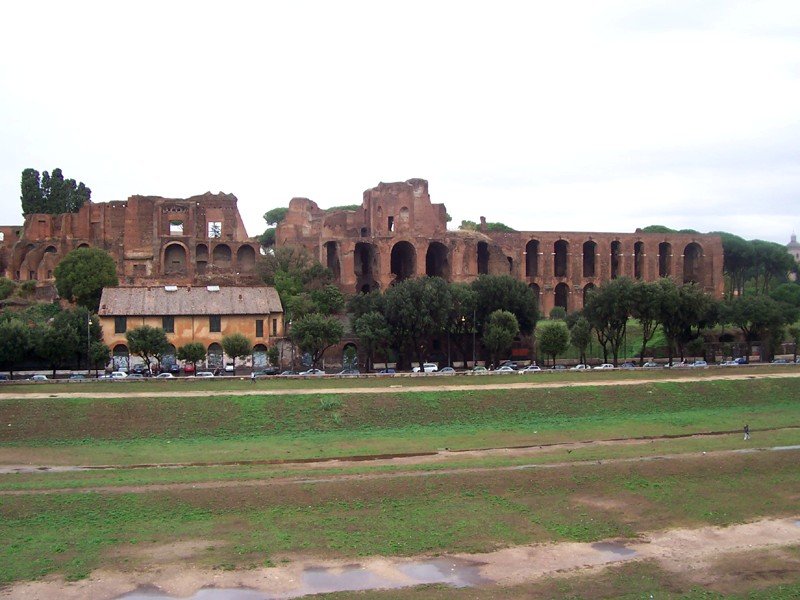
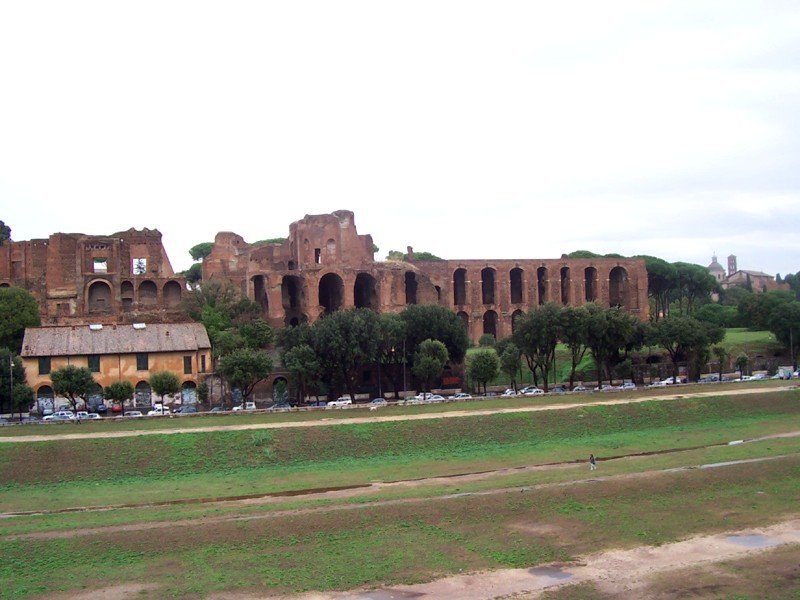
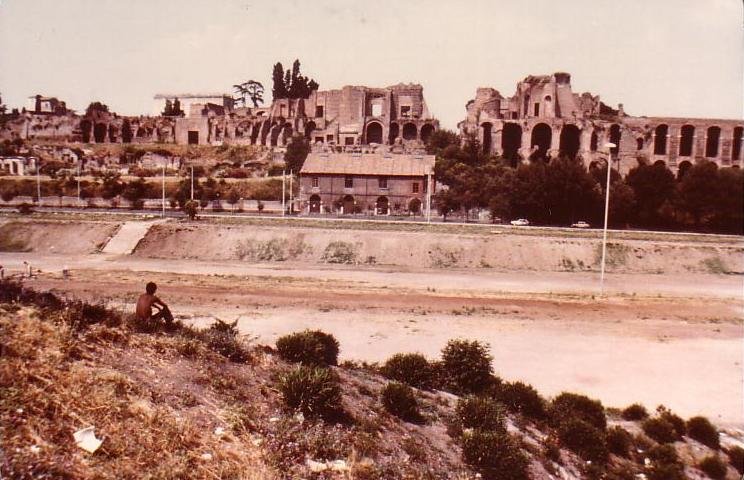
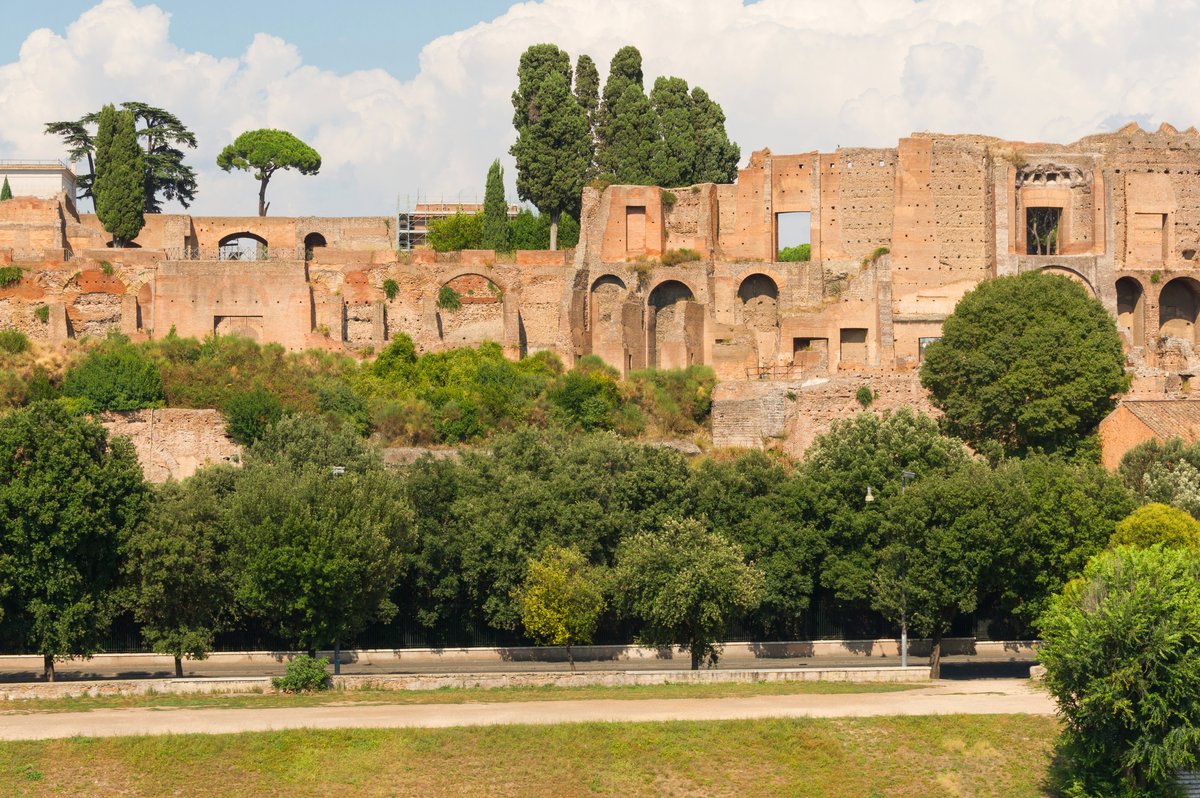
Perched atop Rome’s legendary Palatine Hill, the Domus Augustana stands as a monumental symbol of imperial power and artistic achievement. Built between AD 81 and 92 under the direction of Emperor Domitian and architect Rabirius, this vast palace complex served as the private residence of Rome’s emperors and a showcase of the empire’s engineering and decorative prowess. Its innovative multi-level design, elaborate frescoes and mosaics, and sophisticated gardens exemplified the zenith of Roman architecture. Today, exploring the Domus Augustana provides visitors with an immersive journey into imperial life and Rome’s political legacy, making it a central highlight for any historical itinerary (Parco archeologico del Colosseo, Rome Reborn, Smarthistory).


Article Structure
- Introduction
- Historical Background
- Origins, Construction, and Layout
- Imperial Significance and Later History
- Archaeological Discoveries and Research
- Visitor Information
- Opening Hours and Tickets
- Accessibility
- Travel Tips and Nearby Attractions
- Guided Tours and Special Events
- Visuals and Media
- Frequently Asked Questions
- Conclusion and Recommendations
Historical Background
Origins, Construction, and Layout
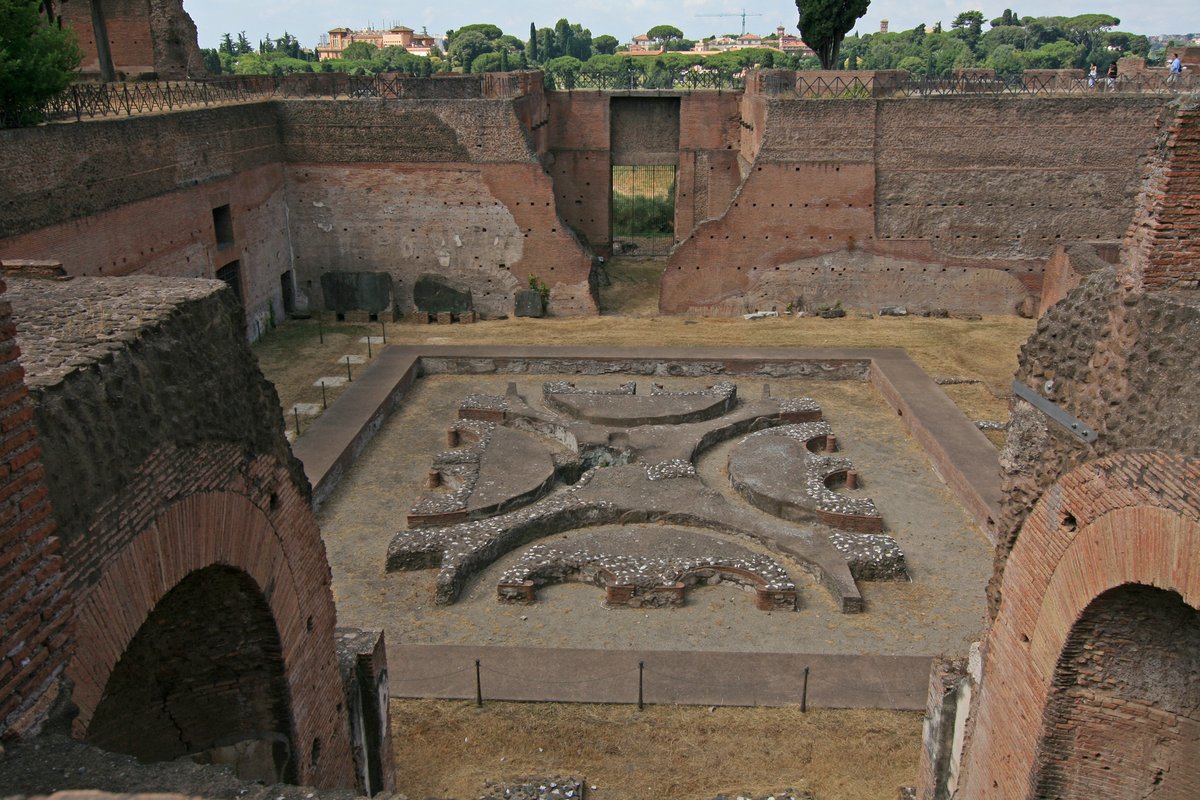
The Domus Augustana, often referred to as the “House of Augustus” (though more accurately the private wing of Domitian’s palace), was constructed as part of a master plan to transform the Palatine Hill into the heart of Roman imperial power. Rabirius, the renowned architect, designed the complex with a two-tiered structure that took advantage of the natural slope of the hill. The upper level housed the emperor’s private apartments and reception halls, while the lower level featured grand gardens, peristyles, and water features, including a large semi-circular exedra and nymphaea (Rome Reborn, Smarthistory).
Key Architectural Features:
- Peristyle Courtyards: Open-air courtyards surrounded by colonnades.
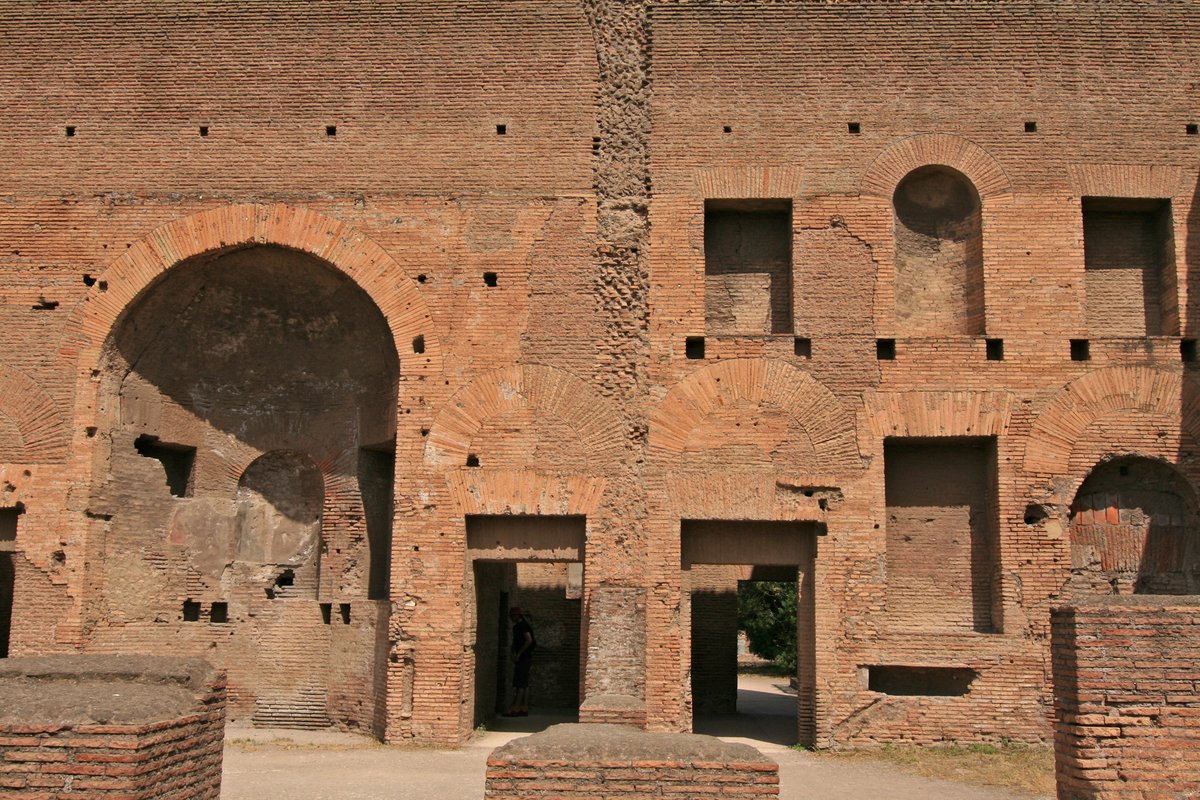
- Luxury Decor: Elaborate wall frescoes, stucco, and intricate mosaics.
- Private Baths: Lavish bathing facilities for the emperor.
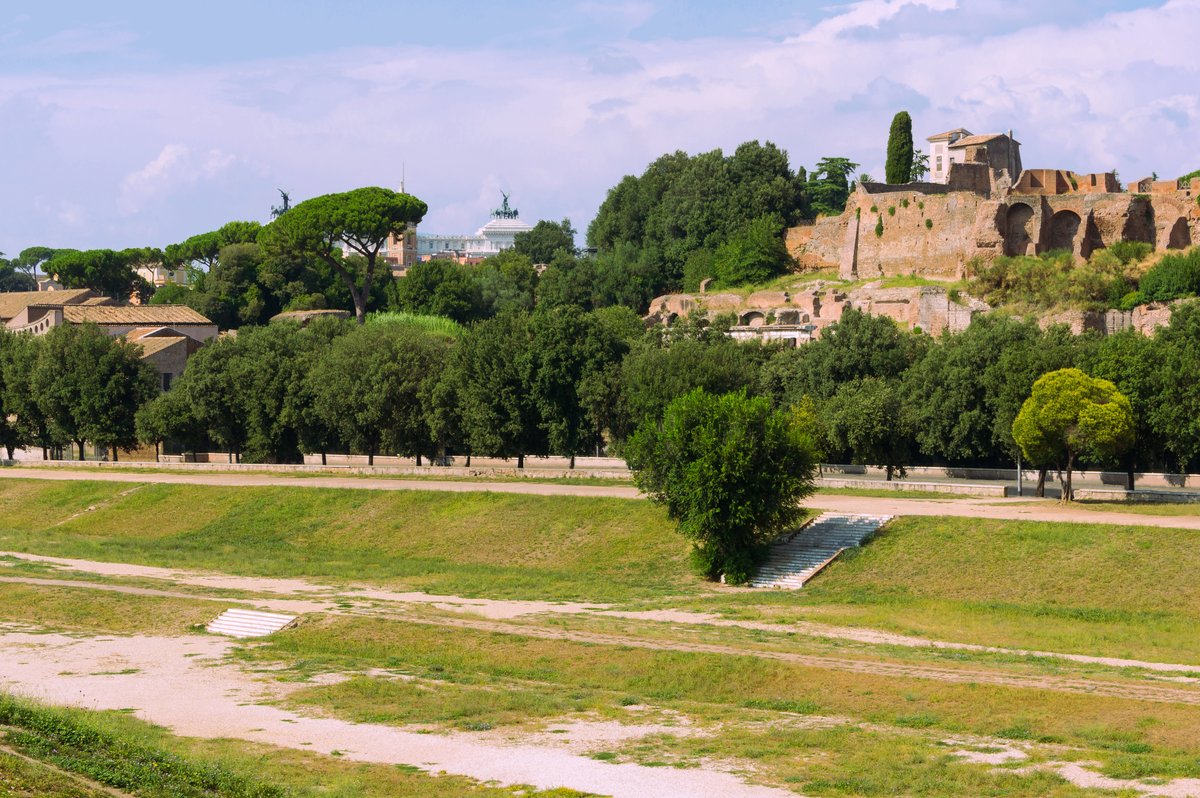
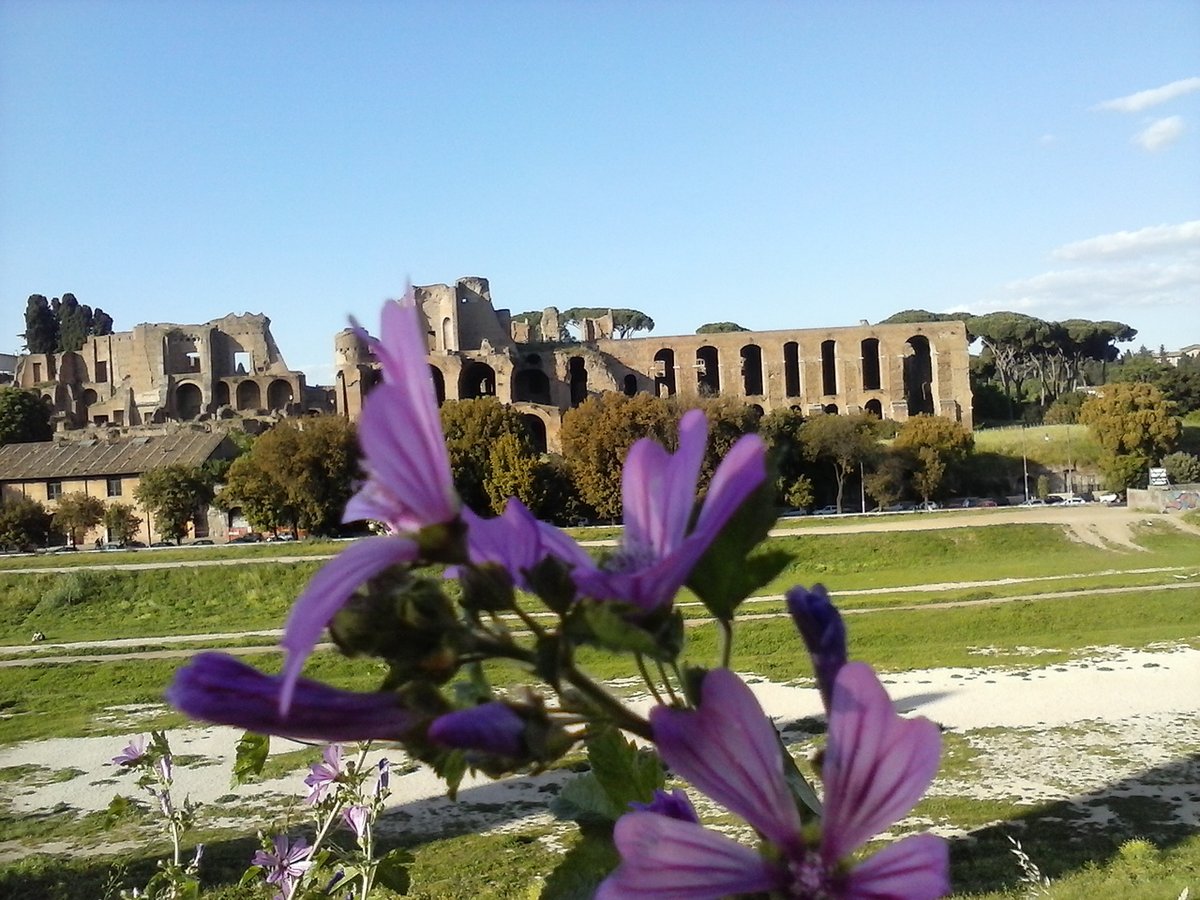
- Spectacular Views: Overlooking the Circus Maximus and Roman Forum.
These features set new standards in palace architecture, influencing later imperial complexes across the Roman world (Oxford Classical Dictionary).
Imperial Significance and Later History
The Domus Augustana was not just a home but a symbol of centralized imperial authority, linking the emperor to Rome’s mythic origins on the Palatine Hill. The palace functioned for centuries as the principal residence of the emperors, hosting political and ceremonial events. Over time, subsequent emperors—such as Septimius Severus—expanded and modified the palace, though after the empire’s decline, the complex suffered from neglect, spoliation, and overbuilding (Ancient History Encyclopedia).
Archaeological Discoveries and Research
Excavations from the 18th century onwards have uncovered essential elements of the palace, including its mosaic floors, frescoed rooms, and hydraulic engineering. Recent technologies, such as 3D modeling and virtual reconstructions, have greatly improved our understanding of its original appearance (British School at Rome, Rome Reborn).
Visitor Information: Hours, Tickets, and Planning Your Visit
Opening Hours
- March 30 – September 30: 8:30 am – 7:15 pm (last entry 6:15 pm)
- October 1 – October 25: 8:30 am – 6:30 pm
- October 26 – February 28: 8:30 am – 4:30 pm
- Closed: December 25 and January 1
Visiting hours follow the Parco Archeologico del Colosseo schedule. Always check the official website before your visit for updates.
Ticketing
- Standard 24h Ticket: €18 + €2 reservation fee
- Full Experience Ticket: €24 + €2 reservation fee (includes special sites)
- Reductions & Free Entry: For EU citizens 18–25, children under 18, and other eligible groups (official ticketing site)
- Advance Booking: Highly recommended, especially in peak months. Entry to the Colosseum requires a time slot, but Palatine Hill and Domus Augustana entry are flexible within ticket validity.
- Entry Points: Use the Palatine Hill entrance at Via di San Gregorio, 30.
Accessibility
While some areas are accessible, ancient terrain and staircases make certain parts challenging. Contact the site in advance for up-to-date accessibility details.
Travel Tips
- Best Times to Visit: Early morning or late afternoon for cooler temperatures and fewer crowds.
- Getting There: Closest Metro: Colosseo (Line B). Multiple buses and walking routes from the Forum and Colosseum.
- Facilities: Restrooms, water fountains, and shade are limited; bring sun protection, a refillable bottle, and comfortable shoes.
Guided Tours & Audio Guides
- Guided Tours: Available via the official park site and reputable agencies, often including the Colosseum, Roman Forum, and Palatine Hill.
- Audio Guides: Rent on site or use the MyColosseum app.
Special Events
Occasionally, special exhibitions and night tours are organized. Check the official website for current programs.
What to See: Highlights of the Domus Augustana
- Peristyle Courtyards and Gardens: Explore the grand courtyards and lush gardens that once hosted imperial gatherings.
- Nymphaea and Fountains: Marvel at ornamental water features, including the unique peltae-shaped fountains.
- Private Apartments: Admire traces of original mosaics and frescoes in the emperor’s quarters.
- Panoramic Terraces: Enjoy sweeping views of the Circus Maximus and the city skyline.
- Notable Archaeological Finds: Discover features such as the possible Lupercale cave and richly decorated rooms like the Aula Isiaca.
Nearby Attractions and Suggested Routes
Combine your visit with other Palatine Hill highlights:
- Roman Forum: Adjacent and included in the same ticket.
- Colosseum: Requires a time slot reservation.
- House of Augustus and House of Livia: With preserved frescoes (rome.us).
- Farnese Gardens: Renaissance gardens with spectacular views.
Suggested Itinerary: Colosseum → Roman Forum → Palatine Hill (Domus Augustana, House of Livia/Augustus) → Farnese Gardens. Allow 3–4 hours.
Frequently Asked Questions (FAQ)
Q: Are Domus Augustana tickets included with Colosseum entry?
A: Yes, most combination tickets grant access to the Domus Augustana.
Q: Can I visit without a guided tour?
A: Yes, self-guided visits are welcome, with information panels and apps for context.
Q: Is photography permitted?
A: Yes, but tripods and drones are prohibited.
Q: Are there accessibility accommodations?
A: Some, but uneven terrain restricts full access.
Q: Are there special events?
A: Occasionally, including exhibitions and night tours; see the official site.
Visuals and Media
Enhance your visit with:
- High-resolution images of ruins, nymphaea, and panoramic terraces.
- Virtual tours and 3D reconstructions available on the Rome Reborn site.
- Interactive maps from the Parco Archeologico del Colosseo site.
Summary and Recommendations
The Domus Augustana remains an unparalleled emblem of imperial grandeur and architectural innovation. By visiting, you connect directly with centuries of history and the evolution of Roman power. Advance booking, guided tours, and strategic planning are strongly advised, especially for those wanting an in-depth experience. Accessibility can be limited, but efforts are underway to accommodate all visitors. For further enrichment, leverage virtual tours, mobile apps, and consult official resources (Parco archeologico del Colosseo, Rome.info, Madain Project).
Listen to the full story in the app
The whole Domus Augustana,
told well.
Audio guides for 1,100+ cities across 96 countries. History, stories, and local insight — offline ready.
Verified, and shown.
Researched and written by the Audiala editorial team from historical records, architectural archives, and local expertise.
Researched from Wikidata, Wikipedia & official sources · fact-checked · How we make our guides →