Plan and listen to Colossus Of Nero with Audiala.
Audio guide in your pocket, itinerary in your browser. Built for the way you actually visit.
Introduction
The Colossus of Nero, once a towering bronze statue near what is now the Colosseum, remains a symbol of ancient Rome’s imperial power and artistic achievement. Though the statue itself no longer survives, its story endures through the physical remnants at its original site and its deep cultural impact on the city. Today, visitors can explore the pedestal where the Colossus once stood, and contextualize its legacy through the nearby Colosseum, Roman Forum, Temple of Venus and Roma, and Nero’s Domus Aurea. This guide provides a comprehensive overview of the Colossus’s history, cultural significance, and practical advice for visiting the site and surrounding attractions (colosseumrometickets.com; Lazy Historian; Tourist in Rom; Voyage Tips).

History and Evolution of the Colossus of Nero
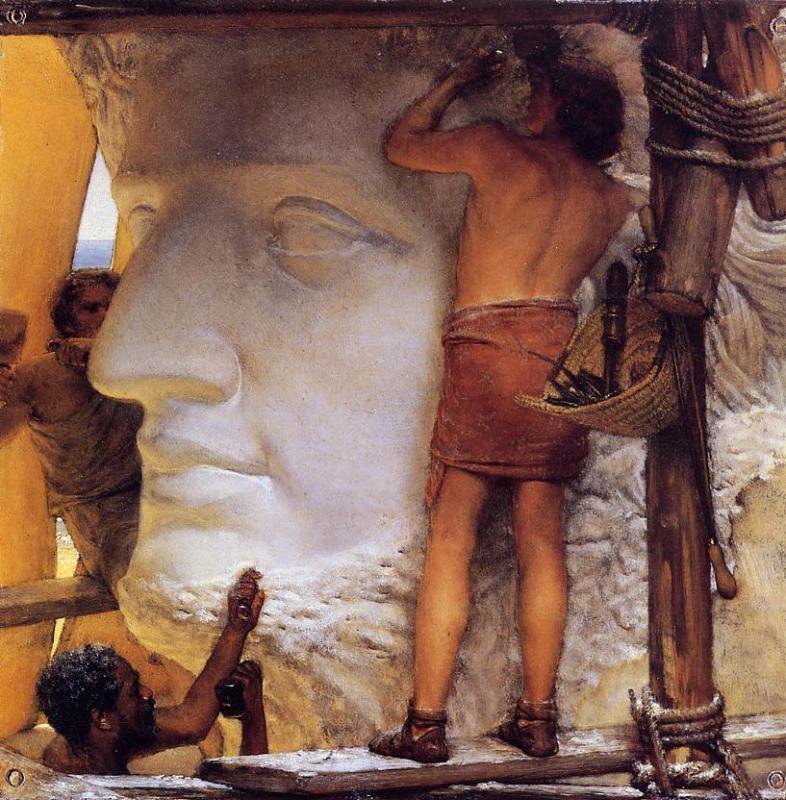
Commissioned by Emperor Nero after the Great Fire of Rome in AD 64, the Colossus was a colossal bronze statue, originally standing about 30–35 meters (100–115 feet) tall. Created by Greek sculptor Zenodorus, it was modeled after the Colossus of Rhodes and placed at the entrance to Nero’s Domus Aurea palace, symbolizing the emperor’s power and divine status (colosseumrometickets.com; Lazy Historian).
After Nero’s death in AD 68, the statue was altered by subsequent emperors to distance it from Nero’s unpopular image. Vespasian gave it the visage of Sol, the Roman sun god, and briefly, Commodus reimagined it as Hercules. The Colossus was eventually moved closer to the Temple of Venus and Roma—a feat achieved with the help of 24 elephants—emphasizing its monumental scale and ongoing political significance (colosseumrometickets.com).
The statue’s transformation from imperial portrait to sun god reflected broader shifts in Roman religion and politics. Its image appeared on coins under Septimius Severus, reinforcing its role as a symbol of cosmic order and imperial legitimacy (everything-everywhere.com).
Over time, the Colossus became so closely associated with the nearby Flavian Amphitheater that the term "Colosseum" is believed to derive from the presence of this colossal statue (colosseumrometickets.com). The Colossus itself disappeared by the early 5th century, likely destroyed by earthquakes or repurposed for its valuable bronze. Its base remained visible until the 20th century (Tourist in Rom).
The Colossus and the Colosseum: Intertwined Legacies
The Colosseum (Flavian Amphitheater) was constructed on the site of Nero’s private estate, transforming imperial extravagance into a public venue for the people. The amphitheater’s later name, “Colosseum,” is directly linked to the colossal presence of Nero’s statue. Even after the Colossus was lost, the site retained its symbolic importance, underscoring Rome’s capacity for reinvention and communal identity (everything-everywhere.com; Lazy Historian).
Visiting the Colossus of Nero Site: Hours, Tickets, and Tips
Location and Setting
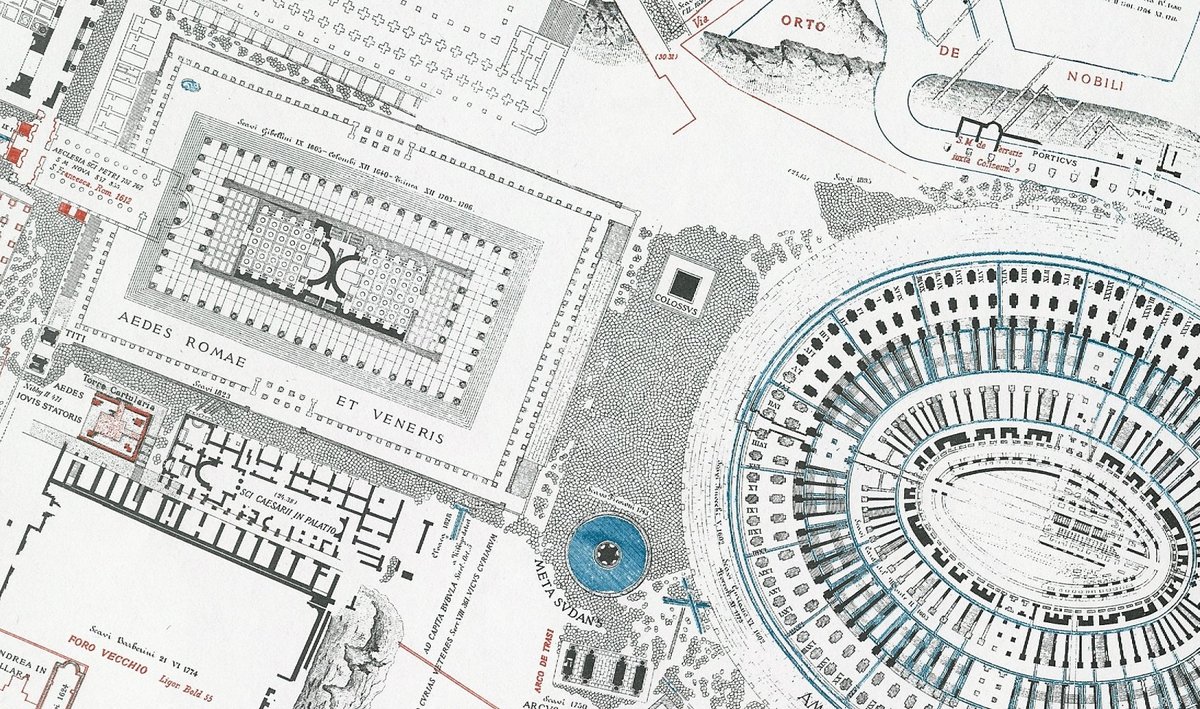
The remains of the Colossus are situated just outside the main entrance to the Colosseum, near the Temple of Venus and Roma. The site is marked by a large brick pedestal and signage explaining its history (Tourist in Rom).
Visiting Hours
- Colossus Site: Open-air, freely accessible at any time, day or night, with no ticket required.
- Colosseum and Roman Forum: Open daily, typically from 8:30 AM until one hour before sunset. Opening times vary seasonally; check the official website for updates (Voyage Tips).
Tickets
- Colossus Site: Free, no ticket required.
- Colosseum, Roman Forum, Palatine Hill: Combined ticket required, usually €16 for adults with reductions for EU youth and free entry for children under 18 (Voyage Tips).
- Domus Aurea: Guided tour only, advance reservation required (thegeographicalcure.com).
Tip: Book tickets for the Colosseum and Domus Aurea well in advance, especially in peak season. Early morning or late afternoon visits help avoid crowds (findingtheuniverse.com).
What Remains and What to Expect
- Pedestal: The brick pedestal is all that remains of the Colossus. Interpretive signage provides context in English and Italian.
- Surroundings: The site is adjacent to the Colosseum, with views ideal for photographs, especially at sunrise or sunset.
- Atmosphere: Olive trees and benches offer shade and a quiet spot to contemplate Rome’s history (Tourist in Rom).
Practical Information and Accessibility
- Accessibility: The area is mostly paved and suitable for strollers and visitors with mobility challenges, though some uneven ground is present. The Domus Aurea is not wheelchair accessible (italy-tourist-information.com).
- Restrooms and Amenities: Facilities are available near the Colosseum. Cafés and souvenir shops line Via dei Fori Imperiali.
- Transport: The Colosseo metro station (Line B) is a two-minute walk from the Colossus site. Several bus lines also serve the area (colosseo-roma.it).
What to Bring:
- Water, sunscreen, hat, and camera.
- Comfortable shoes for walking on cobblestones and uneven ground.
Nearby Attractions and Itinerary Ideas
- Colosseum: Iconic amphitheater just steps away.
- Roman Forum and Palatine Hill: Explore the heart of ancient Rome.
- Temple of Venus and Roma: Accessible with a Colosseum ticket.
- Domus Aurea: Guided tours offer a glimpse into Nero’s extravagant palace (Voyage Tips).
Itinerary Tip: Allow 10–15 minutes for the Colossus site, and half a day for the full Ancient Rome experience. Consider joining a guided walking tour for deeper insight.
Frequently Asked Questions (FAQ)
Q: Is the Colossus of Nero still standing?
A: No, only the brick pedestal remains; the statue itself was lost by the 5th century.
Q: Do I need a ticket to visit the Colossus of Nero site?
A: No, the site is free and open-air.
Q: What are the visiting hours?
A: The pedestal is accessible at all times; the Colosseum and other sites have fixed hours.
Q: Are there guided tours of the Colossus site?
A: While there are no tours dedicated solely to the Colossus, most Ancient Rome or Colosseum tours include a stop at the pedestal (mamalovesrome.com).
Q: How do I reach the site?
A: By Metro (Colosseo) or by bus. The area is pedestrian-friendly.
Discover More
Though the Colossus of Nero no longer towers over Rome, its legacy is imprinted on the city’s identity and the experience of every visitor to the Colosseum area. The site’s easy access, historical context, and connection to surrounding monuments make it a compelling stop for those seeking to understand Rome’s imperial past.
For a richer experience, plan your visit during off-peak hours, book tickets for nearby attractions in advance, and consider using guided tours or digital resources. Download the Audiala app for audio guides, interactive maps, and travel tips, and follow us on social media for the latest updates on Rome’s historical sites.
Listen to the full story in the app
The whole Colossus Of Nero,
told well.
Audio guides for 1,100+ cities across 96 countries. History, stories, and local insight — offline ready.
Verified, and shown.
Researched and written by the Audiala editorial team from historical records, architectural archives, and local expertise.
Researched from Wikidata, Wikipedia & official sources · fact-checked · How we make our guides →