Plan and listen to Circus Of Maxentius with Audiala.
Audio guide in your pocket, itinerary in your browser. Built for the way you actually visit.
Introduction: Discovering Rome’s Best-Preserved Imperial Circus
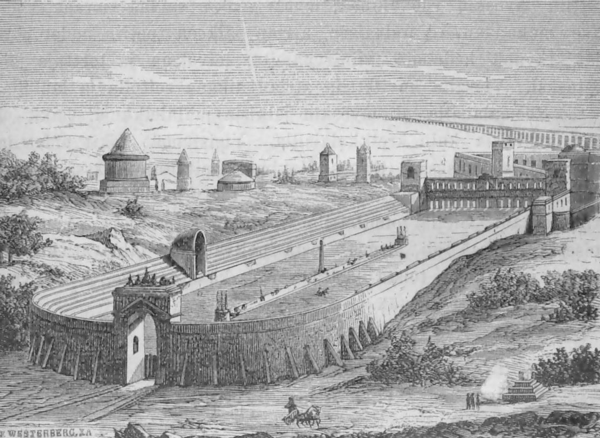
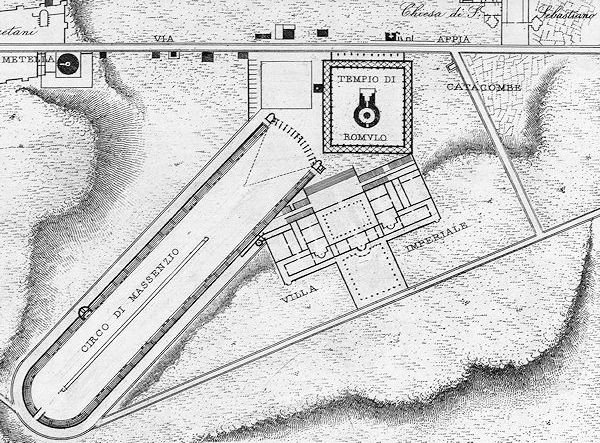
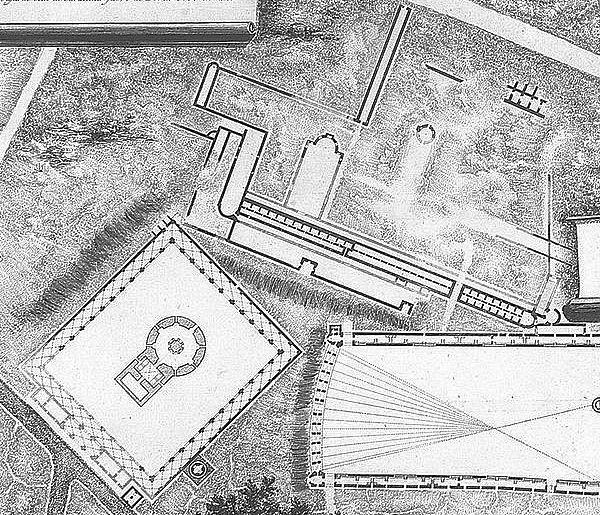
The Circus of Maxentius stands as one of Rome’s most impressive and best-preserved ancient monuments. Constructed between 306 and 312 CE by Emperor Maxentius, it forms part of a grand imperial complex along the historic Via Appia, including a palace villa and the mausoleum of Maxentius’s son, Romulus. This unique integration of entertainment, dynastic commemoration, and funerary architecture offers visitors a fascinating insight into the political ambitions and ceremonial practices of late antiquity (Parco Archeologico dell’Appia Antica, Tourist in Rome, Official Rome Tourism Site).
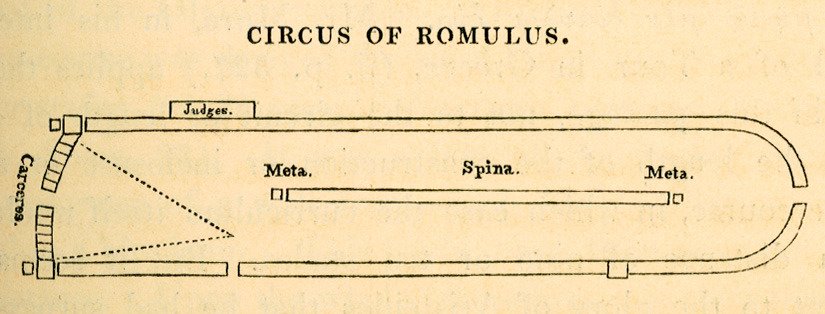
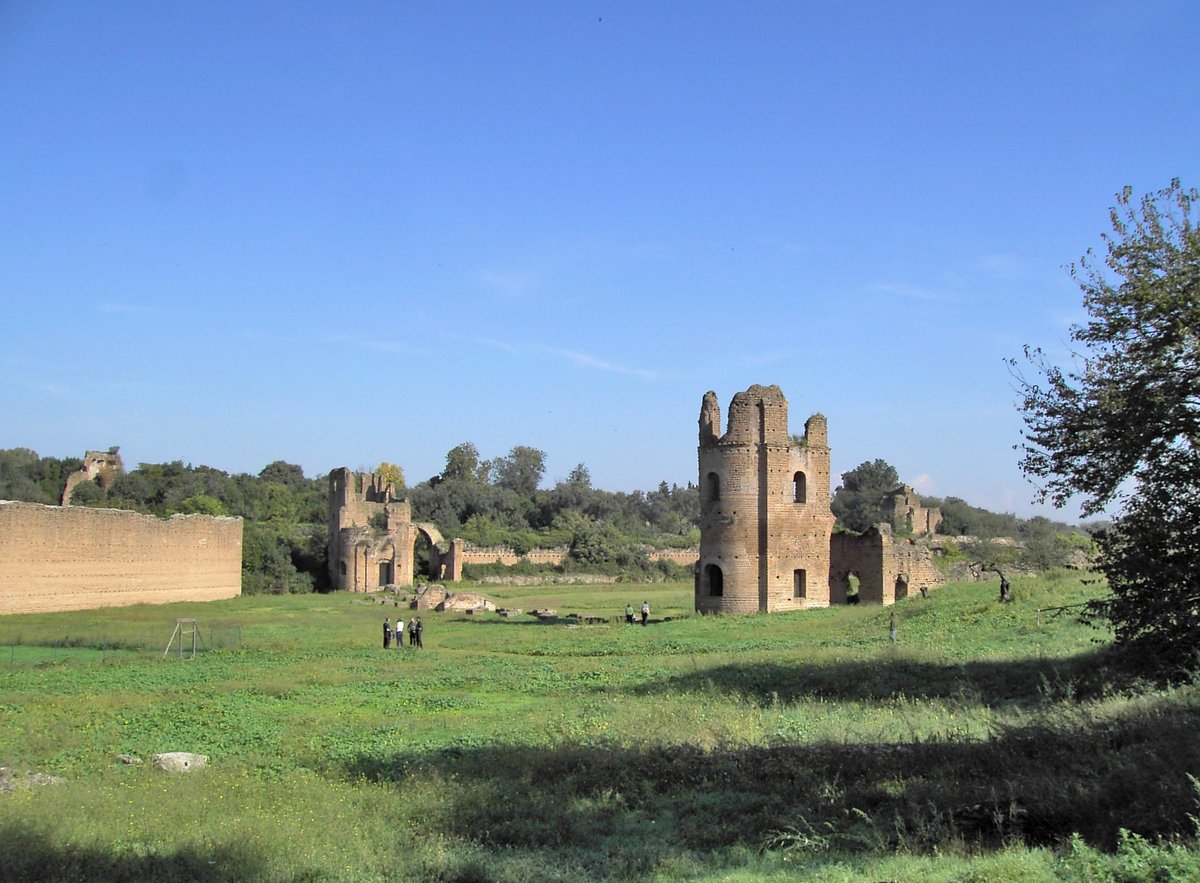
Perfectly situated along the scenic Appian Way, the Circus of Maxentius is surrounded by other significant archaeological sites such as the Tomb of Cecilia Metella and the Catacombs of San Sebastiano. The site’s exceptional preservation allows visitors to explore the ancient spina, starting gates (carceres), spectator seating (cavea), and the imperial box (pulvinar).
Whether you’re a history enthusiast, architecture lover, or a traveler in search of authentic Roman heritage, this guide provides all the essential details for planning your visit, including hours, ticketing, accessibility, and nearby attractions.
Historical Background: Imperial Ambition and Dynastic Memory
Built during a period of political turbulence, the Circus of Maxentius was designed not only as a venue for public spectacle but also as a statement of imperial legitimacy. Maxentius sought to associate his rule with the grandeur of Rome’s traditions and to honor the memory of his son, Romulus, who died young and was interred within the adjacent mausoleum. This funerary and dynastic focus is unique among Roman circuses (Livius.org, Oxford Classical Dictionary).
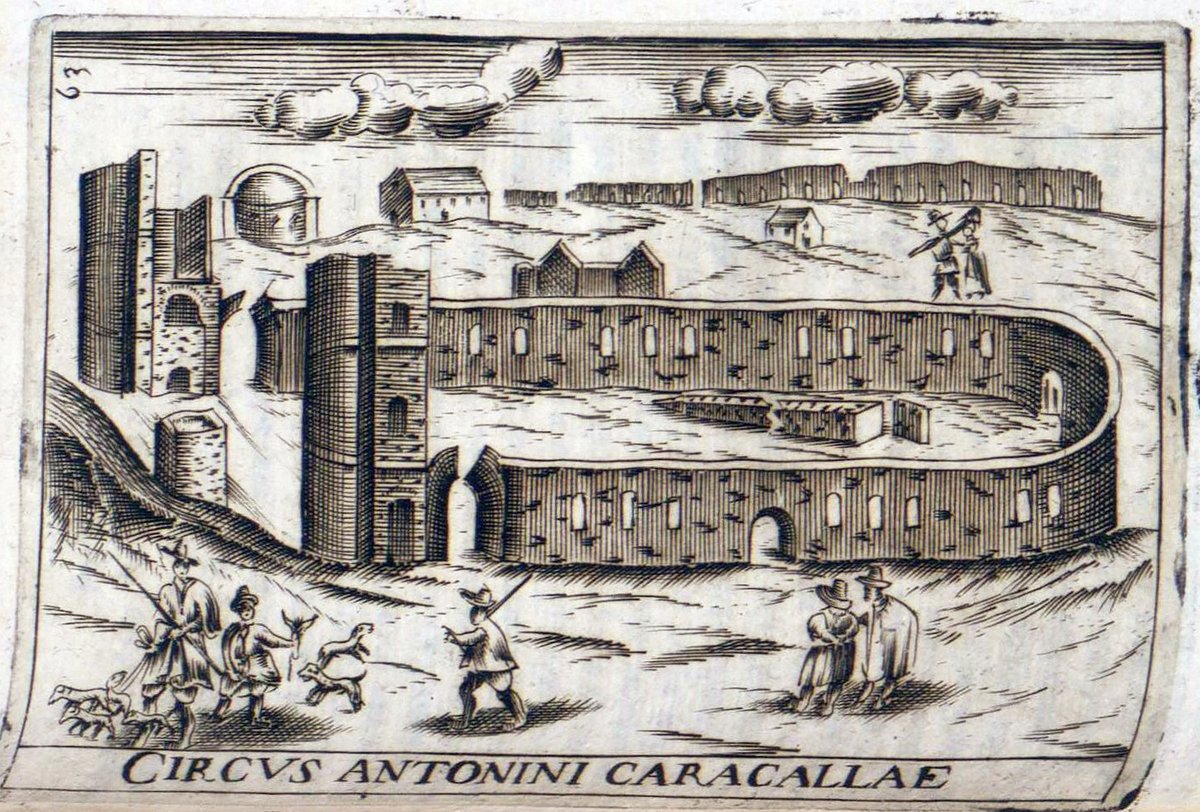
The circus was used only briefly, with its primary recorded event being the inaugural games held for Romulus’s funeral, further cementing its commemorative function. It fell into disuse after Maxentius’s defeat by Constantine the Great in 312 CE, which has contributed to the remarkable preservation of its ruins (History Hit).
Architectural Features and Innovations
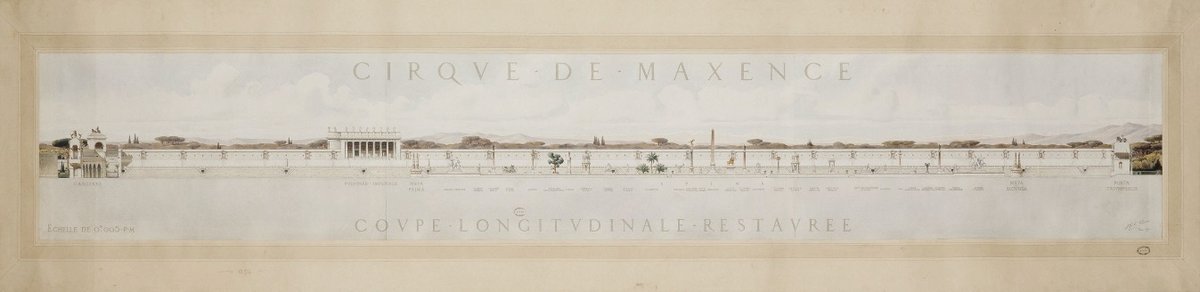
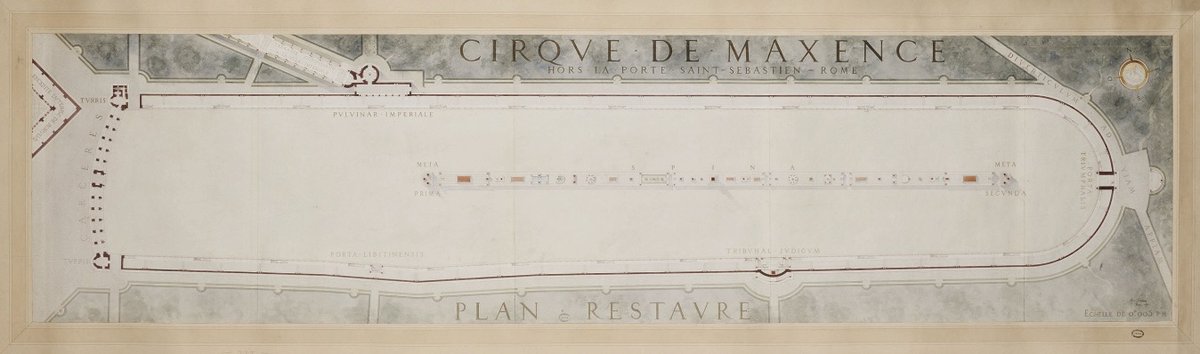
- Scale and Layout: The circus measures approximately 513 meters long and 91 meters wide, with a central spina (296 meters) originally clad in marble and adorned with statues and columns (Madain Project).
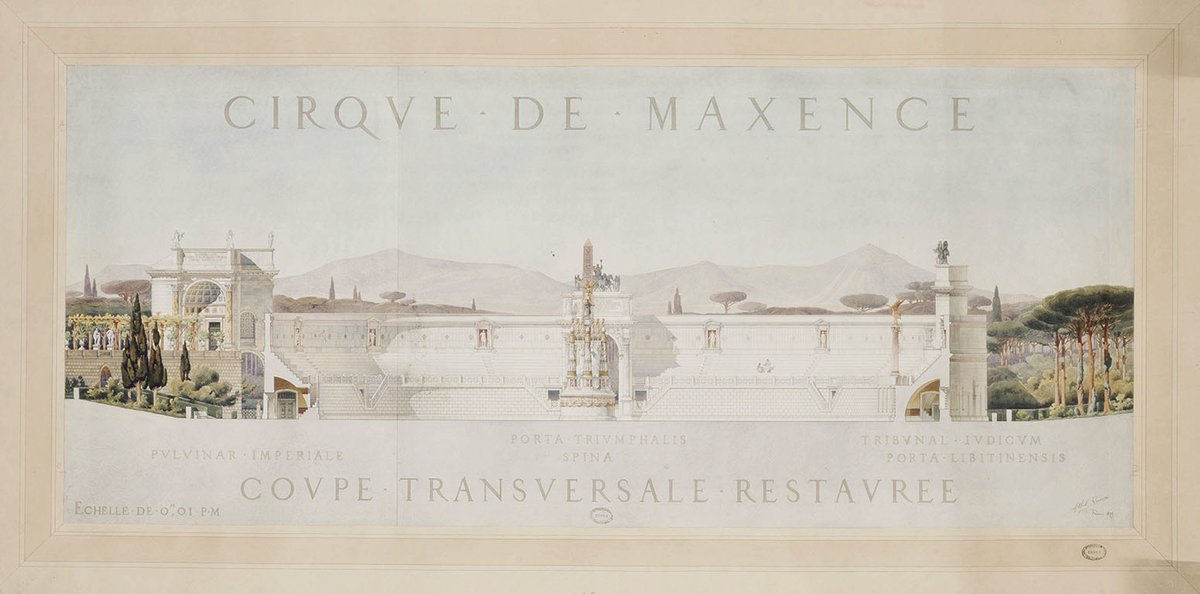
- Capacity: The cavea (seating) accommodated around 10,000–15,000 spectators, a modest size compared to the Circus Maximus but significant for a privately commissioned imperial monument.
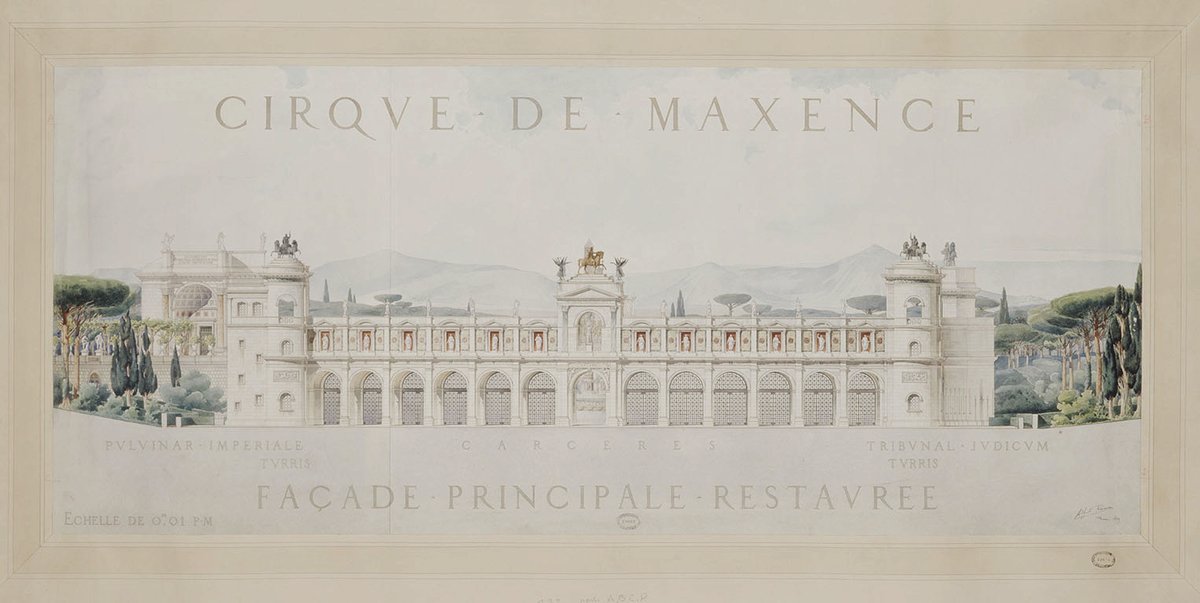
- Pulvinar (Imperial Box): Directly connected to Maxentius’s villa by a covered portico, the pulvinar allowed the emperor private, privileged access to the games.
- Carceres and Porta Triumphalis: The starting gates featured advanced mechanical systems for fair chariot race starts, while the triumphal gate at the east end (Porta Triumphalis) still stands as one of the site’s best-preserved elements.
- Construction: Built using Roman concrete faced in opus vittatum, the circus demonstrates the durability and speed typical of late-imperial engineering.
- Tomb of Romulus: The nearby cylindrical mausoleum of Romulus adds a poignant funerary context, forming a cohesive architectural ensemble of circus, palace, and tomb (History Tools).
Essential Visitor Information
Visiting Hours
- General Opening: Daily, 9:00 AM–7:00 PM. Last admission: 6:30 PM.
- Seasonal Variations: Hours may change for special events or public holidays. Always verify on the Official Rome Tourism Site.
Tickets & Admission
- Entry: Free of charge for individual visitors.
- Guided Tours: Available for a fee via local tour operators or the official visitor center; advance booking is recommended for in-depth historical interpretation.
Accessibility
- The site is mostly outdoors with uneven terrain. While some ramps and accessible paths exist, certain areas may be challenging for visitors with mobility issues. Comfortable shoes are highly recommended.
Guided Tours & Visitor Tips
- Opt for early morning or late afternoon visits to avoid crowds and take advantage of the best lighting for photography.
- Guided tours enhance the experience by providing context on architecture, history, and archaeological discoveries.
What to See at the Circus of Maxentius
- U-shaped Racing Track: The main track and remains of the central spina are clearly visible, offering a sense of the grandeur of Roman chariot races.
- Cavea (Seating): Explore remnants of the spectator stands and imagine the vibrant atmosphere of ancient games.
- Pulvinar and Portico: Trace the route of the covered portico from the imperial box to the villa.
- Triumphal Gate: Examine the Porta Triumphalis’s surviving vault, walls, and stairs.
- Tomb of Romulus: Visit the adjacent mausoleum, a unique dynastic structure.
Getting There
- Public Transport: Take buses along Via Appia Antica and get off at the "Cecilia Metella" stop.
- Bicycle/On Foot: The Appian Way is ideal for cycling and walking, especially on Sundays when vehicle access is restricted.
- Car: Limited parking; driving is discouraged due to narrow, cobbled roads and weekend restrictions.
Nearby Attractions
- Tomb of Cecilia Metella: Iconic Republican tomb with a well-preserved tower.
- Catacombs of San Sebastiano & San Callisto: Early Christian burial sites with guided tours.
- Appian Way Regional Park: Offers tranquil walks and a concentration of ancient ruins.
Special Events & Photography
- The circus hosts occasional cultural events, including historical reenactments and open-air concerts, particularly in spring and autumn.
- Photography Tips: Early morning and sunset provide dramatic lighting; the spina, carceres, and Porta Triumphalis make for striking images.
Frequently Asked Questions (FAQ)
Q: What are the Circus of Maxentius visiting hours?
A: Daily from 9:00 AM to 7:00 PM; last entry at 6:30 PM. Confirm hours on the official site.
Q: Is there an entry fee?
A: No, entry is free. Guided tours may incur a fee.
Q: How do I get there from central Rome?
A: Bus (stop: Cecilia Metella), walking, or cycling along the Appian Way. Driving is not recommended.
Q: Are guided tours available?
A: Yes, through local operators and the official visitor center. Booking ahead is advised.
Q: Is the site accessible for people with disabilities?
A: Some accessible paths exist, but terrain is uneven and can be challenging.
Q: What else can I see nearby?
A: The Tomb of Cecilia Metella, Catacombs of San Sebastiano and San Callisto, and the Appian Way Regional Park.
Visual Media & Maps


High-quality images and maps are available on official tourism websites to assist with trip planning.
Summary & Travel Tips
The Circus of Maxentius is a testament to Rome’s architectural brilliance and imperial grandeur. Its unique blend of entertainment, dynastic commemoration, and funerary association makes it an essential destination for anyone interested in ancient history. Plan your visit with up-to-date information on opening hours, guided tours, and accessibility. Combine your trip with nearby attractions along the Appian Way for a comprehensive historical experience.
For immersive audio guides, interactive maps, and the latest updates, download the Audiala app. Follow our social media for events, travel tips, and stories about Rome’s ancient wonders.
Listen to the full story in the app
The whole Circus Of Maxentius,
told well.
Audio guides for 1,100+ cities across 96 countries. History, stories, and local insight — offline ready.

Verified, and shown.
Researched and written by the Audiala editorial team from historical records, architectural archives, and local expertise.
Researched from Wikidata, Wikipedia & official sources · fact-checked · How we make our guides →