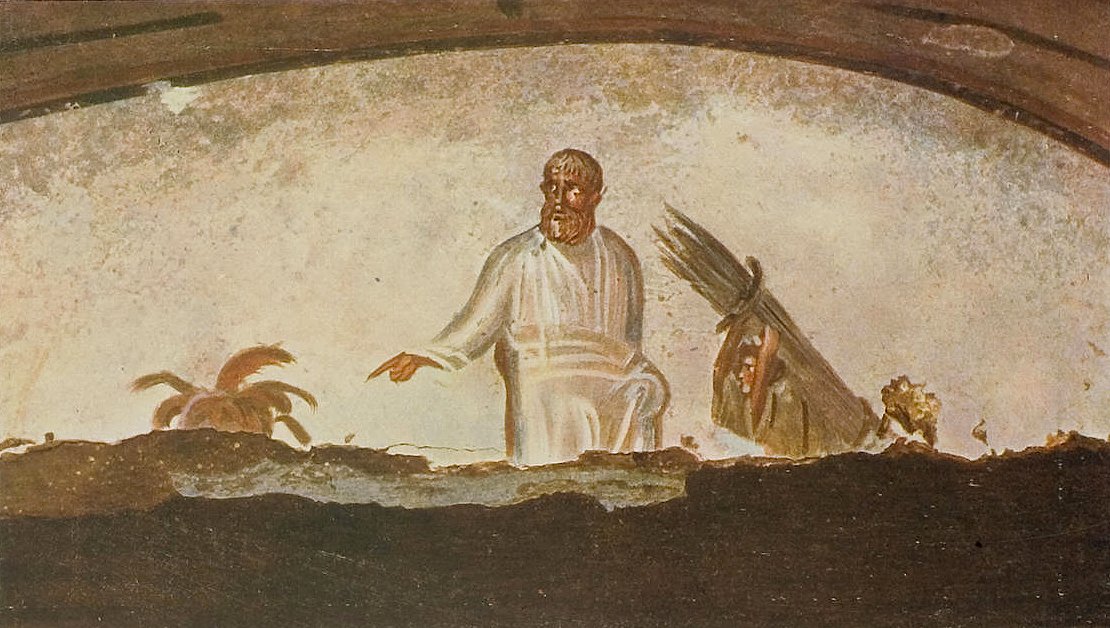
Plan and listen to Catacomb Of Priscilla with Audiala.
Audio guide in your pocket, itinerary in your browser. Built for the way you actually visit.
Introduction
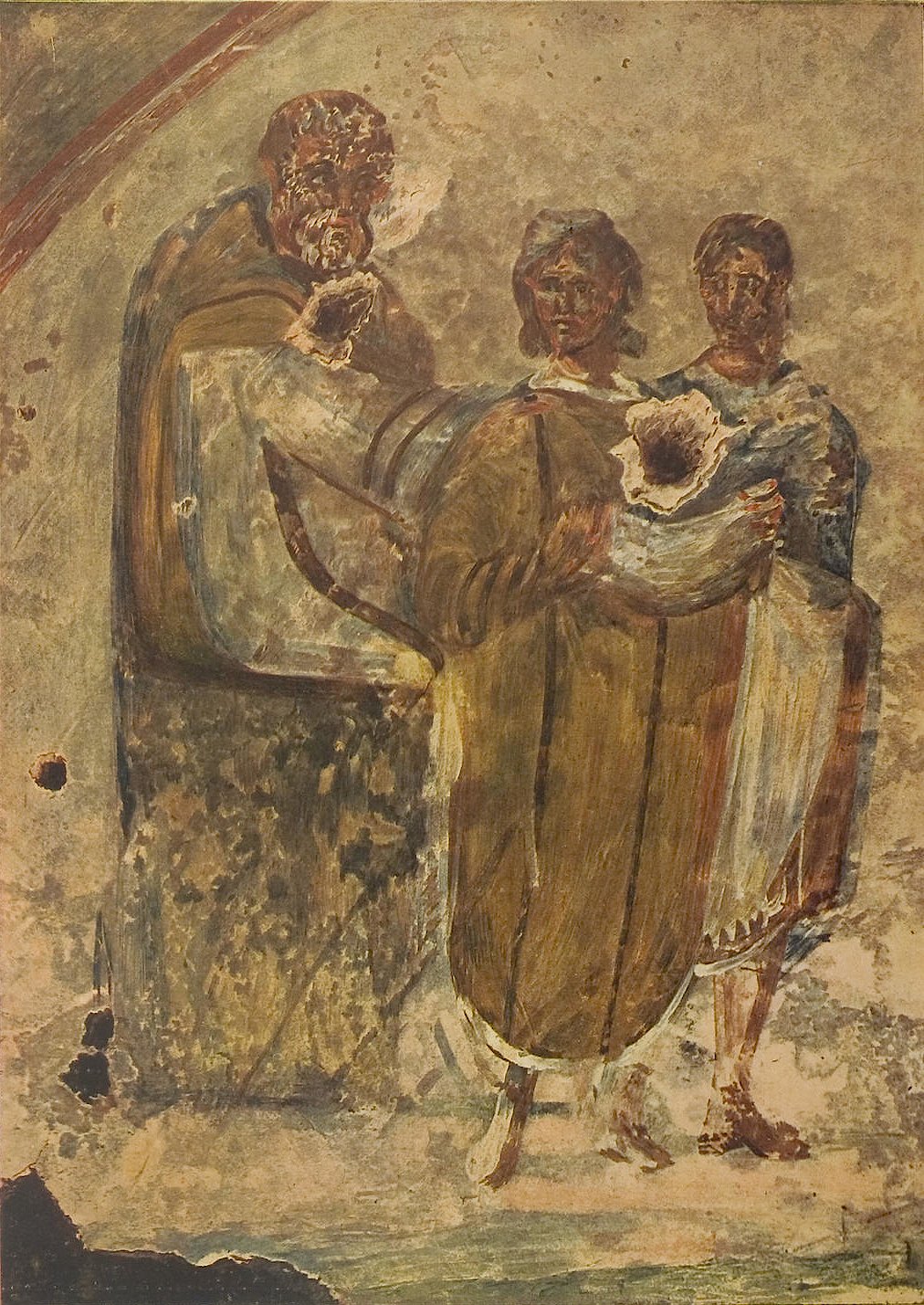
The Catacomb of Priscilla, often called the “Queen of the Catacombs,” is one of Rome’s most captivating and historically significant underground sites. Located beneath the ancient Via Salaria, this extensive Christian burial ground dates from the 2nd to the 5th centuries CE and contains some of the earliest known Christian frescoes—including the oldest depiction of the Virgin Mary with Child. The Catacomb provides an exceptional window into early Christian funerary traditions, religious art, and community life, making it a must-visit for history enthusiasts, pilgrims, and travelers seeking a deeper understanding of Rome’s multifaceted heritage. This guide covers everything you need to know about visiting the Catacomb of Priscilla, from historical background and artistic highlights to practical information about tickets, opening hours, and travel tips.
For the latest updates and official visitor information, see the official Catacomb of Priscilla website, Smarthistory, and World History Encyclopedia.


Historical Background
Origins and Development
The Catacomb of Priscilla began as a private family burial ground on land donated by the noblewoman Priscilla and later expanded to serve the broader Christian community (Smarthistory; Wikipedia). It is believed to contain upwards of 40,000 tombs along more than 10 kilometers of passageways, some extending three stories underground. The network’s expansion over centuries reflects both the growth of the early Christian community in Rome and changing burial practices as Christianity moved from persecution to acceptance within the Empire (BBC).
Artistic and Religious Significance
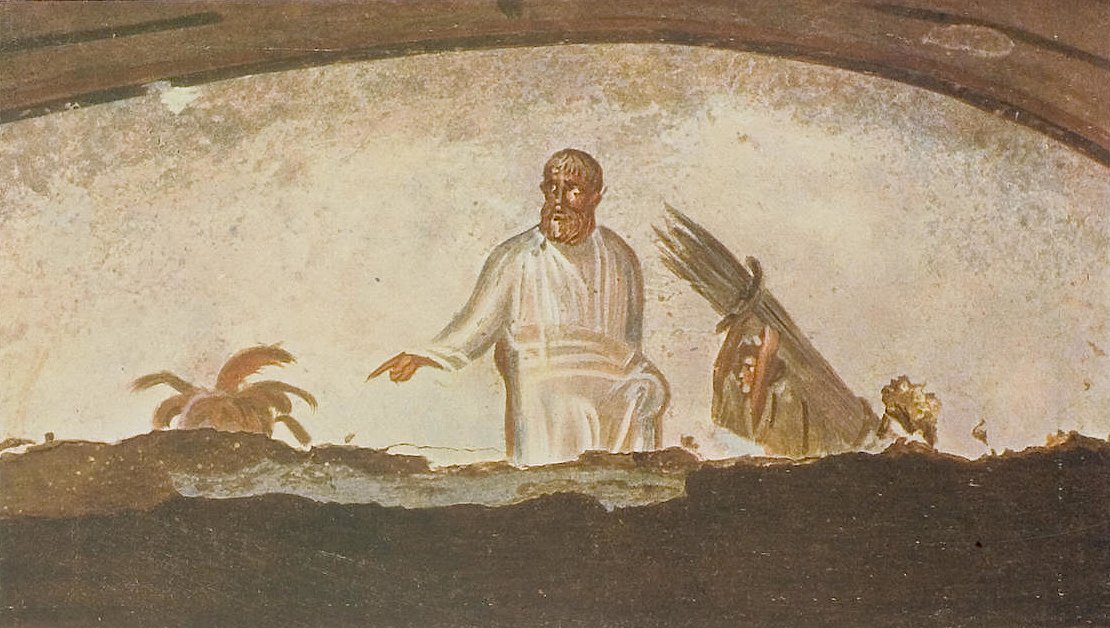
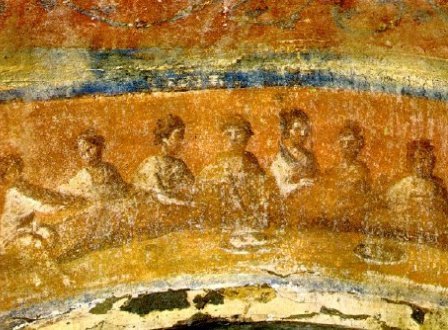
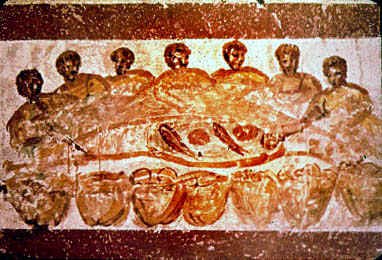
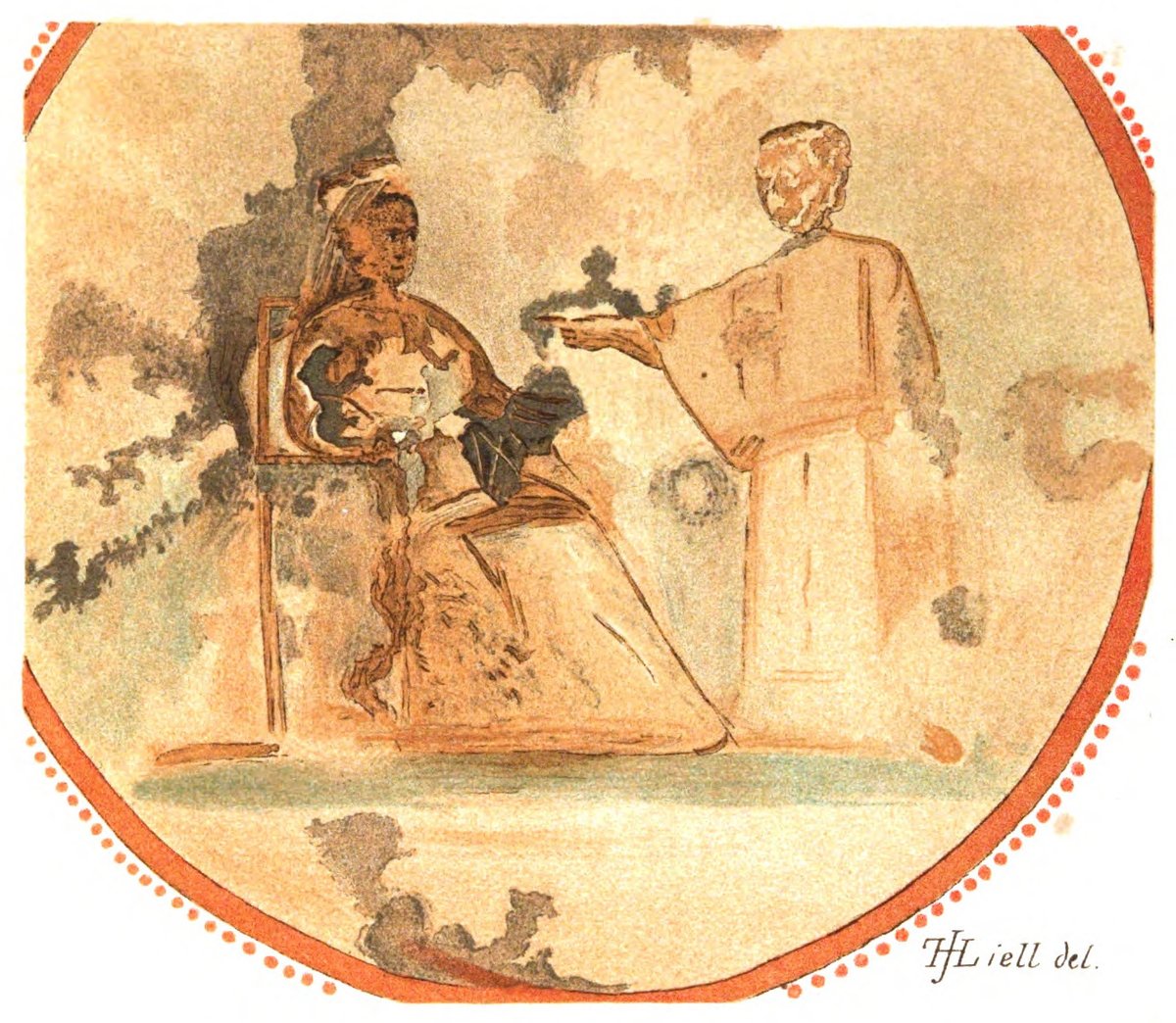
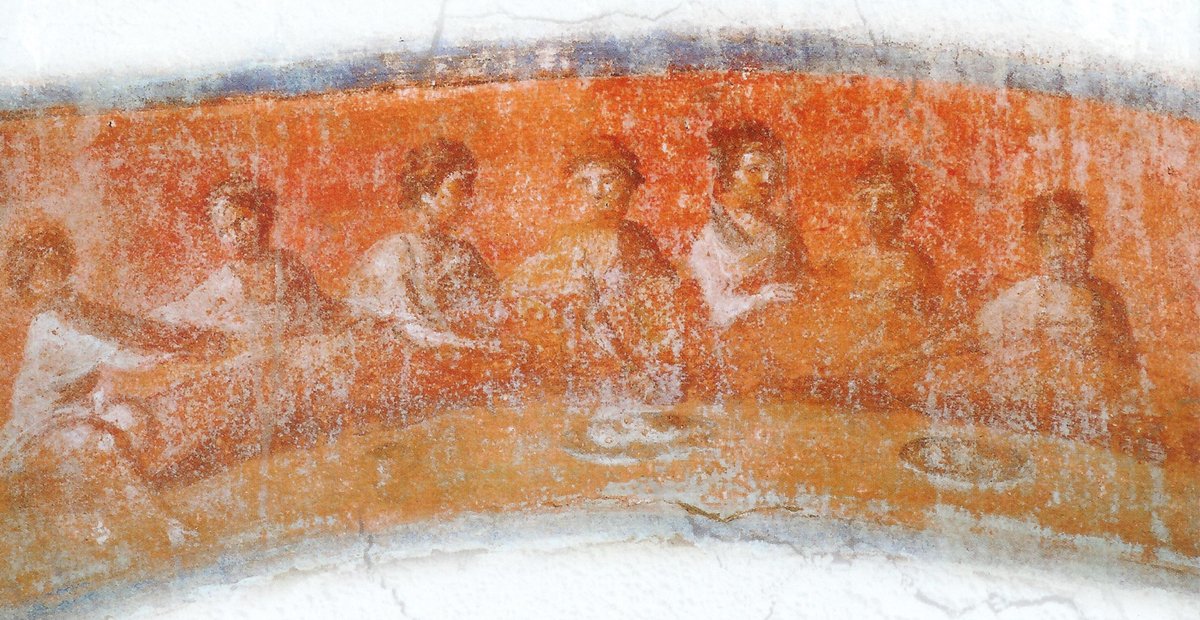
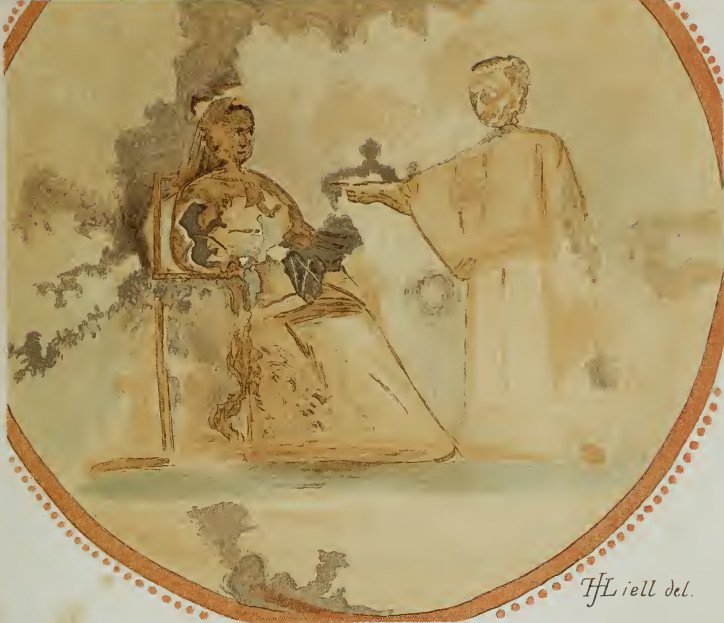
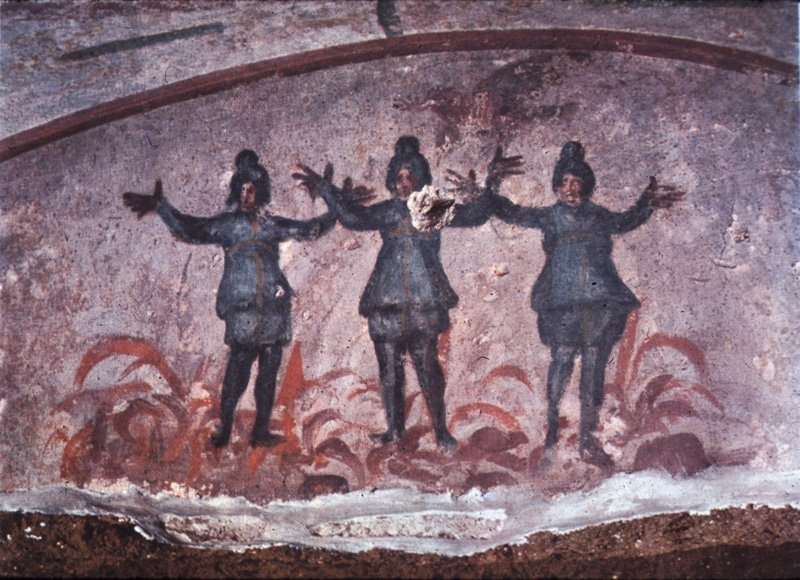
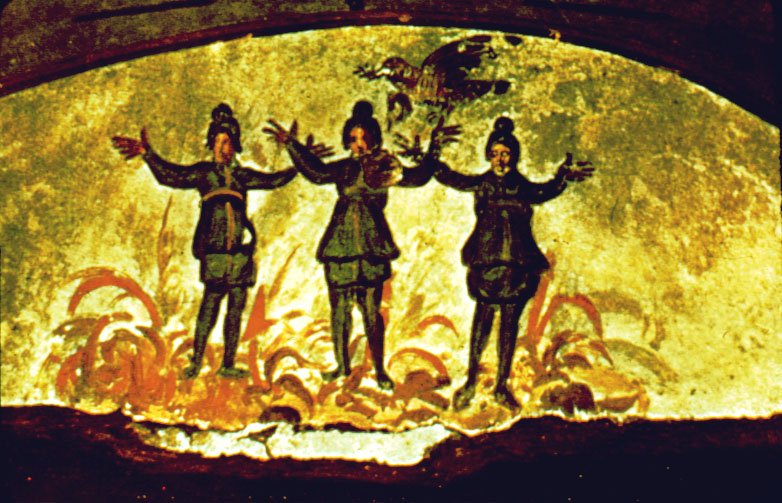
The catacomb is renowned for its early Christian frescoes. Among them are the iconic images in the Greek Chapel (Cappella Greca) and the Cubiculum of the Veiled Woman, including the earliest known depiction of the Virgin Mary with Child (Obitel Minsk). The art illuminates the faith, daily life, and social roles of the early Christian community, with scenes like the Good Shepherd and the Adoration of the Magi. Notably, the burial site also held the remains of several early popes and martyrs, reinforcing its significance as a pilgrimage destination (Biblical Archaeology Review).
Archaeological Discoveries
Excavations in the 19th and 20th centuries revealed not only the extent of the catacomb but also its rich array of artifacts, inscriptions, and evidence of interactions among Christian, Jewish, and pagan traditions (BBC; Wisdom Words PPF). Inscriptions honoring women and evidence of early Marian devotion underscore the catacomb’s importance both as an archaeological site and as a living testament to the spiritual and cultural life of ancient Rome.
Visiting Information
Location and Access
The Catacomb of Priscilla is located at Via Salaria, 430, 00199 Rome, Italy (catacombepriscilla.com). It is accessible by public bus (lines 63, 92, 310, n92) and is a 10–15-minute walk from the Sant’Agnese/Annibaliano metro station (Line B) (toorists.com). Parking is limited and regulated, so public transport is recommended for most visitors (lifesuccessjournal.com).
Opening Hours
The catacomb is typically open Tuesday through Sunday, from 9:00 a.m. to 12:00 p.m. and 2:00 p.m. to 5:00 p.m. It is closed on Mondays and select holidays. Always consult the official website before planning your visit to verify current hours.
Tickets and Guided Tours
- Ticket Prices: As of June 2025, adult tickets are €15, children (7–16 years) €12, and children under 7 enter free (catacombepriscilla.com).
- Reservations: Guided tours are mandatory and must be booked in advance during busy periods (romewise.com).
- Group Visits: For groups of 10 or more, advance booking is required.
- Tour Languages: Tours are available in English, Italian, Spanish, and other languages (toorists.com). Tours last about 45 minutes and provide in-depth commentary on art, history, and significance.
Accessibility and Facilities
Due to the catacomb’s underground nature, there are steep stairs, narrow corridors, and uneven flooring—making it inaccessible for wheelchairs and strollers (toorists.com; mamalovesrome.com). Restrooms are available near the entrance. The temperature underground is cool (15–17°C / 59–63°F) year-round; bring a light jacket even in summer (romewise.com). There are no cafés or shops on site.
Visitor Tips
- Dress Modestly: Cover shoulders and knees in respect for the sacred site.
- Wear Sturdy Shoes: The ground is uneven and there are stairs.
- No Photography: Photography and video recording are strictly prohibited inside.
- Arrive Early: Early tours are less crowded and more peaceful.
- Supervise Children: The environment is dim and confined; be mindful with young children or those sensitive to tight spaces.
- Stay with Your Guide: Ensure you hear and see all the key points.
Highlights of the Catacomb
Frescoes and Early Christian Art
The Catacomb of Priscilla houses some of the earliest examples of Christian art, including:
- The Greek Chapel: Features frescoes of the Eucharist, Old and New Testament scenes, and the oldest known Marian image (Obitel Minsk).
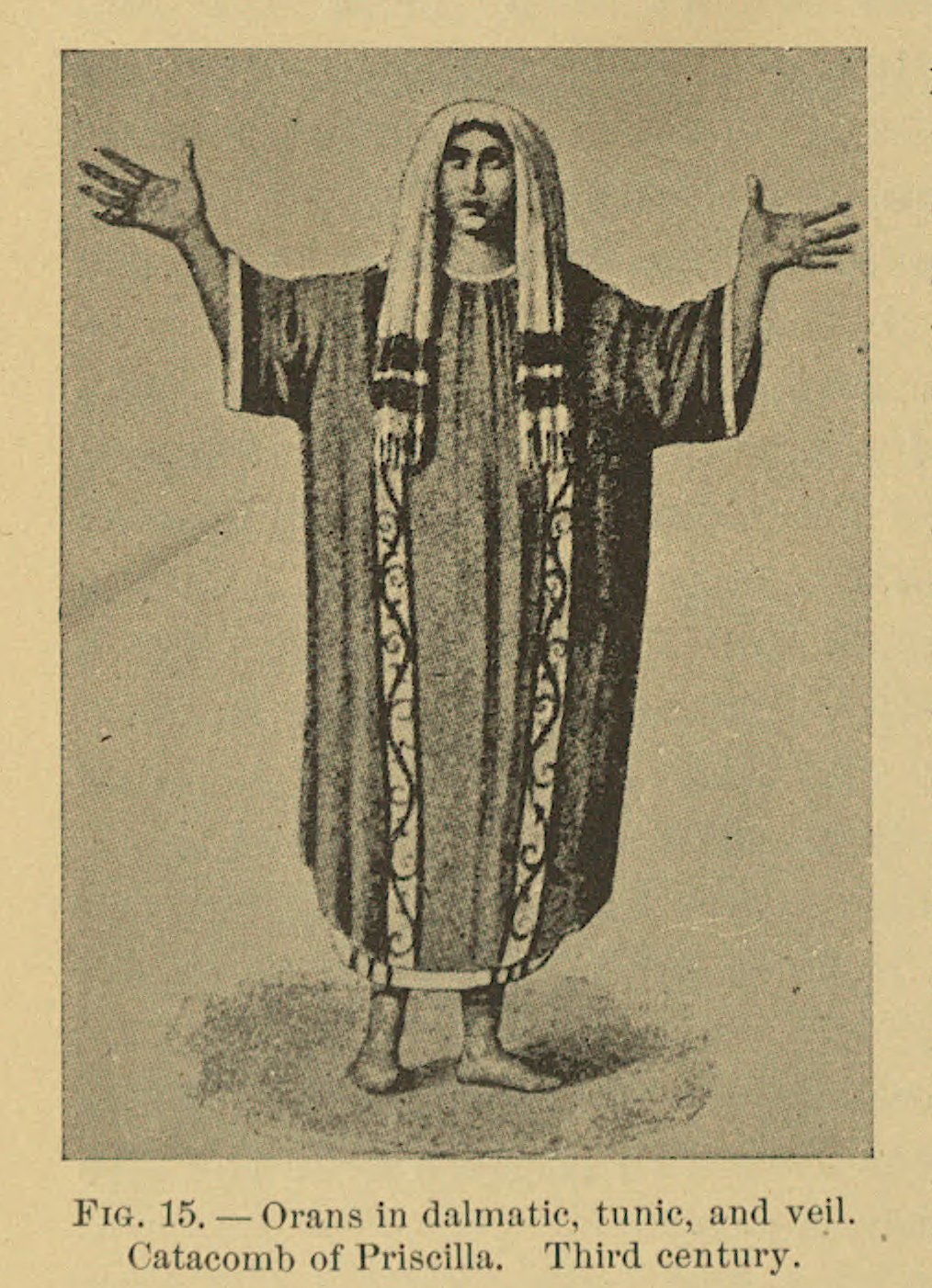
- The Cubiculum of the Veiled Woman: Illustrates a woman in prayer, sparking debate about female leadership roles in early Christian communities (World History Encyclopedia).
- Iconography like the Good Shepherd, Adoration of the Magi, and symbolic motifs representing faith, resurrection, and salvation (Biblical Archaeology Review).
Burial Chambers and the Underground Basilica
- Multi-level Corridors: Explore the labyrinthine passageways lined with loculi (burial niches).
- Martyrs and Popes: Tombs of seven early popes and numerous martyrs, making the site a key destination for the cult of saints (Spotting History).
- Underground Basilica: The unique 5th-century basilica, built above earlier burial chambers, offers a serene space for reflection.
Nearby Attractions
After your tour, consider visiting:
- Basilica di Santa Maria Maggiore
- Villa Torlonia park
- Basilica di San Lorenzo fuori le Mura
- Ancient Porta Salaria gate
- Villa Borghese Gardens and Museums
These attractions provide additional insights into Rome’s Christian, artistic, and architectural legacy (lifesuccessjournal.com).
Frequently Asked Questions (FAQ)
Q: Can I visit the Catacomb of Priscilla without a guide?
A: No, guided tours are mandatory for all visitors.
Q: Is photography allowed inside?
A: No, photography and filming are strictly prohibited in the catacombs.
Q: Are the catacombs accessible for wheelchairs or strollers?
A: No, the site is not accessible due to stairs and narrow passages.
Q: Are tours available in English?
A: Yes, tours are offered in English and several other languages.
Q: How do I get tickets?
A: Tickets can be purchased online via the official website or at the entrance, though advance booking is recommended.
Q: Are there special events or evening tours?
A: Occasionally, special events are offered—check the official site for updates.
Summary and Travel Tips
Visiting the Catacomb of Priscilla immerses you in the heart of Rome’s early Christian heritage. The site’s intricate network of burial chambers, historic frescoes, and unique underground basilica create a powerful narrative of faith, art, and community resilience.
Travel tips:
- Reserve your ticket in advance for your preferred language and time slot.
- Dress comfortably and modestly, and bring a jacket for the cool underground climate.
- Plan to visit nearby attractions for a full day of historical exploration.
- Respect the rules and the sacred atmosphere to help preserve this remarkable site for future generations.
For more tips, check the official Catacomb of Priscilla site, Spotting History, and Biblical Archaeology Review.
Tickets & tours.
These are guided options from our partners — same price as booking direct.
Prices are indicative — final pricing and availability are confirmed at checkout. Audiala may earn a commission from bookings made through these links.
Listen to the full story in the app
The whole Catacomb Of Priscilla,
told well.
Audio guides for 1,100+ cities across 96 countries. History, stories, and local insight — offline ready.
Verified, and shown.
Researched and written by the Audiala editorial team from historical records, architectural archives, and local expertise.
Researched from Wikidata, Wikipedia & official sources · fact-checked · How we make our guides →