Plan and listen to Boncompagni Ludovisi Decorative Art Museum with Audiala.
Audio guide in your pocket, itinerary in your browser. Built for the way you actually visit.
Introduction
Nestled in the heart of Rome, the Boncompagni Ludovisi Decorative Art Museum is a remarkable destination for anyone interested in Italian decorative arts, costume, and fashion from the 19th and 20th centuries. Set within the splendid Villa Boncompagni Ludovisi, this museum showcases the evolution of Italian style, design, and craftsmanship beyond the city’s ancient and Renaissance treasures. This comprehensive guide details the museum’s history, collections, visiting hours, ticketing, accessibility, and tips to ensure a rewarding visit (Ministero della Cultura, Roma Capitale Cultura).

Origins and Transformation
The Villa Boncompagni Ludovisi was constructed between 1894 and 1897, commissioned by Prince Luigi Boncompagni Ludovisi, a member of a prominent Roman family with roots tracing back to Pope Gregory XIII. The villa was designed as a private residence and an expression of the family’s refined artistic taste, blending Neo-Renaissance and Art Nouveau elements (Ministero della Cultura).
In 1972, Princess Blanceflor de Bildt Boncompagni Ludovisi bequeathed the villa and its furnishings to the Italian State to promote the decorative arts and costume history of the 19th and 20th centuries. The museum opened to the public in 1995 and today houses a vibrant collection of over 800 works, spanning furniture, textiles, paintings, ceramics, and fashion.
Architectural and Artistic Value
The villa itself is a masterpiece. Its façade features elegant stucco decorations and wrought-iron balconies, while interiors are adorned with frescoes by Annibale Brugnoli and Domenico Bruschi, marble floors, and richly decorated salons. This architectural harmony serves as both a historical monument and a fitting context for the museum’s collections (Museo Boncompagni Ludovisi).
Collections and Exhibitions
The museum’s holdings include:
- Furniture and Decorative Objects: Art Nouveau, Art Deco, and Rationalist pieces, alongside 19th-century furnishings.
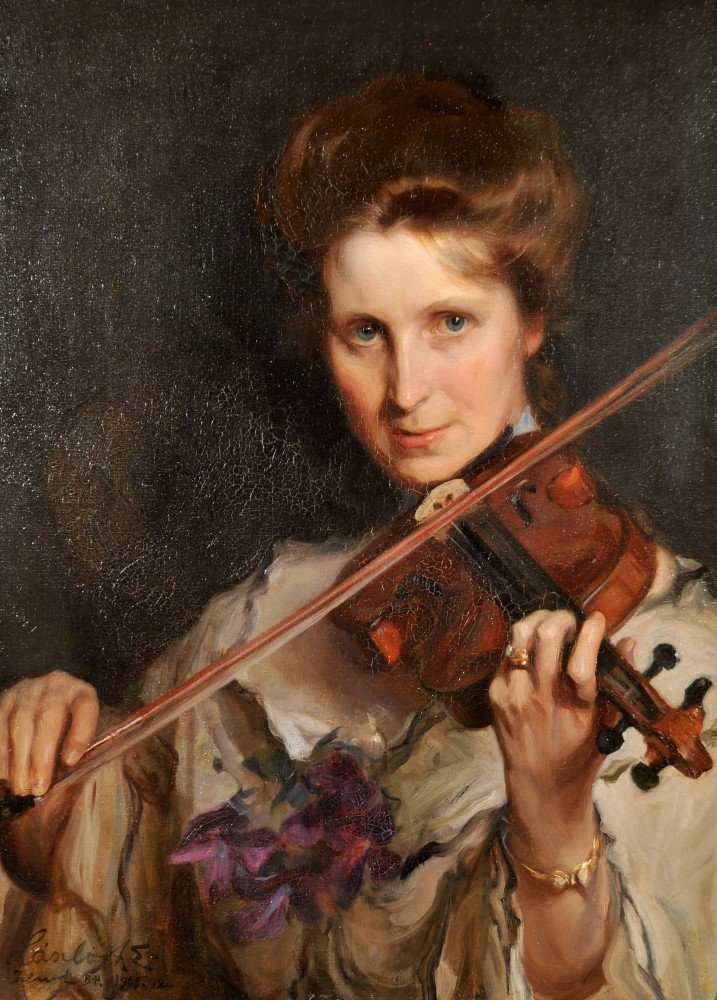
- Paintings and Sculpture: Works by Galileo Chini, Duilio Cambellotti, Vittorio Zecchin, and period portraits.
- Costume and Fashion: Garments and accessories by Valentino, Emilio Schuberth, Fausto Sarli, and others.
- Textiles, Ceramics, Glassware, and Jewelry: Representing the height of Italian craftsmanship.
- Temporary Exhibitions: Rotating themes on Italian fashion, design movements, and contemporary art (artsupp.com, italia.it, turismoroma.it).
The Museum’s Role in Rome’s Cultural Landscape
As one of the few institutions in Rome dedicated to the decorative arts and fashion of the 19th and 20th centuries, the Boncompagni Ludovisi Museum complements the city’s better-known ancient and Renaissance sites. Its location, close to Via Veneto and the Villa Borghese gardens, makes it both accessible and a tranquil respite from the city’s hustle (Roma Capitale Cultura).
Visitor Information
Visiting Hours
- Tuesday to Sunday: 10:00 AM – 6:00 PM (last admission at 5:30 PM)
- Closed: Mondays and certain public holidays (the museum is closed throughout August; consult the official website for updates)
Admission and Booking
- Admission: Free for all visitors; donations are welcomed to support the museum’s programming and preservation.
- Group Visits: Groups of 10 or more should book in advance.
- Audio Guides: Available free of charge; voluntary donations appreciated.
Accessibility
- Most exhibition rooms are wheelchair accessible via ramps and elevators.
- Some historic areas may be challenging; contact the museum in advance for assistance (Accessibility Information).
Directions
- Address: Via Boncompagni, 18, 00187 Rome, Italy
- Metro: Barberini (Line A), 10 minutes on foot.
- Bus Lines: 52, 53, 61, 62, 63, 83, 92, 160, 910.
- Parking: Limited; public transport is recommended.
Facilities and Services
- Cloakroom: Available for coats and bags. Large suitcases are not allowed.
- Restrooms: Located on the ground floor.
- Gift Shop: Offers museum publications and souvenirs.
- No café: Numerous options are available nearby in the Ludovisi and Via Veneto districts.
Highlights of the Collection
- Tapestry Gallery: Impressive 17th-century Flemish tapestries.
- Room of the Cradle of the Princes of Savoy: Features a bronze, silver, and copper cradle by Giulio Monteverde.
- Liberty Panels: Art Nouveau masterpieces by Galileo Chini and Vittorio Zecchin.
- Fashion Archive: Over 800 garments and accessories by legendary Italian designers, including the wardrobe of Palma Bucarelli.
- Matthäus Greuter Globe: Rare 17th-century globe highlighting the villa’s scholarly atmosphere.
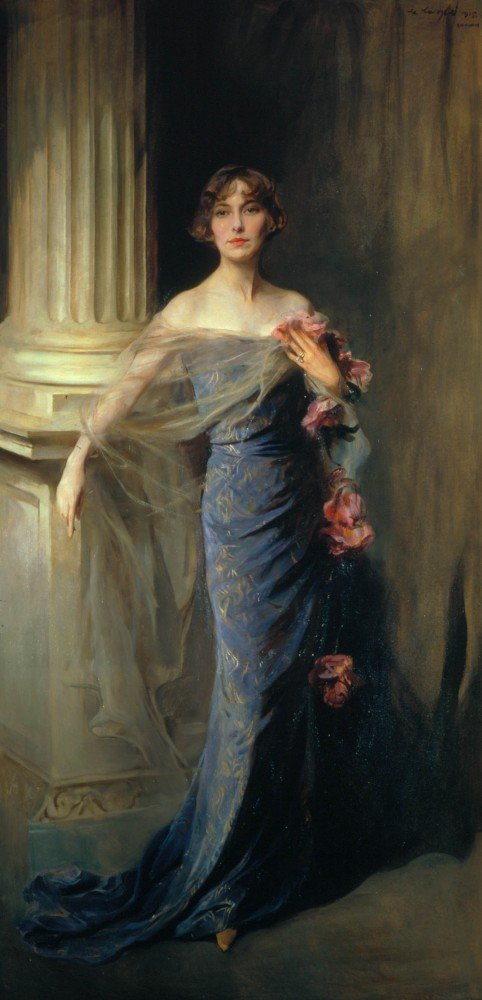
- Salone delle Vedute: Portraits and high-fashion dresses illustrating the lifestyle of Roman aristocracy (artsupp.com, christobeltravel.com, turismoroma.it).
Events, Tours, and Educational Programs
- Guided Tours: Available by advance booking, offering expert insights into collections and villa history.
- Workshops and Lectures: Regularly scheduled for families, students, and art enthusiasts. Check the museum’s educational activities page for current offerings.
- Temporary Exhibitions: Rotating displays focus on Italian fashion, contemporary design, and decorative arts.
Frequently Asked Questions (FAQ)
Q: What are the Boncompagni Ludovisi Decorative Art Museum visiting hours?
A: Tuesday to Sunday, 10:00 AM to 6:00 PM. Closed Mondays and in August.
Q: Is admission free?
A: Yes, admission is free for all visitors; donations are appreciated.
Q: Are guided tours available?
A: Yes, for groups and by advance booking.
Q: Is the museum accessible for wheelchair users?
A: Most areas are accessible, though some limitations exist. Contact the museum for assistance.
Q: Can I take photographs inside the museum?
A: Photography for personal use (no flash or tripod) is allowed in most areas.
Q: Does the museum have a café or shop?
A: There is a small gift shop, but no café on-site.
Visitor Tips
- Best Time to Visit: Quietest on weekday mornings.
- Visit Duration: Allow 60–90 minutes for a thorough visit.
- Nearby Attractions: Combine your visit with Villa Borghese, Via Veneto, or Galleria Borghese.
- Food: Numerous cafés and restaurants in the vicinity; no on-site food service.
- Respectful Conduct: Maintain a quiet atmosphere and avoid touching exhibits.
Listen to the full story in the app
The whole Boncompagni Ludovisi Decorative Art Museum,
told well.
Audio guides for 1,100+ cities across 96 countries. History, stories, and local insight — offline ready.
Verified, and shown.
Researched and written by the Audiala editorial team from historical records, architectural archives, and local expertise.
Researched from Wikidata, Wikipedia & official sources · fact-checked · How we make our guides →