Introduction
Nestled at the heart of the Roman Forum, the Basilica of Maxentius (also known as the Basilica Nova) stands as a monumental testament to Rome’s imperial ambition and architectural innovation. Commissioned by Emperor Maxentius in 308 CE and later completed by Constantine the Great, this vast structure not only asserted imperial power but also pioneered engineering techniques that would shape Western architecture for centuries to come. Its immense vaulted ceilings, expansive open spaces, and masterful use of Roman concrete set new standards for public buildings, influencing both early Christian basilicas and modern civic architecture.
This comprehensive guide provides everything you need to plan your visit: historical context, architectural highlights, practical visitor information, ticket details, accessibility tips, and recommendations for making the most of your experience. For additional resources and visitor updates, consult Visit Colosseum Rome, Official Rome Tourism, and Audiala.
Historical Background
Origins and Construction
The Basilica of Maxentius was initiated by Emperor Maxentius during a period of political upheaval, aiming to rival and surpass existing public spaces. After Maxentius’ defeat by Constantine in 312 CE, the latter completed the structure, incorporating improvements that would enhance its stability and grandeur (Audiala).
Architectural Innovations
The basilica broke new ground with its three immense groin vaults spanning the central nave, each soaring over 35 meters high. This technique, inspired by the great Roman baths, enabled a vast, uninterrupted interior space. The extensive use of brick-faced Roman concrete, octagonal ceiling coffers, and colossal marble columns marked a significant leap in architectural engineering (ICOMS Open Archive).
Civic and Cultural Role
Unlike religious basilicas of later eras, Roman basilicas were secular, serving as courts, administrative centers, and public meeting halls. The Basilica of Maxentius functioned as a hub for legal proceedings, civic assemblies, and commercial transactions, underscoring its central role in Roman public life.
Later History and Legacy
Severely damaged by earthquakes in the 9th and 14th centuries, the basilica's north aisle with its three barrel vaults is the most prominent surviving element. Its architectural principles profoundly influenced later Christian basilicas—most notably St. Peter’s—and inspired Renaissance and modern architects (Colosseum Rome Tickets).
Urban Placement and Architectural Context
Strategically positioned on an artificial platform within the Roman Forum, the Basilica of Maxentius measures approximately 65 by 100 meters. Its construction required the demolition and leveling of pre-existing structures, symbolizing a new era of imperial dominance. Facing the Palatine Hill and adjacent to the Via Sacra, the basilica anchored the civic heart of ancient Rome.
Structural and Engineering Feats
The basilica’s design, based on the grand halls of Roman baths, featured:
- Three massive groin vaults covering the nave, each spanning about 25 meters.
- Side aisles with barrel vaults, allowing an open, uninterrupted central space.
- Thick brick and concrete piers supporting immense loads.
- Clerestory windows to illuminate the interior (Audiala).
These innovations eliminated the need for interior columns, creating a vast hall that anticipated later developments in church architecture.
Spatial Organization and Notable Features
- Central Nave: A monumental hall flanked by side aisles, culminating in a large western apse that once housed a colossal statue of Constantine (fragments are displayed in the Capitoline Museums).
- Vaulted Ceilings: Deeply coffered to reduce weight and enhance aesthetics.
- Marble and Bronze: The basilica once boasted marble floors and bronze roof decorations; much of this material was later repurposed across Rome (ETuk Tours Rome).
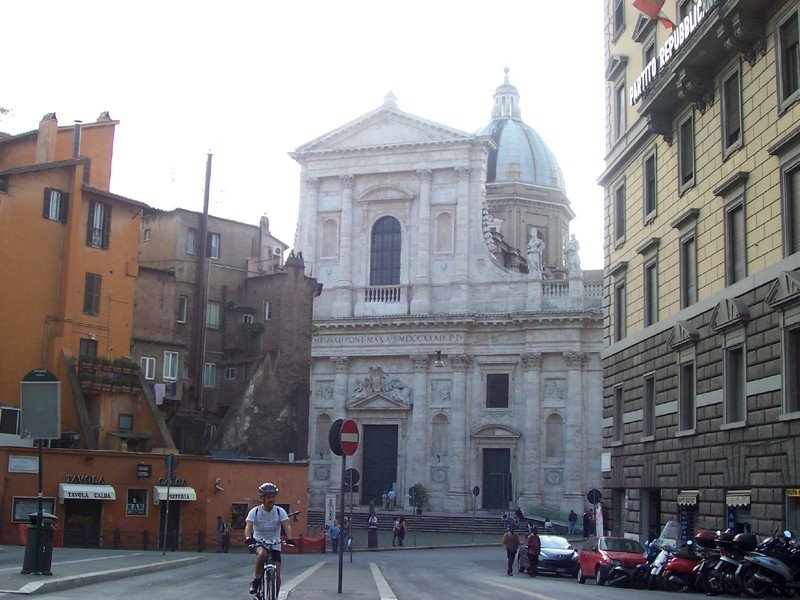
- Relocated Column: One original column now stands at Piazza Santa Maria Maggiore.
Visiting Information
Hours and Tickets
- Opening Hours: Generally open daily from 9:00 AM until one hour before sunset (seasonal variations apply). The basilica is closed on January 1 and December 25. Always confirm times via Official Rome Tourism.
- Tickets: Entry is included in the combined ticket for the Roman Forum, Palatine Hill, and Colosseum (approx. €16 for adults; discounts for EU citizens aged 18-25; free for under 18s). It is strongly advised to purchase tickets online in advance (Colosseum Rome Tickets).
- Access: Entry is via the Roman Forum entrances at Via della Salara Vecchia or Via dei Fori Imperiali.
Accessibility
- The ruins include uneven terrain and steps; limited wheelchair access is available via the Forum’s main paths.
- For detailed accessibility information, inquire at Forum ticket offices or consult Official Rome Tourism.
Guided Tours and Audio Guides
- Guided tours of the Forum typically include the basilica; many operators offer skip-the-line options (GetYourGuide).
- Audio guides and mobile apps deliver in-depth historical and architectural commentary.
Travel Tips
- Wear sturdy shoes due to ancient paving.
- Bring sun protection and water, especially in summer.
- Visit early or late in the day for fewer crowds and the best photography light.
- Restrooms and refreshments are available at Forum entrances and nearby cafes (Trip.com).
Nearby Attractions and Visitor Tips
- Colosseum: A short walk east; often included in combined tickets.
- Palatine Hill: Offers panoramic views of the basilica and Forum.
- Capitoline Museums: Houses relics and statuary from the basilica.
- Temple of Venus and Rome, Arch of Titus: Both are nearby and part of the Forum’s monumental landscape.
During major events like the Jubilee 2025, book accommodations and tickets well in advance, and allow extra time for security and crowds (Untold Italy, Visit Italy).
Conservation and Modern Use
Recent restoration has stabilized the basilica’s north vaults, with proposals to open a panoramic terrace overlooking the Forum. The site occasionally hosts concerts and cultural events, continuing its legacy as a center for public life while balancing conservation priorities.
Frequently Asked Questions (FAQ)
Q: What are the Basilica of Maxentius visiting hours?
A: Typically from 9:00 AM until one hour before sunset; check seasonal updates before visiting.
Q: How do I buy tickets?
A: Combined tickets for the Roman Forum, Palatine Hill, and Colosseum can be purchased online or at the entrance.
Q: Is the basilica wheelchair accessible?
A: Partial accessibility is provided via main Forum paths; some areas have uneven terrain and steps.
Q: Are guided tours available?
A: Yes, many guided tours and audio guides include the basilica.
Q: Can I take photos inside the basilica?
A: Photography is allowed for personal use; drones are prohibited.
Q: Are there restrooms or refreshments inside?
A: No; these are located at Forum entrances and nearby.
Summary and Recommendations
The Basilica of Maxentius endures as a powerful symbol of Roman innovation and ambition. Its surviving vaults and monumental footprint offer a vivid connection to the grandeur of ancient Rome. Plan your visit by purchasing tickets in advance, wearing comfortable footwear, and considering guided tours for deeper insight. Combine your basilica visit with other iconic sites for a comprehensive experience of Rome’s ancient heart.
For those visiting during peak times such as Jubilee 2025, book early and allow extra time for crowds and security. Enhance your experience with digital guides and virtual tours, and consult Colosseum Rome Tickets, Untold Italy, and Visit Italy for up-to-date information.
Listen to the full story in the app
Your Personal Curator, in Your Pocket.
Audio guides for 1,100+ cities across 96 countries. History, stories, and local insight — offline ready.
Audiala App
Available on iOS & Android
Join 50k+ Curators
Sources
- verified
- verified
- verified
- verified
- verified
- verified
- verified
Last reviewed: