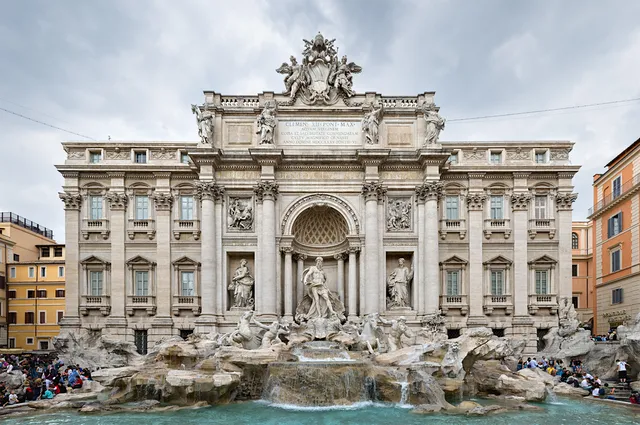
Plan and listen to Basilica Argentaria with Audiala.
Audio guide in your pocket, itinerary in your browser. Built for the way you actually visit.
Introduction
Tucked away near Rome’s Imperial Forums, the Basilica Argentaria is a captivating yet often overlooked testament to the city’s ancient past. Originally constructed under Emperor Trajan in the early 2nd century CE, this site reflects Rome’s dynamic urban evolution—shifting from an economic hub for moneychangers (argentarii) to an educational venue evidenced by ancient student graffiti. Today, its evocative ruins invite visitors to explore both Rome’s architectural ingenuity and the everyday life of its citizens. This comprehensive guide provides all essential details, from historical context and architectural highlights to current visiting hours, ticketing, and practical tips, ensuring a rich and enriching experience for every traveler (Sovrintendenza Capitolina; trek.zone).
The Basilica Argentaria was built during a period of significant urban renewal in Rome, specifically under Emperor Trajan (98–117 CE). The removal of the ridge connecting the Capitoline and Quirinal Hills for the creation of Trajan’s Forum led to the construction of this basilica in the area flanking the Forum of Caesar, wedged between the Temple of Venus Genetrix and the Clivo Argentario (Sovrintendenza Capitolina; Wikiwand). The earliest references to the term "Argentaria" appear in late antique sources from the age of Constantine, highlighting its association with the argentarii (bankers or moneychangers).

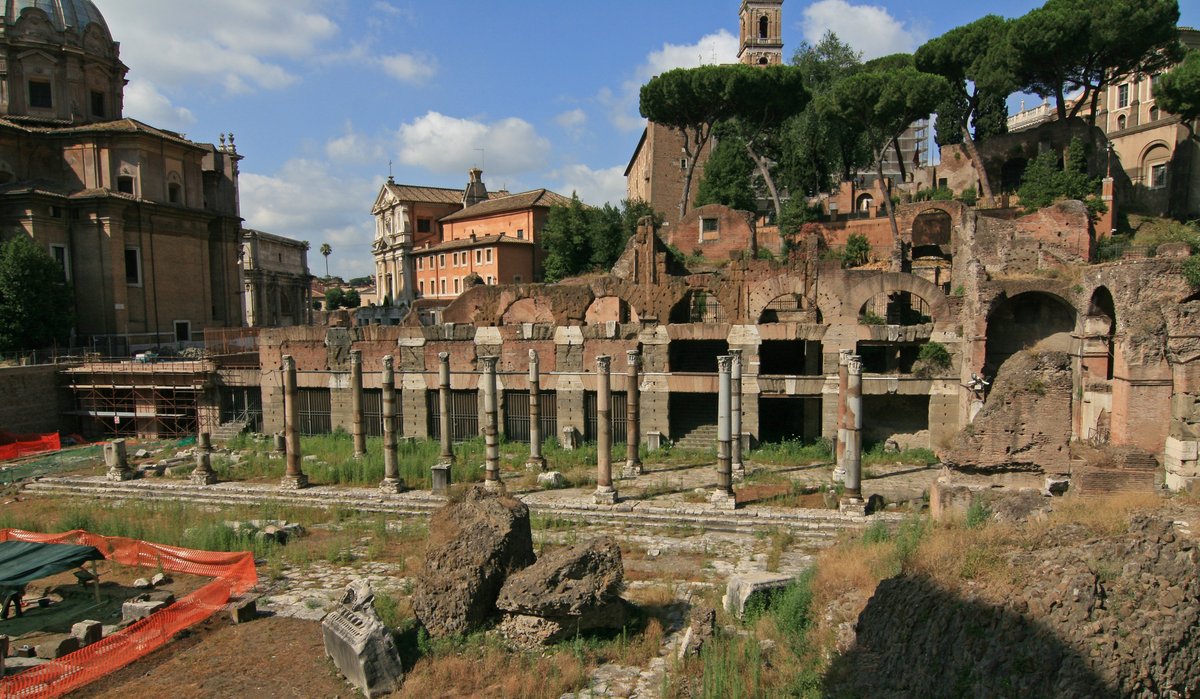
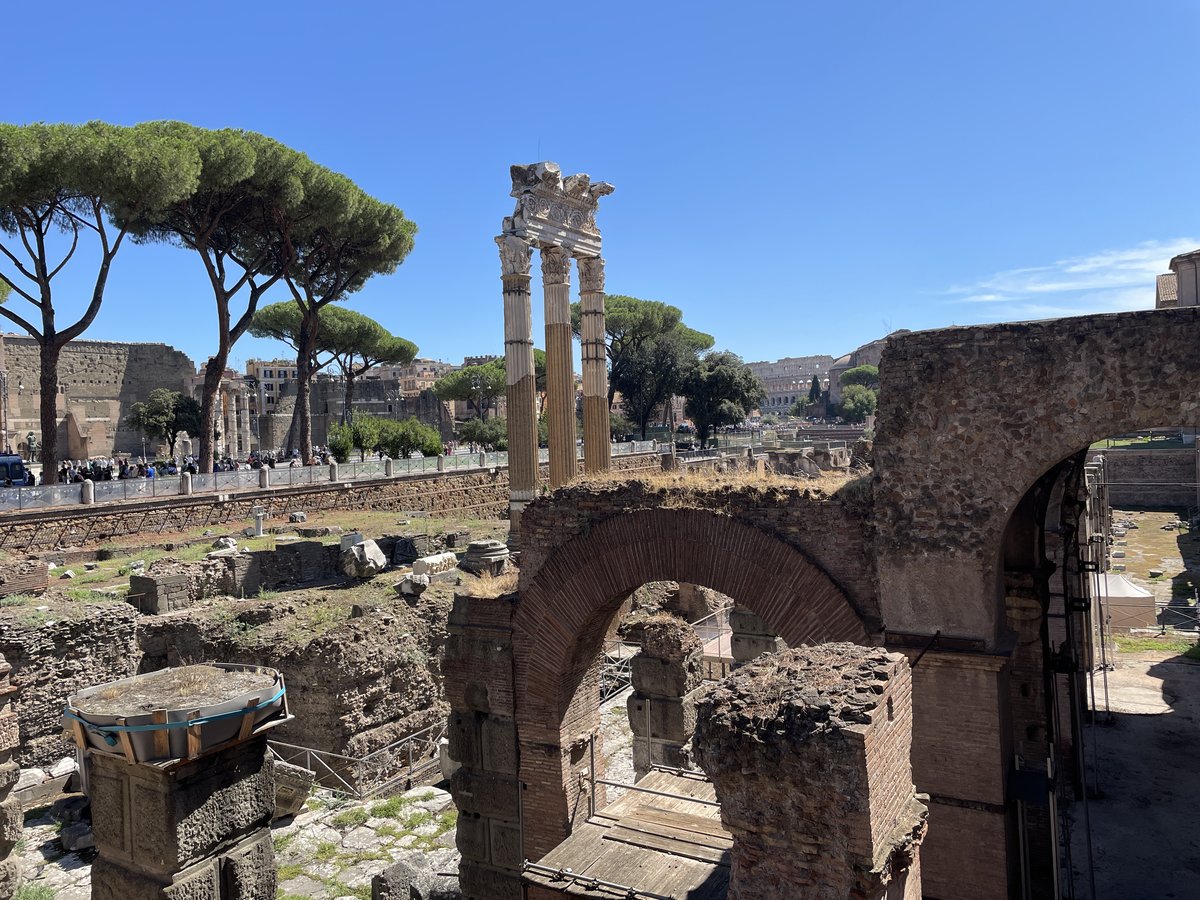
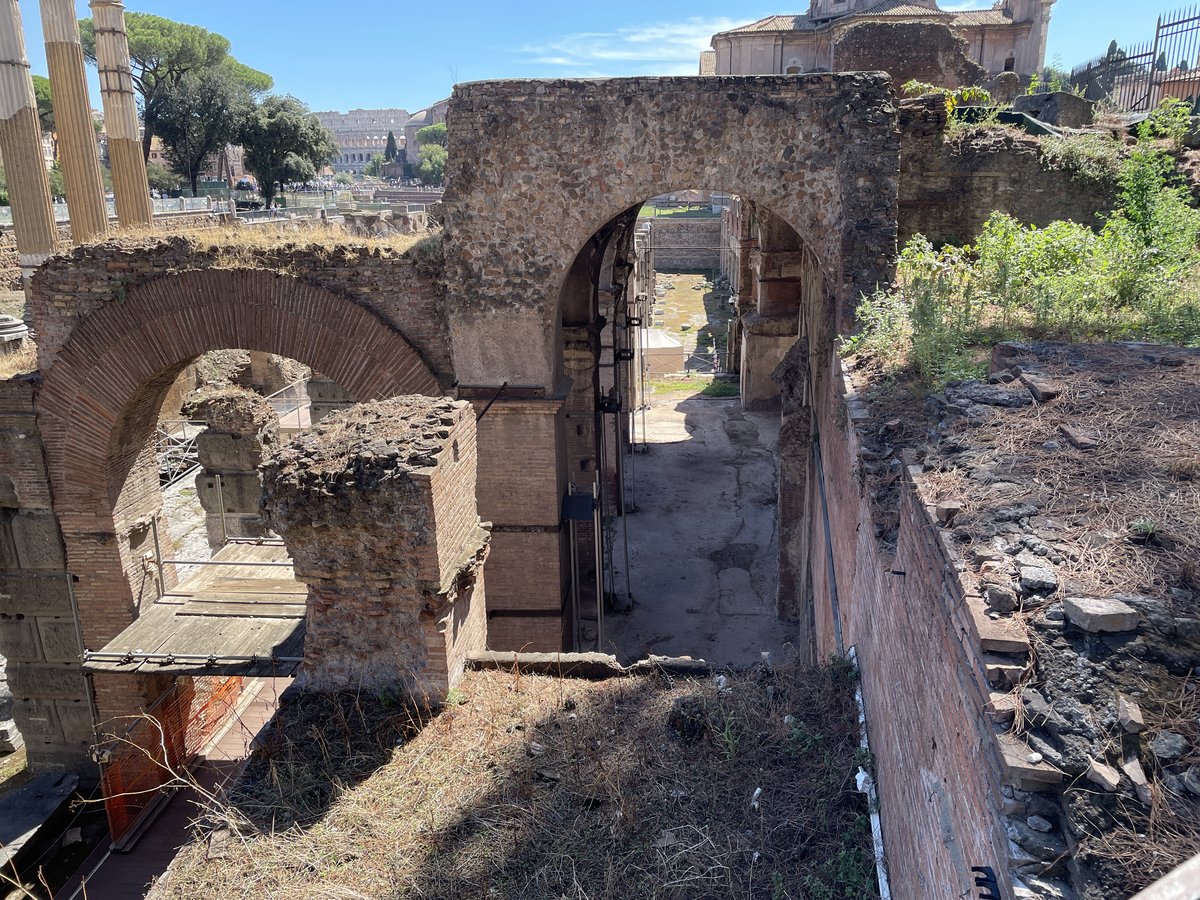
Architectural Features and Site Layout
Unlike the grand, free-standing basilicas of Rome, the Basilica Argentaria was a porticoed, irregularly shaped structure, its design dictated by the limited space left after Trajan’s urban transformations. The basilica features two rows of tuff pillars supporting vaulted naves, with remnants of barrel and groin vaults still visible today (Wikipedia; Fori Imperiali). The building wrapped around the rear of the Temple of Venus Genetrix and likely extended towards Trajan’s Forum, with its upper story embedded into the hillside—a vivid example of Roman adaptability in architecture (Turismo Roma).
Functions Over Time: Commerce and Education
Financial and Commercial Role
The basilica’s primary function was likely as a marketplace and financial center, serving as a regulated space for moneychangers and commercial transactions. Its location complemented the administrative and ceremonial activities of the adjacent forums, supporting the daily economic life of the city (Capitolium.org).
Educational Transformation
By late antiquity, the basilica’s role shifted to education. Graffiti on its walls—quotations from Virgil’s "Aeneid," Latin and Greek verses, and references to teachers—suggest its use as a grammar school. These inscriptions offer a rare, personal insight into Roman social life and the persistence of classical learning (Wikipedia).
Urban Context
The basilica’s integration into the forum complex, along with the addition of public amenities like latrines, reflects the Roman approach to multifunctional urban spaces. Its proximity to the Temple of Venus Genetrix underscores its symbolic and practical significance within the Imperial Fora (Turismo Roma).
Planning Your Visit: Hours, Tickets, and Accessibility
Visiting Hours
The Basilica Argentaria is part of the Imperial Forums archaeological circuit. Standard opening hours are 9:00 AM to 7:00 PM daily, with last entry one hour before closing. Seasonal variations and special events may affect hours—always confirm on the official site.
Tickets and Admission
Admission is included in the combined ticket for the Imperial Forums, Roman Forum, and Palatine Hill. Standard adult tickets cost €16, with discounts for EU citizens aged 18–25 and free entry for children under 18. Sightseeing passes such as the Roma Pass often include access and can offer savings, especially during high-traffic periods like the Jubilee year.
Accessibility
Efforts have been made to improve accessibility throughout the Imperial Forums, including the Basilica Argentaria, but some uneven terrain and ancient steps remain. Wheelchair users and those with mobility challenges should review the official accessibility guide or contact staff for assistance and accessible routes.
Guided Tours and Virtual Experiences
Guided tours in multiple languages are available and provide expert context for the basilica’s history and significance. Virtual tours and interactive maps are also accessible online for remote exploration.
Getting There and Nearby Attractions
- Metro: Closest stop is Colosseo (Line B), approximately 10 minutes on foot.
- Bus: Multiple lines (51, 75, 85, 87, 118) serve Via dei Fori Imperiali and Via Cavour (Rome Metro and Bus Guide).
- On Foot: A short walk from the Colosseum, Piazza Venezia, and Capitoline Hill.
Nearby sites for combined visits include the Forum of Augustus, Roman Forum, Palatine Hill, Capitoline Museums (Capitoline Museums), and the Monti district.
Visitor Experience: Interpretation and Facilities
Interpretive panels in Italian and English provide background on the basilica’s history and function. Audio guides and printed materials may be available. Restrooms are accessible at main entrances; cafés and shops are nearby along Via dei Fori Imperiali and in the Monti district.
Facilities and Conduct:
- Security checks are standard; large bags are not permitted.
- Respect the ruins: touching, climbing, or defacing ancient structures is strictly prohibited.
- Remain on marked paths for safety and preservation.
Travel Tips and Recommendations
- Best Times: Visit early morning or late afternoon to avoid crowds and heat, particularly during the April–October high season or Jubilee year (Jubilee 2025 Visitor Guide).
- Attire: Wear comfortable shoes for uneven surfaces and bring sun protection.
- Water: Bring a refillable bottle; Rome’s public fountains (nasoni) provide free potable water (Rome Water Fountains).
- Booking: Advance booking is highly recommended, especially during peak periods (CoopCulture).
- Photography: Personal photos are allowed; tripods may require special permission.
Frequently Asked Questions (FAQ)
Q: Where do I buy Basilica Argentaria tickets?
A: Online via CoopCulture, at ticket offices, or with sightseeing passes like the Roma Pass.
Q: What are the current visiting hours?
A: Generally 9:00 AM–7:00 PM daily, last entry one hour before closing. Always check the official site for updates.
Q: Is the site accessible for visitors with disabilities?
A: Partially, but some ancient terrain is challenging. Contact staff or consult the accessibility guide for assistance.
Q: Are guided tours available?
A: Yes, in multiple languages—book online or with local operators.
Q: Can I take photographs?
A: Yes, for personal use. Tripods may require advance permission.
Listen to the full story in the app
The whole Basilica Argentaria,
told well.
Audio guides for 1,100+ cities across 96 countries. History, stories, and local insight — offline ready.
Verified, and shown.
Researched and written by the Audiala editorial team from historical records, architectural archives, and local expertise.
Researched from Wikidata, Wikipedia & official sources · fact-checked · How we make our guides →