
Historical Background
Origins and Construction
The Viale Appio Claudio, located in Grottaferrata, Italy, traces its origins back to the Roman era. The construction of the Appian Way, or Via Appia, began in 312 BCE under the direction of Appius Claudius Caecus, a Roman censor. This ancient road was designed to facilitate the movement of military troops, trade, and communication across the Roman Republic. The name 'Appia' is derived from Appius Claudius, and a modern translation of Via Appia would be 'Appius' Road' (Romewise).
The Claudio Aqueduct
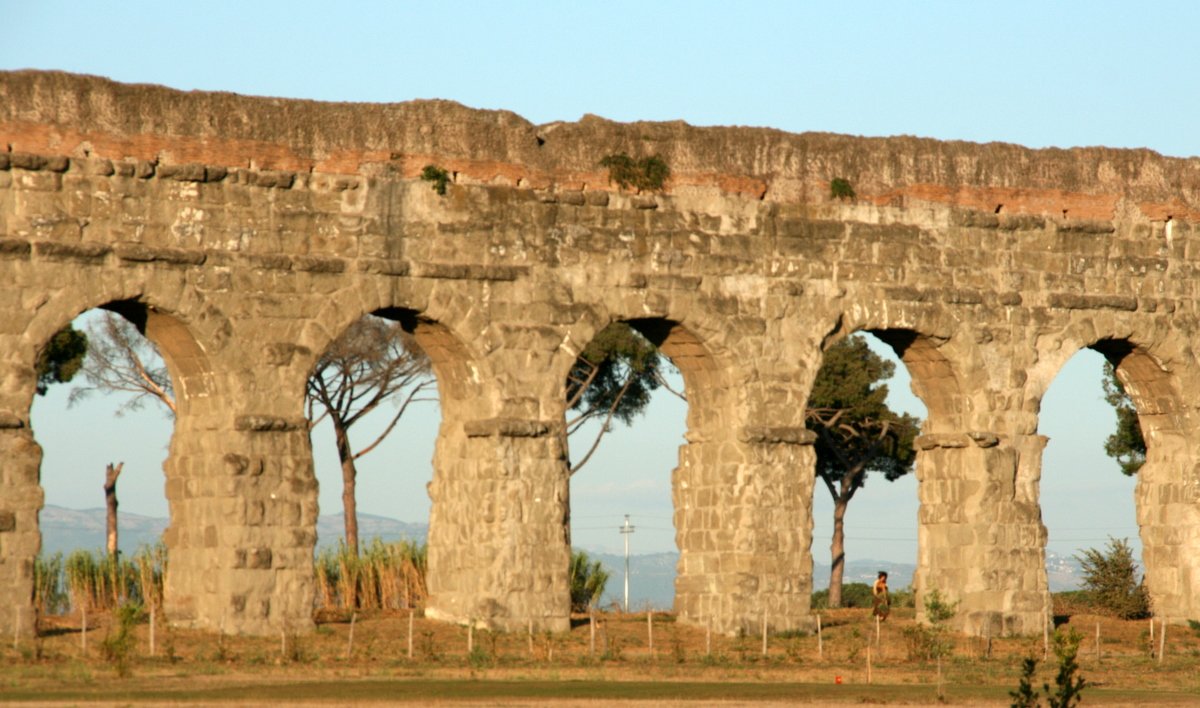
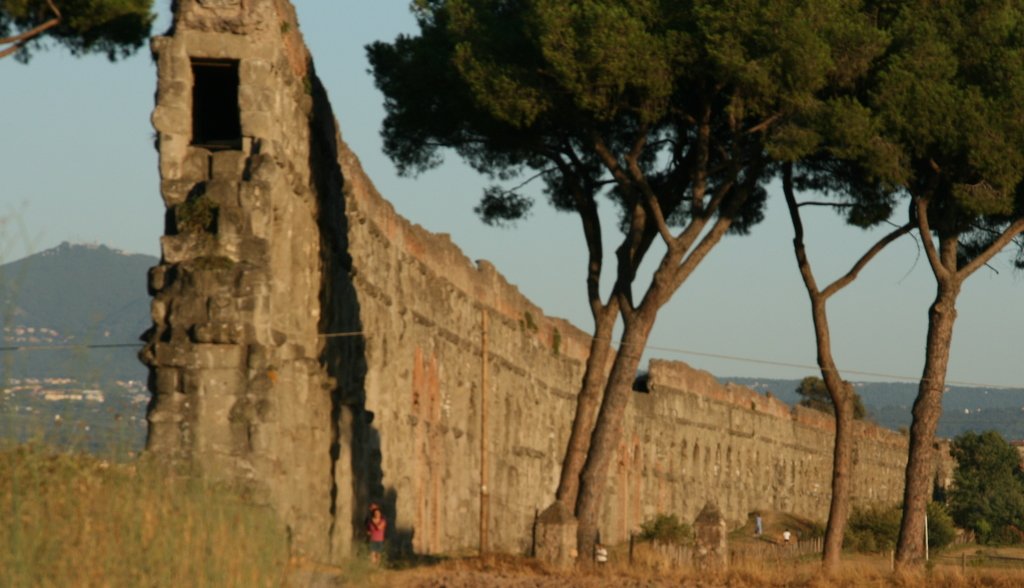
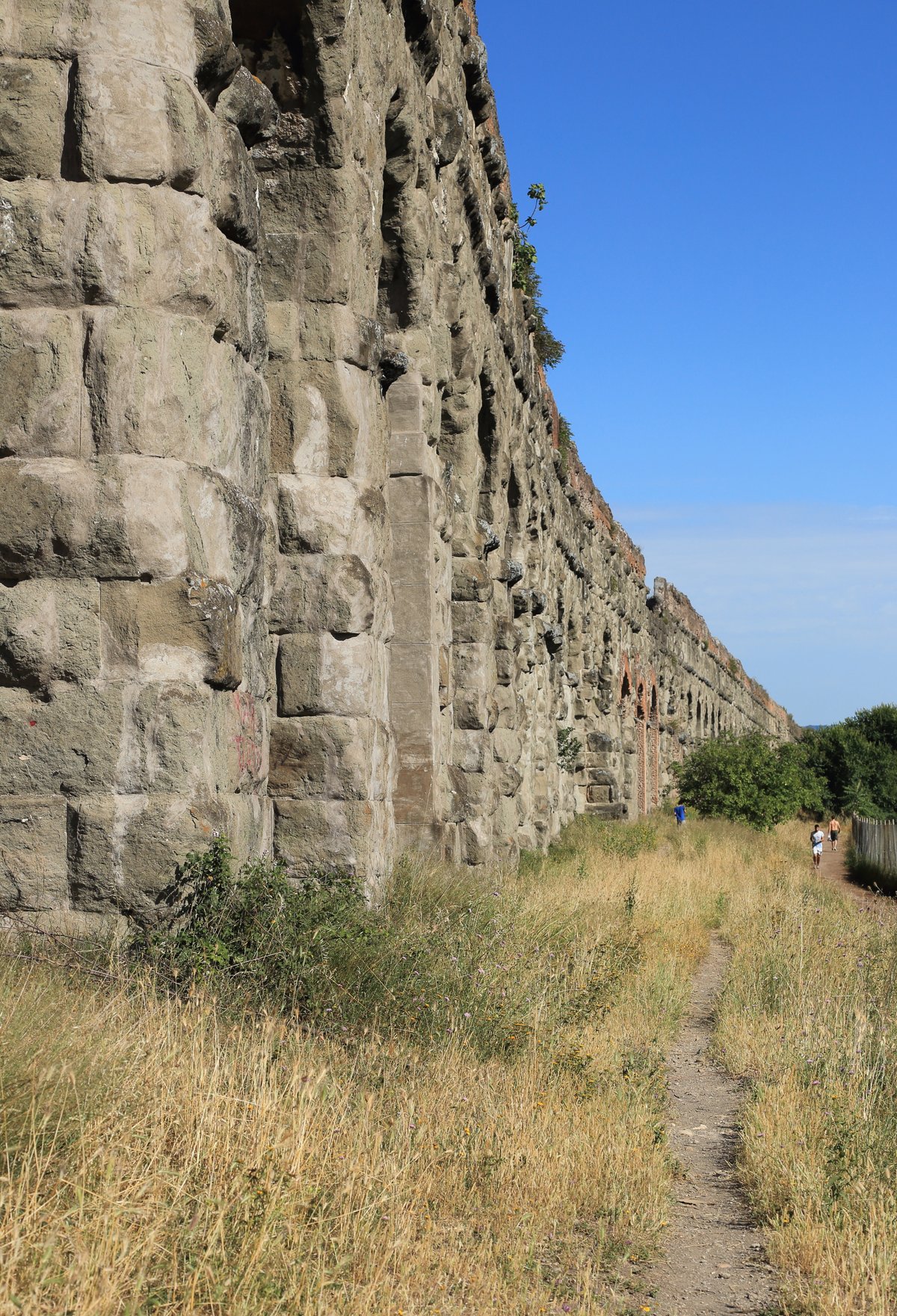
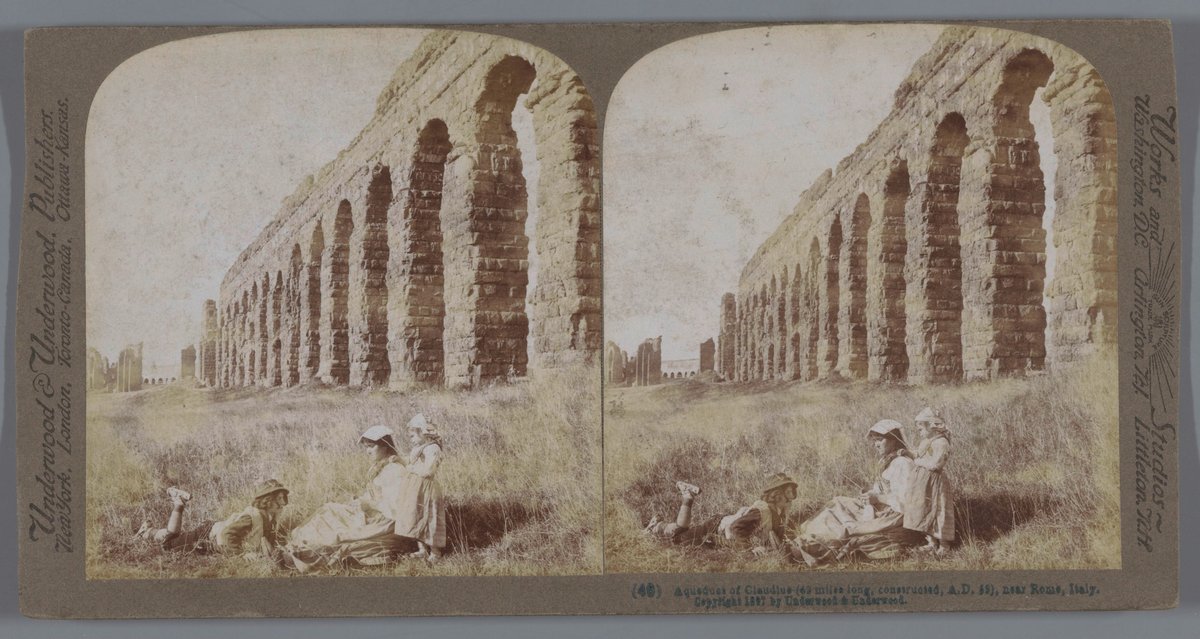
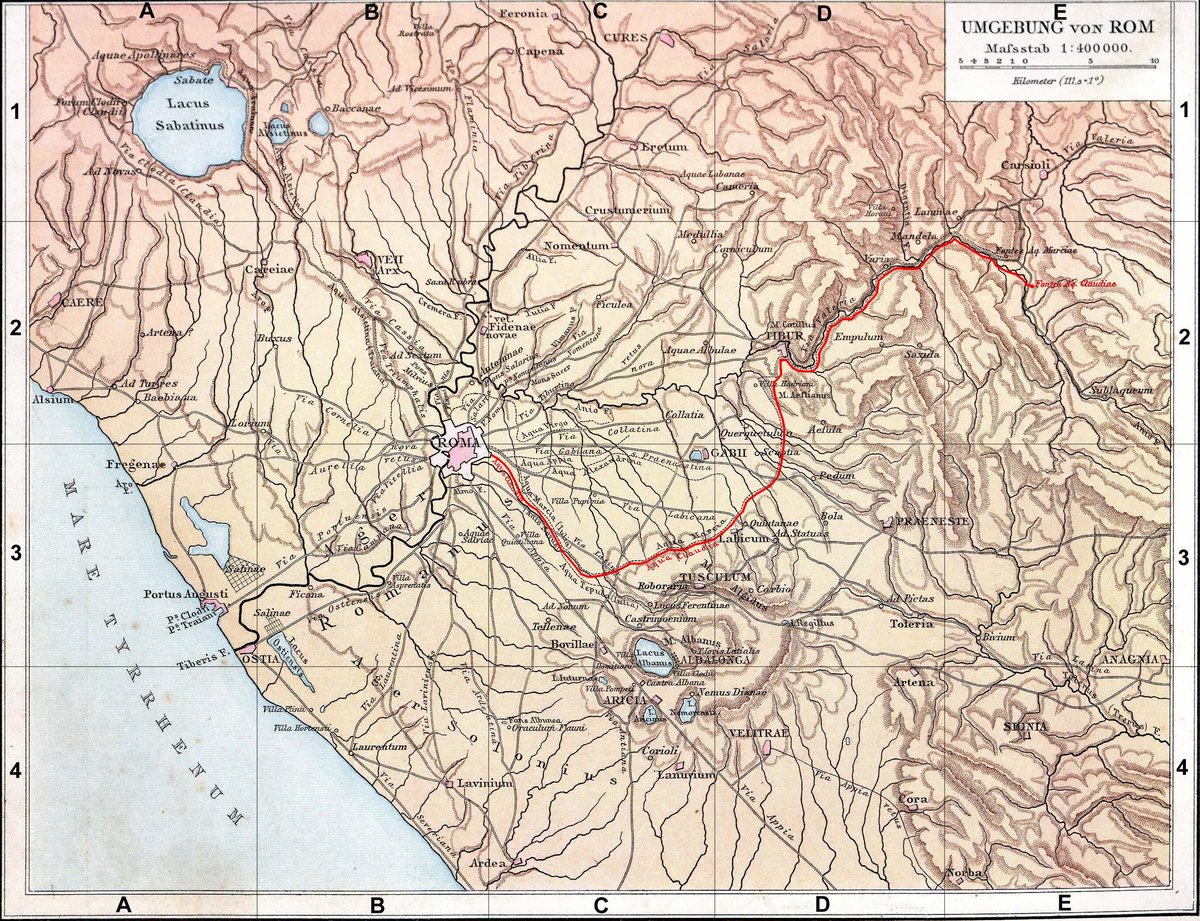
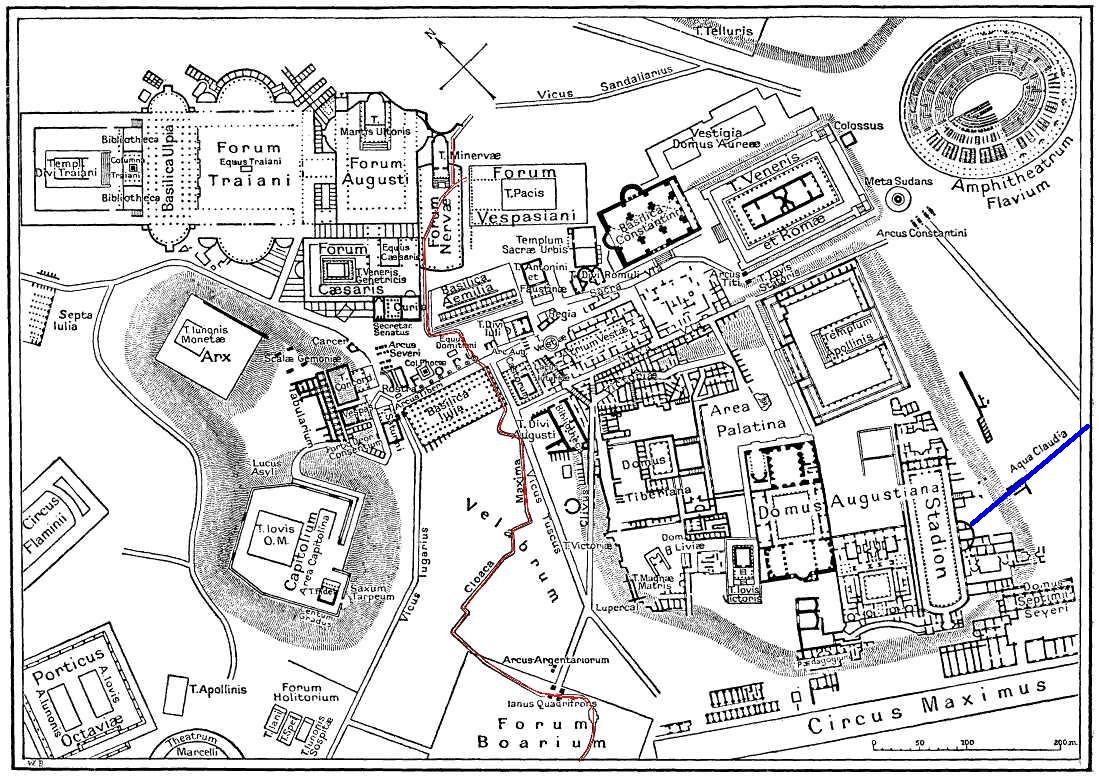
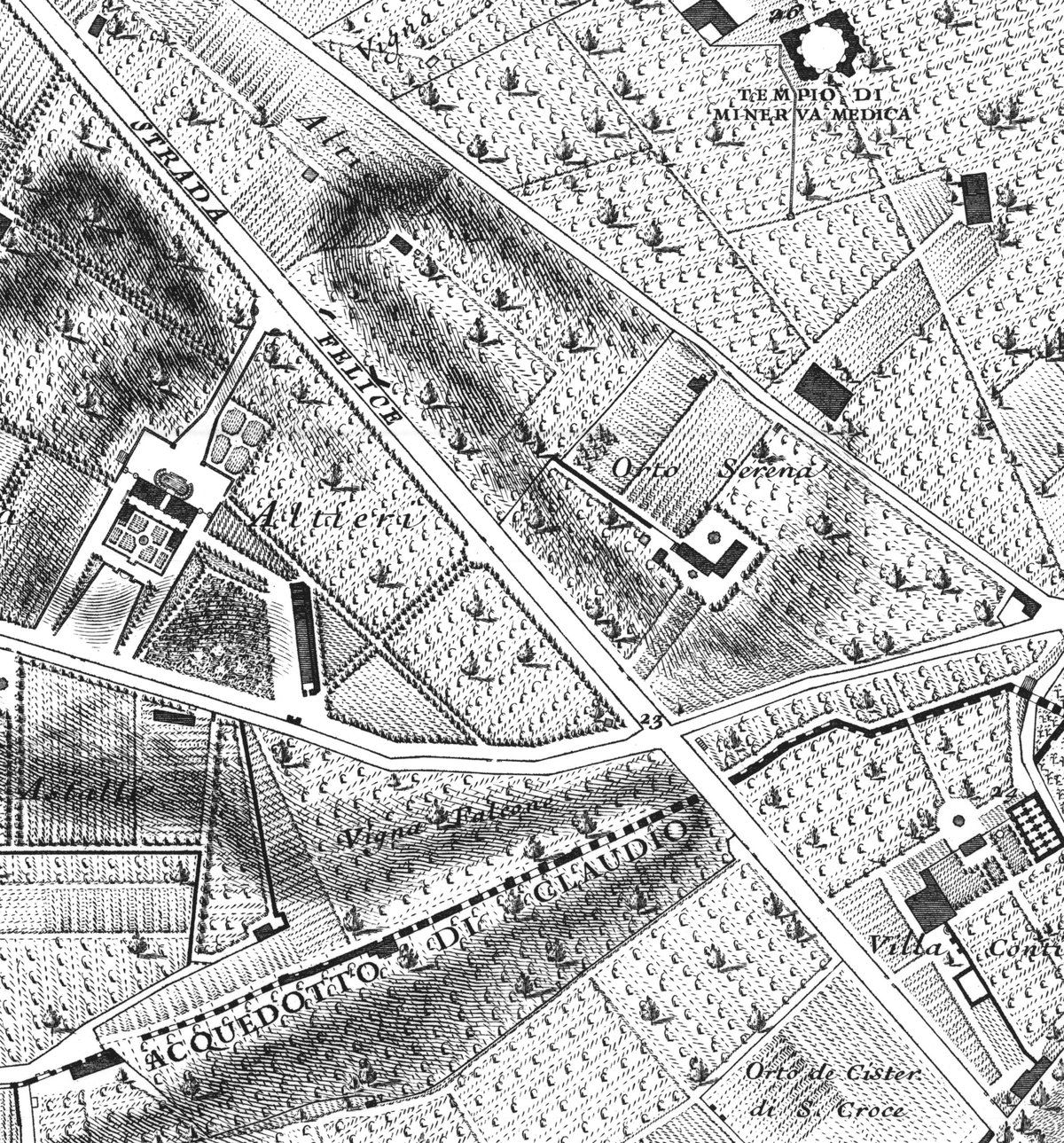
One of the most remarkable engineering feats associated with the Viale Appio Claudio is the Claudio Aqueduct, also known as Acquedotto Claudio. This aqueduct was initiated during the reign of Emperor Caligula in 38 AD and completed under Emperor Claudius in 52 AD. The Claudio Aqueduct was one of the four great aqueducts of Rome, designed to transport water from the mountains to the city. It was a critical infrastructure project that showcased the advanced engineering skills of the Romans (History Hit).
The Mausoleum and Circus of Maxentius
The Viale Appio Claudio is also home to significant monuments from the Roman Empire, including the Mausoleum and Circus of Maxentius. These structures were built in honor of Emperor Maxentius. The mausoleum, a large circular tomb, was initially intended for Maxentius but ultimately became the resting place of his son, Romulus. The circus, a large stadium and entertainment venue, was part of the emperor's villa and estate (Romewise).
Tomb of Cecilia Metella
Another notable monument along the Viale Appio Claudio is the Tomb of Cecilia Metella. This imposing tomb was constructed around 20 BCE to house the remains of Cecilia Metella, the daughter-in-law of Marcus Crassus, one of Rome's wealthiest men. The tomb later became a fortress in the Middle Ages and is now a well-preserved historical site that visitors can explore with an Appia Antica Archaeological Park ticket (Romewise).
Villa of the Quintilli
The Villa of the Quintilli, built by the Quintilli brothers in the second century CE, is another significant site along the Viale Appio Claudio. This sprawling estate includes remnants of the main residences, private baths, a hippodrome, and a theater. Emperor Commodus took over the villa in 182 CE, putting the original owners to death for resisting his requisition (Romewise).
The Park of the Aqueducts
The Park of the Aqueducts, located along Viale Appio Claudio, is a natural area that showcases the remnants of several ancient Roman aqueducts, including the Aqua Claudia and Anio Novus. Visitors can explore the park and see how these aqueducts transported water from the mountains to Rome. The park is accessible from the Giulio Agricola metro station and offers a unique glimpse into Rome's engineering prowess (Docslib).
Archaeological Area at the Museum of Lucrezia Romana
The Museum of Lucrezia Romana, located near Viale Appio Claudio, features an archaeological area that includes remnants of the Aqua Claudia and Anio Novus aqueducts. The museum provides insights into the history and significance of these aqueducts and their role in ancient Rome's water supply system. Visitors can reach the museum from the Giulio Agricola metro station (Docslib).
The Appian Way and Its Significance
The Appian Way, often referred to as the 'queen of roads,' was ancient Rome's original superhighway. It stretched approximately 450 kilometers (280 miles) from Rome to Brindisi in southern Italy. The first 10 kilometers (6 miles) of the road lie within the Parco Regionale dell'Appia Antica, a regional park dedicated to preserving this ancient route. The Appian Way was crucial for the movement of military troops, trade, and communication across the Roman Empire (Romewise).
The Capo di Bove Complex
The Capo di Bove Complex, located along the Viale Appio Claudio, is an archaeological site that includes the excavations of an ancient villa with a private bath complex and surrounding gardens. The site also features a small museum that provides information about the Appian Way and its historical significance. The complex is a serene and often uncrowded spot, offering visitors a peaceful exploration experience (Romewise).
Visitor Information
Visiting Hours and Tickets
Most historical sites along the Viale Appio Claudio, including the Appian Way and the Park of the Aqueducts, are open to visitors daily. It is recommended to check the official websites for the specific visiting hours and ticket prices of each site. The Appia Antica Archaeological Park ticket offers access to several key monuments.
Guided Tours and Special Events
Guided tours are available for many of the historical sites along the Viale Appio Claudio. These tours provide detailed information about the history and significance of each monument. Additionally, special events and historical reenactments are often held, providing a unique experience for visitors.
Photographic Spots
The Viale Appio Claudio offers numerous picturesque spots for photography. Key locations include the Mausoleum of Cecilia Metella, the Circus of Maxentius, and the Park of the Aqueducts. These sites provide stunning backdrops for capturing the essence of ancient Rome.
Visitor Tips
Visitors to the Viale Appio Claudio should be aware of the lack of pedestrian pavements along certain stretches of the road. It is essential to stick to signposted paths to avoid damage or disturbance to private farmland. The area is accessible via public transportation, with several metro and bus lines providing convenient access to the various historical sites and monuments (Docslib).
FAQ
What are the Viale Appio Claudio visiting hours? Most sites are open daily, but it is recommended to check the official websites for exact hours.
How much are the Viale Appio Claudio tickets? Ticket prices vary by site, but the Appia Antica Archaeological Park ticket offers access to multiple key monuments.
How can I get to Viale Appio Claudio? The area is accessible via public transportation, with several metro and bus lines providing convenient access.