Rome
location_on 12 attractions
calendar_month Spring (April-May) or Fall (Sept-Oct)
schedule 4-7 days

Introduction

The first time you hear your own footsteps echo off the Colosseum's inner walls at 7:30 a.m., something shifts. Rome doesn't greet you with postcard perfection. It hits you with 2,000 years of layered contradictions: baroque fountains splashing where gladiators once died, the smell of guanciale frying three streets from the Vatican, and locals arguing about carbonara technique within sight of the Pantheon.

This is a city that refuses to be a museum. The same cobblestones that once carried triumphal processions now bear morning deliveries of fresh artichokes to the Jewish Ghetto. Romans live inside the history rather than around it. They argue politics in the bars of Monti, buy their fifth-quarter cuts in Testaccio, and meet for aperitivo as the evening light turns the ochre buildings of Trastevere the color of burnt honey.

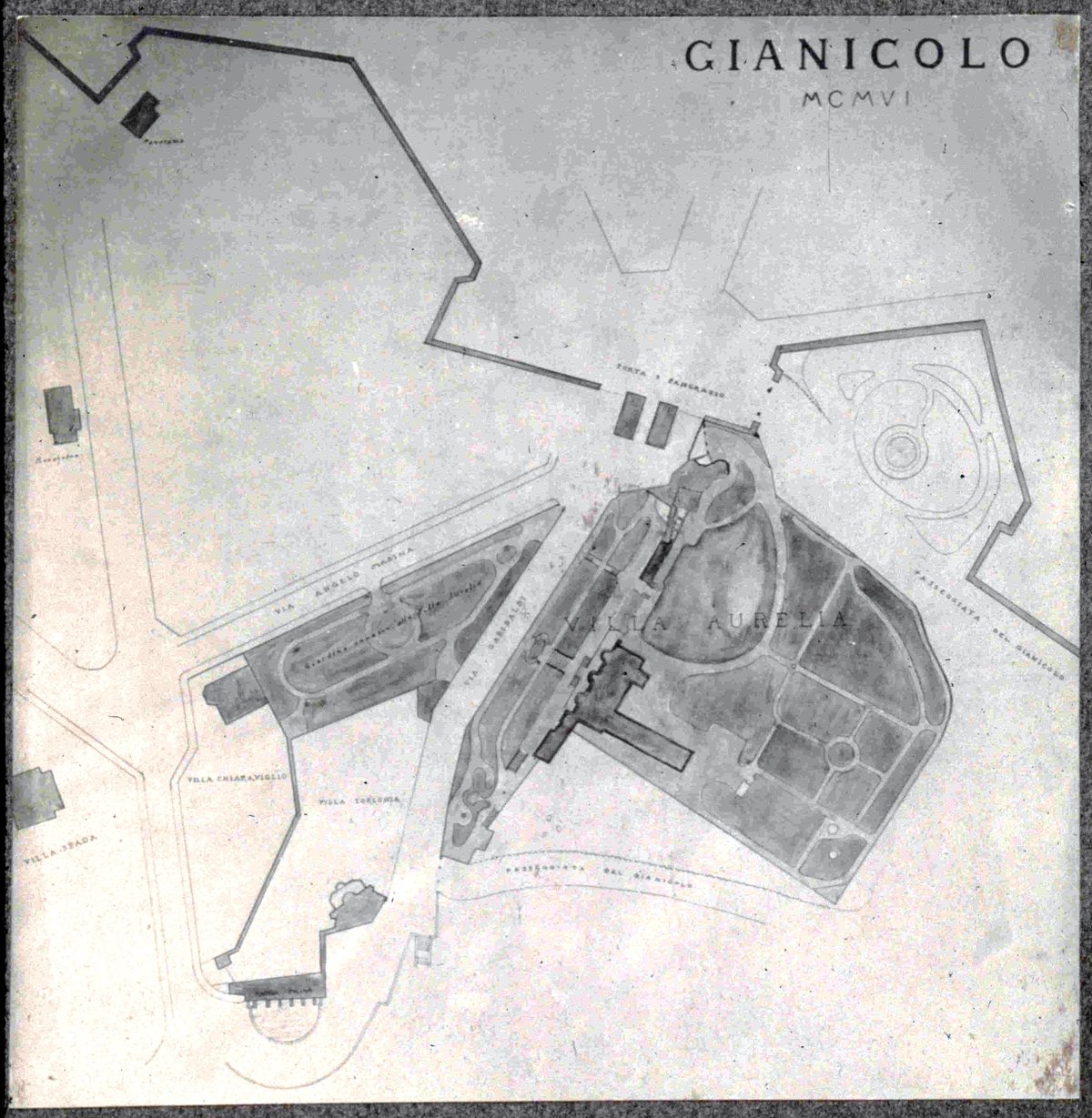
What stays with you isn't any single sight. It's the realization that you're walking through a place where every era is still arguing with every other era. The Pantheon’s unreinforced concrete dome from 118 AD still holds the record. The Knights of Malta keyhole on Aventine Hill still frames St. Peter’s dome perfectly through a keyhole. And every evening at noon, they still fire the cannon on Gianicolo Hill, a tradition unbroken since 1847.

Come for the ruins if you must. Stay because the city keeps revealing its secrets to those patient enough to sit still.

Places to Visit

The Most Interesting Places in Rome

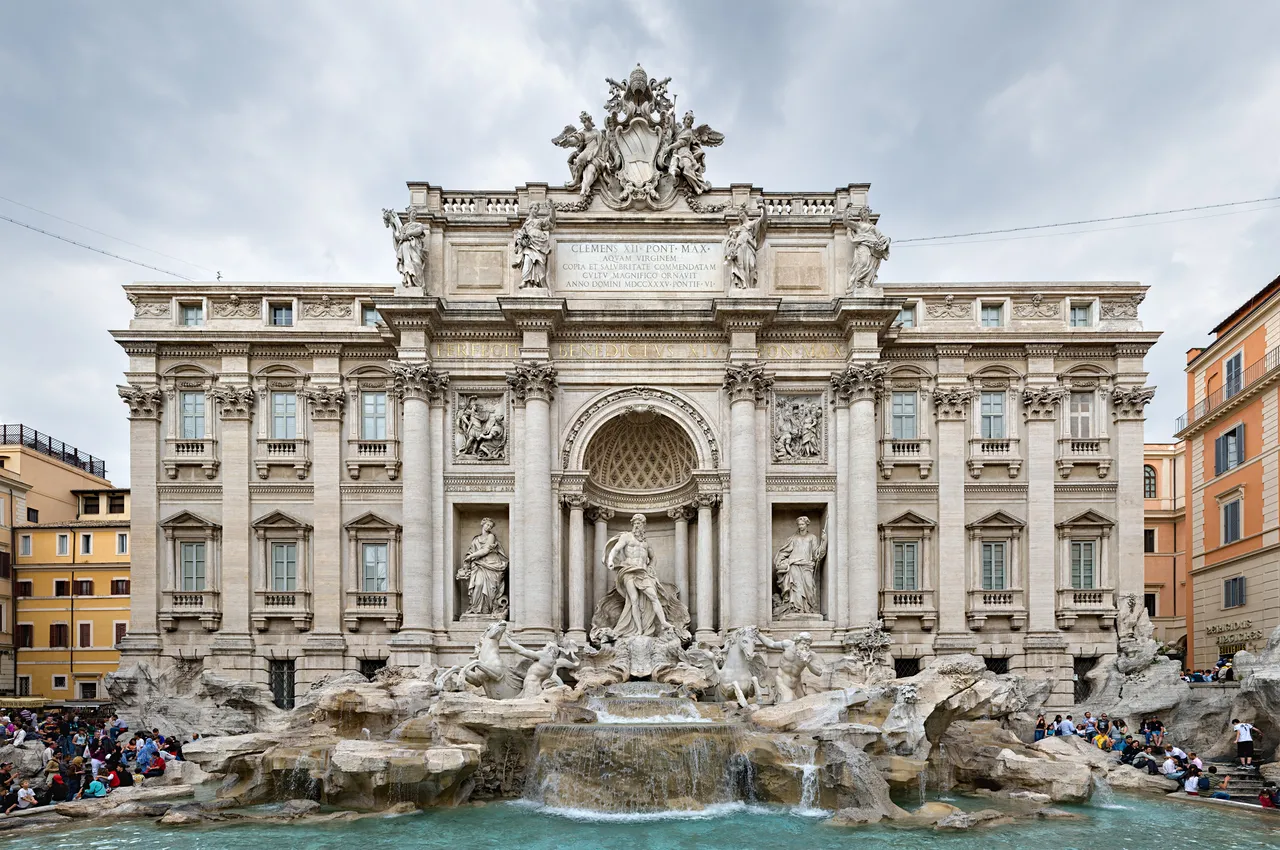
Trevi Fountain

Trevi Fountain

The Trevi Fountain, or Fontana di Trevi, stands as one of the most iconic and breathtaking landmarks in Rome, Italy.

Colosseum

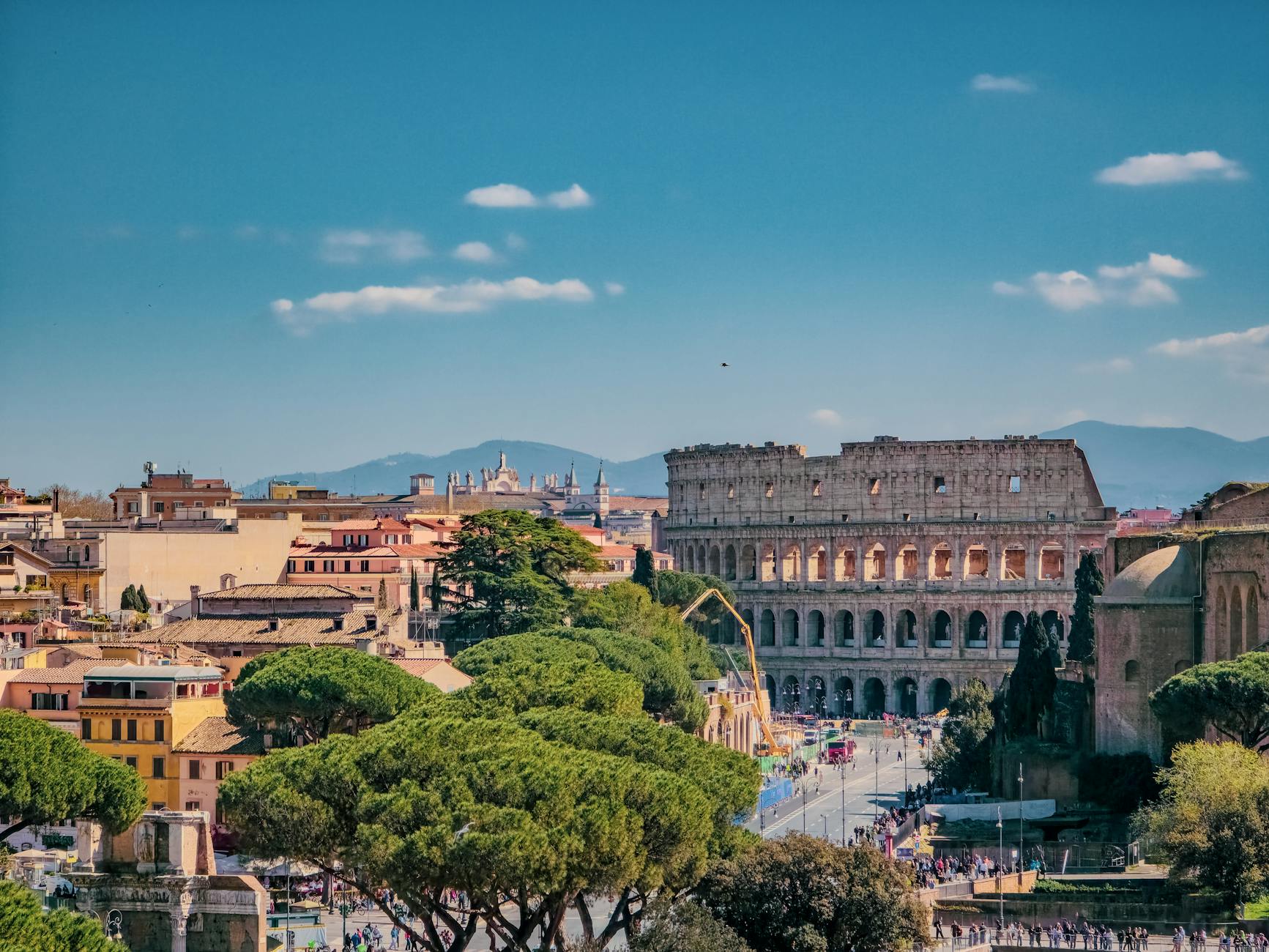
Colosseum

Built by enslaved Jewish captives in 70 AD, the Colosseum's underground 'hypogeum' was a feat of stage machinery — not a dungeon. Rome's most misunderstood monument.

Celio

Celio

Nestled among the legendary Seven Hills of Rome, the Celio district—also known as the Caelian Hill—is a captivating historic enclave that offers visitors an…

Roman Forum

Roman Forum

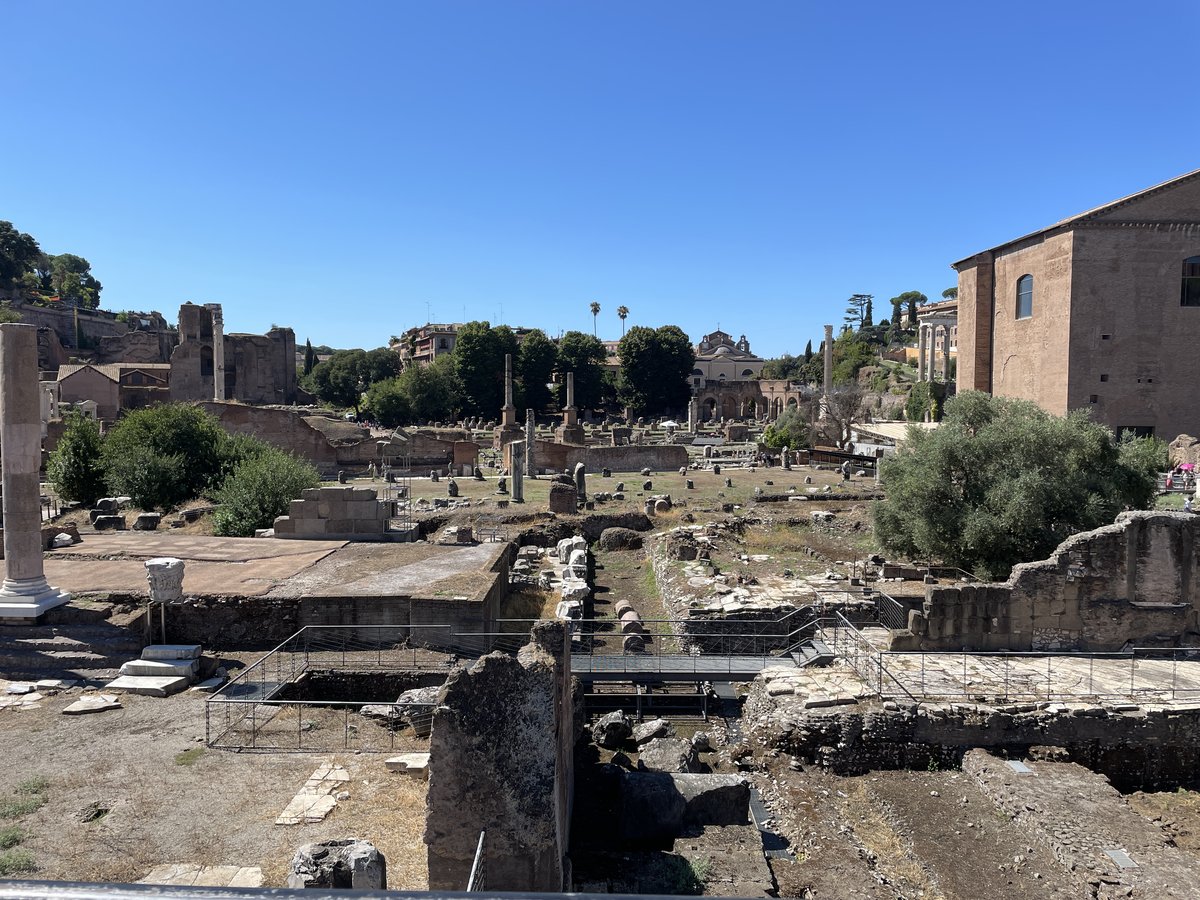
Welcome to Piazza del Foro, an iconic landmark situated in the heart of Rome, Italy.

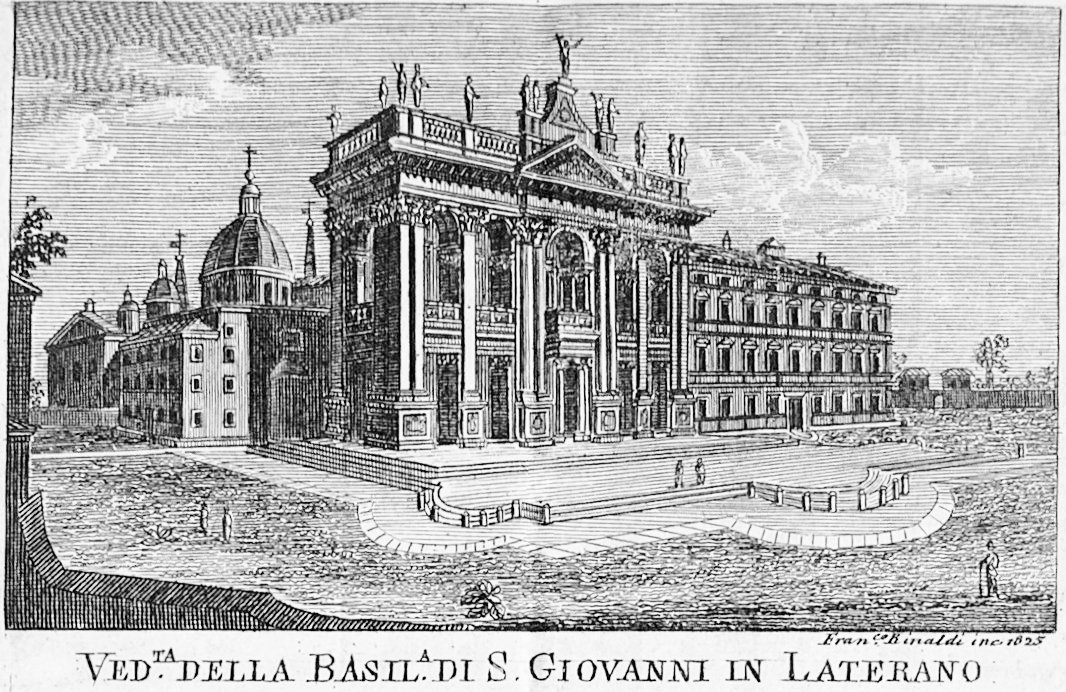
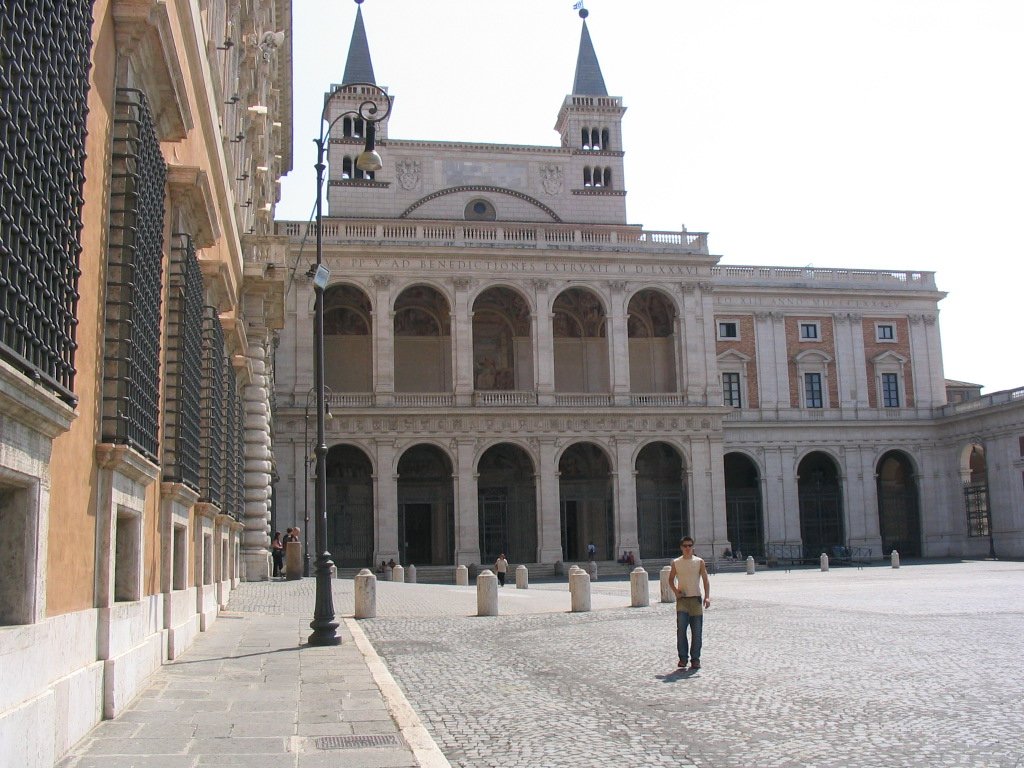
Archbasilica of St. John Lateran

Archbasilica of St. John Lateran

The Archbasilica of St.

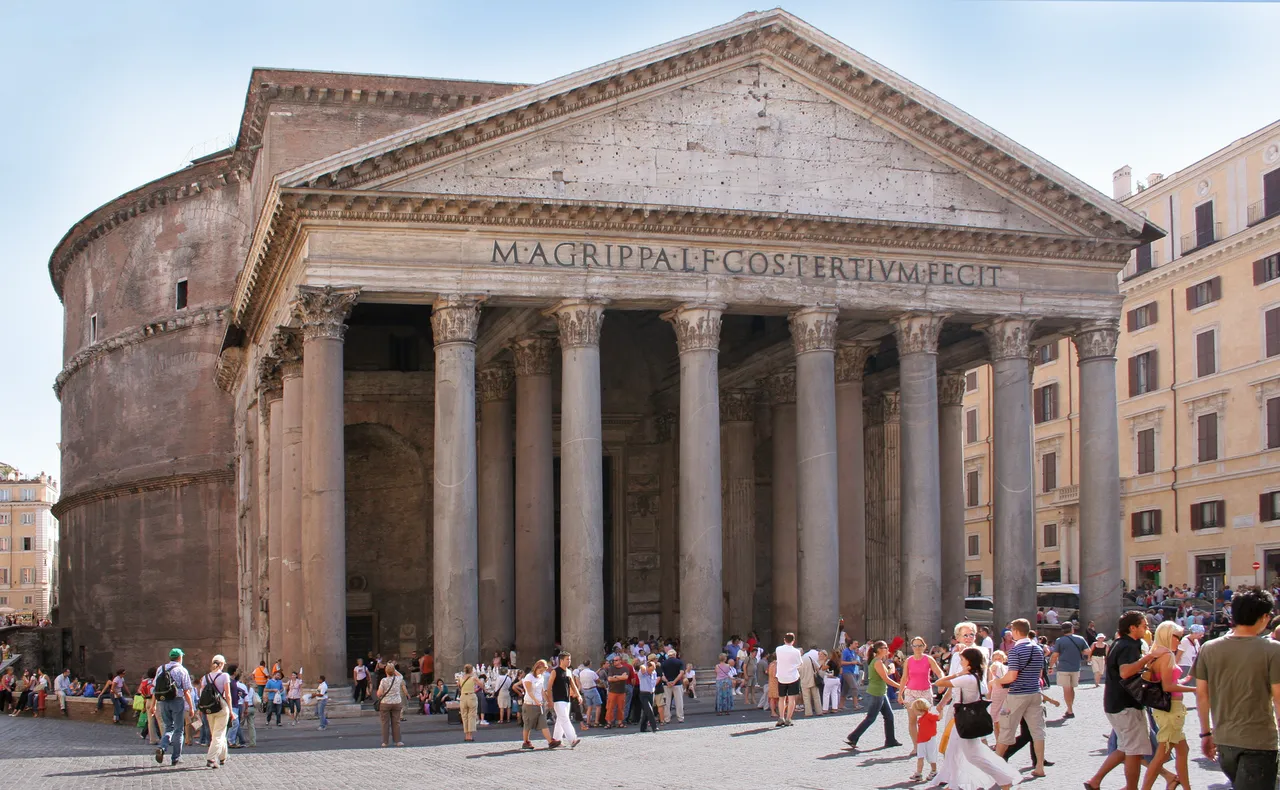
Pantheon

Pantheon

The Pantheon in Rome, Italy, stands as a monumental testament to the architectural brilliance and cultural grandeur of ancient Rome.

landscape

Saint Peter'S Square

Saint Peter’s Square (Piazza San Pietro), situated at the heart of Vatican City, stands as one of the most iconic and historically rich landmarks in Rome and…

Basilica Di Santa Maria Maggiore

Basilica Di Santa Maria Maggiore

The Basilica di Santa Maria Maggiore stands as one of Rome’s most iconic and historically rich religious landmarks, attracting millions of visitors each year.

landscape

Basilica of Saint Paul Outside the Walls

The Basilica of Saint Paul Outside the Walls stands as one of Rome’s most majestic and historically significant religious landmarks, deeply woven into the…

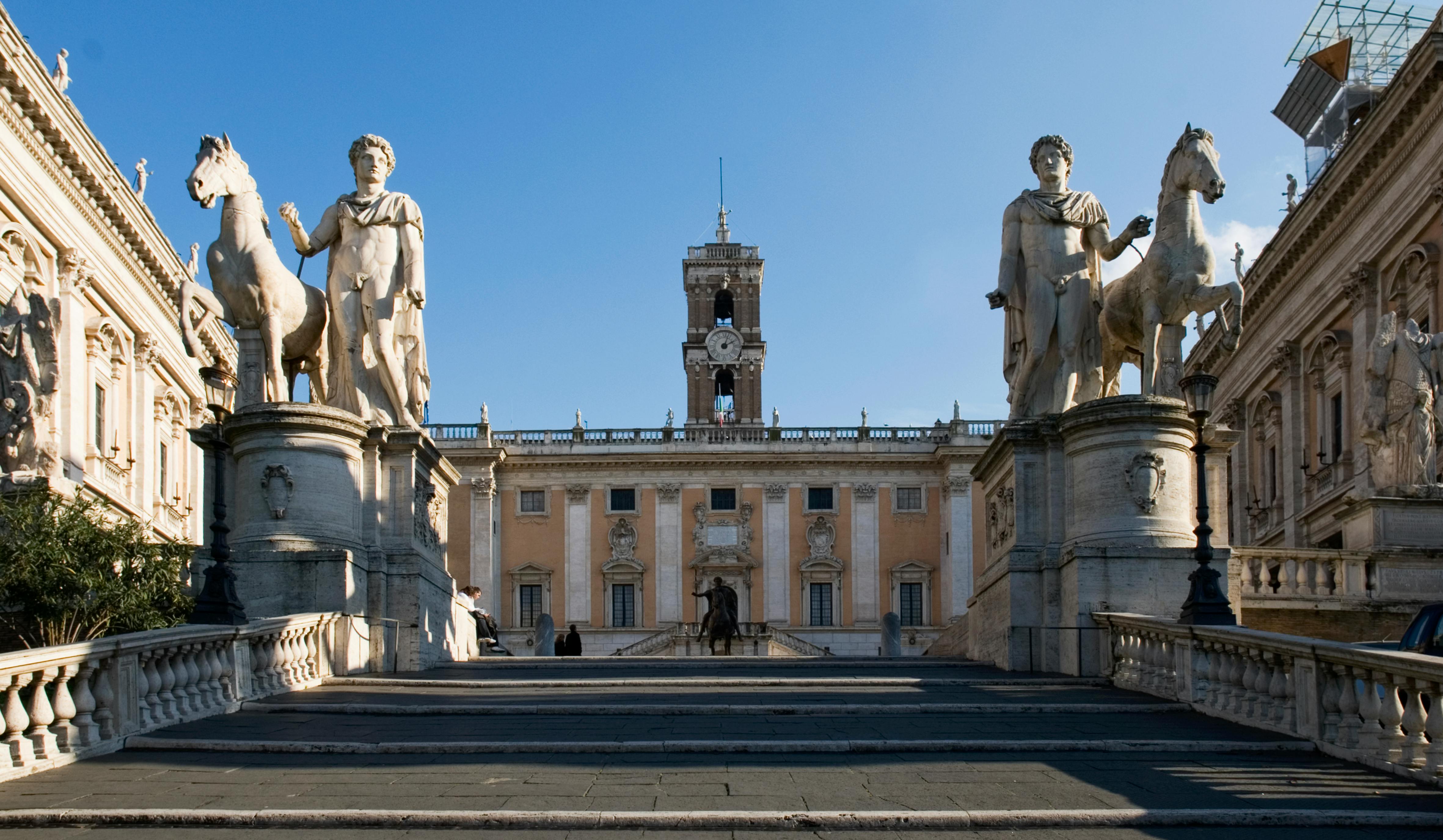
Capitoline Museums

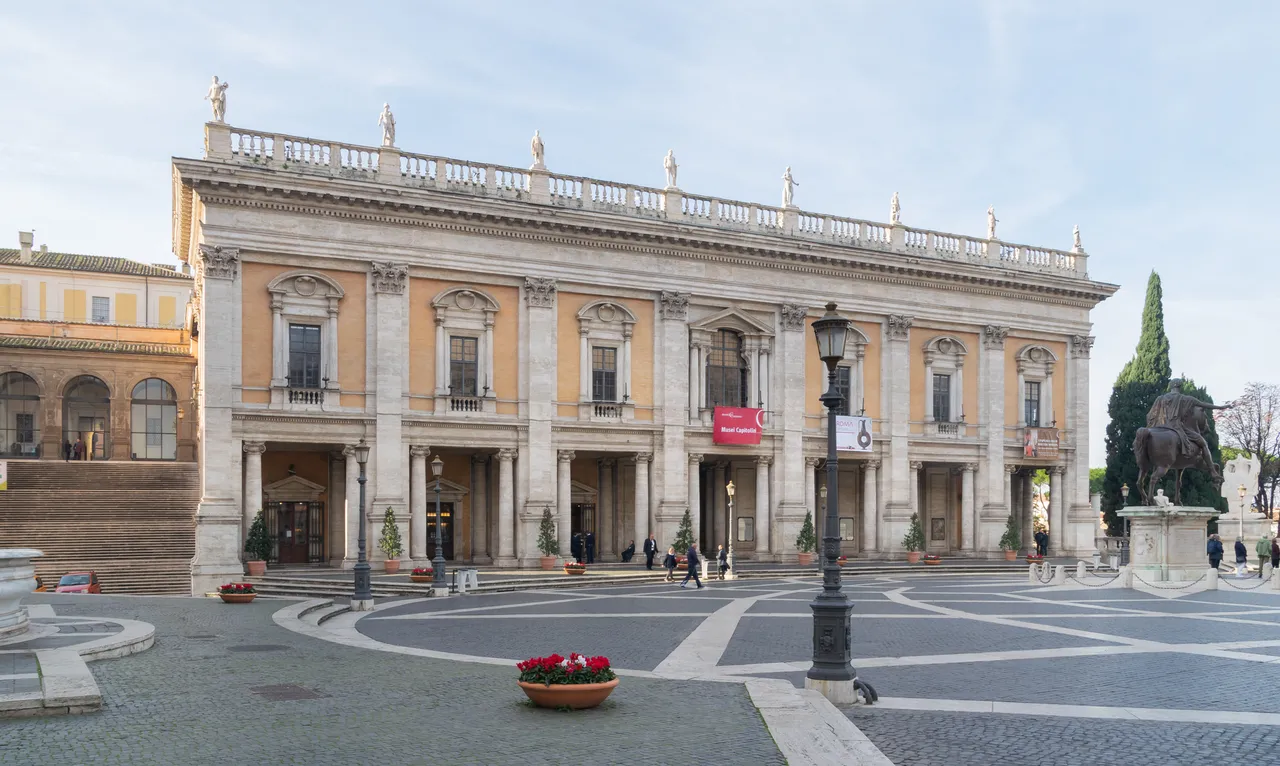
Capitoline Museums

Nestled atop the Capitoline Hill, one of Rome’s legendary seven hills, the Capitoline Museums represent a cornerstone of cultural heritage and museological…

Sistine Chapel

Sistine Chapel

A Japanese TV network partly funded the restoration and gained image rights — so photography is banned. Three fresco programs, one room, 500 years of power.

Quirinal Palace

Quirinal Palace

Nestled atop Rome’s highest hill, the Quirinal Palace (Palazzo del Quirinale) stands as a monumental symbol of Italy’s rich historical tapestry, political…

What Makes This City Special

Layered Rome

Stand in the Colosseum where 50,000 Romans once roared for blood in 80 AD, then walk 200 meters and order coffee in a piazza built on a 1st-century stadium. The city refuses to hide its past. Every street corner carries three civilizations at once.

Bernini’s Marble

At Galleria Borghese, Bernini’s Apollo and Daphne shows marble turning into bark and skin mid-flight. The stone feels alive. Book exactly two months ahead or you won’t get in. The effort is non-negotiable.

The Pantheon’s Oculus

A 43.3-metre unreinforced concrete dome from 118 AD still holds the record. Rain falls through the 9-metre hole and drains invisibly. Stand beneath it on a stormy afternoon. The building has outlived every empire that claimed it.

Secret Views

Peer through the Knights of Malta keyhole on Aventine Hill and see St. Peter’s dome perfectly framed by dark green hedges. Romans go to Gianicolo at sunset instead of the Spanish Steps. Both spots stay strangely quiet.

Historical Timeline

The City That Refused to Die

From wolf-suckled legend to eternal capital

castle
753 BCE

Romulus Founds Rome

According to tradition, Romulus killed his twin Remus on the Palatine Hill and declared the city his own. The story smells of later propaganda, yet archaeologists confirm Iron Age huts appeared on that exact ridge around this time. Within centuries the settlement swallowed its neighbors. Rome began as one more Latin village. It would never be satisfied with that fate.

gavel
509 BCE

Republic Replaces Kings

Tarquinius Superbus was driven out after his son raped a noblewoman. Two consuls took his place and the Senate tightened its grip. The Republic lasted almost five centuries. Its DNA still shapes every constitution written since. No single moment better explains why Romans always feared one-man rule.

local_fire_department
390 BCE

Gauls Sack the City

Brennus and his Senonian Gauls slaughtered the army at the River Allia then burned everything except the Capitoline. Romans paid 1,000 pounds of gold to make them leave. The humiliation never left the collective memory. Every later wall, every later legion, carried the echo of that smoke.

person
44 BCE

Caesar Assassinated

Twenty-three senators stabbed Julius Caesar in Pompey’s theatre on the Ides of March. Blood ran across the marble while the Senate screamed about liberty. The Republic died with him. What replaced it would wear republican clothes for another four centuries.

person
27 BCE

Augustus Becomes Emperor

Octavian accepted the title Augustus and claimed he had restored the Republic. In truth he created the Principate. He found a city of brick and left one of marble. The population hit one million. For the next two centuries Rome was the largest city the Western world had ever seen.

local_fire_department
64 CE

Nero’s Great Fire

Flames devoured ten of fourteen districts for six days. Nero probably did not start it, but he certainly used the cleared land for his Domus Aurea. Christians became convenient scapegoats and the first imperial persecution began. Peter and Paul are said to have died in its aftermath. The smell of charred timber lingered for years.

castle
80 CE

Colosseum Inaugurated

Vespasian began it on the site of Nero’s private lake. Titus finished and opened the Flavian Amphitheatre with 100 days of blood sports. Fifty thousand people watched gladiators and animals die on the same sand. The engineering still astonishes. Concrete and spectacle created an icon that refuses to be forgotten.

castle
c. 125 CE

Hadrian Rebuilds the Pantheon

The emperor replaced Agrippa’s temple with a building whose unreinforced concrete dome remains the largest ever cast until the 15th century. Light pours through a nine-metre oculus and moves across the coffered ceiling like a sundial. Hadrian left his architectural signature on the city he refused to expand.

church
312 CE

Constantine Wins at Milvian Bridge

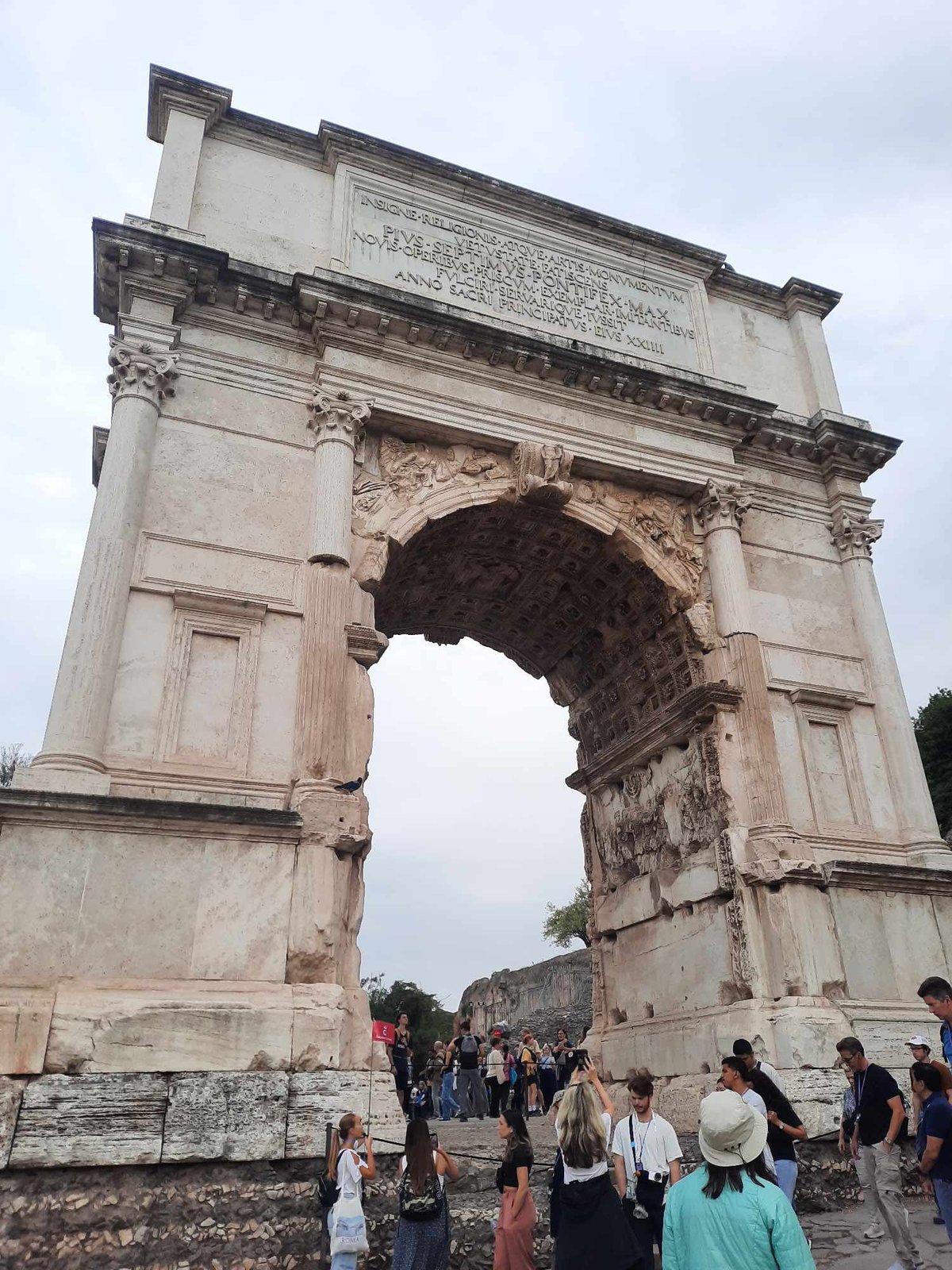
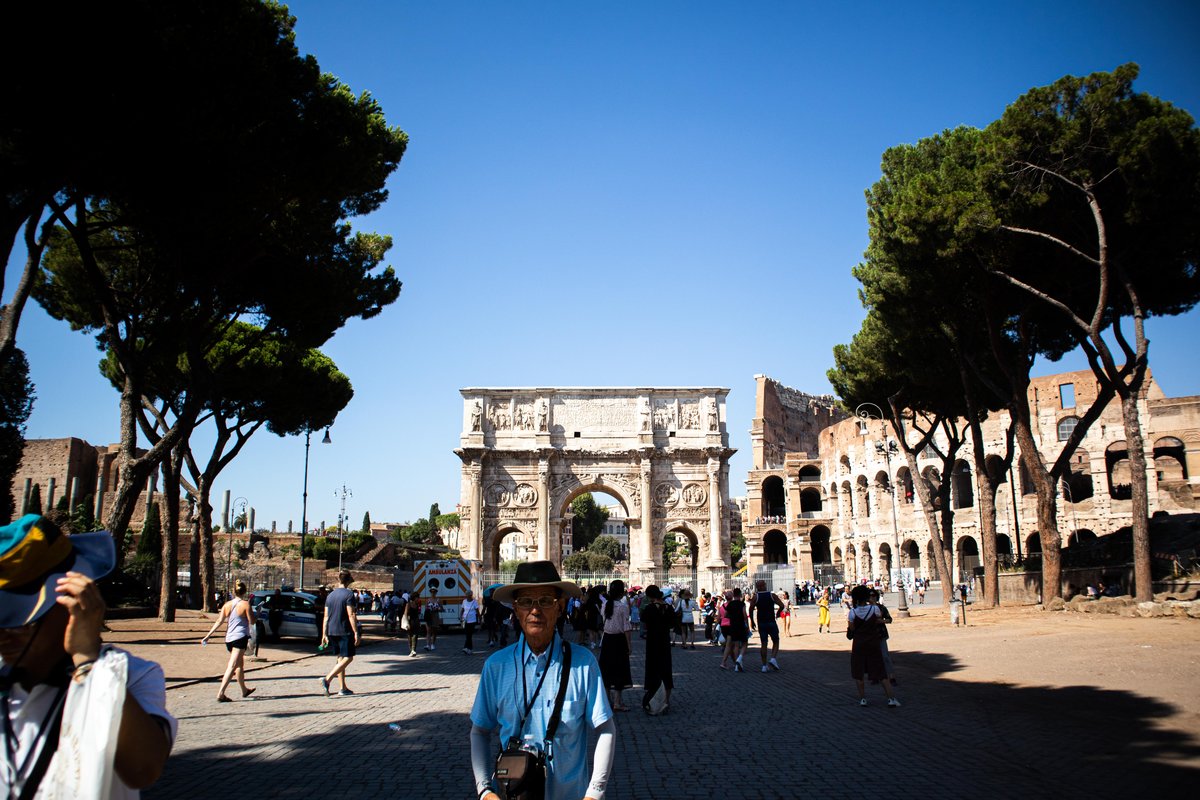
Before battle Constantine reportedly saw a cross in the sky with the words “in this sign conquer.” He won, legalized Christianity, and began shifting the empire’s center eastward. Rome slowly became a religious rather than political capital. The Arch built to celebrate him still stands, stripped of its original bronze.

swords
410 CE

Visigoths Sack Rome

Alaric’s army entered through the Salarian Gate after 800 years without foreign occupation. Three days of looting followed. The psychological wound ran deeper than the physical damage. Augustine wrote City of God to explain how a Christian empire could suffer so. Something fundamental had broken.

gavel
476 CE

Western Empire Ends

Odoacer deposed the boy-emperor Romulus Augustulus and sent the imperial regalia to Constantinople. No one bothered to appoint a replacement in the West. The date is convenient rather than precise, yet it still marks the conventional end of ancient Rome. The city itself kept breathing.

church
609 CE

Pantheon Becomes a Church

Pope Boniface IV consecrated the temple as Santa Maria ad Martyres. By turning a pagan building into a Christian one he saved its dome from spoliation. Raphael would later choose it as his burial place. The building has watched every subsequent chapter of the city under a single roof.

church
1305

Papacy Flees to Avignon

Clement V moved the papal court to France. Rome’s population collapsed toward 20,000. Cattle grazed among the ruins of the Forum. For seventy years the city that once ruled the known world became an afterthought. The emptiness left scars still visible in the medieval fabric.

church
1377

Papacy Returns from Avignon

Gregory XI brought the papacy home. The city began its long convalescence. Popes became builders again. What followed was one of history’s most spectacular urban makeovers, paid for by the indulgence money of half of Europe.

palette
1508

Michelangelo Paints the Sistine Ceiling

Lying on scaffolding for four years, he covered 500 square metres with 300 figures. The Creation of Adam remains one of the most reproduced images on earth. Julius II demanded it. Michelangelo never forgave him. The ceiling still crackles with tension between patron and artist.

swords
1527

Imperial Troops Sack Rome

Charles V’s unpaid army, mostly Lutheran landsknechts, stormed the city. Pope Clement VII escaped along the secret Passetto di Borgo to Castel Sant’Angelo. Between 12,000 and 45,000 died. The High Renaissance ended in rape and looting. Artists fled. The city took decades to recover.

church
1626

New St. Peter’s Consecrated

After 120 years and dozens of architects, the largest church in the world was finished. Michelangelo’s dome dominates the skyline from almost every vantage. Bernini later added the embracing colonnade. The building remains less a church than a declaration of papal power made in stone and bronze.

palette
1651

Bernini Completes Four Rivers Fountain

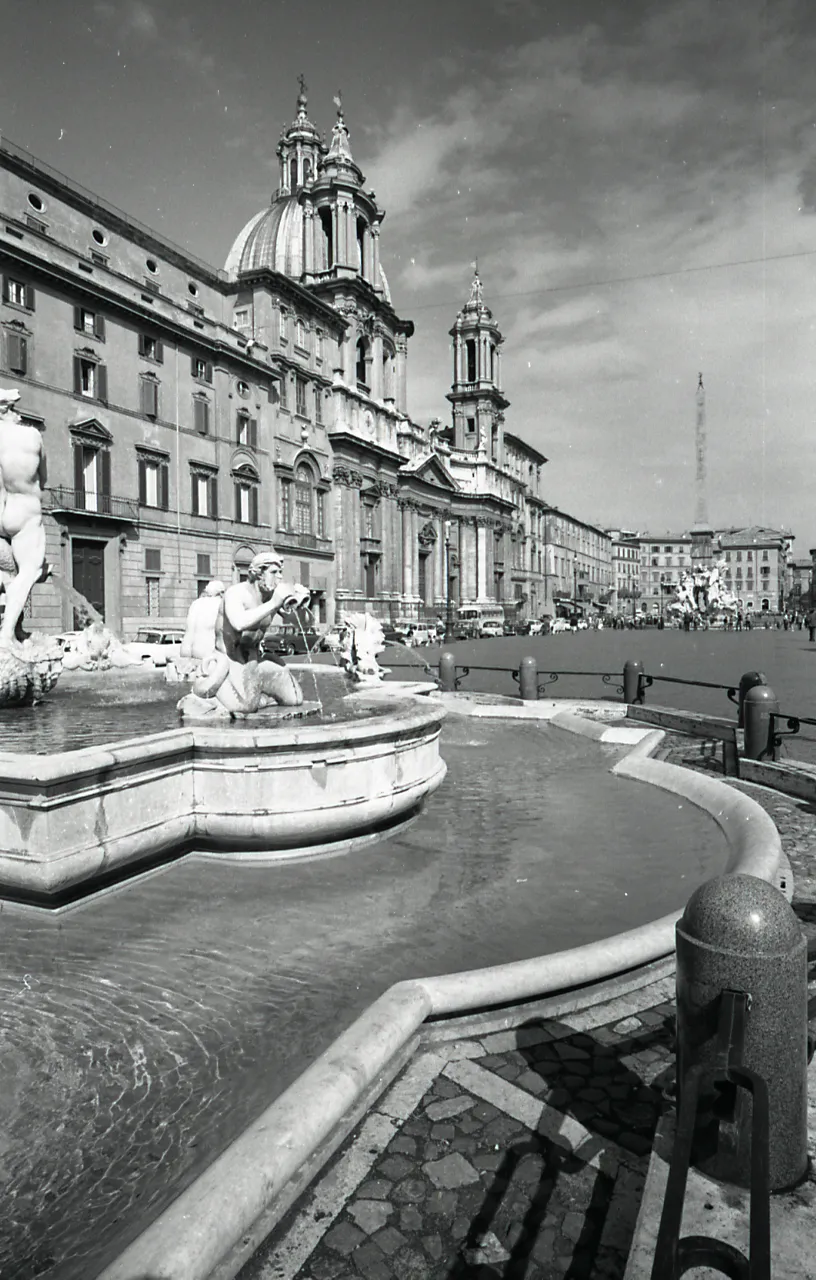
In Piazza Navona the sculptor gave the Nile, Ganges, Danube and Río de la Plata human form around an ancient obelisk. The fountain still surprises with its theatrical energy. Locals claim the figure of the Nile covers its eyes to avoid seeing Borromini’s nearby church. The rivalry was real.

castle
1762

Trevi Fountain Completed

Nicola Salvi’s baroque masterpiece was finished after his death. Three thousand euros in coins are thrown into it every day; the money goes to charity. At 7 a.m. the square belongs to Romans and the water sounds like applause. Few monuments better capture the city’s genius for turning utility into theater.

swords
1870

Italian Troops Breach Porta Pia

On 20 September bersaglieri entered through a hole blown in the Aurelian Wall. Pope Pius IX became “prisoner of the Vatican.” After 1,100 years papal temporal power ended. Rome became capital of a unified Italy. The smell of gunpowder mixed with the scent of unification’s uncertain future.

gavel
1929

Lateran Treaty Creates Vatican City

Mussolini and Pius XI signed away fifty-nine years of hostility. The papacy gained a 0.44 square kilometre state and Rome kept its uneasy peace with the Church. The treaty still governs relations between Italy and the Holy See. History’s most successful condominium agreement.

flight
1944

Rome Liberated

Allied troops entered on 4 June. The Eternal City was spared the street-by-street fighting that destroyed so many other capitals. Earlier that year the Ardeatine Massacre had taken 335 lives in reprisal. Romans still argue whether declaring the city “open” saved it or merely postponed its pain.

public
1957

Treaty of Rome Signed

In the Palazzo dei Conservatori on the Capitoline, six nations created the European Economic Community. The same hill where Romulus supposedly began his city now witnessed its latest reinvention. The ink dried while the ancient bronze She-Wolf looked on. Some ironies refuse to stay silent.
schedule
Present Day

Notable Figures

Julius Caesar

100–44 BCE · General and Dictator
Born and ruled from Rome

Born in the Subura district, he crossed the Rubicon, became Dictator for Life, and was stabbed 23 times in Pompey's Theatre on the Ides of March. The man who gave us the Julian calendar once held the entire known world from a few rooms on the Palatine. He'd probably be horrified by the gift shops now selling his face on t-shirts.

Gian Lorenzo Bernini

1598–1680 · Sculptor and Architect
Lived nearly his entire life in Rome

Pope Urban VIII once told him he was made for Rome and Rome for him. He gave the city its Baroque soul — the Fountain of Four Rivers in Piazza Navona, the colonnade of St. Peter's, the ecstasy of Saint Teresa. Watch how his marble seems to breathe. The city still carries his fingerprints everywhere you look.
Federico Fellini

1920–1993 · Film Director
Based his career in Rome

He turned the Via Veneto into cinema with La Dolce Vita, capturing the sweet life of paparazzi, movie stars and existential emptiness. Rome wasn't a backdrop for Fellini. It was the subject. Walk those same streets at night and you'll feel like you're inside one of his dreams.

Enrico Fermi

1901–1954 · Physicist
Born and educated in Rome

The boy from Rome who split the atom and helped build the atomic bomb before fleeing Mussolini's Italy. He would walk these streets as a young physicist, thinking about neutrons, before changing the course of human history. The city produced the mind that unlocked the power of the universe.

Maria Montessori

1870–1952 · Physician and Educator
Trained and launched her method in Rome

The first woman to earn an MD from the University of Rome opened her first Casa dei Bambini here in 1907. She watched children in the city's slums teach themselves with simple materials and changed education worldwide. Rome gave her both the problem and the laboratory.

Plan your visit

Practical guides for Rome — pick the format that matches your trip.

Practical Information

flight

Getting There

Fiumicino (FCO) connects via Leonardo Express train to Roma Termini every 15 minutes for €14, taking 32 minutes. Ciampino (CIA) offers the Airlink bus+train to Termini for €2.70. Official white taxis charge a fixed €55 from FCO and €40 from CIA inside the Aurelian Walls. Termini station handles all high-speed rail.

directions_transit

Getting Around

The metro has three lines (A, B/B1, C) with Line C now reaching Colosseo. Six tram lines (especially 3, 8 and 19) and 363 bus routes fill the gaps. As of April 2026 several tram lines are under replacement bus service. Buy a ROMA 72H pass for €22 or use contactless Tap&Go. The historic center is best walked.

thermostat

Climate & Best Time

Spring (April-May) averages 8–23°C with 65 mm rain. July-August hits 17–30°C but feels hotter on stone streets. September-October offers 11–27°C and thinner crowds. November and December are wettest at 103–130 mm. Avoid July and August unless you like 30°C queues.

shield

Safety

Petty theft dominates around Termini, Colosseum, Vatican, and crowded buses. Keep valuables in a cross-body zip bag and never in back pockets. Use official taxi ranks or apps only. Drivers rarely stop at crossings even on green. Emergency number is 112.

Where to Eat

local_dining

Don't Leave Without Trying

Cacio e pepe Carbonara Amatriciana Gricia Carciofi alla romana Supplì Trapizzino Pizza al taglio Porchetta Puntarelle

Taverna Lucifero

local favorite
Roman truffle cuisine €€ star 4.8 (1432)

Order: The tagliolino with truffle is a revelation—rich, flavorful pasta with perfectly balanced truffle notes.

A hidden gem where the owner’s passion for truffles shines. The filetto ai funghi porcini is cooked to perfection, and the sauce is unforgettable.

schedule

Opening Hours

Taverna Lucifero

Monday 7:00 PM – 12:00 AM
Tuesday 7:00 PM – 12:00 AM
Wednesday 7:00 PM – 12:00 AM
map Maps language Web

Pane e Salame

local favorite
Italian deli & wine bar star 4.8 (8274)

Order: The grazing board is a must—generous cuts of cured meats, cheeses, and house-made chutneys paired with Chianti for €13.

A tucked-away bistro near the Trevi Fountain that feels like a local secret. The sandwiches are legendary, and the service is warm and attentive.

schedule

Opening Hours

Pane e Salame

Monday 12:00 – 10:00 PM
Tuesday 12:00 – 10:00 PM
Wednesday 12:00 – 10:00 PM
map Maps language Web

Ristoro Della Salute

local favorite
Roman classics with a view €€ star 4.8 (25391)

Order: The squid ink pasta is a standout, and the pizza is crispy with a perfect crust.

Right across from the Colosseum, this spot offers amazing views and even better food. The service is top-notch, and the non-alcoholic fruit juices are a must-try.

schedule

Opening Hours

Ristoro Della Salute

Monday 9:00 AM – 12:00 AM
Tuesday 9:00 AM – 12:00 AM
Wednesday 9:00 AM – 12:00 AM
map Maps language Web

Quel che c’è laboratorio Di Cucina

local favorite
Modern Roman €€ star 4.9 (1939)

Order: The lobster pasta with pesto is a showstopper—juicy lobster, fresh tomatoes, and homemade pasta that melts in your mouth.

A tiny, authentic spot where you can watch the chefs at work. The carbonara with truffles is another must-try.

schedule

Opening Hours

Quel che c’è laboratorio Di Cucina

Monday 12:30 – 3:00 PM, 6:00 – 8:00 PM
Tuesday 12:30 – 3:00 PM, 6:00 – 8:00 PM
Wednesday 12:30 – 3:00 PM, 6:00 – 8:00 PM
map Maps

Tonnarello San Pietro

local favorite
Roman trattoria €€ star 4.8 (8395)

Order: The supplì are some of the best in Rome—crispy on the outside, gooey mozzarella inside.

A cozy spot near St. Peter’s Basilica with outstanding pasta and meat dishes. The service is attentive, and the tiramisu is a must for dessert.

schedule

Opening Hours

Tonnarello San Pietro

Monday 9:00 AM – 11:00 PM
Tuesday 9:00 AM – 11:00 PM
Wednesday 9:00 AM – 11:00 PM
map Maps language Web

CiPASSO

fine dining
Creative Italian bistro €€ star 4.8 (4837)

Order: The fish carpaccio (catch of the day) is exquisite, and the fried fish basket is a must for seafood lovers.

A sophisticated yet relaxed spot with an impressive wine list. The duck ragu is Michelin-worthy, and the service is impeccable.

schedule

Opening Hours

CiPASSO

Monday 5:30 – 11:00 PM
Tuesday 5:30 – 11:00 PM
Wednesday 5:30 – 11:00 PM
map Maps language Web

Tonnarello | Paglia

local favorite
Roman trattoria €€ star 4.7 (103729)

Order: The carbonara is rich and authentic, and the tonnarelli with meatballs is a crowd-pleaser.

A lively spot with great service and a warm atmosphere. The pasta is perfectly al dente, and the tiramisu is a standout.

schedule

Opening Hours

Tonnarello | Paglia

Monday 11:30 AM – 11:00 PM
Tuesday 11:30 AM – 11:00 PM
Wednesday 11:30 AM – 11:00 PM
map Maps language Web

Benso 215

local favorite
Italian bistro €€ star 4.7 (10001)

Order: The Roman artichokes are tender, and the seafood risotto is loaded with langoustine and prawns.

A polished bistro with a relaxed atmosphere. The service is friendly, and the lemon delight cake is a must for dessert.

schedule

Opening Hours

Benso 215

Monday 9:00 AM – 12:00 AM
Tuesday 9:00 AM – 12:00 AM
Wednesday 9:00 AM – 12:00 AM
map Maps language Web
info

Dining Tips

  • check Most traditional markets run Monday–Saturday, 7:00–14:00.
  • check Bring cash to markets—many stalls are cash-only.
  • check Romans eat dinner late, often after 20:00.
  • check Tipping is not obligatory, but rounding up or leaving €1–2 per person is appreciated for good service.
  • check Reservations are recommended for popular spots, especially for dinner.
Food districts: Testaccio – Rome's most food-obsessed neighborhood with offal-heavy traditional cuisine. Trastevere – Atmospheric and lively, with a mix of trattorias and street food. Prati – Residential, near Vatican, with Trionfale Market for a local feel. Garbatella – Working-class neighborhood with authentic, very local dining. Ostiense – Near Testaccio, gritty industrial-turned-foodie zone with Eataly.

Restaurant data powered by Google

Tips for Visitors

schedule
Beat the crowds

Visit the Colosseum, Trevi Fountain and Pantheon between 7-9am or after 10pm. The difference between having the place to yourself and fighting through tour groups is dramatic.

restaurant
Order like a Roman

Never order cappuccino after noon and never ask for cheese on seafood pasta. Stand at the bar for your espresso — it costs half what sitting at a table does.

confirmation_number
Book months ahead

Colosseum, Vatican Museums and Galleria Borghese tickets sell out weeks in advance. The €5 Pantheon entry introduced in 2023 makes skip-the-line tickets almost essential.

directions_subway
Skip the metro

Rome's historic center is best explored on foot. Use the metro only to reach Testaccio, Pigneto or Garbatella when you want authentic Roman life away from tourists.

attach_money
Eat in Testaccio

The former slaughterhouse district serves the best cacio e pepe, carbonara and coda alla vaccinara at half the price of Trastevere. Go before 7:30pm or after 9pm.

lightbulb
Respect the pausa

Many neighborhood restaurants and shops close between 3pm and 7:30pm. Plan your day around this Roman rhythm instead of fighting it.

Explore the city with a personal guide in your pocket

Your Personal Curator, in Your Pocket.

Audio guides for 1,100+ cities across 96 countries. History, stories, and local insight — offline ready.

smartphone

Audiala App

Available on iOS & Android

download Download Now

Join 50k+ Curators

Frequently Asked

Is Rome worth visiting? add

Yes, but only if you avoid the tourist traps. The city still delivers moments that rewire how you see the past — standing on the exact floor where gladiators fought, watching late afternoon light pour through the Pantheon's oculus, eating carbonara where it was invented. Three days isn't enough. Five is better.

How many days do I need in Rome? add

Plan for at least four full days. One for Ancient Rome (Colosseum, Forum, Palatine), one for Vatican Museums and St. Peter's, one for Baroque treasures (Trevi, Piazza Navona, Spanish Steps), and one for simply living like a Roman in Testaccio or Trastevere. A week lets you breathe.

Is Rome safe for tourists? add

Violent crime is rare but petty theft is common around Termini station and major tourist sites. Use common sense after dark in San Lorenzo and avoid wearing expensive watches near the Colosseum. The biggest danger is actually the traffic — look both ways even on one-way streets.

When is the best time to visit Rome? add

April-May or late September-October. Summers are brutally hot and crowded. July and August turn the city into an oven with many Romans away. Winters are mild but some smaller sites close early.

Should I buy the Roma Pass? add

Only if you're doing at least two major museums plus lots of public transport. Otherwise skip it. The combined Colosseum-Forum-Palatine ticket is the only one that really matters. Many of the best experiences in Rome are free or cheap.

Where should I eat in Rome? add

Head to Testaccio for authentic Roman food. Try Flavio al Velavevodetto for coda alla vaccinara or Da Enzo al 29 in Trastevere for carbonara. Avoid anywhere with menus displayed outside in four languages and pictures of the food.

Sources

  • verified Civitatis Rome Guide — Provided detailed information on attractions, tickets, practical visitor advice and opening patterns.
  • verified Eating Europe & City Unscripted — Neighborhood character, authentic restaurant recommendations, local food customs and nightlife districts.
  • verified Frommer's & My Adventures Across the World — Biographical details and Rome connections for historical figures including Caesar, Bernini and Fellini.

Last reviewed:

All Places to Visit

336 places to discover

Trevi Fountain

Trevi Fountain

Colosseum star Top Rated

Colosseum

Celio

Celio

Roman Forum

Roman Forum

Archbasilica of St. John Lateran

Archbasilica of St. John Lateran

Pantheon

Pantheon

photo_camera

Saint Peter'S Square

Basilica Di Santa Maria Maggiore

Basilica Di Santa Maria Maggiore

photo_camera

Basilica of Saint Paul Outside the Walls

Capitoline Museums

Capitoline Museums

Sistine Chapel star Top Rated

Sistine Chapel

Quirinal Palace

Quirinal Palace

Vatican Museums

Vatican Museums

Lateran Palace

Lateran Palace

Capitoline Hill star Top Rated

Capitoline Hill

Arch of Titus

Arch of Titus

Arch of Constantine

Arch of Constantine

Piazza Navona

Piazza Navona

Trajan'S Forum

Trajan'S Forum

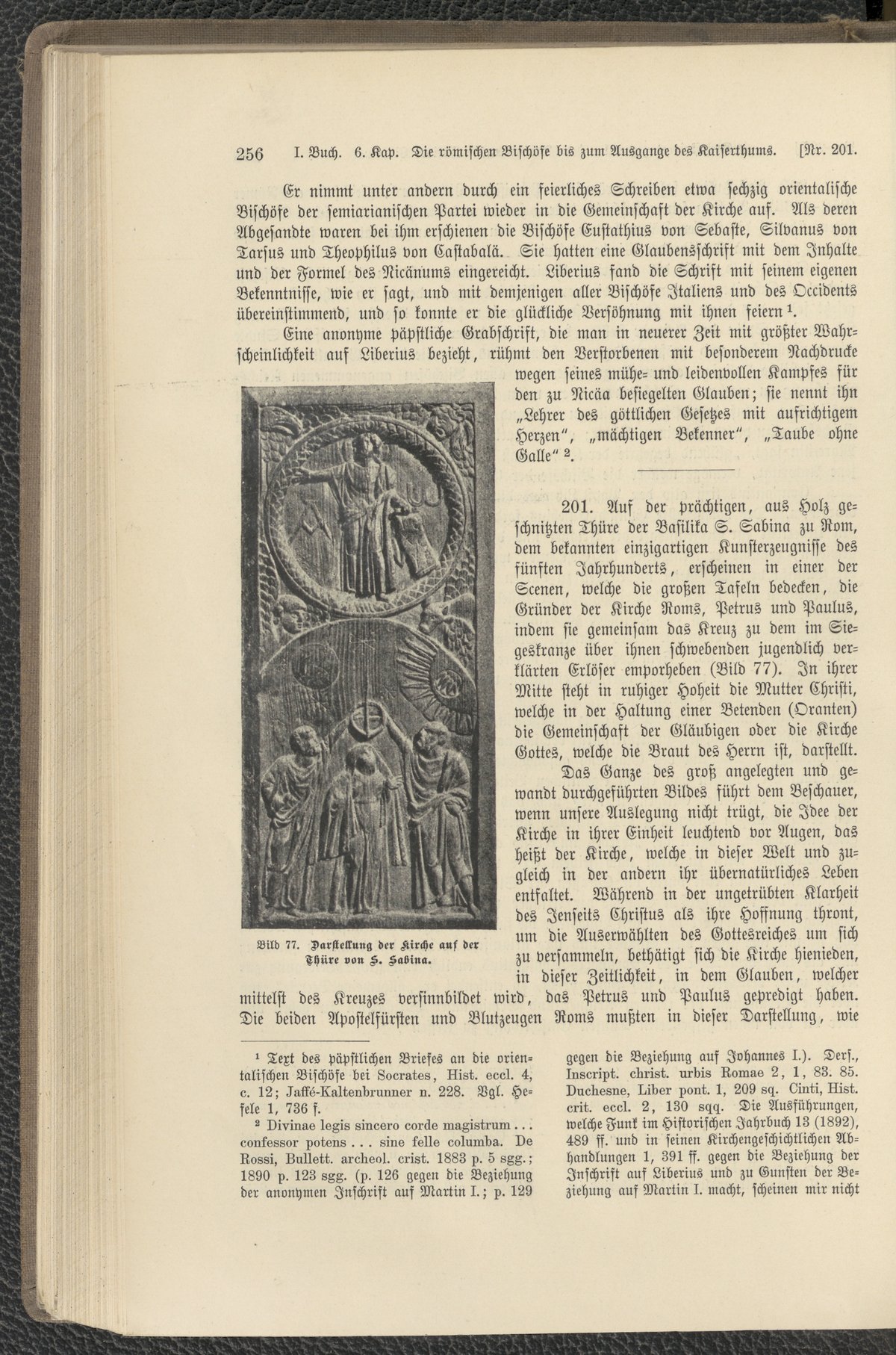
Basilica of Saint Sabina

Basilica of Saint Sabina

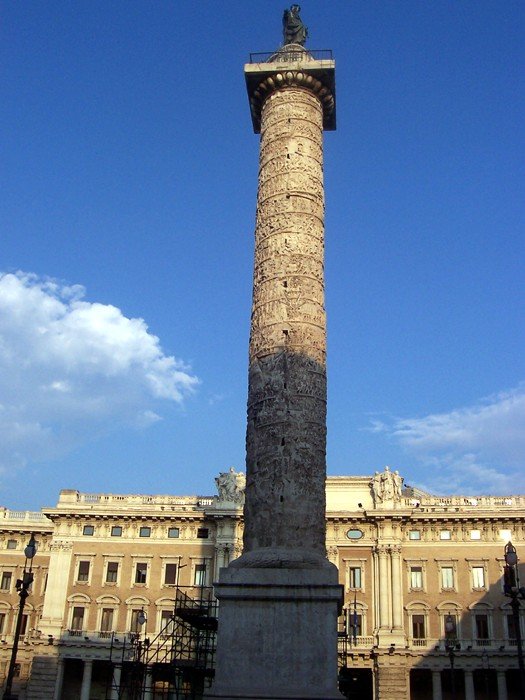
Column of Marcus Aurelius

Column of Marcus Aurelius

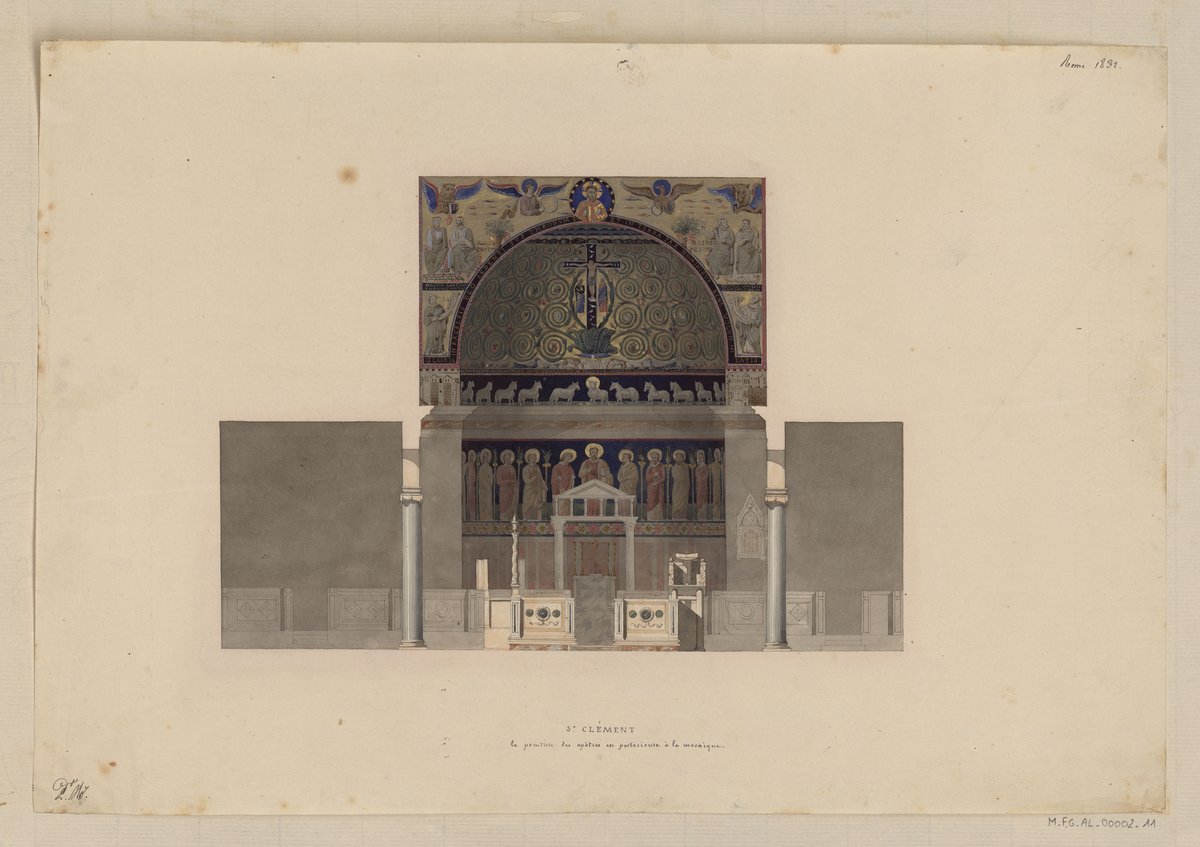
Basilica of San Clemente

Basilica of San Clemente

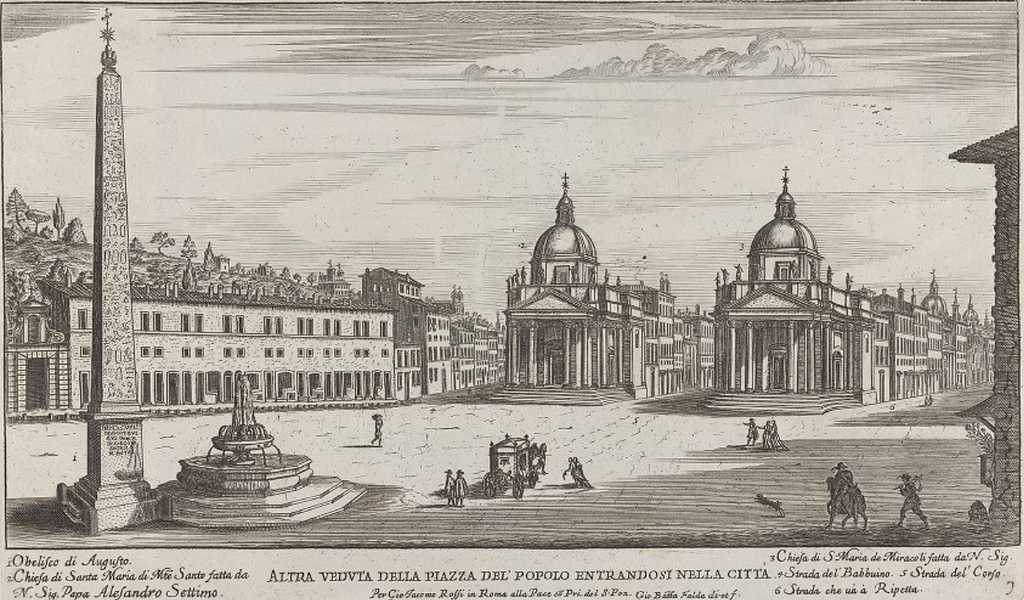
Piazza Del Popolo

Piazza Del Popolo

Villa Borghese Gardens

Villa Borghese Gardens

Theatre of Marcellus

Theatre of Marcellus

Temple of Vesta

Temple of Vesta

Basilica of St. Peter in Chains

Basilica of St. Peter in Chains

photo_camera

Basilica of Maxentius

Basilica of the Holy Cross in Jerusalem

Basilica of the Holy Cross in Jerusalem

Theatre of Pompey

Theatre of Pompey

Temple of Saturn

Temple of Saturn

Teatro Dell'Opera Di Roma

Teatro Dell'Opera Di Roma

Piazza Di Spagna

Piazza Di Spagna

Arch of Septimius Severus

Arch of Septimius Severus

Magistral Palace

Magistral Palace

Forum Boarium

Forum Boarium

Janiculum

Janiculum

Forum of Augustus

Forum of Augustus

Basilica of Saint Lawrence Outside the Walls

Basilica of Saint Lawrence Outside the Walls

Pyramid of Cestius

Pyramid of Cestius

Forum of Caesar

Forum of Caesar

Basilica Julia

Basilica Julia

Temple of Castor and Pollux

Temple of Castor and Pollux

Sant'Ignazio Church star Top Rated

Sant'Ignazio Church

Orange Garden

Orange Garden

Temple of Portunus

Temple of Portunus

Temple of Antoninus and Faustina

Temple of Antoninus and Faustina

photo_camera

National Etruscan Museum

Temple of Caesar

Temple of Caesar

Temple of Venus and Roma

Temple of Venus and Roma

Pincian Hill

Pincian Hill

Temple of Peace

Temple of Peace

Basilica Aemilia

Basilica Aemilia

Doria Pamphilj Gallery

Doria Pamphilj Gallery

Forum Nervae

Forum Nervae

photo_camera

Temple of Concord

Piazza Del Campidoglio

Piazza Del Campidoglio

Basilica of San Giovanni Dei Fiorentini

Basilica of San Giovanni Dei Fiorentini

Museum of Roman Civilization

Museum of Roman Civilization

Ponte Sisto

Ponte Sisto

Aqua Marcia

Aqua Marcia

Temple of Vespasian and Titus

Temple of Vespasian and Titus

Moses

Moses

Fontana Dell'Acqua Paola star Top Rated

Fontana Dell'Acqua Paola

Forum Holitorium

Forum Holitorium

photo_camera

Basilica of St. Mark the Evangelist

Museum of the Liberation of Rome

Museum of the Liberation of Rome

Basilica Ulpia

Basilica Ulpia

Temple of Venus Genetrix

Temple of Venus Genetrix

Flavian Palace

Flavian Palace

Santa Maria in Cosmedin Church

Santa Maria in Cosmedin Church

Gardens of Sallust

Gardens of Sallust

photo_camera

Museum of Contemporary Art of Rome

Temple of Mars Ultor

Temple of Mars Ultor

Arch of Janus

Arch of Janus

photo_camera

Museo Archeologico Ostiense

Museum of the Ara Pacis

Museum of the Ara Pacis

Orto Botanico Dell'Università Di Roma "La Sapienza"

Orto Botanico Dell'Università Di Roma "La Sapienza"

Arch of Augustus

Arch of Augustus

photo_camera

Parco Della Musica

Equestrian Statue of Marcus Aurelius

Equestrian Statue of Marcus Aurelius

Jewish Museum of Rome

Jewish Museum of Rome

Vatican Obelisk

Vatican Obelisk

Piazza Della Minerva

Piazza Della Minerva

Keats-Shelley Memorial House

Keats-Shelley Memorial House

Temple of Bellona

Temple of Bellona

Temple of Romulus

Temple of Romulus

Temple of Minerva Medica

Temple of Minerva Medica

Fontana Della Barcaccia

Fontana Della Barcaccia

Temple of Hercules Victor

Temple of Hercules Victor

Palazzo Doria-Pamphilj

Palazzo Doria-Pamphilj

Porta San Paolo Railway Museum

Porta San Paolo Railway Museum

Piazza Farnese

Piazza Farnese

Fontana Delle Tartarughe

Fontana Delle Tartarughe

Piazza Barberini

Piazza Barberini

Boncompagni Ludovisi Decorative Art Museum

Boncompagni Ludovisi Decorative Art Museum

Basilica Argentaria

Basilica Argentaria

Piazza Della Repubblica

Piazza Della Repubblica

Porta San Paolo

Porta San Paolo

Piazza Colonna

Piazza Colonna

Showing 100 of 336