Historical Development of Rocca di Riva
Foundations and Medieval Significance
The Rocca di Riva was first mentioned in 1124, when Riva’s community, acting under Prince-Bishop Altemanno of Trento, was granted permission to construct a new fortress by the lake for strategic defense (Cultura Trentino). Throughout the Middle Ages, the Rocca not only guarded the port, enabling Riva del Garda’s rise as a commercial hub, but also served as a seat of local authority. Control of the fortress repeatedly shifted amid regional power struggles, reflecting the turbulent political landscape of northern Italy.
Scaligeri and Venetian Transformations
The 14th century saw the Scaligeri family of Verona seize Riva del Garda, fortifying the Rocca with moats, direct lake access, and architectural influences from other regional fortresses. Venetian rule followed, further strengthening the Rocca with double defensive walls and drawbridges, as the fortress became the focus of ongoing conflicts with Milanese forces (Cultura Trentino).
Habsburg and Modern Era Adaptations
After Emperor Maximilian I’s conquest in 1516, the Rocca entered a period of transformation. It was converted into a residence for the Prince-Bishops of Trento—evident in surviving Renaissance frescoes—before being repurposed as Austro-Hungarian military barracks in the 19th century. Substantial modifications included lowering the towers and extensive interior remodeling. By the mid-20th century, the fortress found new life as a museum, becoming today’s MAG Museo Alto Garda (Cultura Trentino).
Architectural Features
Layout and Defensive Elements
Set on an artificial islet, the Rocca’s defensive design includes thick stone walls, four robust corner towers, and a moat crossed by a stone bridge. This water-bound setting and strategic lakeside location made the fortress a formidable obstacle for centuries (Cultura Trentino).
Renaissance and Baroque Influences
During the Renaissance, the Rocca was embellished with elegant gardens and residential quarters, reflecting a shift from martial strength to courtly life. Illustrations from this period depict ornamental landscaping and double bastioned fortifications.
19th and 20th Century Modifications
The Austro-Hungarian era brought military adaptations, including the reduction of tower heights and interior restructuring to accommodate barracks. Restoration work in the 20th and 21st centuries has stabilized the structure and created space for museum exhibitions.
Notable Interior and Exterior Features
- Courtyard A cobblestone gathering place, often hosting cultural events.
- Gardens The Brolio gardens mirror the Rocca’s Renaissance past.
- Museum Spaces Home to the MAG Museo Alto Garda, featuring art, archaeology, and local history.
Practical Visitor Information
Location and Access
The Rocca is centrally located in Riva del Garda at P.za Cesare Battisti, 3/A, easily accessible by car, bus, ferry, or on foot from the town center (ItalyScapes; Italia.it). Parking and public transit options are available nearby.
Visiting Hours
- General Schedule Tuesday to Sunday, 10:00 AM–6:00 PM (last entry 5:30 PM). Closed Mondays and some holidays.
- Seasonal Variations Summer hours may be extended; check official site for up-to-date times.
Tickets and Admission
- Adults €5–€7
- Reduced €3–€5 (students, seniors)
- Children under 14 Free
- Family/group rates available
- Garda Guest Card Free or discounted entry to the Rocca and other attractions (Garda Trentino)
- Purchase Onsite or online via the MAG Museo Alto Garda website
Facilities and Accessibility
- Facilities MAG Museo Alto Garda exhibitions, restrooms, museum shop, and occasional café.
- Accessibility Wheelchair-accessible toilets, ramps, and assistance available. Some areas may be limited due to historic structure (GardaVisit).
Guided Tours and Special Events
- Guided Tours Offered in multiple languages; advance booking recommended.
- Events Special exhibitions, concerts, workshops, and seasonal festivities in the courtyard and museum spaces. See the event calendar.
Popular Photographic Spots
- Stone bridge and moat
- Courtyard with medieval towers
- Brolio gardens
- Panoramic lakeshore views
Visitor Tips
- Best visiting months June and September for pleasant weather and lighter crowds (A Ticket to Take Off).
- Footwear Wear comfortable shoes for cobblestone surfaces.
- Family-friendly Interactive exhibits and creative workshops for children (Visit Trentino).
Key Attractions Within Rocca di Riva
MAG Museo Alto Garda
- Archaeology Copper Age statue-stele, Bronze Age relics, Roman finds (Visit Trentino).
- History Exhibits on the Sarca River, town development, and 20th-century events (Italia.it).
- Art Gallery Works from the 14th to 19th centuries, plus rotating exhibitions (GardaVisit).
Mastio (Main Tower)
Climb for panoramic views of Riva, Lake Garda, and surrounding mountains (GardaVisit).
Fortress Architecture
Experience the well-preserved medieval quadrangle, towers, and original drawbridge (Italy This Way).
Nearby Historical Sites and Attractions
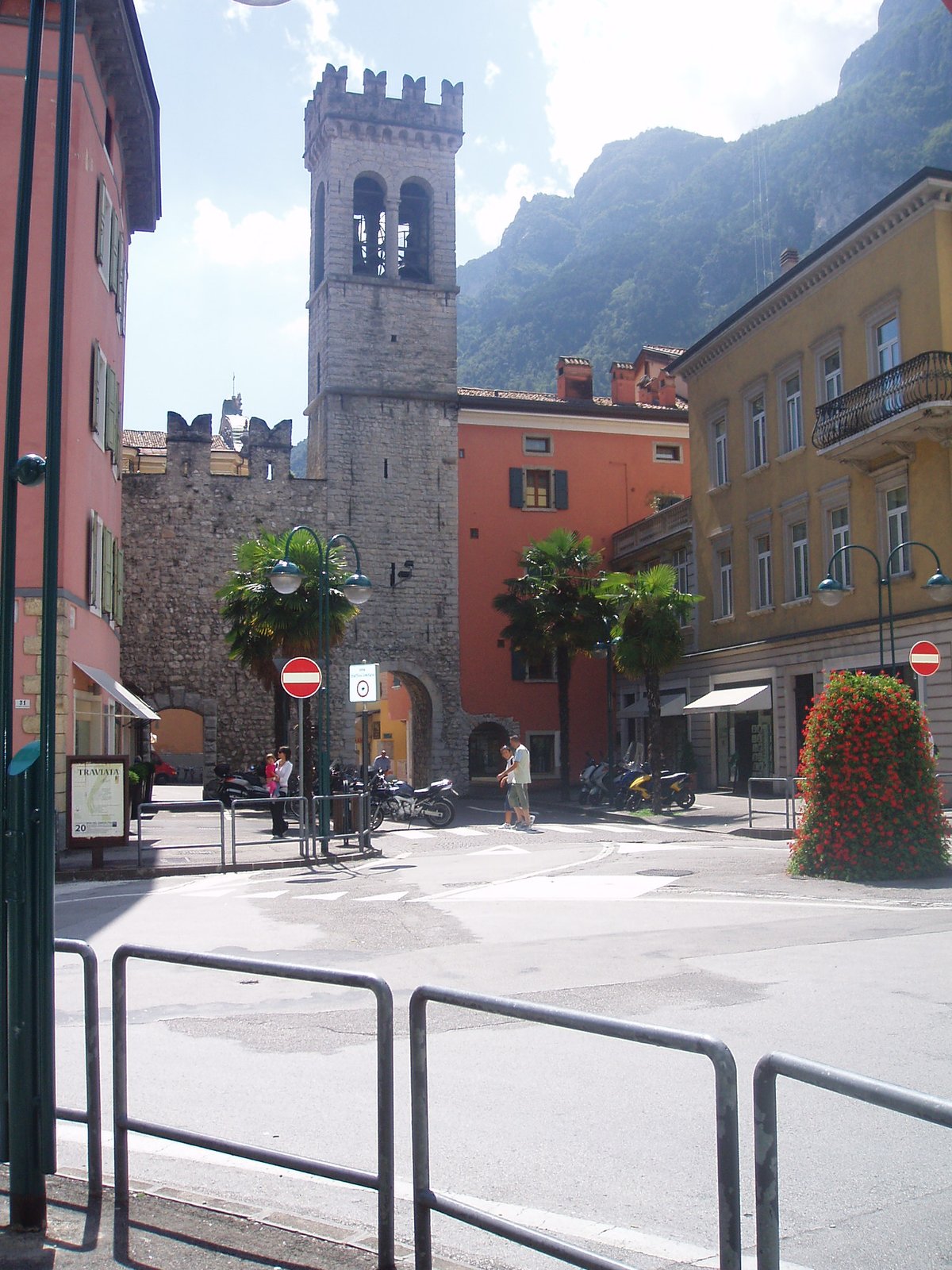
- Torre Apponale 13th-century tower with panoramic views (Bewitched by Italy).
- Bastione di Riva Venetian bastion accessible by hike or lift, with café and vistas (Visit Trentino).
- Old Town and Lakefront Promenade Lively streets, markets, and lakeside cafes (Dutch Blogger on the Move).
- Church of Santa Maria Inviolata Baroque church with ornate interior (Visit Lago di Garda).
- Ponale Road Path Scenic hiking and cycling trail along cliffs (The Tourist Checklist).
- Beaches Spiaggia dei Sabbioni and Spiaggia dei Pini for swimming and water sports.
- Day Trips Arco castle, Varone Waterfall, Lake Tenno, Limone sul Garda, Malcesine, and the MaRT Museum in Rovereto.
Frequently Asked Questions (FAQ)
Q: What are the Rocca di Riva visiting hours?
A: Typically Tuesday–Sunday, 10:00 AM–6:00 PM. Closed Mondays. Seasonal changes may apply; check the official site for current hours.
Q: How much do tickets cost?
A: Adults €5–€7; discounts for children, students, seniors; family and group rates available.
Q: Can I buy tickets online?
A: Yes, via the MAG Museo Alto Garda website.
Q: Is the fortress accessible for people with disabilities?
A: Main exhibition areas are accessible. Some historic parts have limitations; assistance is available.
Q: Are guided tours available?
A: Yes, in multiple languages. Book in advance.
Q: What special events are held at Rocca di Riva?
A: The Rocca hosts exhibitions, workshops, concerts, and seasonal events.
Summary and Visitor Recommendations
The Rocca di Riva is a living testament to the rich history and cultural evolution of Riva del Garda and the northern Lake Garda region. Its journey from medieval fortress to Renaissance residence, Austro-Hungarian barracks, and finally a vibrant museum encapsulates the layered heritage of Garda Trentino. Today, the fortress combines engaging exhibitions, architectural wonders, and lakeside beauty, providing an unforgettable experience for visitors of all ages.
Plan your visit with attention to Rocca di Riva visiting hours, ticket options, and accessibility. Enhance your exploration by discovering nearby attractions such as the Bastione di Riva, Torre Apponale, and the medieval town center. For the latest updates and travel tips, refer to official resources and consider downloading the Audiala app for audio tours and exclusive content.
For further details, visit the MAG Museo Alto Garda website and the Cultura Trentino portal.