Plan and listen to Teatro Amintore Galli with Audiala.
Audio guide in your pocket, itinerary in your browser. Built for the way you actually visit.
Introduction
The Teatro Amintore Galli is a crown jewel of Rimini’s cultural and architectural landscape, standing as a powerful symbol of the city’s artistic vitality and resilience. Originally inaugurated in 1857 and renowned for its neoclassical design by Luigi Poletti, the theater has witnessed epochs of grandeur, devastation, and rebirth. Today, following an extensive restoration completed in 2018, it serves both as a vibrant performance venue and as a living museum, offering immersive experiences for opera lovers, history enthusiasts, and travelers alike. This guide provides detailed insights into the theater’s history, architecture, ticketing, visiting hours, accessibility, and nearby attractions, ensuring you make the most of your visit to one of Rimini’s most significant historical sites (teatro.it, Visit Rimini, OperaBase).


Origins and Early History
Conceived during the mid-19th century as a response to Rimini’s burgeoning civic pride and artistic ambitions, Teatro Amintore Galli was initially known as Teatro Nuovo. Construction began in 1843 under the direction of Luigi Poletti, a distinguished architect noted for his neoclassical sensibilities. The theater opened its doors on August 16, 1857, with the world premiere of Giuseppe Verdi’s "Aroldo," instantly establishing itself as a premier Italian opera house.
In 1859, it was renamed Teatro Vittorio Emanuele II to honor the king, and in 1947, it received its current name in tribute to composer and musicologist Amintore Galli, a native of Rimini (Visit Rimini).
Architectural Features
Neoclassical Design and Layout
Luigi Poletti’s vision for the Teatro Amintore Galli epitomizes 19th-century Italian neoclassicism. The façade is marked by a stately portico with Corinthian columns and a triangular pediment, echoing the grandeur of classical temples. The auditorium, originally seating over 1,000 spectators, features a horseshoe-shaped plan with four tiers of boxes supported by elegant columns and a richly decorated ceiling (Hotel Corallo Rimini).
Notable Details
- Absence of a Royal Box: Reflecting Rimini’s democratic spirit, the theater was designed without a royal box, a rarity among Italian theaters of the era (Visit Rimini).
- Foyer and Staircases: The gracefully curved staircases in the foyer were innovative for their time, prioritizing public safety and smooth circulation.
- Exceptional Acoustics: The design draws inspiration from ancient Greek and Roman theaters, with tapered halls and box arrangements that enhance sound clarity (World City Trail).
Wartime Destruction and Restoration
World War II Damage
On December 28, 1943, the theater suffered catastrophic damage during Allied air raids: the roof collapsed, and much of the auditorium and stage were destroyed. The foyer, however, remained largely intact (Visit Rimini). Decades of neglect and looting followed, leaving the theater a shell of its former self.
Restoration and Rediscovery
Efforts to restore the theater began in earnest in 2014, utilizing original plans and historical documentation. The restoration not only recaptured Poletti’s neoclassical vision but also integrated modern technologies for safety, comfort, and accessibility. Archaeological excavations during the renovation uncovered remnants of a paleochristian basilica beneath the auditorium, which are now displayed in an on-site multimedia museum (OperaStreaming, teatro.it).
The meticulously restored theater officially reopened in October 2018, reestablishing itself as a cultural and civic focal point in Rimini.
Cultural and Musical Legacy
Musical Milestones
Since its founding, Teatro Amintore Galli has hosted legendary performances by composers such as Verdi, Rossini, and Puccini. Its reopening was marked by a gala season and has since included international productions, jazz concerts, and contemporary events (OperaBase). It is also the venue for the esteemed Sagra Musicale Malatestiana festival, one of Italy’s longest-running music events.
Community and Education
The theater plays an active role in Rimini’s cultural life, supporting educational outreach, collaborations with schools, and community projects. The archaeological area beneath the stalls offers visitors an opportunity to engage with Rimini’s ancient history.
Visiting Hours and Ticket Information
- Visiting Hours: The theater is open to the public Tuesday to Sunday, from 10:00 AM to 6:00 PM. Hours may vary on performance and event days. The theater is closed on Mondays and certain holidays (cartellone.emiliaromagnacultura.it).
- Box Office Hours: Typically open Tuesday to Saturday, 10:00–14:00 and 16:00–19:00, with extended hours on show days.
- Ticket Prices: General admission for guided tours and the multimedia museum starts at €10, with reduced rates for students and seniors. Performance tickets range from €10 to €60 depending on the event and seating category.
- How to Book: Tickets can be purchased online via the official website or at the box office.
Guided Tours and Accessibility
- Guided Tours: Offered daily in Italian and, upon request, in English. Tours explore the auditorium, stage, foyers, and the archaeological museum. Reservations are recommended.
- Accessibility: The theater is fully accessible, with ramps, elevators, and reserved seating for visitors with mobility challenges. Hearing assistance devices and accessible restrooms are available.
- Visitor Amenities: Facilities include a cloakroom, café, gift shop, and free Wi-Fi in public areas.
Getting There and Nearby Attractions
- Location: Piazza Cavour, Rimini, Emilia-Romagna, Italy.
- Public Transport: Easily reached by bus; Rimini’s main train station is a 10–15 minute walk away.
- Parking: Public lots are available nearby; spaces may be limited during major events.
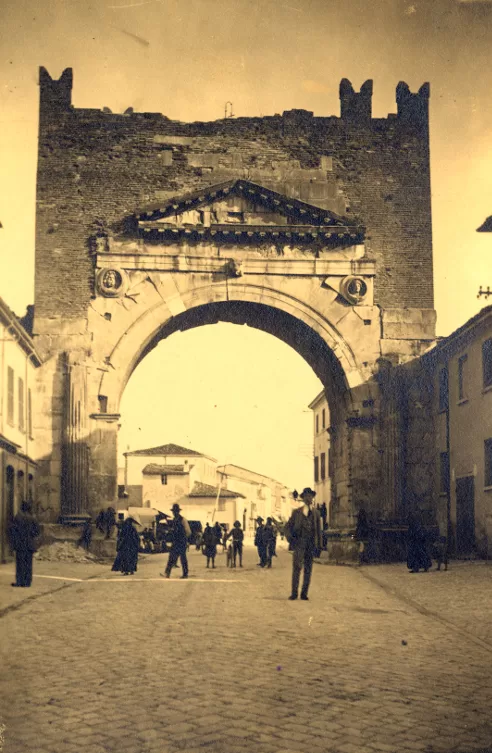
- Nearby Sites: Explore Rimini’s historic center with landmarks such as the Arch of Augustus, Tempio Malatestiano, Ponte di Tiberio, and Castel Sismondo. Numerous restaurants and cafes nearby offer traditional regional cuisine.
Visitor Tips and Etiquette
- Dress Code: Smart-casual attire is standard; formal wear is customary for premieres and gala evenings.
- Arrival: Arrive 30 minutes before the event for ticket checks and to enjoy the foyer.
- Photography: Allowed in public areas but prohibited during performances.
- Family Visits: Some performances are family-friendly; check the calendar in advance.
Frequently Asked Questions (FAQ)
Q: What are the visiting hours of Teatro Amintore Galli?
A: Tuesday to Sunday, 10:00 AM – 6:00 PM. Closed Mondays. Hours may change on event days.
Q: How can I purchase tickets?
A: Tickets are available online on the official website and at the box office.
Q: Are guided tours available in English?
A: Yes, upon request.
Q: Is the theater accessible for wheelchair users?
A: Yes, with ramps, elevators, and accessible restrooms.
Q: Are family-friendly performances available?
A: Yes, check the official calendar for details.
Listen to the full story in the app
The whole Teatro Amintore Galli,
told well.
Listen to sourced travel stories with local history and practical context — ready offline.
Verified, and shown.
Researched and written by the Audiala editorial team from historical records, architectural archives, and local expertise.
Built from cited sources · see the method · How we make our guides →