Plan and listen to Biblioteca Civica Gambalunga with Audiala.
Audio guide in your pocket, itinerary in your browser. Built for the way you actually visit.
Introduction
The Biblioteca Civica Gambalunga, located in Rimini’s historic center, stands as a symbol of Italy’s Renaissance intellectual legacy and civic spirit. Founded in 1619 by the distinguished lawyer and humanist Alessandro Gambalunga, this institution is recognized as Italy’s first true civic library—open to all, regardless of social class or religious background. Housed in the splendid Palazzo Gambalunga, the library is a cultural landmark, offering a unique blend of architecture, history, and scholarship. Its collections, rare manuscripts, and community programs make it an essential destination for scholars, tourists, and locals alike.
This comprehensive guide provides up-to-date information on visiting hours, ticketing, accessibility, the library’s history and collections, and tips for exploring Rimini’s nearby historical attractions.
For the latest updates and detailed visitor information, consult the Visit Rimini tourism website and the Comune di Rimini portal.
Foundation and Historical Background
The Biblioteca Civica Gambalunga was established in 1619 when Alessandro Gambalunga bequeathed his extensive collection and Renaissance palazzo to the city of Rimini. His vision was progressive: a library for all citizens, not limited by social or religious boundaries (Atlas Obscura). This act founded one of Italy’s oldest public libraries, which has grown from a few thousand volumes to a modern repository of over 300,000 works, including rare manuscripts, incunabula, and documents vital to Rimini’s local heritage (Visit Rimini).
Architectural and Artistic Significance
Palazzo Gambalunga
The library is housed in the Palazzo Gambalunga, an exceptional example of early 17th-century Renaissance architecture. Designed with harmonious proportions and a focus on symmetry, the palazzo is centered around a graceful inner courtyard. An 18th-century Istrian stone well, added in 1928, adds to its historic charm (Wikipedia; CERL). The building survived World War II relatively unscathed, preserving both its architectural integrity and invaluable collections (Atlas Obscura).
Interior Features
The original 17th-century walnut shelves, rococo reading rooms, and ornate ceilings have been carefully preserved. Notably, the rococo room features two monumental 17th-century Blaeu globes—terrestrial and celestial—crafted by the renowned Dutch cartographers before the discovery of Australia (VisitRimini). The Sala des Vergers, created in 1938, houses a collection documenting 19th-century archaeological projects.
Collections and Treasures
The library’s holdings span nearly every area of the humanities and sciences, with a particular emphasis on local and regional history:
- Manuscripts and Codices: Over 1,350 precious codices, including autographs by Basinio da Parma, a “Gradenighiano” manuscript of Dante’s Divine Comedy, and illuminated texts (VisitRimini).
- Incunabula: Early printed books from before 1501, meticulously catalogued for research (Cataloghi Storici BDI).
- Rare Books and Local Archives: Extensive documents on Rimini’s civic, religious, and intellectual history.
- Globes and Maps: Two rare 17th-century globes and antique atlases.
- Photographic Archive: Over one million images documenting Rimini’s social and architectural evolution.
- Audiovisual and Children’s Collections: Film, music, and over 20,000 items for young readers.
These resources are made accessible for research and public engagement through carefully managed preservation policies.
Cultural and Civic Role
For over four centuries, the Biblioteca Civica Gambalunga has been a hub of intellectual life in Rimini, welcoming visitors such as Ezra Pound and Aby Warburg (Atlas Obscura). The library is deeply involved in cultural events, exhibitions, and educational outreach, fostering a vibrant connection with the local community and visitors from around the world.
Visiting Hours, Tickets, and Accessibility
- September to June:
- Monday to Friday: 8:00 AM – 7:00 PM
- Saturday: 8:00 AM – 1:00 PM
- July and August:
- Monday to Saturday: 8:00 AM – 1:00 PM
- Sundays and Public Holidays: Closed
Admission: Free for all visitors. Some exhibitions or events may require tickets—check the official website for current details.
Accessibility:
The library is wheelchair accessible, with lifts and ramps in place. Visitors with additional needs are encouraged to contact staff in advance for assistance (Comune di Rimini).
Guided Tours and Research Access
Guided Tours:
- Available on the last Saturday of each month at 11:00 AM.
- Free but require advance reservation (maximum 10 people per group).
- Reservations open from the 15th of each month: call +39 0541 704326 or email [email protected].
Research Access:
Researchers can request special access to rare and ancient collections via the Fondi Antichi office (Comune di Rimini). Digital catalogs facilitate remote research, though the most delicate items must be consulted in person.
Visitor Tips and Nearby Attractions
- Location: Via Alessandro Gambalunga 27, Rimini—central and easily accessible by foot or public transport.
- Best Time: Weekday mornings for a quieter experience; guided tours for in-depth exploration.
- Photography: Permitted in designated areas; confirm with staff on arrival.
- Nearby Attractions:
- Tempio Malatestiano: Rimini’s Renaissance cathedral.
- Ponte di Tiberio: Ancient Roman bridge.
- Piazza Cavour: Central square with historic buildings.
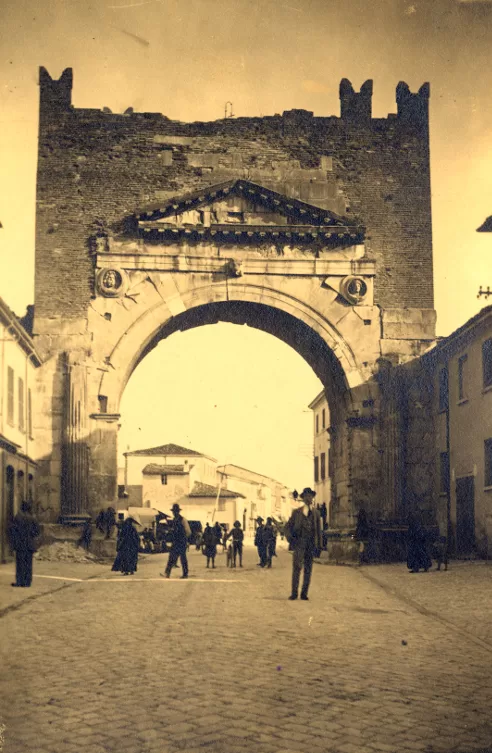
- Arch of Augustus: The oldest Roman arch in existence.
- Rimini Beach: A short bus ride for relaxation after your cultural visit.
Frequently Asked Questions (FAQs)
Q: What are the Biblioteca Civica Gambalunga’s visiting hours?
A: Monday to Friday, 8:00 AM – 7:00 PM (September–June); Saturday, 8:00 AM – 1:00 PM. Reduced summer hours. Closed Sundays and public holidays.
Q: Is there an entrance fee?
A: General admission is free. Special events or exhibitions may require tickets.
Q: Are guided tours available?
A: Yes, on the last Saturday of each month at 11:00 AM. Free with advance booking.
Q: Is the library accessible for people with disabilities?
A: Yes—ramps, elevators, and assistance are available.
Q: How do I book a guided tour or research visit?
A: Contact +39 0541 704326 or email [email protected].
Q: What are the best nearby Rimini historical sites to visit?
A: Tempio Malatestiano, Ponte di Tiberio, Piazza Cavour, Arch of Augustus.
Listen to the full story in the app
The whole Biblioteca Civica Gambalunga,
told well.
Listen to sourced travel stories with local history and practical context — ready offline.

Verified, and shown.
Researched and written by the Audiala editorial team from historical records, architectural archives, and local expertise.
Built from cited sources · see the method · How we make our guides →