
Historical Background and Significance
Roman Reggio Calabria: Context and Development
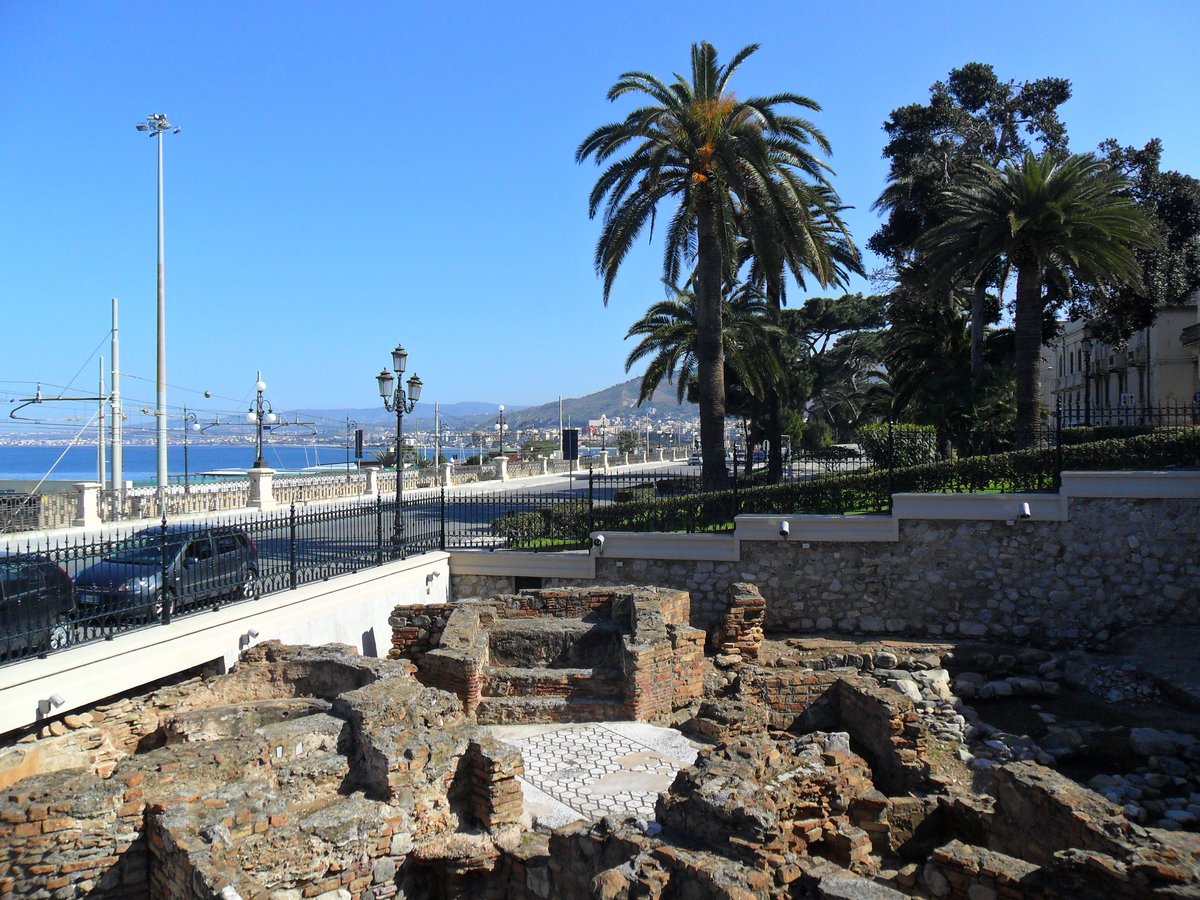
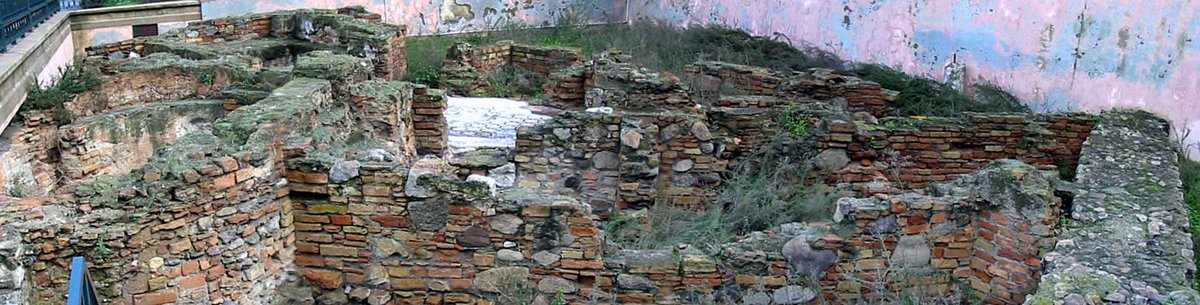
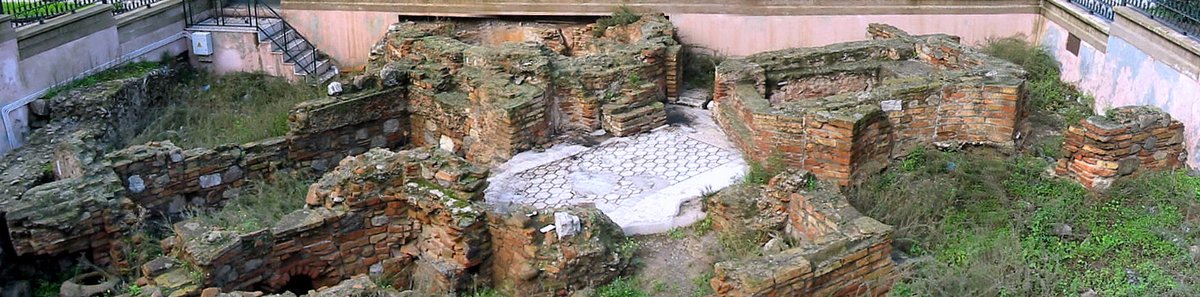
Originally founded as the Greek colony Rhegion in the 8th century BCE, Reggio Calabria flourished under Roman rule as a key urban center in Magna Graecia. The Terme Romane, constructed between the 1st and 4th centuries CE, reflect this period’s prosperity and the integration of Roman culture into the region. Strategically located near the ancient forum and the river Apsia (modern Calopinace), the baths served as both a wellness facility and a social hub for residents and travelers (historygreek.org).
Architectural Features
Though modest in scale compared to Rome’s grand imperial complexes, the Terme Romane of Reggio Calabria display remarkable craftsmanship and innovation:
- Mosaic-Paved Rooms The baths feature intricate black-and-white geometric mosaics, exemplifying Roman artistry (Turismo Reggio Calabria).
- Hypocaust Heating System Advanced underfloor heating (hypocaust) circulated warm air, ensuring comfort in the various bathing chambers (Viaggio a Piedi).
- Palaestra (Gymnasium) An adjacent gymnasium encircled by columns (many recovered from the sea) served as a venue for exercise and socializing (Progetto Storia dell’Arte).
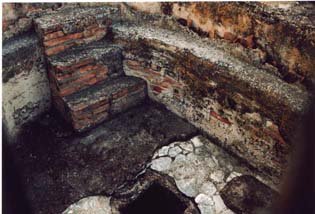
- Sequence of Rooms The typical progression from cold (frigidarium), to warm (tepidarium), to hot (caldarium) rooms is evident in the remains.
The site’s resilience through devastating earthquakes, notably in 1908, and its integration into the modern urban fabric highlight its continued importance to the city (Wikipedia: Reggio Calabria).
Social and Cultural Role
Roman baths were more than places for bathing—they were centers for relaxation, exercise, and conversation, reflecting the communal nature of Roman society. The Terme Romane exemplify this, with their central location and architectural design underscoring the integration of wellness, culture, and social interaction in daily urban life (historygreek.org).
Practical Visitor Information
Location & How to Get There
- Address Lungomare Falcomatà, 89100 Reggio Calabria
- Access The site is easily reachable on foot from the city center and the Reggio Calabria Centrale train station. Public buses, taxis, and parking facilities are available nearby (calabriatheotheritaly.com).
Opening Hours
- Current Hours (June 2025) Open daily from 09:00 to 19:30 (tempostretto.it).
- Note Hours may vary seasonally or due to special events; always consult the official tourism portal before your visit.
Tickets & Admission
- Admission Free entry for all visitors (museionline.info).
- Guided Tours While admission is free, guided tours—offered in Italian and often in English—provide deeper insight. Book in advance, especially during peak tourist seasons, by calling +39 366 1019145 (turismo.reggiocal.it).
Accessibility
- Terrain Mostly flat but includes some uneven surfaces and ancient steps. The main areas are wheelchair accessible, though assistance may be required.
- Facilities No on-site restrooms or cafés, but amenities are available along the Lungomare Falcomatà.
- Special Needs Visitors with mobility challenges are encouraged to contact the site in advance.
Visitor Tips
- Best Time to Visit April–June and September–October for pleasant weather and fewer crowds (savoringitaly.com).
- Essentials Wear comfortable shoes, bring sun protection and water, especially in summer.
- Photography Permitted, but avoid touching mosaics and structures to preserve the site.
- Duration Plan 30–60 minutes for a self-guided visit; guided tours may last up to 90 minutes.
Nearby Attractions
Enhance your visit with these notable sites:
- Mura Greche (Greek Walls) Ancient defensive walls adjacent to the Terme Romane (turismo.reggiocal.it).
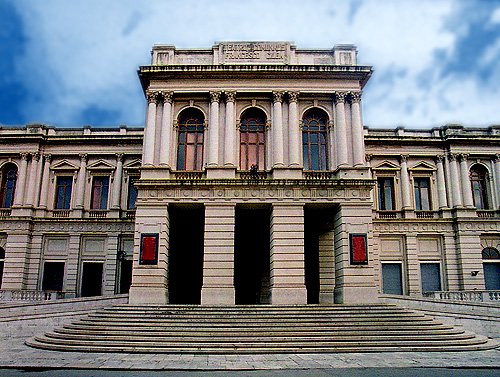
- Museo Archeologico Nazionale di Reggio Calabria Home to the world-renowned Riace Bronzes and other regional antiquities (savoringitaly.com).
- Lungomare Falcomatà A scenic promenade known as “the most beautiful kilometer in Italy.”
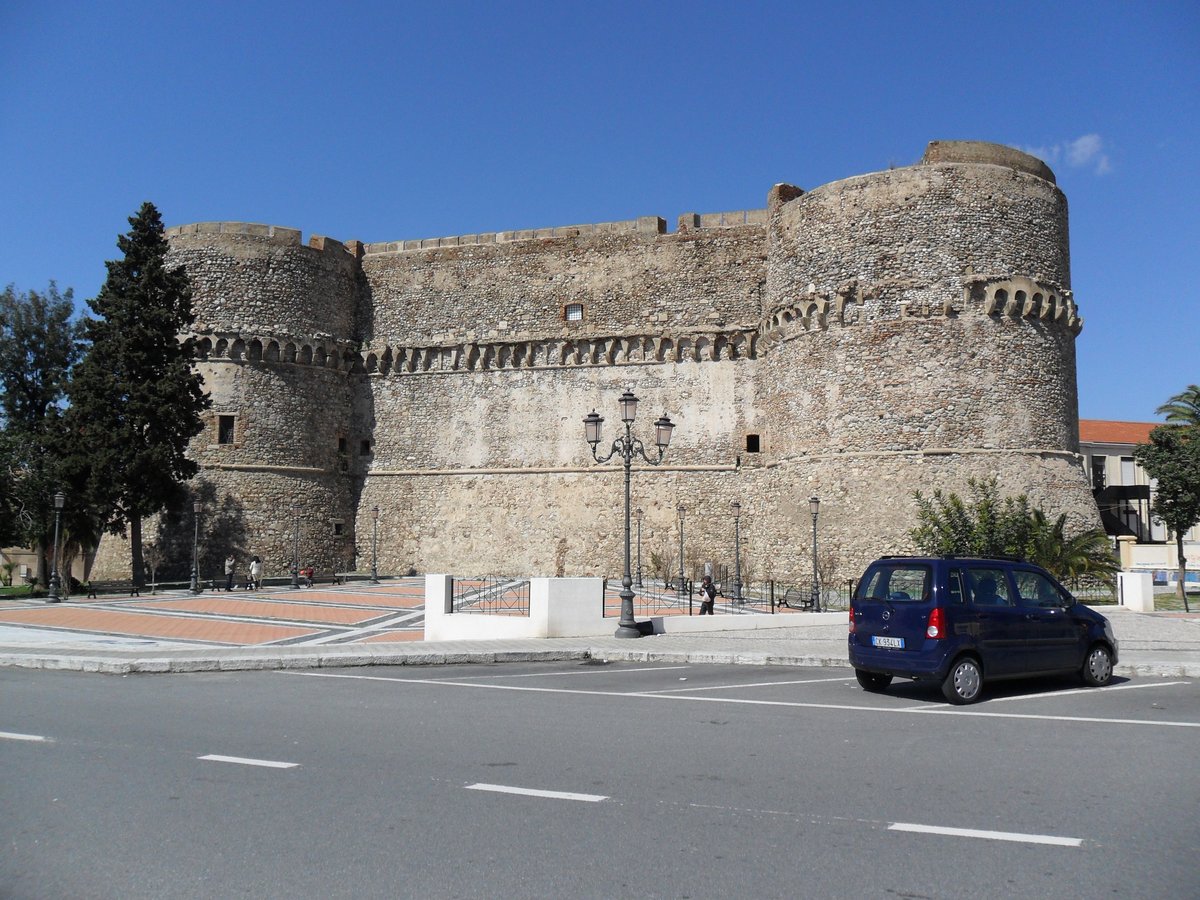
- Castello Aragonese 15th-century fortress with panoramic city and sea views.
- Basilica Cattedrale di Maria SS Assunta Neo-Romanesque cathedral rebuilt after the 1908 earthquake.
- Arena dello Stretto Open-air amphitheater hosting cultural events and concerts.
Other sites within a short walk or drive include the Museo Nazionale del Bergamotto, the Ipogeo di Piazza Italia, and the Roman Villa in Casignana.
Accommodation and Dining
Where to Stay
- Hotel Lungomare Budget-friendly, sea views, free Wi-Fi.
- Hotel Continental Central, family-friendly, easy access to attractions.
- Villa La Fenice Tranquil gardens, ideal for families.
- Boutique B&Bs Historic charm, personalized service (turismocalabria.net).
Where to Eat
- Bar Gelateria Cesare Famous for authentic gelato (calabriatheotheritaly.com).
- Seafront Trattorias Fresh seafood, local pasta, regional wines.
- Cafés and Bakeries Perfect for espresso and Calabrian pastries.
Transportation and Connectivity
- Train Reggio Calabria Centrale connects to major Calabrian cities and Villa San Giovanni for Sicily ferries.
- Airport Tito Minniti Airport (REG) is 8 km from the city center.
- Ferry Regular hydrofoils and ferries to Messina for combined Calabria–Sicily itineraries (calabriatheotheritaly.com).
Frequently Asked Questions (FAQ)
Q1: What are the visiting hours of Terme Romane Reggio Calabria?
A1: Open daily from 09:00 to 19:30. Check the official tourism website for updates.
Q2: Is there an admission fee or tickets required?
A2: Admission is free; guided tours can be booked in advance.
Q3: How do I book a guided tour?
A3: Call +39 366 1019145 for reservations; English-speaking guides available upon request.
Q4: Is the site accessible for visitors with mobility issues?
A4: The main areas are accessible, but some uneven terrain exists. Contact the visitor center for specific needs.
Q5: Can I take photographs inside the Terme Romane?
A5: Yes, but please do not touch the mosaics or surfaces.
Summary and Recommendations
The Terme Romane of Reggio Calabria stand as a tangible link to the city’s Roman past, offering visitors immersive insights into ancient engineering, social customs, and urban life. With free admission, convenient hours, and proximity to other major attractions, the site is ideal for anyone interested in archaeology, history, or Mediterranean culture. Enhance your experience by joining a guided tour and exploring the wealth of nearby sites along the Lungomare Falcomatà.
For updated information, bookings, and assistance, contact the local tourism office:
- Tourism Office Contacts
Tel. +39 0965 3622514 / +39 0965 3622735
Email: [email protected]
(turismo.reggiocal.it)
Stay informed about events and special programs via official tourism websites and local portals.