Plan and listen to National Museum Of Magna Græcia with Audiala.
Audio guide in your pocket, itinerary in your browser. Built for the way you actually visit.
Introduction
Nestled in the heart of Reggio Calabria, Italy, the National Museum of Magna Græcia (Museo Archeologico Nazionale di Reggio Calabria, MArRC) stands as a beacon of the region’s ancient past, offering visitors an unparalleled opportunity to explore the legacy of Magna Græcia—the network of Greek colonies that thrived in Southern Italy from the 8th century BCE onward. Internationally renowned for its exceptional collections, the museum is especially famous for the Riace Bronzes—two life-sized 5th-century BCE Greek statues that have become emblems of Calabria’s cultural heritage (Official Museum Website; Guide to Europe).
Housed within the architecturally significant Palazzo Piacentini, the museum harmoniously blends classical and modern design, making it accessible and engaging for all. With comprehensive accessibility features, multilingual guided tours, and interactive multimedia exhibits, the National Museum of Magna Græcia provides a welcoming and educational experience for every visitor. Its collections illuminate the fusion of Greek and indigenous cultures that shaped the Mediterranean world, revealing insights into daily life, religion, and trade in antiquity (Italia.it; Ancient Origins).
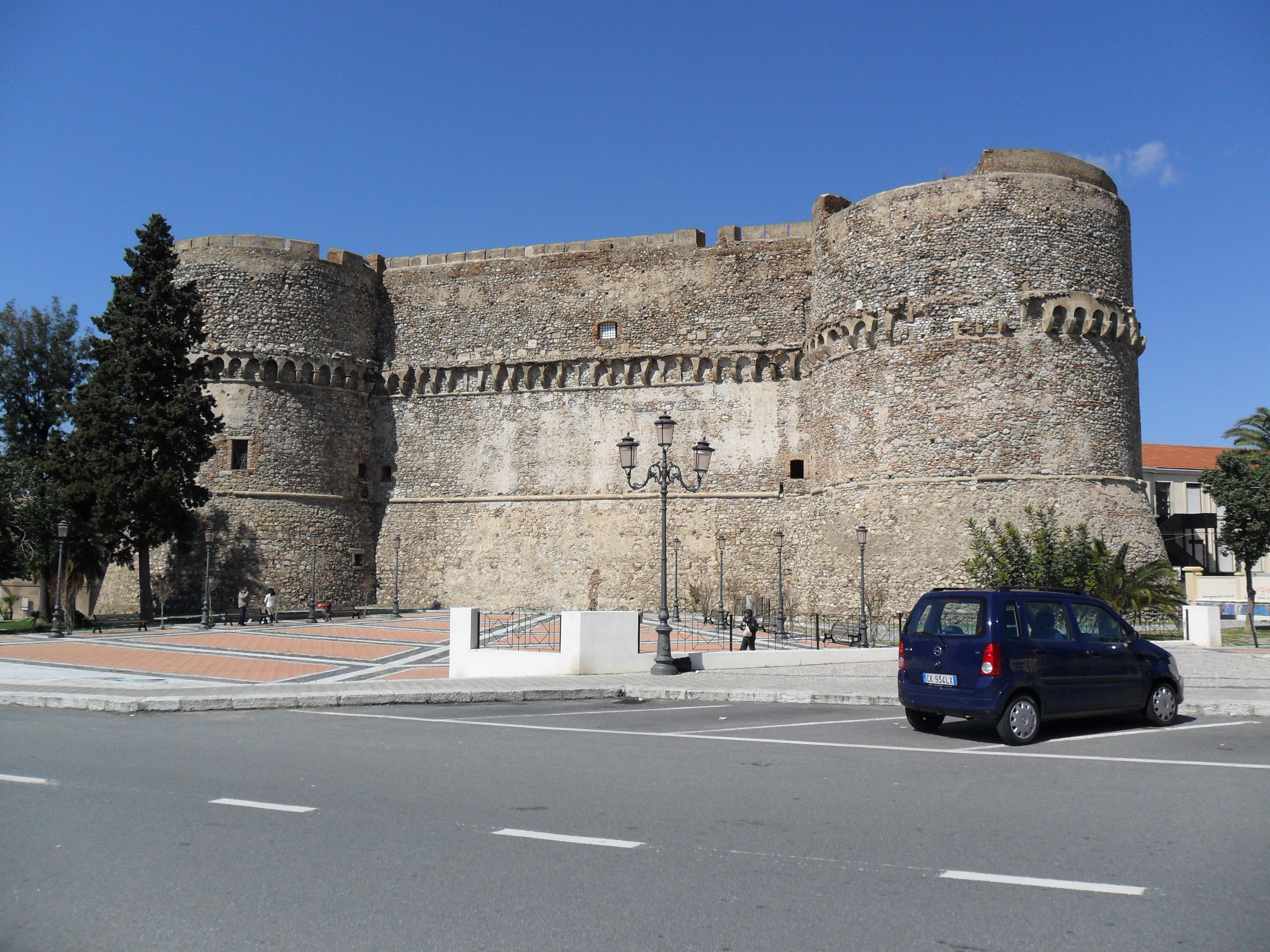
Conveniently located near Reggio Calabria’s scenic waterfront and significant landmarks such as the Aragonese Castle and Lungomare Falcomatà, the museum is an essential stop for culture seekers and scholars alike. This guide provides detailed, up-to-date information on visiting hours, ticketing, accessibility, major exhibits, and nearby attractions, ensuring a rewarding experience at one of Italy’s most important archaeological museums (Visit Italy; Evendo).
Visitor Information
Location and Accessibility
The museum is centrally located at Piazza De Nava in Reggio Calabria, within easy reach of the city center and the beautiful “Falcomatà” Seafront. Public transportation, including buses and proximity to the Reggio Calabria Centrale railway station, makes access convenient. Paid parking is available nearby, though spaces fill quickly during peak times (calabriastraordinaria.it).
Accessibility is a key priority: the museum features ramps, elevators, and barrier-free entrances. Accessible restrooms, seating areas, and wheelchairs (on request) ensure a comfortable experience for all visitors.
Opening Hours
- Tuesday to Sunday: 9:00 AM – 8:00 PM (last admission at 7:30 PM)
- Closed: Mondays, January 1, and December 25
Always check the official museum website for the latest updates on opening times, holiday schedules, and any special event hours.
Ticket Prices
- General Admission: €8
- Reduced Admission: €4 (EU citizens aged 18–25)
- Free Admission: Children under 18, EU teachers, and on the first Sunday of each month
- Special Discounts: Available for groups, seniors, and during special exhibitions
Tickets can be purchased at the entrance or online through the museum’s website. Advance booking is recommended for groups and during busy seasons (culturalheritageonline.com).
Visitor Services and Amenities
- Multilingual Guided Tours: Available in Italian, English, and other languages—book in advance for groups.
- Audio Guides: Rentable onsite or accessible via the museum app.
- Restrooms, Cloakroom, and Lockers: Available for visitor convenience.
- Museum Shop: Offers books, replicas, and local souvenirs.
- Café: Serves refreshments and light snacks.
- Family-Friendly Facilities: Educational workshops and interactive displays for children are offered, particularly during school holidays.
Photography is allowed without flash or tripods except in sensitive areas like the Riace Bronzes gallery. Always check museum signage for specific restrictions.
Museum Layout and Collections
Museum Structure
The museum is organized across four main floors, each dedicated to different eras and themes:
- Ground Floor: Entrance, ticketing, introductory exhibits, and the Riace Bronzes gallery.
- First Floor: Prehistoric and protohistoric Calabria.
- Second Floor: Greek colonization and the flourishing of Magna Græcia.
- Third Floor: Roman and Byzantine Calabria, plus temporary exhibitions.
Clear bilingual signage (Italian and English) and accessible maps are provided for easy navigation.
Must-See Exhibits
The Riace Bronzes
Discovered in 1972 off the coast near Riace, these two life-sized bronze statues from the 5th century BCE are among the world’s most celebrated examples of ancient Greek sculpture. Their remarkable artistry and preservation make them the museum’s main draw, housed in a specially climate-controlled gallery (guitaly.com; Guide to Europe).
Greek Colonization and Magna Græcia
Artifacts from colonies like Locri Epizefiri, Rhegion, Kroton, and Sybaris illustrate the development of Greek settlements in Southern Italy. Highlights include:
- Red- and black-figure pottery: Depicting mythological and daily scenes (Ancient Origins).
- Terracotta votive offerings: Particularly from Locri Epizefiri, demonstrating religious practices.
- Architectural fragments and sculptures: Including temple decorations and marble funerary stelae.
Prehistoric and Protohistoric Calabria
Explore the roots of Calabria’s earliest inhabitants, with exhibits ranging from Paleolithic tools and Neolithic pottery to Bronze Age jewelry and funerary objects.
Numismatic and Underwater Archaeology
- Numismatic Collection: Ancient coins tracing the region’s economic history.
- Underwater Archaeology: Maritime discoveries, including shipwreck cargoes and the famous bronze “Portrait of a Philosopher,” highlight Calabria’s central role in Mediterranean trade.
Roman and Byzantine Periods
Roman mosaics, statues, coins, and Byzantine jewelry and icons illustrate the cultural transformation of the region as it integrated into the Roman and later Byzantine worlds.
Suggested Visit and Travel Tips
- Recommended Duration: 2–3 hours for a full tour; plan longer if joining a guided tour or attending a special event.
- Best Times: Early morning or late afternoon visits are generally less crowded.
- Educational Activities: Check the museum’s website for upcoming workshops, lectures, and temporary exhibitions.
- Virtual Resources: The museum offers virtual tours and multimedia content for pre-visit planning.
Nearby Attractions
Enhance your visit by exploring Reggio Calabria’s other historical sites:
- Aragonese Castle: A medieval fortress with panoramic city views.
- Cathedral of Reggio Calabria: A landmark of religious and architectural significance.
- Falcomatà Seafront: A scenic promenade often called “Italy’s most beautiful kilometer.”
- Francesco Cilea Municipal Theatre: A cultural venue hosting concerts and performances.
For those with more time, consider day trips to Locri, Sibari, or Vibo Valentia for additional insights into Magna Græcia’s heritage (culturalheritageonline.com).
Frequently Asked Questions (FAQ)
Q: What are the museum’s visiting hours?
A: Tuesday to Sunday from 9:00 AM to 8:00 PM (last admission at 7:30 PM); closed Mondays and select holidays.
Q: How much do tickets cost?
A: General admission is €8, reduced €4 for EU citizens aged 18–25; free for children under 18 and special categories.
Q: Is the museum accessible for visitors with disabilities?
A: Yes, with ramps, elevators, accessible restrooms, and wheelchairs available on request.
Q: Are guided tours available?
A: Yes, in multiple languages—advance booking is recommended for groups.
Q: Can I take photos inside?
A: Non-flash photography is allowed in most areas; restrictions apply in certain galleries such as the Riace Bronzes.
Visual Gallery


Discover More
The National Museum of Magna Græcia is a must-visit destination for anyone interested in ancient history, archaeology, or Mediterranean culture. Its world-class collections—crowned by the Riace Bronzes—offer deep insight into the Greek, Roman, and indigenous cultures that shaped Southern Italy. With modern amenities, accessible facilities, and a central location, the museum provides a rich and inclusive experience for all visitors.
To make the most of your trip:
- Book tickets online or at the entrance.
- Download the Audiala app for audio guides, virtual tours, and up-to-date event information.
- Follow the museum on social media for announcements about new exhibitions, workshops, and cultural events.
Plan your visit now and immerse yourself in the enduring legacy of Magna Græcia.
Listen to the full story in the app
The whole National Museum Of Magna Græcia,
told well.
Audio guides for 1,100+ cities across 96 countries. History, stories, and local insight — offline ready.

Verified, and shown.
Researched and written by the Audiala editorial team from historical records, architectural archives, and local expertise.
Last reviewed