
Ancient Origins
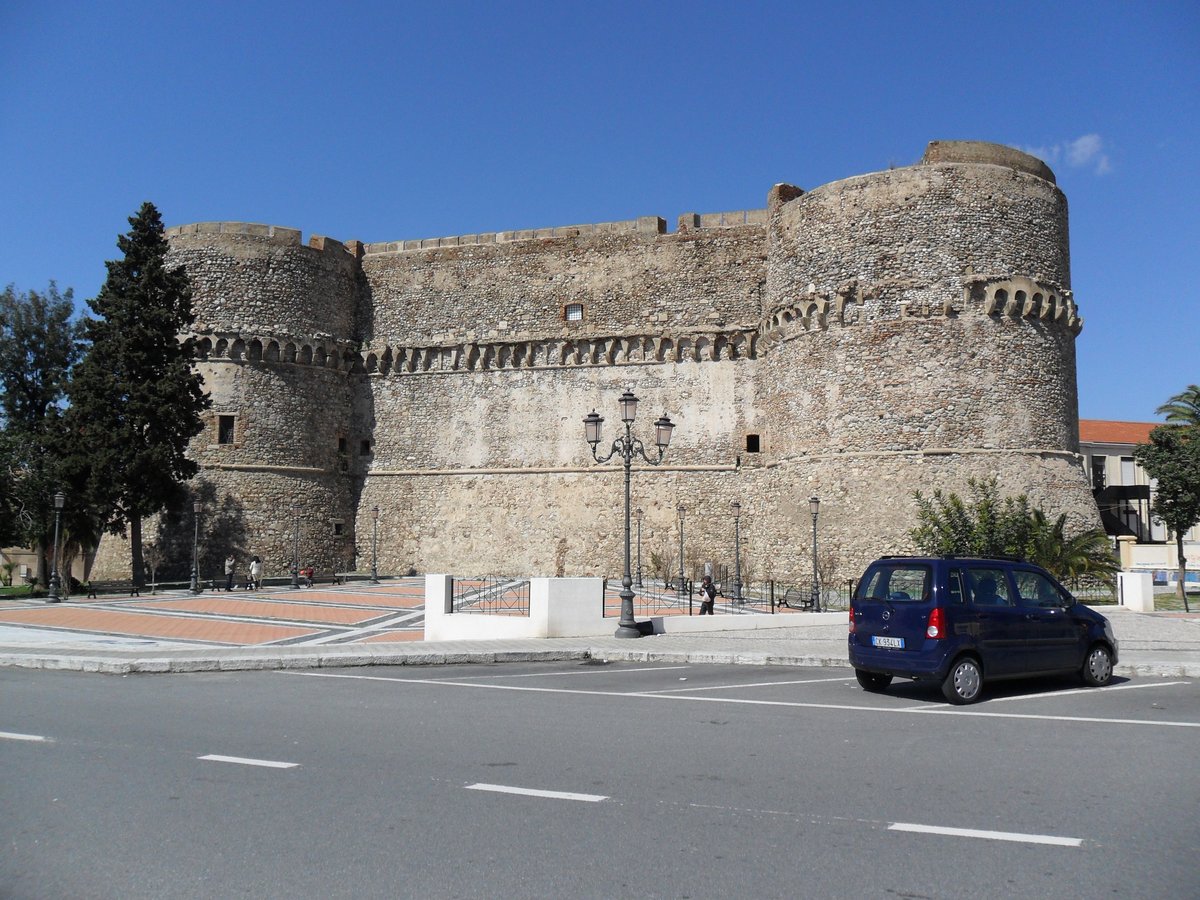
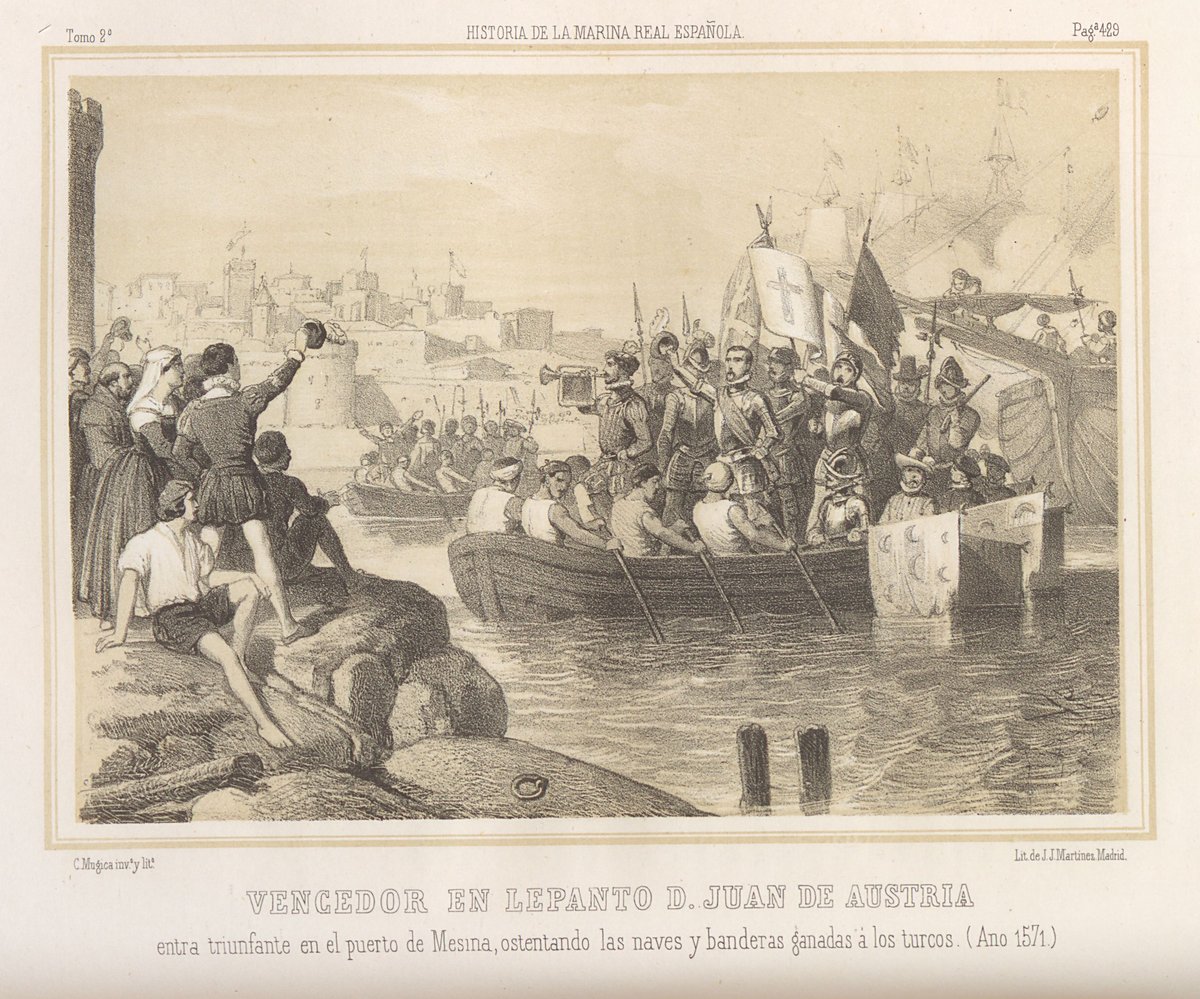
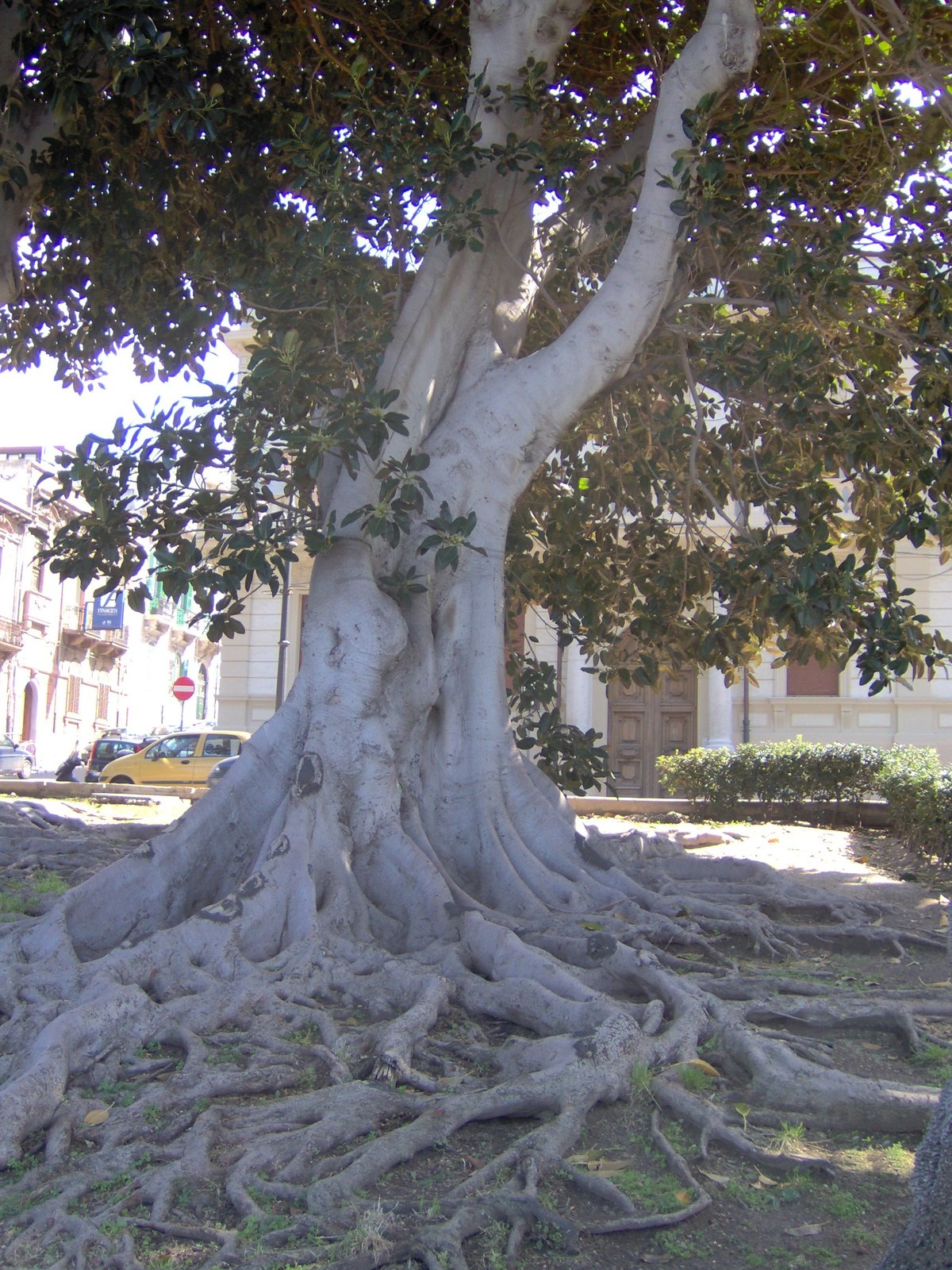
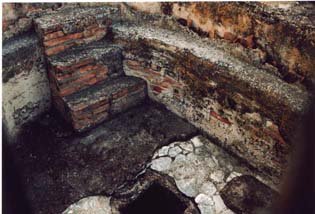
Lungomare Falcomatà traces its foundation to the Greek colony of Rhegion, established in the 8th century BCE. Along the promenade, you’ll find remnants of ancient Greek walls and Roman baths, tangible links to centuries of maritime commerce and strategic defense (calabriastraordinaria.it). Over the ages, the area witnessed Byzantine, Norman, and Aragonese influences, each leaving their mark on the urban landscape.
20th Century Transformation
After the catastrophic 1908 earthquake, Reggio Calabria underwent a comprehensive urban renewal. The current layout of the Lungomare, with its elegant Liberty (Art Nouveau) architecture and open spaces, emerged during this period, symbolizing the city’s resilience and rebirth (calabriastraordinaria.it). Notable buildings such as Palazzo Zani and Villa Genoese Zerbi date from this era.
Dedication and Civic Renewal
The promenade is named after Italo Falcomatà, mayor in the 1990s, who led the "Primavera di Reggio" (Reggio’s Spring)—a period of cultural and civic revitalization. Under his leadership, the Lungomare became the heart of public life, hosting festivals, concerts, and the cherished evening passeggiata (joebananalimos.net).
Key Landmarks and Architectural Highlights
- Liberty-Style Villas Historic buildings such as Palazzo Zani, Palazzo Spinelli, and Villa Genoese Zerbi showcase ornate Art Nouveau facades.
- Statues and Monuments The statue of Vittorio Emanuele III, commemorative war memorials, and the bronze Athena Promachos offer historical insights and photo opportunities (savoringitaly.com).
- Arena dello Stretto An open-air amphitheater inspired by Greek design, used for concerts and cultural events.
- Archaeological Remains Segments of ancient Greek walls and Roman baths are visible along the promenade, accompanied by informational plaques (calabriastraordinaria.it).
- Modern Installations Contemporary art, such as the solar clock (meridiana) and Opere di Rabarama sculptures, reflect the city’s blend of tradition and innovation (cultandsocial.it).
Visitor Information: Hours, Tickets, and Accessibility
- Visiting Hours Open 24 hours a day, year-round.
- Tickets Access to the promenade and visible archaeological sites is free. Some special events or guided tours may require tickets.
- Accessibility The promenade is fully wheelchair accessible, with wide, smooth paths, ramps, and accessible beach access points.
- Restrooms and Amenities Public toilets, seating, playgrounds, and drinking fountains are distributed along the route.
- Safety Well-lit and patrolled by local police, the Lungomare is safe day and night (reggio-calabria.info).
Travel Tips and Photographic Spots
- Best Times to Visit Early mornings and evenings provide cooler temperatures and beautiful lighting for photos, especially at sunset with views of the Strait of Messina and Mount Etna (italien.expert).
- What to Bring Comfortable shoes, water, sunscreen, and a camera.
- Photographic Highlights Arena dello Stretto, illuminated palm-lined walkways, and panoramic viewpoints.
- Cultural Etiquette Evening strolls are popular—dress smart-casual and join locals for the passeggiata.
Events and Modern Civic Life
Lungomare Falcomatà hosts a rich calendar of events, including open-air concerts, artisan markets, religious processions, and the annual Festa della Madonna della Consolazione in September. The promenade comes alive at night with street performers, family activities, and the vibrant energy of both locals and visitors (toptravelandfood.com).
Gastronomy and Local Experiences
- Cafés and Gelaterias Enjoy Calabrian specialties such as swordfish, ‘nduja, and bergamot desserts at seafront eateries and the legendary Gelato Cesare (journeygazer.com).
- Markets and Street Food On weekends and during festivals, street vendors offer fresh seafood, cheeses, and local crafts.
- Dining with a View Many restaurants feature terraces overlooking the sea.
Nearby Attractions and Points of Interest
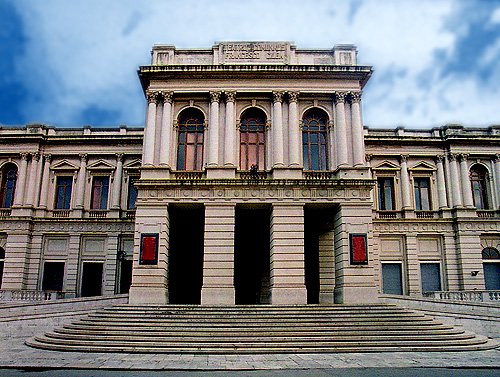
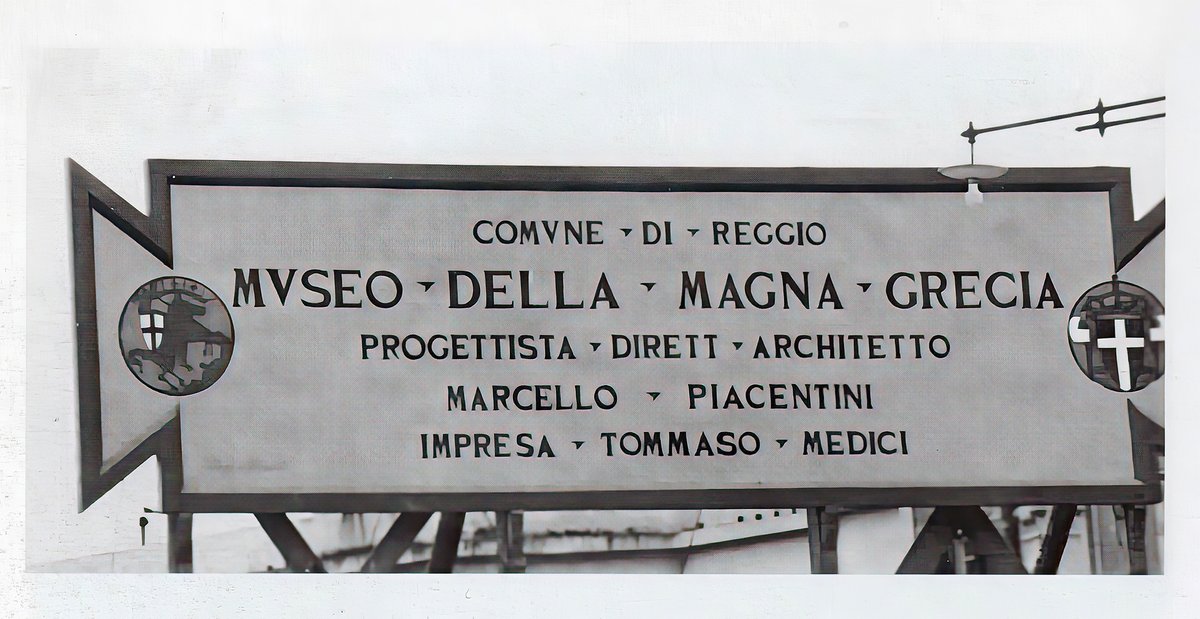
- National Archaeological Museum Home to the famous Riace Bronzes, a must-visit for history enthusiasts.
- Villa Genoese Zerbi Known for its Moorish Revival architecture and cultural events.
- Beaches Direct access from the Lungomare to urban beaches, equipped with showers and lifeguards.
- Historic City Center Explore the heart of Reggio Calabria with its shops, cafes, and additional historical sites (reggio-calabria.info).
Getting There and Transport Options
- By Air Reggio Calabria Airport is 5 km from the city center; taxis and buses connect to the Lungomare (reggiocalabriaairport.it).
- By Train Reggio Calabria Centrale station is a 10-minute walk away (trenitalia.com).
- By Ferry Ferries from Messina dock near the promenade (blujetlines.it).
- Public Transport ATAM buses serve key routes (atam.rc.it).
- Car Rental and Parking Rentals available; parking may be limited during busy periods.
- Cycling Bike rentals are available along the promenade.
FAQ
Q: What are the visiting hours of Lungomare Falcomatà?
A: The promenade is open 24/7, year-round, with free public access.
Q: Is there an entrance fee?
A: No, access to the promenade and visible archaeological sites is free. Some special events or guided tours may require tickets.
Q: Is Lungomare Falcomatà wheelchair accessible?
A: Yes, there are wide, smooth paths, ramps, and accessible beach points.
Q: Are guided tours available?
A: Yes, multilingual walking tours can be booked through local tourism offices or online (cultureactivities.com).
Q: What nearby attractions should I visit?
A: National Archaeological Museum (Riace Bronzes), Villa Genoese Zerbi, city beaches, and the historic city center.
Q: When is the best time to visit?
A: Spring (April–June) and autumn (September–November) offer comfortable temperatures and fewer crowds.