Plan and listen to with Audiala.
Audio guide in your pocket, itinerary in your browser. Built for the way you actually visit.
Introduction
Reggio Calabria, located at the southern tip of Italy on the Strait of Messina, is a living tapestry of ancient civilizations, architectural marvels, and enduring traditions. Once known as Rhegion, the city was an influential center of Magna Graecia and has witnessed Greek, Roman, Byzantine, Norman, and modern Italian eras, each leaving indelible marks on its cultural landscape. Today, visitors can immerse themselves in a destination where archaeological wonders, Mediterranean cuisine, lively festivals, and sweeping coastal views unite for an unforgettable experience (Wikipedia; Italia.it; Factsgem).
This comprehensive guide provides essential information for exploring Reggio Calabria’s renowned historical sites, including ticketing, opening hours, accessibility, travel tips, and insider recommendations. Whether you’re passionate about ancient history, seeking authentic cuisine, or planning a scenic coastal getaway, Reggio Calabria welcomes you with open arms and a wealth of discoveries.
Ancient Origins and Greek Heritage
Founded in the 8th century BCE by Chalcidian Greeks, Reggio Calabria was among the earliest and most important cities of Magna Graecia (Wikipedia; Italia.it). Its strategic location at the gateway to the Italian peninsula fostered economic growth and cultural exchange. The city’s Greek legacy is most dramatically embodied by the Riace Bronzes—two 5th-century BCE warrior statues discovered offshore in 1972 and now displayed in the National Archaeological Museum.
Visitors will also find remnants of Greek walls and urban layouts in the city center, while linguistic and culinary traditions reflect Hellenic influence (Factsgem; Understanding Italy).
Roman and Early Christian Periods
After aligning with Rome following the Pyrrhic Wars, Reggio became a municipium and enjoyed continued prosperity under Roman rule (Italia.it). Notable infrastructure, including roads, baths, and public buildings, was constructed. The city was also an early adopter of Christianity, as evidenced by ancient catacombs and basilicas.
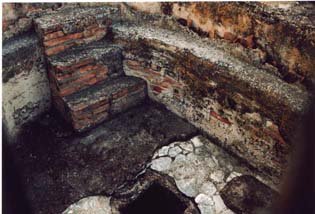
Archaeological sites such as the Roman Baths and city walls provide insight into this transformative era.
Byzantine, Norman, and Medieval Transformations
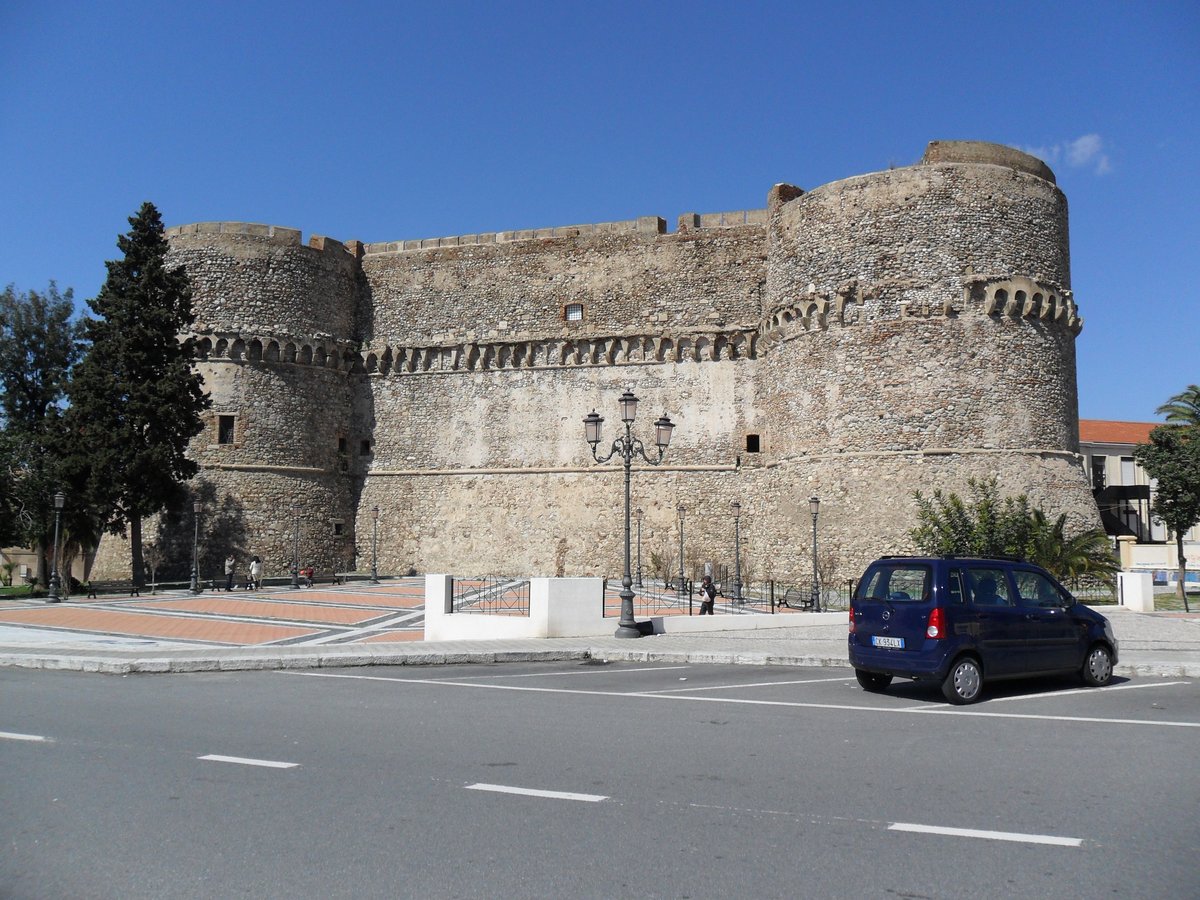
With the fall of the Western Roman Empire, Reggio Calabria became a Byzantine stronghold and the capital of the Thema of Calabria (Italia.it). Successive waves of Norman, Swabian, and Aragonese rule brought further architectural and cultural changes. The imposing Aragonese Castle, originally a Byzantine structure, was expanded in the 15th century and stands today as a symbol of the city’s layered history (Factsgem).
Modern Era: Earthquakes, Rebuilding, and Urban Renewal
Reggio Calabria’s resilience is evident in its response to natural disasters. Major earthquakes in 1783 and, most devastatingly, in 1908, destroyed much of the city, prompting extensive rebuilding in the early 20th century (Understanding Italy). The seafront and main boulevards were rebuilt in elegant Art Nouveau style, giving rise to the celebrated Lungomare Falcomatà—a palm-lined promenade renowned for its beauty (Factsgem).
Twentieth Century: War, Social Unrest, and Organized Crime
During World War II, Reggio Calabria was heavily bombed due to its strategic location (Wikipedia). In the 1970s, the city became the epicenter of the “Moti di Reggio,” a period of social unrest tied to regional capital status disputes, economic challenges, and the influence of the ‘Ndrangheta Mafia (Wikipedia). In 2012, the city council was dissolved due to mafia infiltration, highlighting ongoing efforts to combat organized crime.
Living Heritage: Culture, Festivals, and Cuisine
Reggio Calabria’s vibrant culture is expressed through its festivals, artisanal crafts, and distinctive cuisine. Annual events like Carnival and the Feast of Saint Rocco blend ancient customs with contemporary celebrations (Adventure Backpack). The city is famous for culinary specialties such as ‘Nduja, swordfish, and bergamot-infused gelato (Italia.it). Artisanal traditions, including weaving and ceramics, remain integral to local identity (Adventure Backpack).
Key Historical Sites and Visitor Information
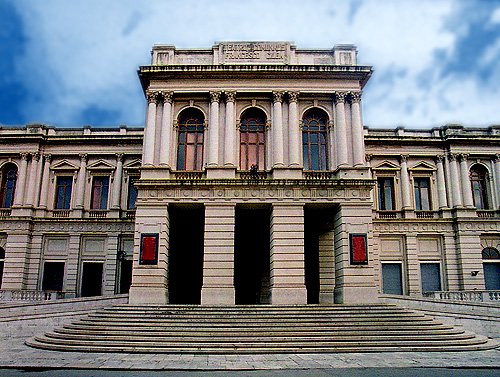
National Archaeological Museum of Reggio Calabria (Museo Archeologico Nazionale)
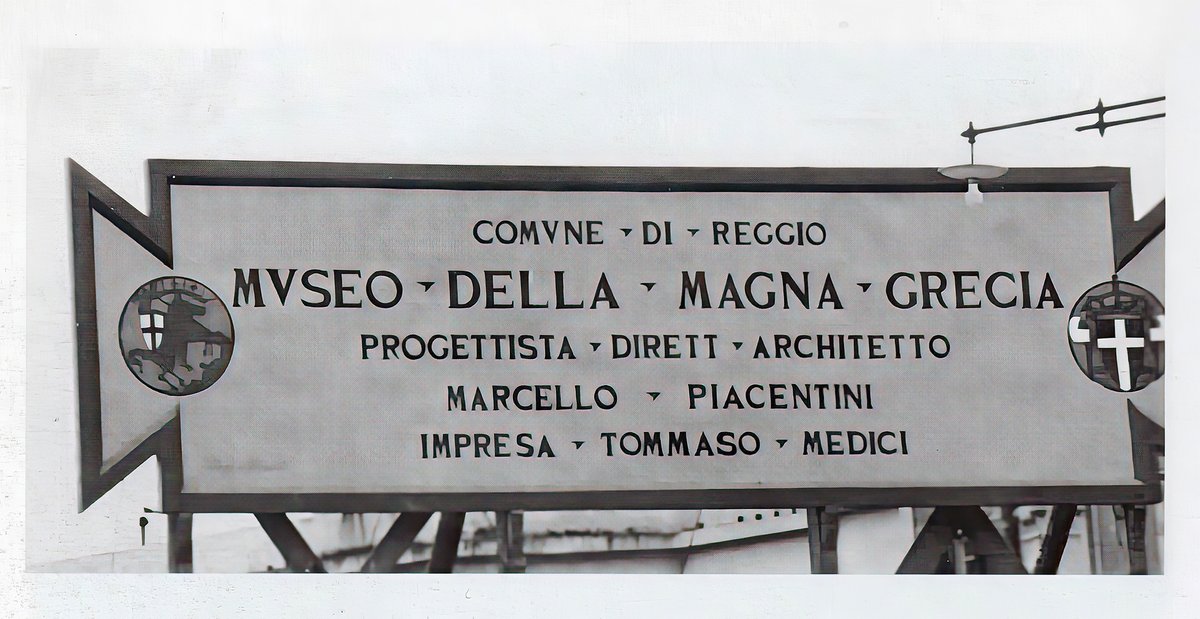
The museum is renowned for housing the Riace Bronzes and a vast collection of artifacts from Magna Graecia and Roman periods (turismo.reggiocal.it).
- Visiting Hours: Tuesday–Sunday, 8:30 AM–7:30 PM; closed on Mondays.
- Tickets: €6 for adults; reduced rates for EU citizens aged 18–25; free for children under 18 and EU citizens over 65.
- Accessibility: Wheelchair accessible with elevators.
- Guided Tours: Available in multiple languages; audio guides for rent.
For the latest details, visit the official museum website.
Aragonese Castle (Castello Aragonese)
A striking fortress with origins in the Byzantine era, later expanded by the Aragonese (Factsgem).
- Visiting Hours: Tuesday–Sunday, 9:00 AM–6:00 PM; closed Mondays.
- Tickets: €4 for adults; reduced €2 for students and seniors.
- Accessibility: Some areas have limited access due to stairs.
- Features: Exhibitions, guided tours, and panoramic city views.
Other Notable Sites and Museums
- Lungomare Falcomatà: Renowned promenade with gardens, sculptures, and views of Sicily (Italy Heaven).
- Basilica Cattedrale di Maria Santissima Assunta in Cielo: Rebuilt after the 1908 earthquake, open daily with free admission.
- Pinacoteca Civica: Civic art gallery featuring works from the 15th–19th centuries.
- Museo Nazionale del Bergamotto: Dedicated to the region’s unique citrus fruit.
- Roman Baths and Greek Walls: Archaeological remains near the seafront.
- Museo dello Stretto: Focus on the natural and cultural history of the Strait of Messina.
Day Trips and Nearby Destinations
- Scilla: Picturesque fishing village with Ruffo Castle (Italy Magazine).
- Gerace: Medieval hilltop town with Norman cathedral (e-Borghi).
- Capo Vaticano: Famous for beaches and marine life (Italia.it).
- Aspromonte National Park: Hiking, wildlife, and traditional mountain villages.
Practical Travel Tips
- Best Time to Visit: April–June and September–October for pleasant weather and fewer crowds (theroadreel.com).
- Transport: The city is accessible by train, bus, car, and ferry. The airport connects to major Italian cities.
- Accessibility: Most main attractions offer wheelchair access; verify specifics before visiting.
- Language: Italian is the primary language; English is spoken in tourist areas.
- Safety: Generally safe, with standard precautions advised in busy or isolated areas.
- Tickets and Tours: Purchase tickets online or at site entrances; guided tours enhance understanding of the city’s rich history.
Frequently Asked Questions (FAQ)
Q: What are the opening hours and ticket costs for the National Archaeological Museum?
A: Tuesday–Sunday, 8:30 AM–7:30 PM; closed Mondays. Tickets €6, reduced for EU citizens 18–25, free for under 18 and over 65.
Q: Is the Aragonese Castle accessible for visitors with limited mobility?
A: Some parts are accessible, but there are stairs in certain areas.
Q: Are guided tours available for key sites?
A: Yes, guided and audio tours are offered at the main museums and the castle; booking ahead is recommended.
Q: When is the best time to visit Reggio Calabria?
A: April–June and September–October for optimal weather and fewer tourists.
Q: What unique culinary experiences should I try?
A: Sample ‘Nduja, swordfish, bergamot gelato, and local wines.
Listen to the full story in the app
The whole ,
told well.
Audio guides for 1,100+ cities across 96 countries. History, stories, and local insight — offline ready.
Verified, and shown.
Researched and written by the Audiala editorial team from historical records, architectural archives, and local expertise.
Reggio Calabria. Wikipedia
Reggio Calabria Guide - History and Facts. Italia.it
Facts About Reggio di Calabria. Factsgem
Reggio Calabria Province. Understanding Italy
Reggio Calabria Events and Festivals. Adventure Backpack
Reggio Calabria Travel Guide. Italy Heaven
22 Things to Know Before You Go to Calabria. Tourist Secrets
Reggio Calabria Attractions. Culture Activities
Reggio Calabria Italy Travel Guide. Savoring Italy
Most Historic Buildings and Sites in Reggio Calabria. Wanderlog
(2025). Zaha Hadid Architects Breaks Ground on Centre of Mediterranean Culture in Reggio Calabria. Designboom
Last reviewed
Researched from Wikidata, Wikipedia & official sources · fact-checked · How we make our guides →