Plan and listen to Kamarina with Audiala.
Audio guide in your pocket, itinerary in your browser. Built for the way you actually visit.
Introduction: The Legacy of Kamarina and Ragusa
Nestled along Sicily’s southern coast near Ragusa, the ancient city of Kamarina is an archaeological and cultural treasure that invites travelers and history enthusiasts alike. Founded in 598-599 BCE by Greek settlers from Syracuse, Kamarina flourished as a military and economic center, shaped by its fertile plains and strategic control over the Hipparis and Oanis rivers. The city’s grid-based urban planning, imposing city walls, sanctuaries, and impressive necropolises all testify to its significance in the ancient Mediterranean (Enjoy Sicilia; Ragusa Sicilia).
Kamarina’s story is one of resilience—marked by repeated destruction and reconstruction through Greek, Carthaginian, Roman, and Arab eras. Its ruins and museum collections illuminate ancient urban sophistication, religious practices, daily life, and the city’s role as a multicultural hub at Sicily’s historic crossroads (WhichMuseum).
Today, visitors exploring Kamarina can also enjoy the broader Ragusa region, renowned for its Baroque architecture, vibrant festivals, rural villages, and living artisanal traditions. This guide offers a comprehensive overview of Kamarina’s history and practical visitor information, including opening hours, ticketing, accessibility tips, and nearby cultural highlights—to help you plan an enriching and seamless visit.

The Greek Foundation and Urban Planning
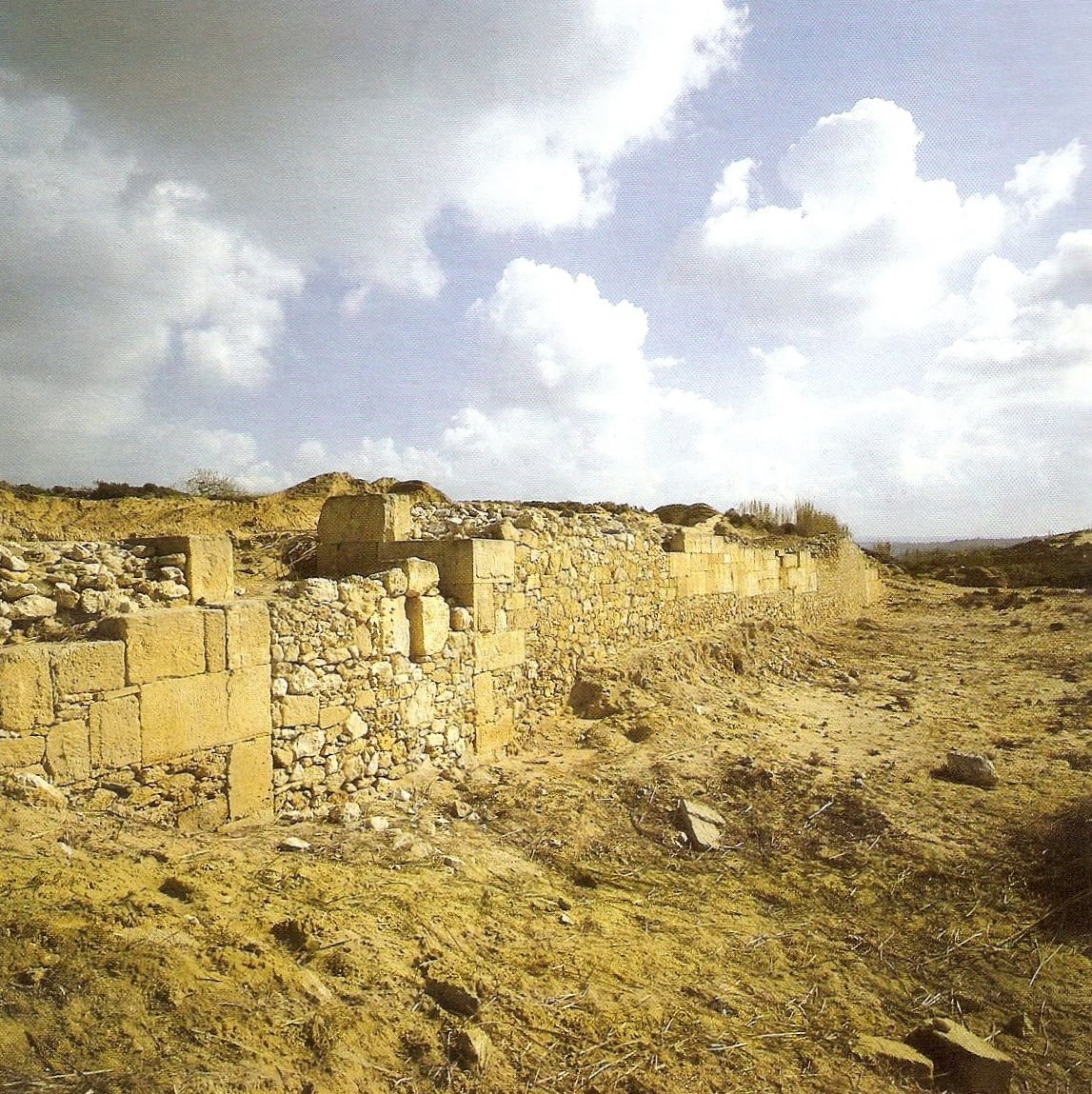
Kamarina was established in the late 6th century BCE by colonists from Syracuse. Its location—between the Hipparis (Ippari) and Oanis (Rifriscolaro) rivers—offered both natural protection and fertile agricultural land. The city’s layout followed the Greek orthogonal grid, with residential and public areas spread across three hills, most notably Cammarana hill. The ruins display sophisticated urban planning, including city walls, gates, and bastions constructed in several phases, reflecting Kamarina’s frequent sieges and reconstructions (enjoysicilia.it; ragusa-sicilia.it).
Hellenistic Prosperity and Daily Life
The 5th and 4th centuries BCE marked Kamarina’s golden age. Agricultural production, maritime trade, and port activity fueled economic growth. Archaeological remains—such as the Temple of Athena, agora, and residential quarters—offer insight into religious, administrative, and domestic life. The city’s grid included houses with courtyards, wells, and cisterns, revealing advanced water management and communal living practices. Artifacts like amphorae, pottery, and tools found here are now key highlights at the Kamarina Regional Archaeological Museum.
Necropolises and Funerary Culture
Kamarina’s necropolises, especially Passo Marinaro and Rifriscolaro, are among Sicily’s richest. Tombs range from simple pits to elaborate chamber graves, containing ceramics, jewelry, and weapons that reflect a blend of Greek and indigenous Sicilian customs. These findings provide valuable clues to the city’s social structure, beliefs, and connections across the Mediterranean (whichmuseum.com).
Roman Conquest and Medieval Continuity
Kamarina’s decline was sealed by the Roman conquest in 258 BCE during the First Punic War. After its destruction, the city was never fully rebuilt, but the area saw intermittent settlement through the Byzantine and Norman periods. The nearby Baia dei Coralli port gained importance in later centuries, and traces of these eras are visible in the archaeological record (ragusa-sicilia.it).
Unique Islamic-Era Remains
A rare highlight at Kamarina is the "Hamman qbel Jamaa," a public bath from the brief 9th-century Arab occupation. This structure—one of only two such baths known in Sicily—attests to the site’s ongoing adaptation and multicultural legacy.
Kamarina Regional Archaeological Museum
Located within the archaeological park near Scoglitti, the museum houses an extensive collection:
- Greek and Roman pottery (amphorae, kraters, lamps)
- Terracotta figurines and votive offerings
- Ancient coins and jewelry
- Tools and everyday items
- Artifacts from the necropolises
Modern displays and conservation facilities make the museum a must-visit for anyone interested in ancient Sicilian culture (whichmuseum.com).
Visiting Kamarina: Hours, Tickets, and Access
Opening Hours:
- March–October: 9:00 AM – 7:00 PM (last entry 6:00 PM)
- November–February: 9:00 AM – 4:00 PM (last entry 3:00 PM)
- Closed Mondays and major holidays
- Museum hours may vary; check official sources before visiting
Tickets:
- Adults: €8
- Reduced (EU citizens 18–25): €5
- Free: Children under 18, residents of Santa Croce Camerina, EU citizens over 65
Accessibility:
- Wheelchair access to major areas and museum (ramps and accessible restrooms available)
- Some ancient ruins have uneven terrain—comfortable footwear recommended
Guided Tours:
- Available by reservation in multiple languages
- Enhance your experience with expert historical and archaeological insights
Getting There:
- By car: About 20–25 km from Ragusa; parking available
- By bus: Local connections from Ragusa, Marina di Ragusa, or Syracuse (Tumino bus lines)
- Nearby towns: Santa Croce Camerina, Punta Secca
Exploring Ragusa and Surroundings
Ragusa Ibla: Known for its UNESCO-listed Baroque architecture, including the Duomo di San Giorgio and Church of St. Mary of the Stairs (Eternal Arrival; Things.in).
Modica: Famous for chocolate and Baroque churches.
Scicli and Noto: Picturesque Baroque towns with rich traditions.
Donnafugata Castle: A local landmark open for tours (The Road Reel).
Beaches: Wide, sandy beaches at Kamarina, Punta Secca, and Marina di Ragusa, with family-friendly amenities and water sports (Along Dusty Roads).
Local Festivals and Artisanal Traditions
Ragusa’s cultural calendar is packed with religious festivals and food fairs. Highlights include the Feast of St. John the Baptist in Ragusa (June 15–24, 2025), the Cherry Festival in Monterosso Almo, and the Truffle Market Fair in Chiaramonte Gulfi (Enjoy Sicilia). Artisanal crafts, especially ceramics, are celebrated in workshops across the province (TuryTrip). Cooking classes and rural experiences allow visitors to engage with local culinary heritage.
Practical Travel Tips
- Best Time to Visit: Late spring and early fall for pleasant weather and festivals; summer for beach activities.
- Duration: 3–4 days recommended to explore Kamarina and Ragusa’s highlights.
- Transport: Renting a car is advisable; local buses connect to major towns.
- Language: Basic Italian is helpful; English is spoken at main tourist sites.
- Etiquette: Respect local customs, especially during religious events; dress modestly in churches and at festivals (Gathering Dreams).
FAQ
Q: What are Kamarina’s opening hours?
A: March–October: 9:00 AM–7:00 PM; November–February: 9:00 AM–4:00 PM; closed Mondays.
Q: Are guided tours available?
A: Yes, in multiple languages by reservation.
Q: Is the site wheelchair accessible?
A: Main areas and museum are accessible; some ruins have uneven ground.
Q: How do I buy tickets?
A: Onsite or online through the official regional tourism portal.
Q: What else can I see nearby?
A: Ragusa Ibla, Modica, Scicli, Donnafugata Castle, and local beaches.
Discover More
Kamarina Archaeological Site is a captivating gateway to Sicily’s ancient and diverse history, featuring Greek urbanism, Roman and Islamic layers, and a living connection to today’s cultural traditions. With accessible facilities, affordable tickets, and enriching guided tours, Kamarina is an unmissable destination for anyone interested in history, culture, and the beauty of southeastern Sicily.
Download the Audiala app for updated visitor information, exclusive travel tips, and personalized itineraries. Follow us on social media for the latest news and more insights into Sicily’s treasures!
Listen to the full story in the app
The whole Kamarina,
told well.
Audio guides for 1,100+ cities across 96 countries. History, stories, and local insight — offline ready.
Verified, and shown.
Researched and written by the Audiala editorial team from historical records, architectural archives, and local expertise.
Researched from Wikidata, Wikipedia & official sources · fact-checked · How we make our guides →

