What the Sentiero dei Condannati is
The Sentiero dei Condannati, or “Path of the Condemned,” is a historic trail in Porto Venere, Italy. Once used by prisoners sentenced to forced labor in local quarries, it is now a restored cultural and educational landmark. Visitors can follow the route, see informational plaques and take in views of the Ligurian coastline.
History
The trail dates to the medieval period. Porto Venere was then a strategic maritime hub, and quarrying Portoro marble was important to the local economy. This prized black stone, veined with gold, was used in Renaissance architecture. The Sentiero dei Condannati facilitated the transport of prisoners to the quarries, where they worked under harsh and inhumane conditions.
The laborers’ work contributed to buildings including the San Pietro Church, the Palazzo Ducale in Venice, and the Cathedral of San Lorenzo in Genoa. The route is a reminder of the human cost of these architectural achievements and of the social and economic dynamics of medieval Porto Venere.
The path has been restored and preserved as a cultural and historical landmark. Local schools and universities organize educational field trips to the site, incorporating it into history and social studies curricula. Porto Venere also hosts annual commemorative events, including historical reenactments, guided tours and lectures by historians and scholars. The trail is part of hiking and cultural routes that attract visitors to the region.
Plans have been proposed to develop the path further as a cultural and educational resource, including the creation of a dedicated museum or interpretive center.
What to see
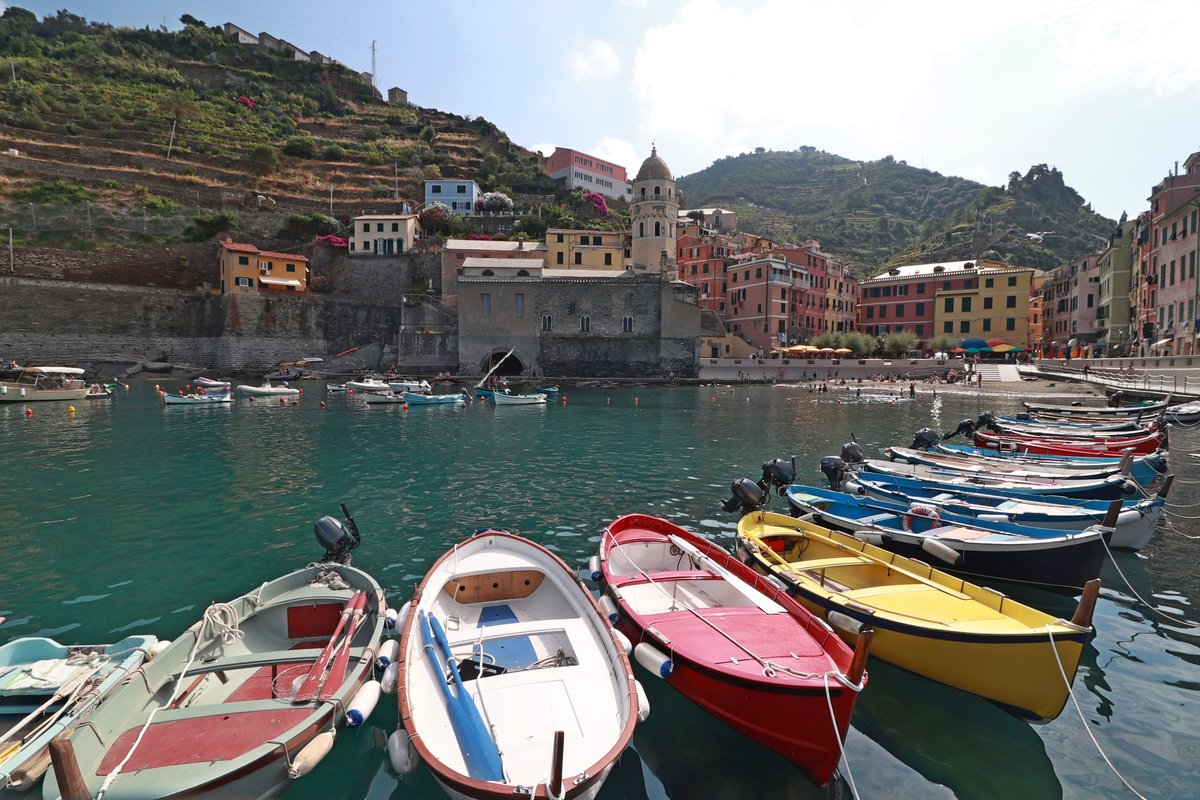
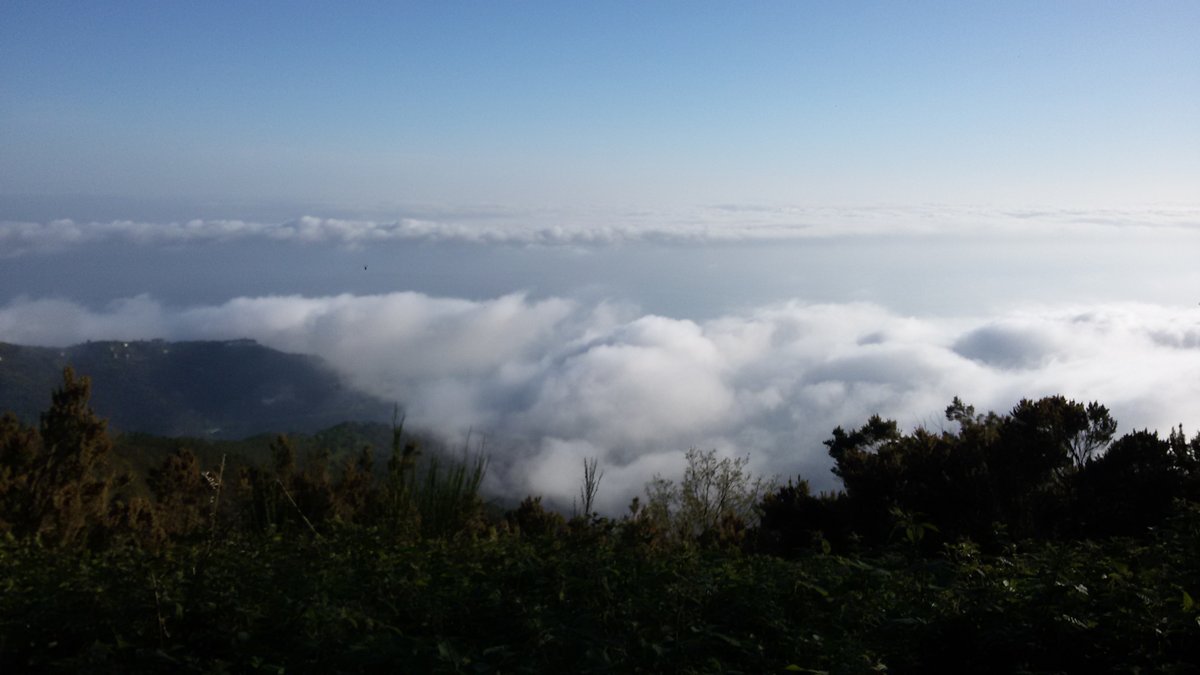
The trail passes through Mediterranean scrubland and pine forests, with opportunities to spot lizards, birds and butterflies. It offers views of the Ligurian Sea and rugged coastline, including a panoramic vista from the top of the trail and a view of the Church of San Pietro in Porto Venere.
Historical features along the route include remnants of ancient fortifications and military structures, as well as old bunkers and observation posts dating to World War II. Informational plaques provide context about the path’s history.
Practical visiting information
Hours, tickets and access
Information about admission differs: one account lists access daily from 9:00 AM to 6:00 PM, with tickets costing €10 for adults, €5 for children under 12 and €7 for seniors aged 65 and over. Group discounts are available for parties of 10 or more, and tickets can be purchased online or at the entrance.
Another visitor-information account says the trail is open year-round and has no entrance fee; guided tours may have fees. For safety, it recommends hiking during daylight hours. Check the official Porto Venere tourism website for special events and guided tours.
The trail is partially accessible to visitors with mobility issues, but some sections may be challenging because of uneven terrain. Check with local authorities for current accessibility information.
Guided tours
Guided tours are available and can be booked in advance. Local companies offer guided hikes that cover the trail’s history and natural features. Check with local tour operators for availability and pricing.
Trail length and difficulty
The trail is approximately 4 kilometers (2.5 miles) long and is considered a moderate to challenging hike. It includes steep ascents and descents, rocky paths and narrow passages. Hikers should be in good physical condition.
Tips for visiting
Spring, from April to June, and autumn, from September to October, are recommended for milder weather, with temperatures ranging from 15°C to 25°C (59°F to 77°F). Summer temperatures can exceed 30°C (86°F), making the hike more strenuous. Winter is less crowded, but can be chilly, and rain may make the trail slippery.
Wear sturdy hiking boots with good grip and ankle support. Trekking poles can provide added stability. Lightweight, breathable layers and a waterproof jacket are recommended. Bring a small daypack, a map and a compass or GPS device, sunscreen, sunglasses and a hat. There are no water sources along the trail, so bring at least 1.5 liters of water per person, along with snacks such as nuts, dried fruit or energy bars. A basic first aid kit with band-aids, antiseptic wipes and blister treatment is also useful.
Stay on the trail, check the weather forecast before setting out and avoid hiking in severe weather. Drink water regularly and take breaks for snacks. Hiking in a group is safer; if hiking alone, tell someone your plans and expected return time. Keep a mobile phone with emergency contacts saved. Italy’s local emergency number is 112.
Carry out all trash and leave the natural environment as you found it. Do not disturb wildlife; observe animals from a distance. Open fires are prohibited, though a portable stove may be used for cooking. Wild camping is not allowed on the trail; designated camping areas are in Porto Venere.
For photography, the golden hour shortly after sunrise or before sunset offers soft, warm light. A wide-angle lens can capture the views, and a tripod can help with steady shots, especially in low light. Trees and rocks can be used to frame photographs of the coastline and sea.
Reusable water bottles and avoiding single-use plastics help minimize environmental impact. Visitors are also encouraged to respect local customs and traditions, learn a few basic Italian phrases and support local conservation efforts that protect the area’s natural and cultural heritage.
Nearby places and amenities
Nearby attractions include Porto Venere, the Church of San Pietro and Doria Castle. Porto Venere has accommodation ranging from luxury hotels to budget hostels; booking in advance is recommended, especially during peak tourist seasons. Restaurants and cafes serve local Ligurian cuisine, including seafood dishes and pesto alla Genovese.
Porto Venere is accessible by bus from La Spezia. Ferry services connect it with the Cinque Terre and other coastal towns.
FAQ
What are the visiting hours for Sentiero dei Condannati?
One account lists the trail as open daily from 9:00 AM to 6:00 PM. Another says it is open year-round and recommends hiking during daylight hours.
How much are tickets for Sentiero dei Condannati?
One account lists tickets at €10 for adults, €5 for children under 12 and €7 for seniors aged 65 and over, with group discounts for parties of 10 or more. Another says there is no entrance fee. Some guided tours may have fees.
Is the Sentiero dei Condannati accessible to people with mobility issues?
The trail is partially accessible, but some sections have uneven terrain. Check with local authorities for current accessibility information.
Are guided tours available?
Yes. Guided tours are available and can be booked in advance.
What other attractions are nearby?
Nearby attractions include Porto Venere, the Church of San Pietro and Doria Castle.
Is the trail suitable for beginners?
It is a moderate to challenging hike and may not be suitable for beginners. Proper preparation and fitness are recommended.
Can I bring my dog on the trail?
Dogs are allowed but must be kept on a leash at all times.
Are there restrooms along the trail?
There are no restrooms on the trail.