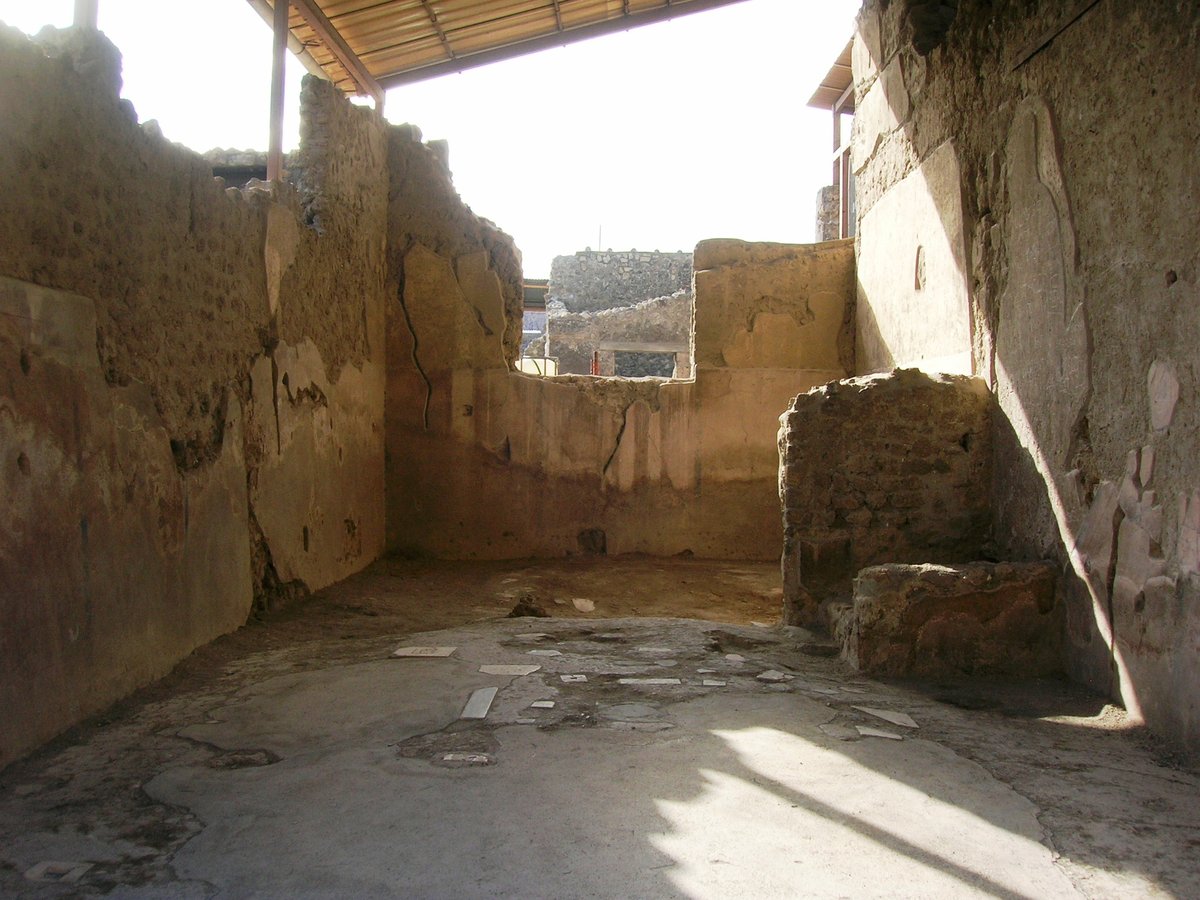
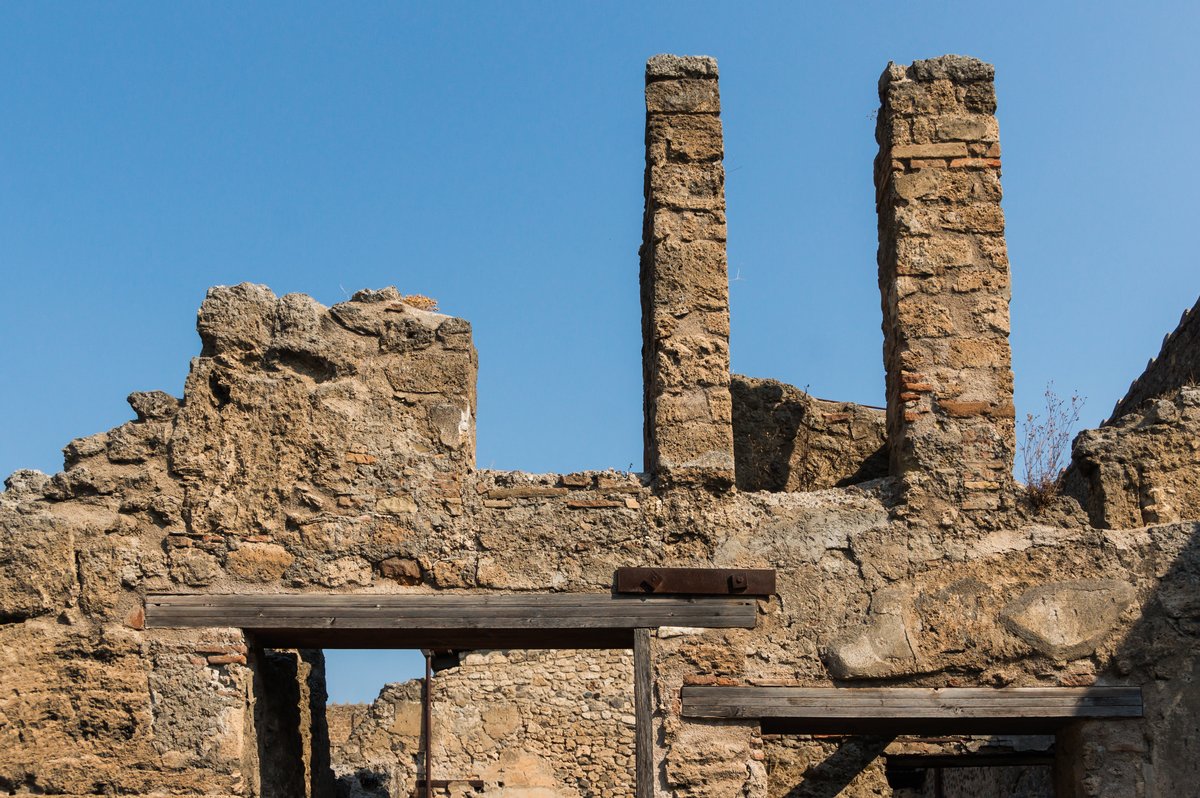
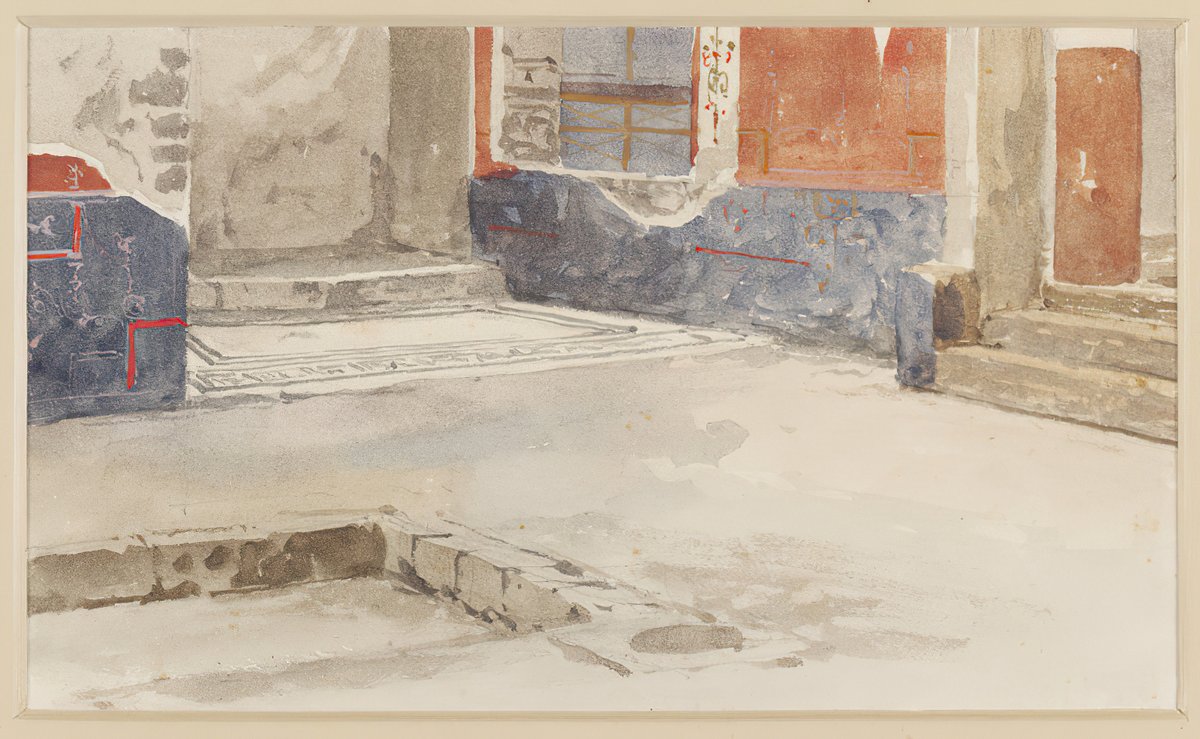
Introduction: Why Visit Pompeii?
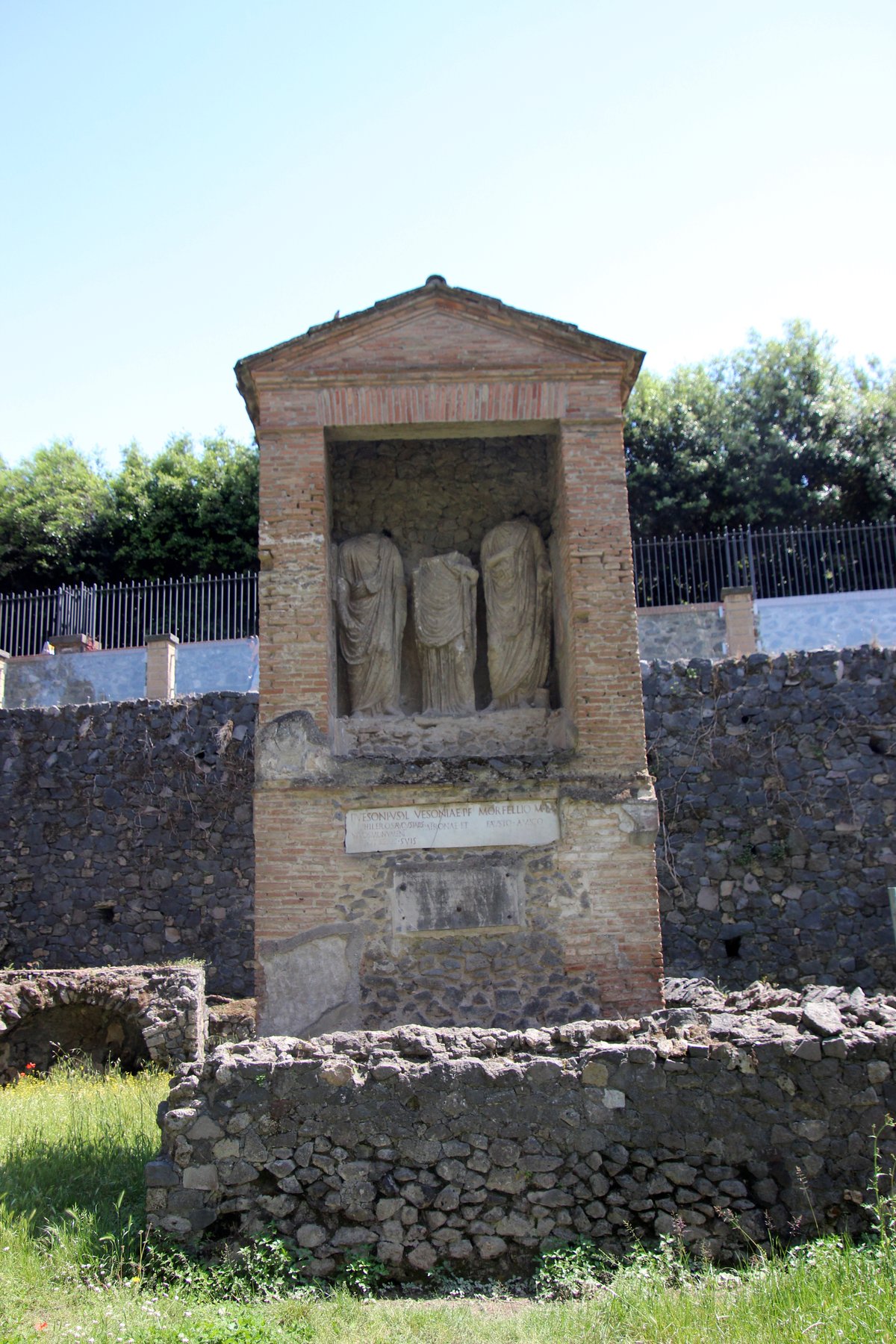
Pompeii, located near Naples, Italy, is one of the world's most significant archaeological sites, offering a remarkably vivid window into ancient Roman life. The catastrophic eruption of Mount Vesuvius in 79 CE buried the city in volcanic ash, preserving its streets, homes, frescoes, and everyday artifacts. Today, Pompeii is a UNESCO World Heritage Site and a living laboratory for archaeologists, historians, and travelers alike, revealing new discoveries with each passing year (Britannica; History.com).
With its blend of historical intrigue, architectural wonders, and ongoing excavations, Pompeii stands as an essential destination for anyone interested in history, culture, or archaeology. This guide combines a detailed overview of Pompeii’s history and significance with practical visitor information, including tickets, visiting hours, accessibility, and travel tips (Pompeii Archaeological Park; menofpompeii.com; The Archaeologist; culturedvoyages.com).
Origins and Early Development
Pompeii’s settlement dates back to the 7th–6th centuries BCE, founded by the Oscans. Its strategic location by the Sarno River made it a vital port, attracting influences from Etruscans, Greeks, and Samnites. By the 4th century BCE, Pompeii thrived as a cosmopolitan town and became a Roman colony in 80 BCE (Britannica; World History Encyclopedia).
Life in Pompeii
By the 1st century CE, Pompeii was a bustling urban center with 11,000–15,000 inhabitants. Its urban fabric featured paved streets, aqueducts, public baths, temples, markets, and an amphitheater. The city’s economy was based on agriculture, trade, and artisanal production, with a society composed of citizens, freedmen, slaves, and foreigners (History.com; Pompeii Archaeological Park).
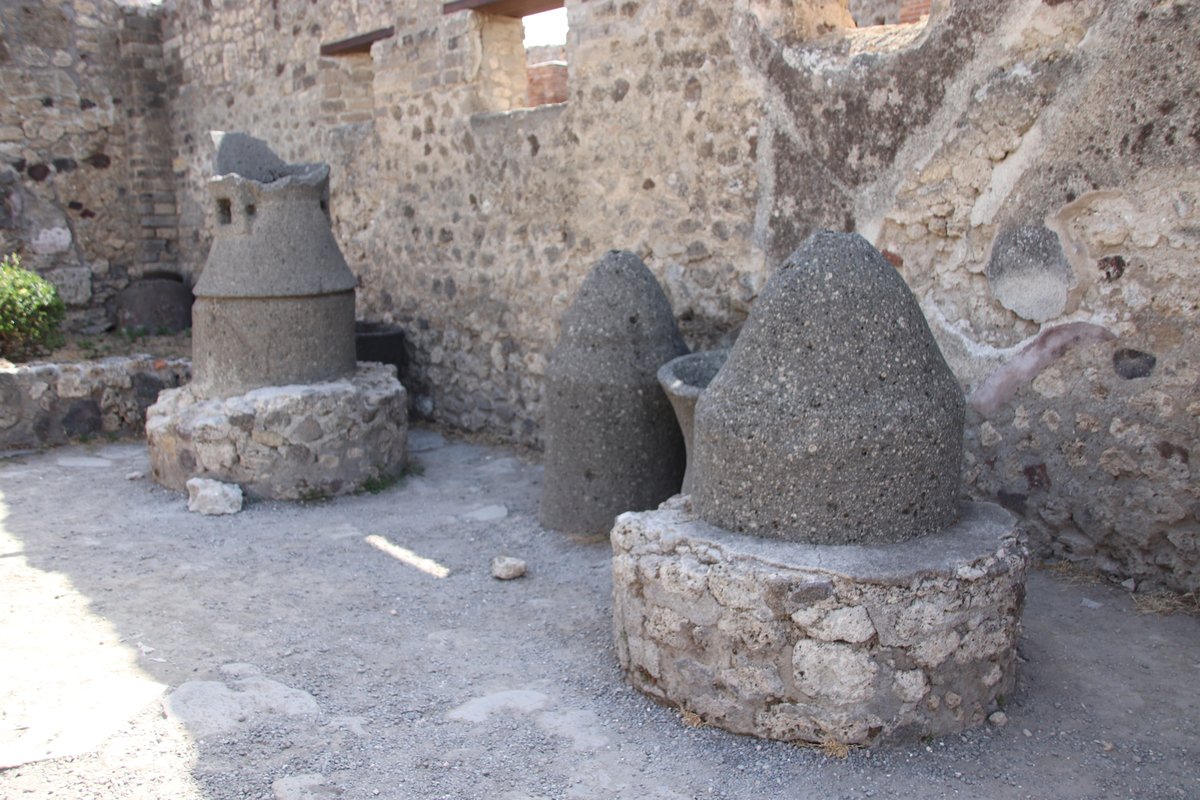
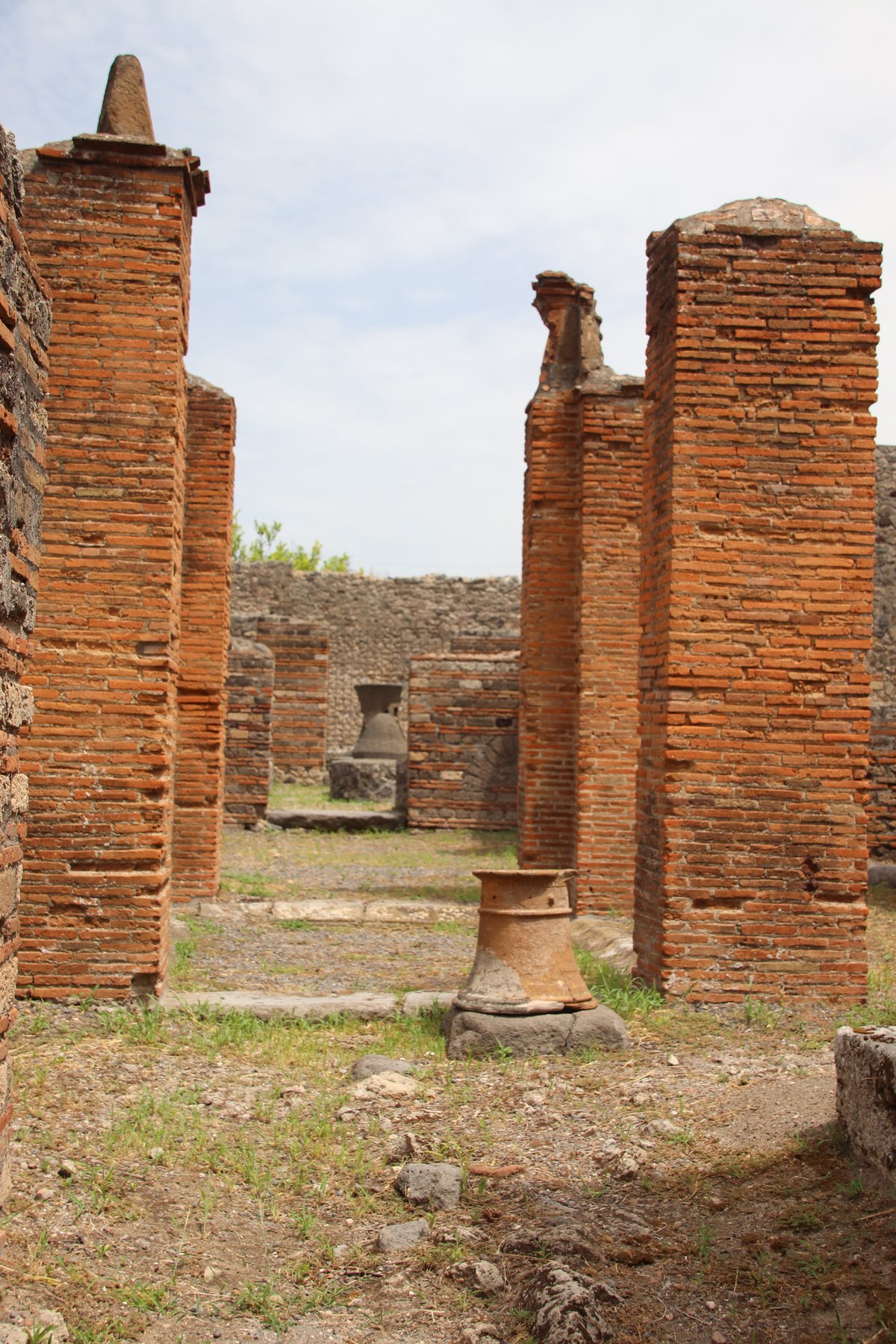
Grand villas, colorful frescoes, and intricate mosaics defined the city’s elite homes, while bakeries, taverns, and the Lupanar brothel provided glimpses into daily life (Britannica; The Archaeologist).
The 79 CE Eruption: Catastrophe and Preservation
On August 24, 79 CE, Mount Vesuvius erupted, coating Pompeii in ash and pumice up to seven meters deep. The disaster killed many inhabitants, preserved buildings and objects, and left the city abandoned for nearly 1,700 years (Britannica; History.com).
Rediscovery and Excavation
Rediscovered in 1748, Pompeii’s excavations transitioned from treasure-seeking to scientific archaeology, led by figures like Karl Weber and Giuseppe Fiorelli. Fiorelli pioneered plaster casting, capturing the forms of victims and organic materials, while Amedeo Maiuri and others mapped and documented the site (Pompeii Archaeological Park; The Collector).
Archaeological Highlights
Pompeii’s preservation is unrivaled, offering intact urban layouts, over 1,000 buildings, and a wealth of mosaics and frescoes (World History Encyclopedia; The Collector).
Key Sites Include:
- The Forum: The city’s civic and commercial center.
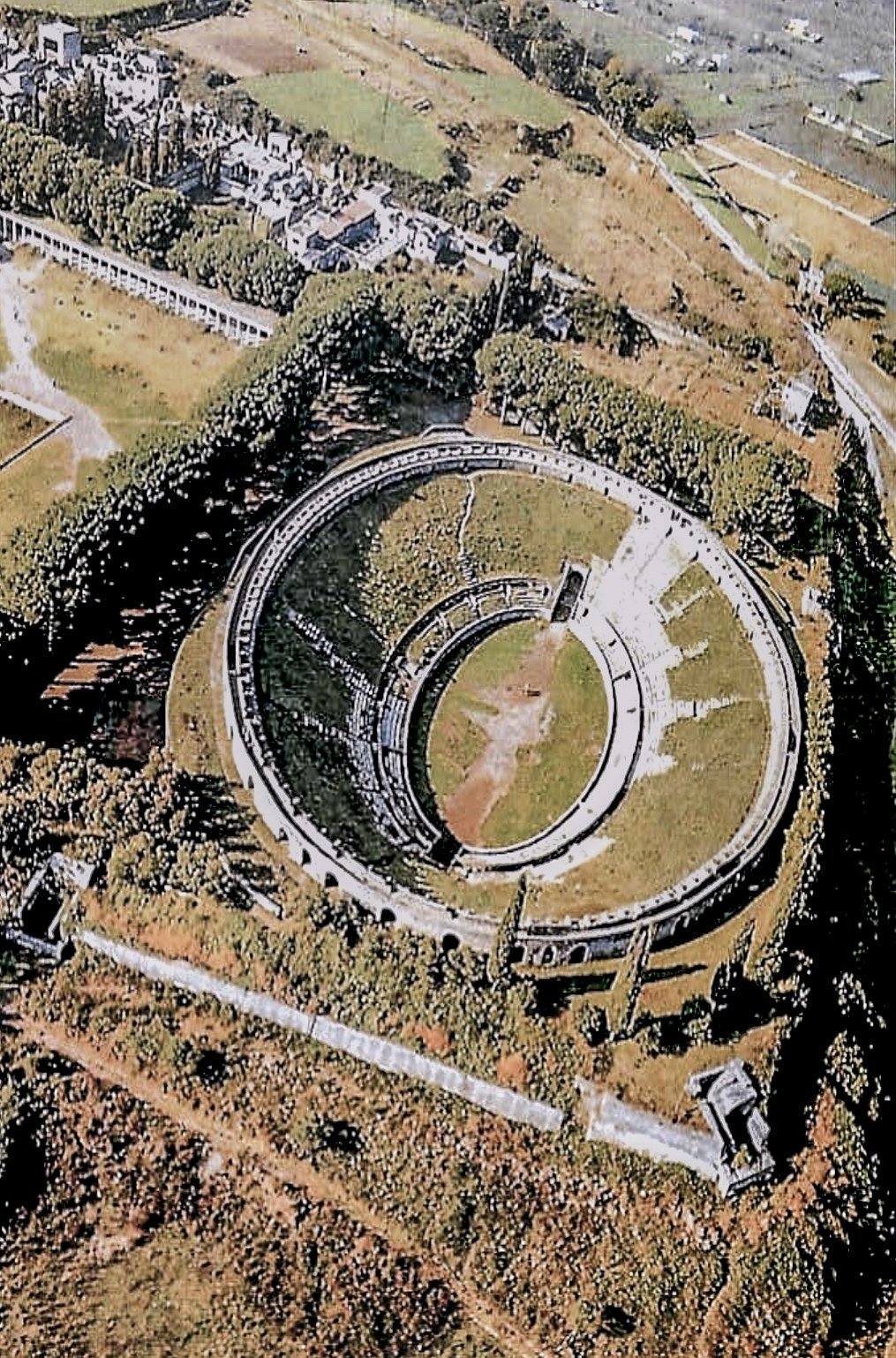
- The Amphitheater: Dating to 80 BCE, one of the oldest surviving Roman amphitheaters.
- House of the Faun: A grand villa known for the Alexander Mosaic.
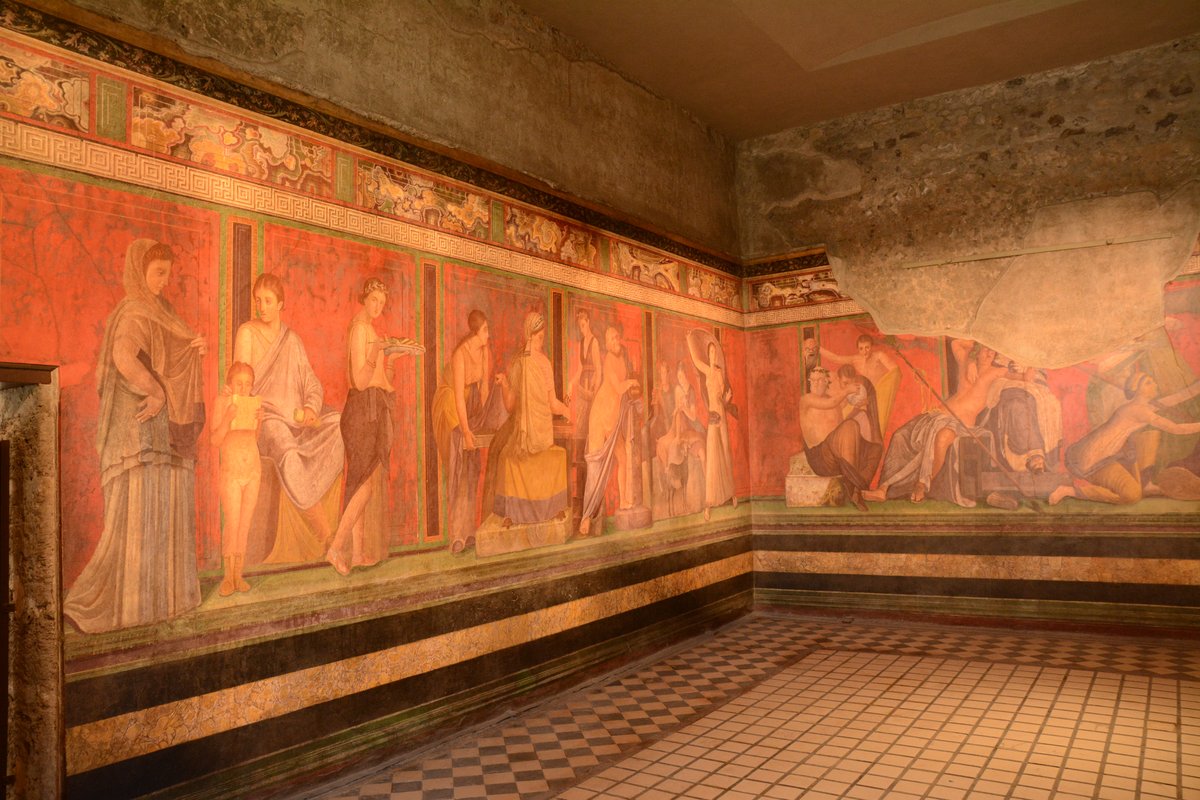
- Villa of the Mysteries: Decorated with enigmatic Dionysian frescoes.
- The Lupanar: The best-preserved Roman brothel with explicit art (The Archaeologist).
Artifacts such as carbonized bread, food jars, and personal items illustrate daily life and social structure (History.com).
Visiting Hours and Ticketing
Pompeii Archaeological Park is open daily (except January 1, May 1, December 25). Typical hours:
- April–October: 9:00–19:00 (last entry 17:30)
- November–March: 9:00–17:00 (last entry 15:30)
(pompeii-ticketing.com).
Ticket Prices:
- Standard adult: €16–18
- Combo tickets: €22–26 (includes other villas/museums)
- Under 18/EU disabled visitors: Free
- Special events: €5 supplement
- First Sunday of the month: Free entry
(pompeii-ticketing.com; culturedvoyages.com).
Book tickets online in advance due to daily visitor caps and to avoid queues.
Accessibility and Travel Tips
Entrances
- Porta Marina: Main entrance near Circumvesuviana station.
- Piazza Esedra: Near Antiquarium museum.
- Piazza Anfiteatro: Best for accessible entry (pompeii-ticketing.com).
Accessibility
- "Pompeii for All" Route: 3.5 km accessible path for wheelchairs/strollers (culturedvoyages.com).
- Facilities: Accessible restrooms and ticket counters.
- Visitor tips: Wear comfortable shoes, bring water, and avoid midday summer heat (gopompeii.com).
Getting There
- From Naples: Circumvesuviana train (35–40 min, €3.60), Campania Express (tourist train), bus, or private transfer (violetamatei.com; urbanabroad.com).
- From Rome: High-speed train to Naples, then Circumvesuviana.
- From Sorrento/Amalfi Coast: Direct Circumvesuviana trains or guided tours (european-traveler.com).
On-Site Services
- Restrooms, cafés, souvenir shops
- Free/paid maps, official app, audio guides
- No luggage storage onsite—travel light
- Limited Wi-Fi at entrances
Recent Archaeological Discoveries
Region IX and the House of Thiasus
Excavations in Region IX, Insula 10, have revealed new workshops, a fullonica (laundry), and the House of Thiasus with rare Dionysian frescoes (Pompeii Archaeological Park; Archaeology Mag).
House of Helle and Phrixus
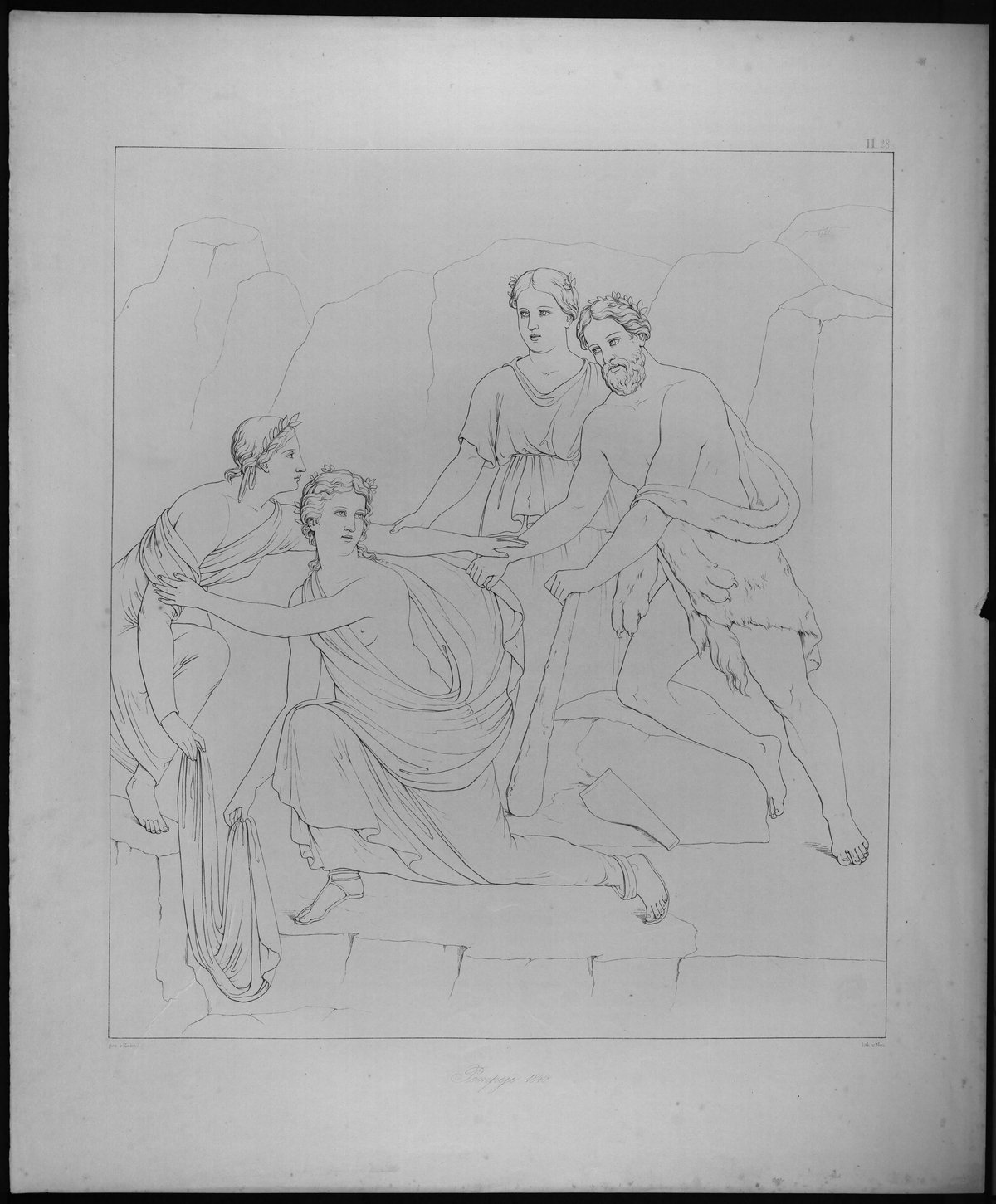
A newly uncovered house, mid-renovation at the time of the eruption, yielded remains of four individuals, including a child with an amulet, and a fresco depicting the myth of Helle and Phrixus (Greek Reporter).
Bathhouse Discovery
A large private bathhouse with hot, warm, and cold rooms, plus tragic human remains, highlights Pompeii’s mix of luxury and sudden disaster (BBC News).
Advances in DNA and Technology
DNA research has revealed family relationships and health among Pompeii’s victims (The Archaeologist). Technologies such as 3D scanning and ground-penetrating radar aid ongoing preservation (Greek Reporter; BBC News).
Cultural Impact and UNESCO Status
Pompeii’s rediscovery fueled European fascination with Roman antiquity, influencing art, architecture, and the field of archaeology (BBC History). Its status as a UNESCO World Heritage Site underscores its universal value (menofpompeii.com).
The site remains a vital educational resource, with exhibitions and immersive programs engaging visitors worldwide (iamitalian.com; thearchaeologist.org).
Frequently Asked Questions (FAQ)
What are the current Pompeii visiting hours?
Pompeii is open daily from 9:00 AM to 7:30 PM (April–October) or 5:00 PM (November–March). Last entry is 1–2 hours before closing. Check the official site for seasonal changes.
How can I buy Pompeii tickets?
Purchase online via the official website or authorized resellers; advance booking is recommended.
Are guided tours available?
Yes—group and private tours, plus audio guides in multiple languages.
Is the site accessible for visitors with disabilities?
Yes, there are accessible routes and facilities. The Piazza Anfiteatro entrance is recommended.
How do I get to Pompeii from Naples?
Take the Circumvesuviana train to Pompei Scavi–Villa dei Misteri station.
What should I bring?
Wear sturdy shoes, bring sun protection, water, and a camera.
Plan Your Visit
To ensure a memorable visit:
- Book your tickets and tours in advance
- Check accessibility and travel options
- Plan for at least half a day, more if you wish to explore in depth
- Download the Audiala app for audio tours and updates
- Follow official channels for news on excavations and events
For further information and resources, consult the references below.
Listen to the full story in the app
Your Personal Curator, in Your Pocket.
Audio guides for 1,100+ cities across 96 countries. History, stories, and local insight — offline ready.
Audiala App
Available on iOS & Android
Join 50k+ Curators
Sources
- verified
- verified
- verified
- verified
- verified
- verified
- verified
- verified
- verified
- verified
- verified
- verified
- verified
- verified
Last reviewed: