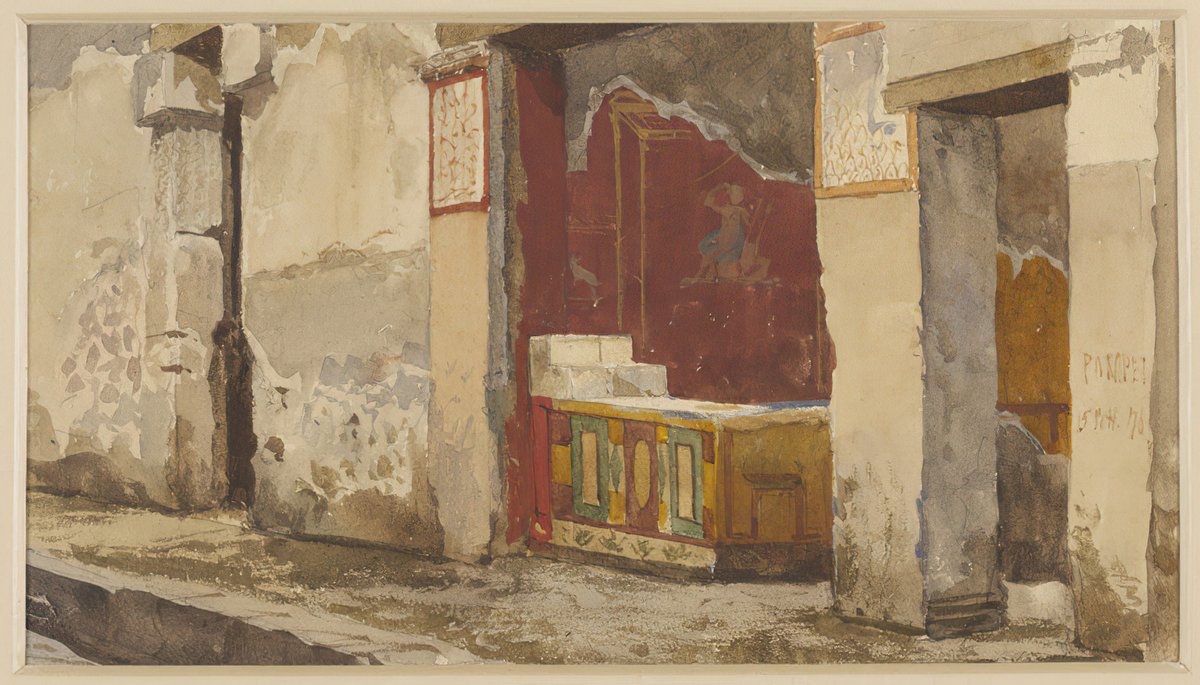
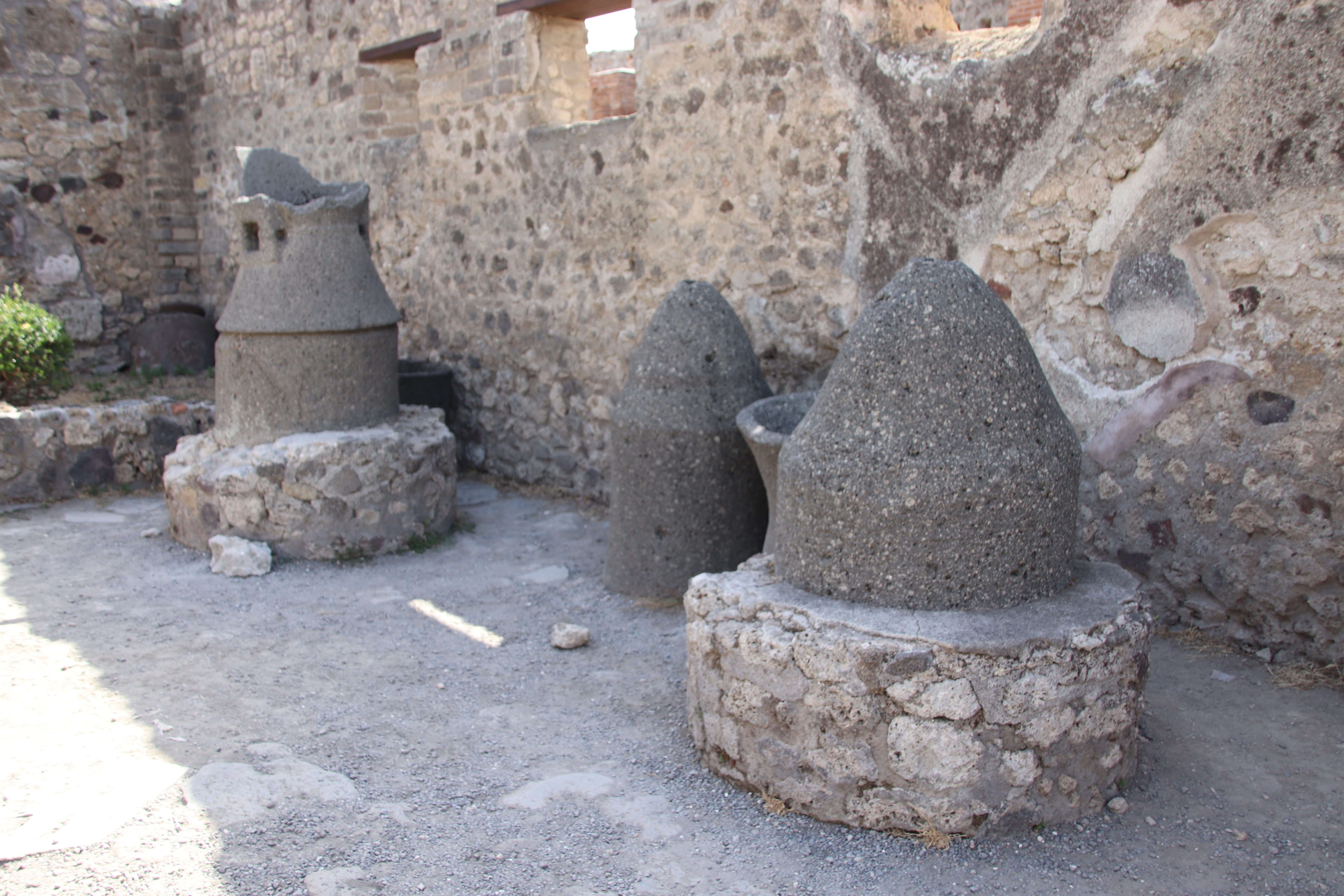
Introduction: Historical and Cultural Significance
Pompeii, the ancient Roman city immortalized by the eruption of Mount Vesuvius in 79 AD, is a treasure trove for those seeking to understand Roman civilization in vivid detail. Among its many archaeological wonders, the Tomb of Marcus Veius Marcellus stands as a testament to elite funerary culture and civic honor. Situated within the necropolis outside the Vesuvian Gate (Porta Vesuvio), this tomb—unfinished at the time of the eruption—offers rare insights into Roman funerary architecture, social hierarchy, and the significance of public commemoration. The marble inscription, decreed by the city council (decuriones), further highlights the esteem in which Marcellus was held.
The necropoleis of Pompeii, integral to the archaeological park, reveal the city’s attitudes toward death, remembrance, and social status. While some areas, including the Tomb of Marcus Veius Marcellus, may be subject to conservation or accessibility restrictions, visitors can immerse themselves in this fascinating aspect of Roman life through guided or self-guided tours, careful planning, and digital resources.
For those interested in exploring beyond this tomb, sites like the necropolis at Nocera Gate and the recently discovered Tomb of Marcus Venerius Secundio expand the narrative of funerary practices in Pompeii, though access can be limited due to ongoing restoration.
This guide delivers comprehensive, up-to-date information to help you explore the Tomb of Marcus Veius Marcellus and Pompeii’s broader necropoleis, including historical background, visitor tips, accessibility guidance, and links to official resources and digital tools such as the Audiala app.
Exploring Pompeii’s Necropoleis: History, Practical Information, and Visitor Tips
The Role and Context of Necropoleis in Ancient Pompeii
Roman law forbade burials within city walls, so necropoleis were established along major roads just outside the gates—such as Nocera, Herculaneum, and Vesuvian Gates. These visible burial grounds allowed families to honor their dead and display social status through diverse tomb architecture, ranging from chamber tombs to altar and exedra tombs, dating from the 4th century BCE onward.
Visiting Hours and Ticket Information
- April to October: 9:00 AM – 7:30 PM (last entry at 6:00 PM)
- November to March: 9:00 AM – 5:00 PM (last entry at 3:30 PM)
- Closed: Christmas Day, New Year's Day, and possibly May 1
Ticket Information:
- General tickets: €16–€22 for adults
- Discounts: EU citizens aged 18–25; free for children under 18
- Combination tickets: Available for sites such as Herculaneum and the National Archaeological Museum
- Advance online booking is strongly recommended due to visitor caps (Pompeii Archaeological Park).
Getting There and Accessibility
Pompeii is easily reached by train from Naples and Sorrento (Pompeii Scavi station). The necropoleis are within walking distance of the main entrances. While much of the terrain is uneven, the park offers a 3.5 km accessible route (“Pompeii for All”) and certain tombs have ramps or smoother paths. Visitors with mobility needs should plan ahead or consider guided tours that address accessibility (Cultured Voyages).
Key Necropolis Sites
- Nocera Gate Necropolis: The largest and most architecturally diverse, featuring the Tomb of Marcus Veius Marcellus with its notable semicircular bench.
- Herculaneum Gate Necropolis: Known for its altar-shaped tombs and the tomb of Mamia, a prominent priestess.
Funerary Practices and Artifacts
Pompeii’s necropoleis reveal both cremation and inhumation practices, with grave goods such as jewelry, coins, and pottery reflecting personal and cultural beliefs. Inscriptions and tomb graffiti provide rich insights into the identities, honors, and even political life of the deceased.
Unique Experiences
- Guided tours provide in-depth context and are highly recommended for exploring tombs and funerary customs.
- Photography is allowed (no flash/tripods), and the necropolis provides excellent lighting early and late in the day.
- Special events such as night tours may be available; check the official website for updates.
Preservation Efforts
Ongoing excavations and restoration projects, including those completed in 2024, have improved the preservation of tombs, artifacts, and plaster casts of eruption victims.
Nearby Attractions
- Pompeii Forum and city center
- Amphitheater
- House of the Vettii and other preserved residences
The Tomb of Marcus Veius Marcellus: Discovery, Features, and Significance
Discovery and Historical Context
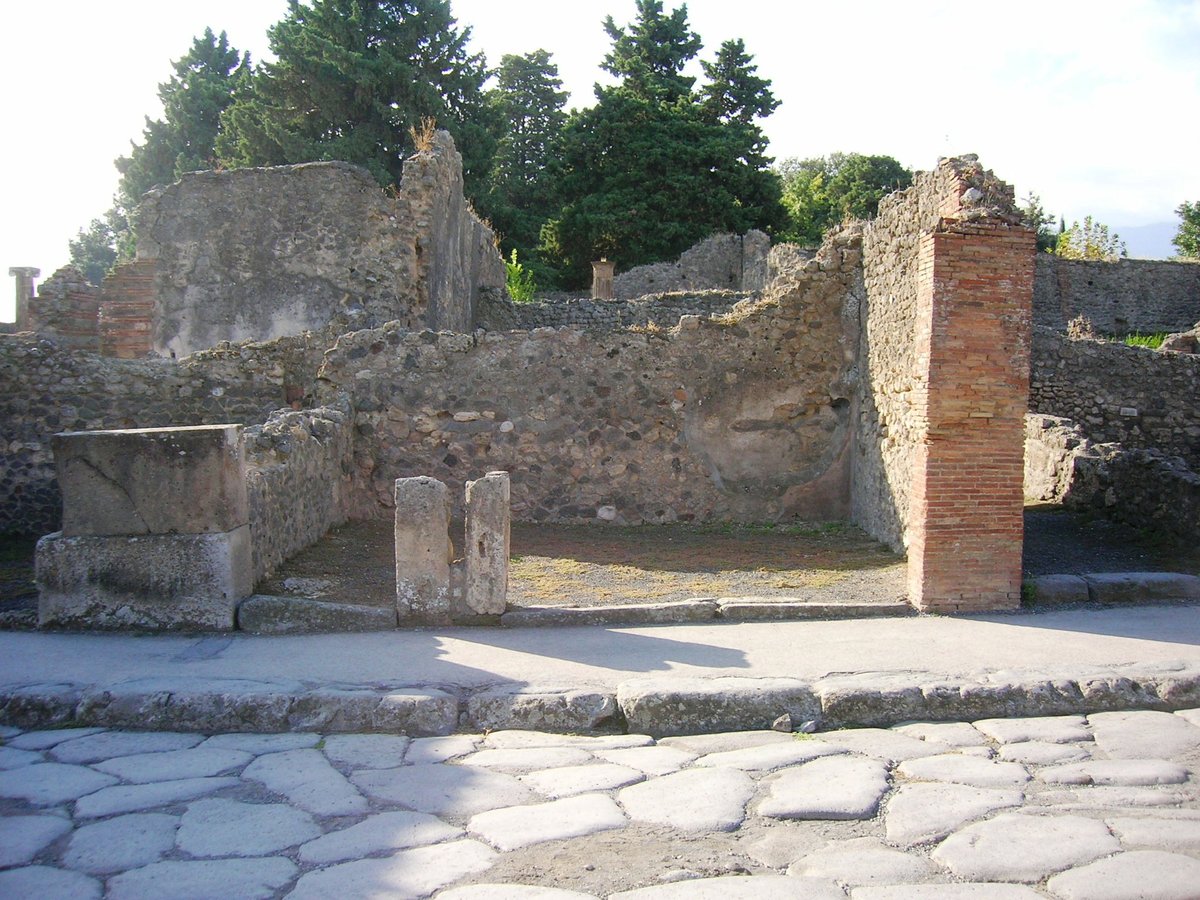
The Tomb of Marcus Veius Marcellus is one of four principal monuments in the Vesuvian Gate necropolis, reserved for elite citizens and those honored by city decree. Systematic documentation began in the 20th century, confirming that the tomb was incomplete when the eruption occurred (Pompeii in Pictures; Roman Imperial Age Tombs).
Architectural Features
-
Materials: Local stone, rectangular in plan, sober and dignified.
-
Inscription: Marble plaque reading:
M(arco) VEIO MARCELLO
VIVO LOCVS MONVMENTI
D(ecreto) D(ecurionum).Translation:
“To Marcus Veius Marcellus, this place was decreed a monument by the council.”
This inscription highlights the civic honor accorded by the decuriones (Roman Imperial Age Tombs).
Preservation
Although unfinished, the tomb retains its key architectural elements and well-preserved inscription (Pompeii in Pictures).
Cultural Significance
The tomb exemplifies the Roman intertwining of civic honor and social memory. The necropolis also documents evolving funerary practices from cremation to inhumation (Roman Imperial Age Tombs).
Visiting the Tomb of Marcus Veius Marcellus: Practical Guide
Location and Access
The tomb is located in the necropolis outside the Vesuvian Gate, on the northern side of the archaeological park (The Geographical Cure). This area is quieter and less crowded. However, due to ongoing conservation, direct access is often restricted; check the official site for updates.
Visiting Hours
- 9:00 AM – 7:00 PM (April–October)
- 9:00 AM – 5:00 PM (November–March)
- Last entry 1.5–2 hours before closing. Confirm current hours before your visit.
Ticket Prices and Entry
- Standard adult: €16–€22
- Discounts: EU citizens 18–25; free for children under 18
- Includes access to necropoleis and open tombs
- Advance booking is recommended
Guided Tours and Events
Specialized guided tours may include the Vesuvian Gate necropolis and the Tomb of Marcus Veius Marcellus. These offer deeper context and may provide access to restricted areas during special openings or events.
Accessibility
The necropolis terrain is uneven; visitors with mobility challenges should prepare accordingly. The “Pompeii for All” accessible route covers major highlights but may not reach all tombs (Cultured Voyages).
Photography and Visuals
Photography is allowed; the marble inscription is a highlight for Latin and Roman history enthusiasts. Bring digital or printed maps for navigation.
Nearby Sites
Combine your visit with other tombs (e.g., Caius Vestorius Priscus, Arellia Tertulla) or explore central attractions such as the forum and amphitheater (Roman Imperial Age Tombs).
Tips for a Memorable Visit
- Visit early or late in the day for cooler temperatures and better lighting.
- Use the Audiala app for audio guides and navigation.
- Wear sturdy shoes and bring water, sunscreen, and a hat.
- Respect preservation: do not touch or climb on tombs, and avoid littering.
- Join a guided tour or use a detailed guidebook for enhanced understanding.
Frequently Asked Questions (FAQ)
Q: Can I visit the Tomb of Marcus Veius Marcellus directly?
A: Access is often restricted due to conservation. You can view the necropolis from outside, and specialized tours may provide closer access during special events.
Q: Are necropoleis included in the standard Pompeii ticket?
A: Yes, general admission includes open necropolises and available tombs.
Q: Are guided tours available?
A: Yes, and they are highly recommended for funerary sites and in-depth history.
Q: What about accessibility?
A: Terrain is uneven. The “Pompeii for All” accessible route covers main highlights, but some tombs remain challenging.
The Tomb of Marcus Venerius Secundio: Conservation and Visiting Status
The Tomb of Marcus Venerius Secundio, found in the Porta Sarno Necropolis, is remarkable for its preservation—containing partially mummified remains, rare painted masonry, and evidence of late Roman funerary practices.
Conservation Challenges
- Fragile organic remains and textiles
- Risk from environmental exposure, moisture, and urban activity
- Ongoing analysis and stabilization by archaeologists and conservators
Visiting Status
As of June 2025, the tomb and the Porta Sarno Necropolis remain closed due to conservation and logistical issues, including proximity to the railway (Ars Technica). Feasibility studies on controlled future access are underway.
General Pompeii Visitor Information
- Opening Hours: 9:00 AM – 7:30 PM (seasonal variations)
- Tickets: €16–€22 adults; discounts available
- Getting There: Circumvesuviana train, buses, or car; parking available
- Accessibility: Some areas accessible; uneven terrain elsewhere
Responsible Tourism
- Respect barriers and signage
- Do not touch, climb, or remove artifacts
- Dispose of trash properly and support site sustainability (Untold Italy)
Summary & Final Recommendations
Visiting the Tomb of Marcus Veius Marcellus and Pompeii’s necropoleis offers a profound connection to ancient Roman funerary culture and social memory. While direct access to certain tombs may be restricted, the wider archaeological park provides a wealth of historical discovery. Careful planning around tickets, hours, and accessibility ensures a rewarding experience. Enhance your visit with digital tools like Audiala and consider guided tours for deeper insight.
Respectful, informed tourism supports preservation, ensuring these sites endure for future generations. For up-to-date information and further resources, refer to the official Pompeii Archaeological Park website.
Listen to the full story in the app
Your Personal Curator, in Your Pocket.
Audio guides for 1,100+ cities across 96 countries. History, stories, and local insight — offline ready.
Audiala App
Available on iOS & Android
Join 50k+ Curators
Sources
- verified
- verified
- verified
-
verified
Visiting the Tomb of Marcus Venerius Secundio: Conservation Challenges and Visitor Information at Pompeii's Unique Historical Site, 2025
- verified
- verified
- verified
- verified
- verified
- verified
Last reviewed: