Introduction
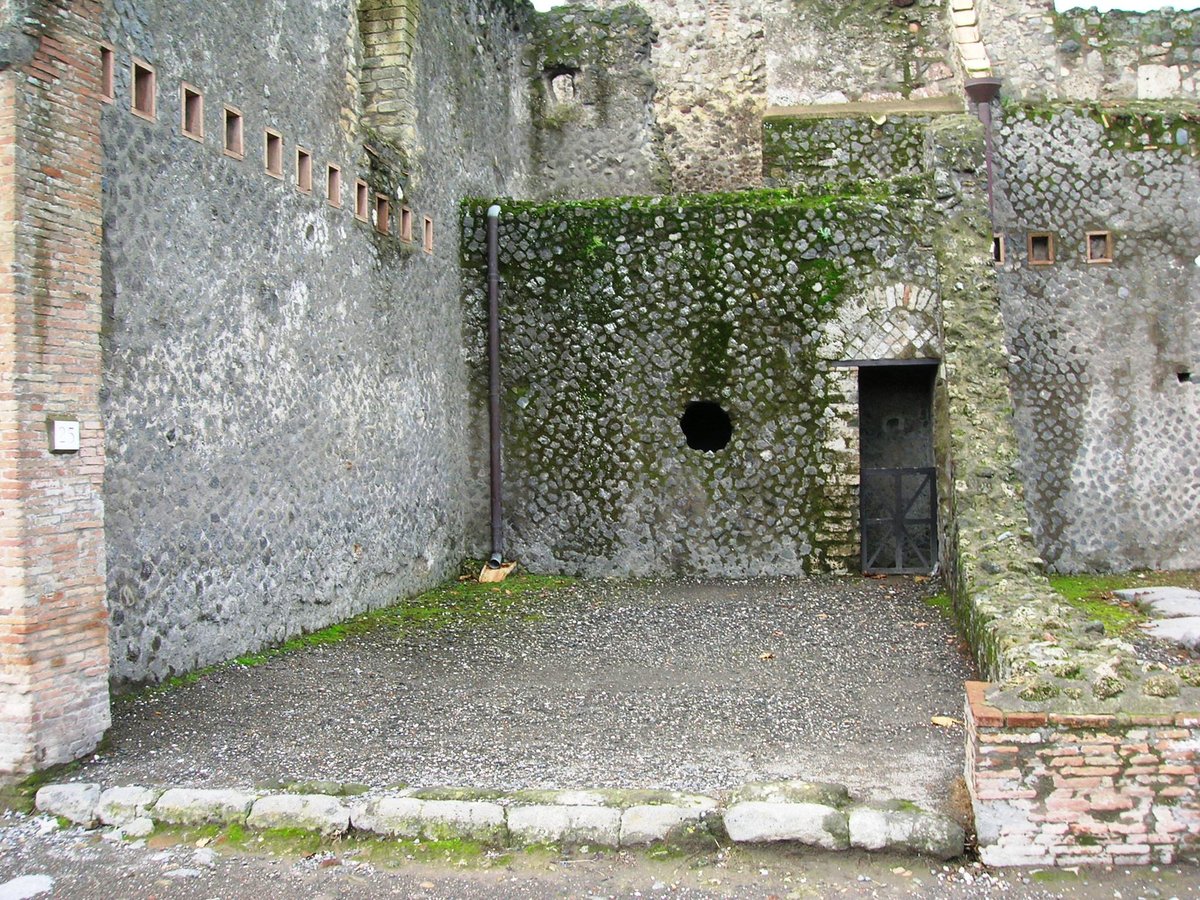
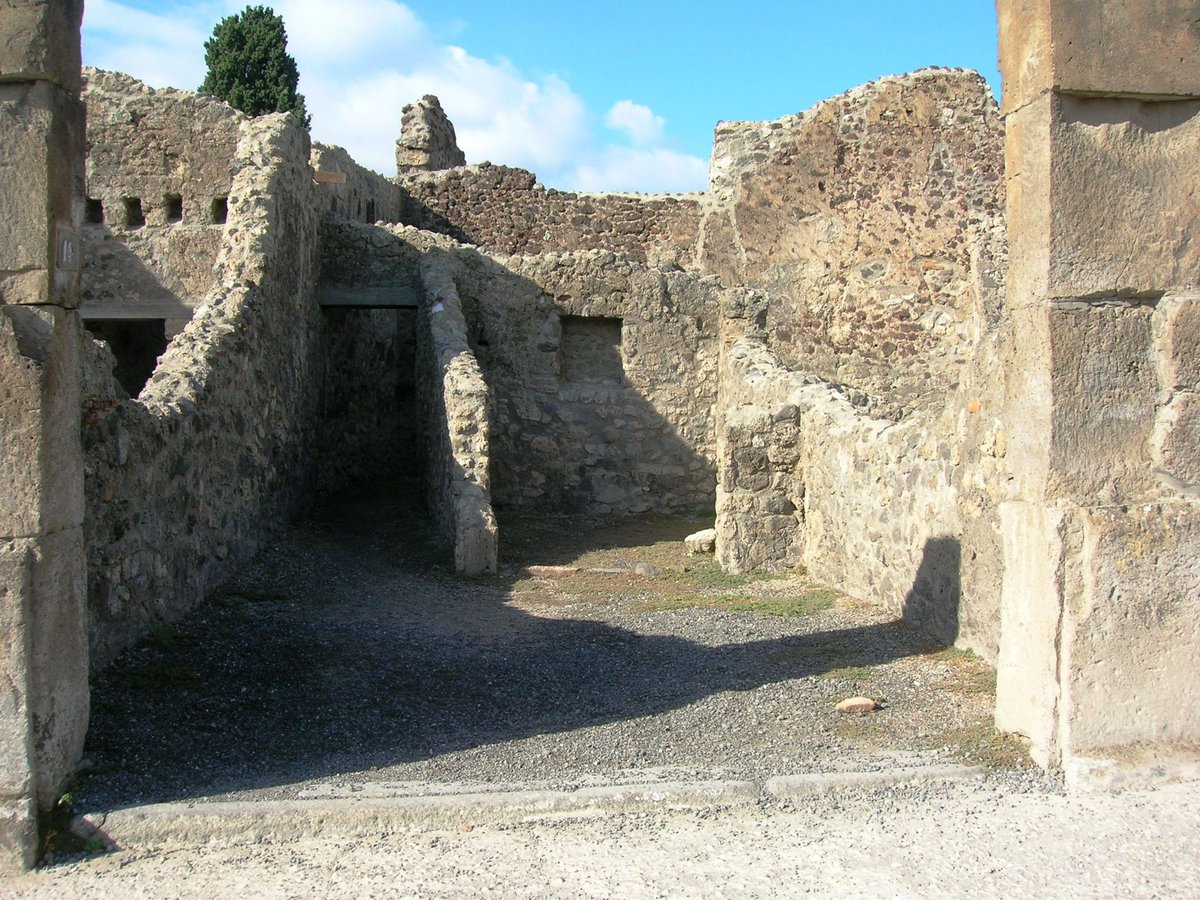
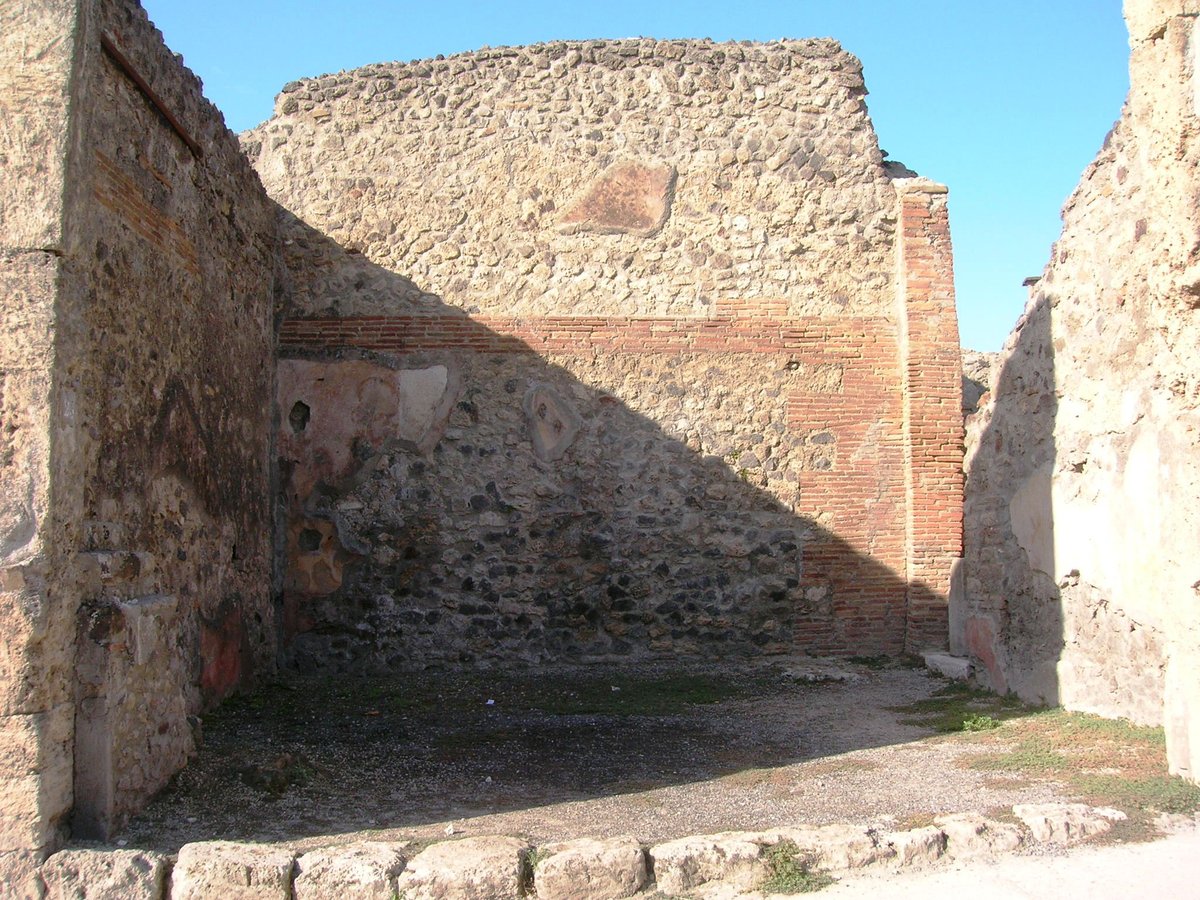
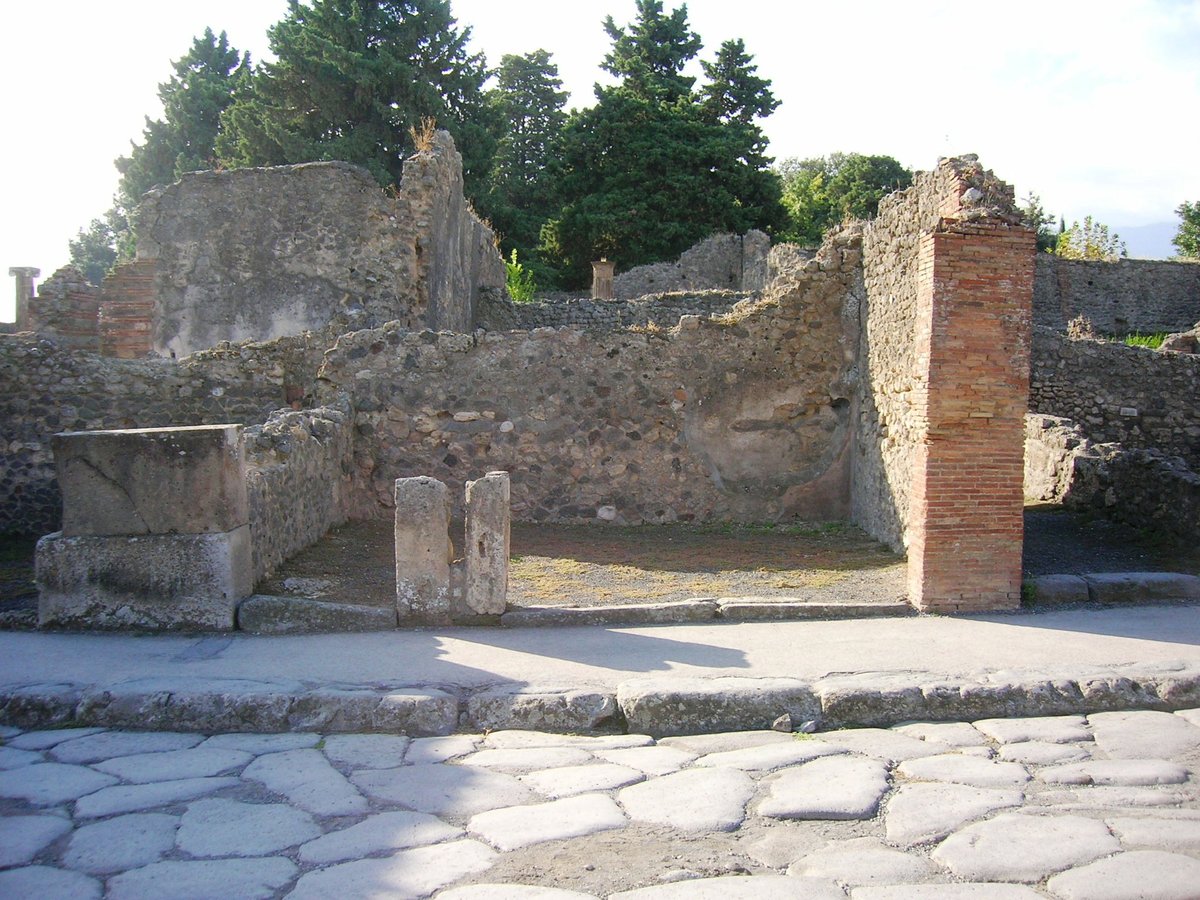
The Tomb of Gnaeus Alleius Nigidius Maius is one of Pompeii’s most impressive monuments, providing a rare glimpse into the lives, achievements, and funerary customs of Pompeii’s elite. Located just outside the Porta di Stabia (Stabian Gate), this tomb stands as a testament to Maius’s civic generosity and the social structure of the ancient city before the eruption of Mount Vesuvius in 79 AD. This guide delivers a comprehensive overview of the tomb’s historical significance, up-to-date visitor information, accessibility tips, and suggestions for making the most of your Pompeii experience.
Before your visit, it is recommended to consult the official Pompeii Archaeological Park website for current hours and ticketing options and to consider using tools like the Audiala app for enhanced on-site exploration. In addition, this guide includes links to further resources and answers to frequently asked questions.
Historical and Cultural Significance
The Legacy of Gnaeus Alleius Nigidius Maius
Gnaeus Alleius Nigidius Maius was a distinguished citizen of Pompeii, serving as a magistrate and priest (flamen) and renowned for his public benefactions. His tomb, dating to the late Republican and early Imperial periods, features a remarkable Latin inscription and once boasted marble reliefs depicting gladiatorial games and public festivities.
Significant archaeological discoveries in the necropolis near Porta di Stabia, including cremation burials and statues, have provided invaluable insight into both funerary customs and the pivotal role played by influential families in Pompeii’s political and religious spheres. Notably, the tomb’s inscription records Maius’s sponsorship of grand banquets and games, offering historians data for estimating the population and civic life of Pompeii (Archaeology World).
Location and Access
Where to Find the Tomb
The Tomb of Gnaeus Alleius Nigidius Maius stands in the necropolis just outside the Stabian Gate (Porta di Stabia), along the ancient Via Stabiana. This area was a prestigious burial ground for Pompeii’s elite.
Getting to Pompeii
- By Train: Take the Circumvesuviana line from Naples or Sorrento to “Pompei Scavi – Villa dei Misteri” station, which is a short walk from the park’s main entrances.
- By Car: While there is no parking inside the park, several private lots, such as Pompei Parking Zeus, are close to the entrances at Porta Marina and Piazza Esedra.
Navigating to the Tomb
Main entrances—Porta Marina, Piazza Anfiteatro, and Piazza Esedra—are all viable starting points. For the shortest route to the necropolis, enter via Porta Marina and proceed to the Stabian Gate. The tomb is clearly marked on updated archaeological maps available at the entrance.
Visiting Hours and Ticket Information
Opening Hours
- Summer (April–October): 9:00 AM – 7:00 PM (last entry 5:30 PM)
- Winter (November–March): Shorter hours, typically until 5:00 PM
- Always confirm current times on the official Pompeii website.
Tickets & Entry
- Standard adult ticket: €18 for the main site; €22 including surrounding villas.
- Discounts: Available for EU citizens under 25 or over 65; free for children under 18.
- Where to Buy: Purchase tickets online for convenience and to avoid queues. Main ticket offices are at Porta Marina, Piazza Anfiteatro, and Piazza Esedra. A €1 online booking fee applies.
Accessibility and Visitor Tips
Accessibility
The necropolis terrain is uneven, with ancient paving and loose gravel, making some areas challenging for visitors with mobility needs. Wheelchair access is limited, but assistance and alternative routes are available upon request at the park entrance.
Practical Tips
- Footwear: Wear sturdy, comfortable walking shoes.
- Essentials: Bring sun protection, water, and a camera.
- Facilities: Restrooms and refreshments are available only at main entrances, not in the necropolis itself.
- Luggage: Large bags are not allowed inside; use small lockers at the entrance if needed.
- Best Time to Visit: Early mornings or late afternoons offer cooler temperatures and fewer crowds.
- Photography: Allowed without flash; tripods may require special permission.
Nearby Attractions
Enhance your visit by exploring nearby highlights:
- Pompeii Amphitheatre: Venue for gladiatorial games referenced in the tomb’s inscription.
- Forum and Temple of Apollo: Central spaces for civic and religious life.
- House of the Vettii and House of the Faun: Exemplary residences of Pompeii’s wealthy citizens.
- Villa of the Mysteries: Renowned for its enigmatic frescoes.
For a broader archaeological adventure, consider visiting Herculaneum and Mount Vesuvius, both accessible from Pompeii.
Visual Media and Photography
For an immersive experience:
- Seek out high-resolution images of the tomb façade and Latin inscription (alt text: "Tomb of Gnaeus Alleius Nigidius Maius inscription in Pompeii").
- Explore digital reconstructions and virtual tours on the official Pompeii website.
- The tomb’s original marble relief (depicting public spectacles) is housed at the Naples Archaeological Museum—an excellent add-on to your Pompeii itinerary.
Frequently Asked Questions (FAQ)
Q: What are the opening hours for the Tomb of Gnaeus Alleius Nigidius Maius?
A: The tomb is accessible during the park’s general opening hours: 9:00 AM–7:00 PM in summer, with last entry at 5:30 PM.
Q: How much are tickets?
A: Standard adult tickets are €18 (€22 with villas). Discounts and free entry are available for eligible groups.
Q: Is the tomb accessible to wheelchair users?
A: The necropolis has uneven terrain and is not fully wheelchair accessible, but assistance and alternative paths can be arranged.
Q: Are guided tours available?
A: Yes, official and private tours include the tomb and necropolis. Audio guides and mobile apps are also available.
Q: Can I take photographs?
A: Photography is allowed, but use of flash and tripods may be restricted.
Q: What else should I see nearby?
A: Consider the Amphitheatre, Forum, House of the Vettii, and Villa of the Mysteries, all within walking distance.
Listen to the full story in the app
Your Personal Curator, in Your Pocket.
Audio guides for 1,100+ cities across 96 countries. History, stories, and local insight — offline ready.
Audiala App
Available on iOS & Android
Join 50k+ Curators
Sources
- verified
- verified
- verified
- verified
Last reviewed: