Plan and listen to Temple Of Isis with Audiala.
Audio guide in your pocket, itinerary in your browser. Built for the way you actually visit.
Introduction
The Temple of Isis in Trecase, Italy, is a captivating destination that embodies the rich tapestry of cultural and religious syncretism of the Roman Empire. Constructed during the Roman period, likely in the 1st century BCE, the temple stands as a monument to the integration of Egyptian religious practices into Roman life, particularly following the Roman conquest of Egypt in 30 BCE. Dedicated to the Egyptian goddess Isis, who was associated with fertility, motherhood, and magic, the temple showcases a unique blend of Roman and Egyptian architectural styles. This comprehensive guide will delve into the temple's historical context, architectural marvels, religious significance, and practical visitor information, offering a detailed roadmap for those planning to explore this extraordinary site (source).

Historical Context
Origins and Construction
The Temple of Isis in Trecase, Italy, is a remarkable testament to the cultural and religious syncretism that characterized the Roman Empire. The temple, dedicated to the Egyptian goddess Isis, was constructed during the Roman period, likely in the 1st century BCE. This period saw a significant influx of Egyptian religious practices into Roman society, particularly following the Roman conquest of Egypt in 30 BCE. The worship of Isis, a goddess associated with fertility, motherhood, and magic, became increasingly popular among Romans, leading to the establishment of temples dedicated to her across the empire.
Architectural Features
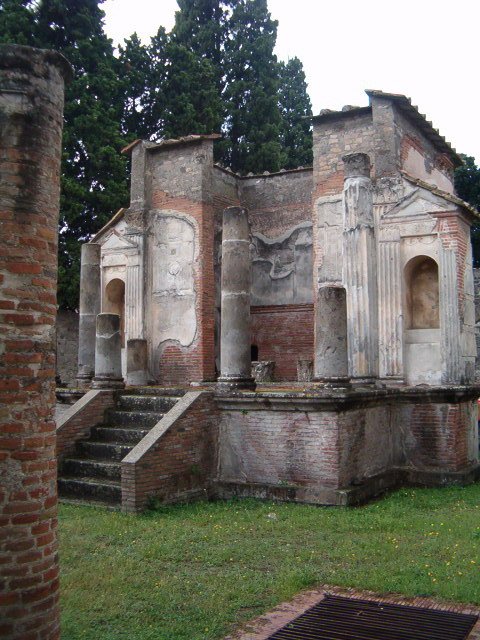
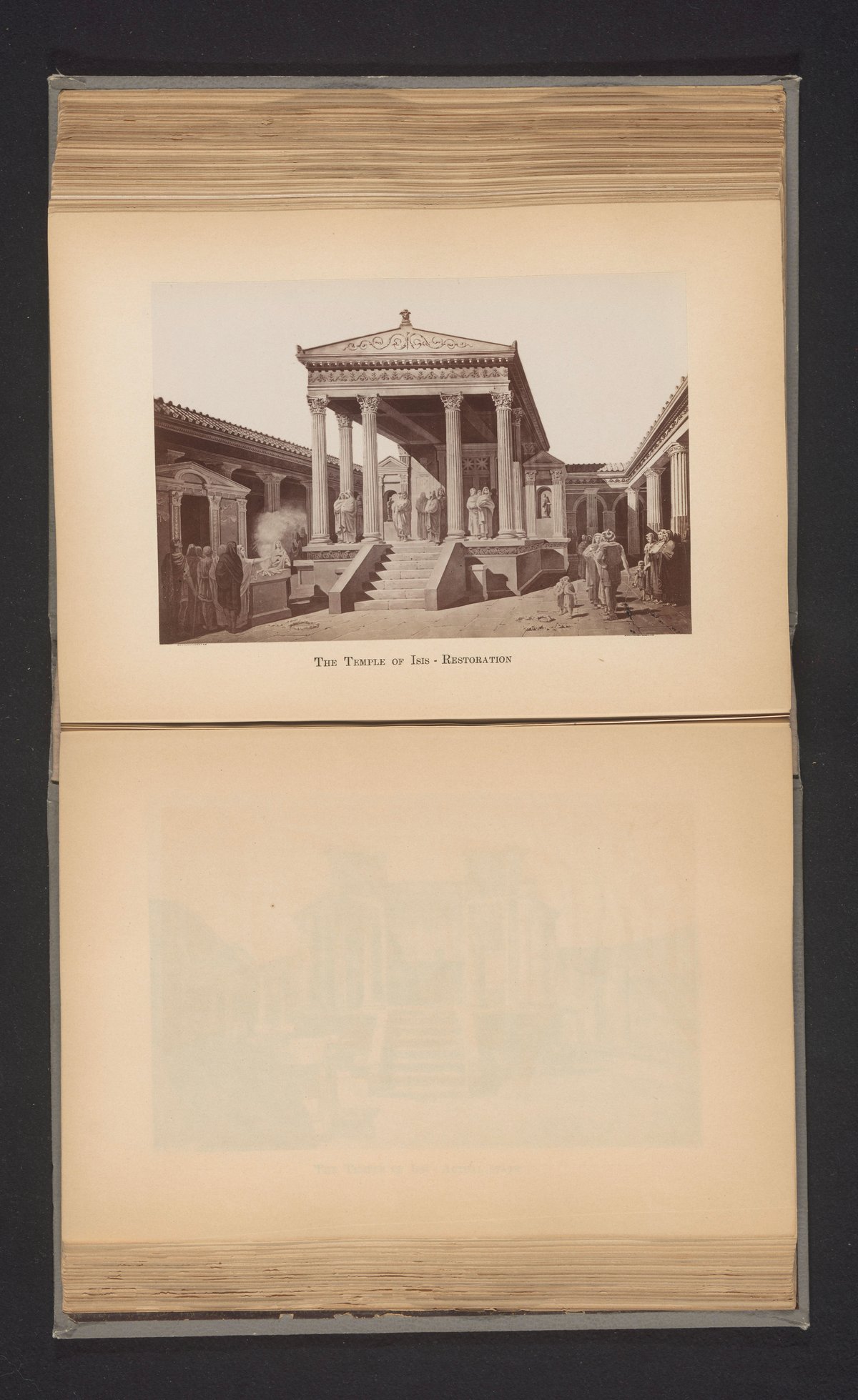
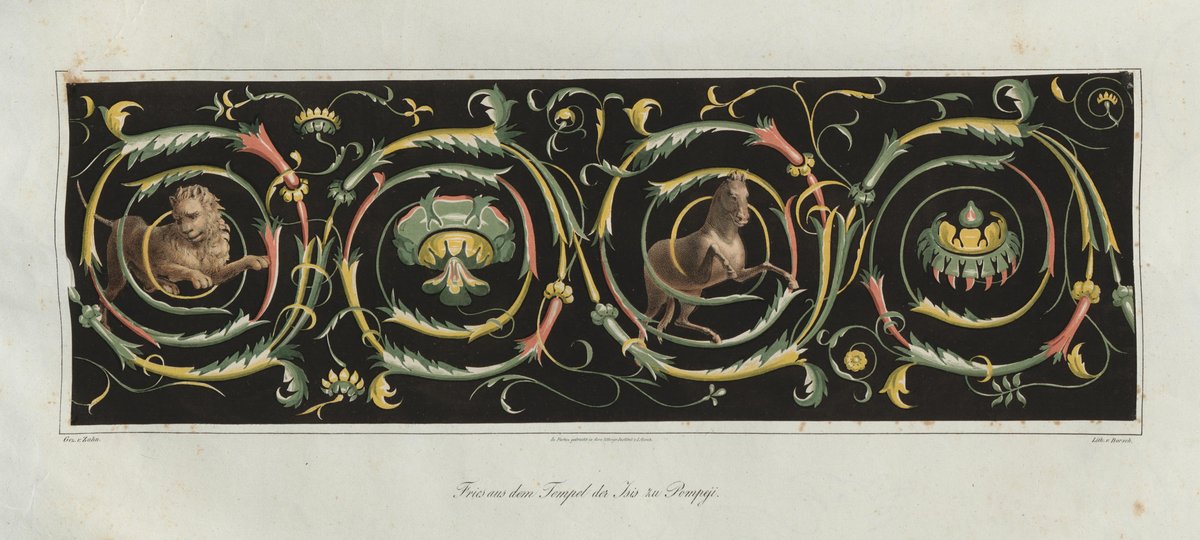
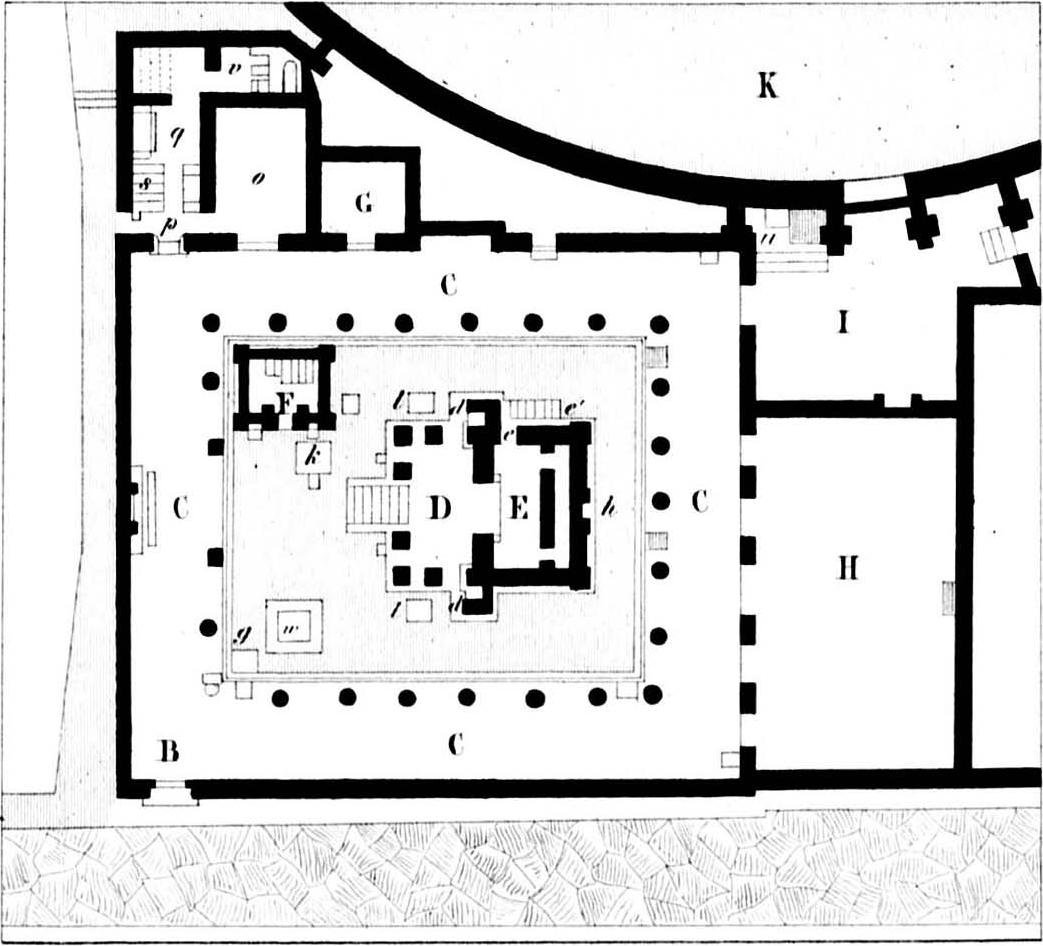
The architectural design of the Temple of Isis in Trecase reflects a blend of Roman and Egyptian styles. The temple's layout follows the traditional Roman temple structure, with a rectangular plan and a high podium. However, it also incorporates elements typical of Egyptian temples, such as the use of pylons and an inner sanctuary (cella) that housed the cult statue of Isis. The temple's walls were adorned with intricate frescoes and reliefs depicting scenes from Egyptian mythology, emphasizing the goddess's role in the afterlife and her protective powers.
Religious Significance
The Temple of Isis served as a center for the worship of the goddess and played a crucial role in the religious life of the local community. Isis was revered as a powerful deity who could grant protection, healing, and fertility. The temple hosted various religious ceremonies, including daily rituals, festivals, and processions. One of the most significant festivals was the Navigium Isidis, celebrated in early March, which marked the opening of the sailing season and involved a grand procession to the sea, where a model ship was launched as an offering to the goddess.
Cultural Integration
The establishment of the Temple of Isis in Trecase is a prime example of the cultural integration that occurred within the Roman Empire. The adoption of Isis worship by the Romans illustrates the empire's openness to foreign deities and religious practices. This syncretism allowed for the blending of different cultural traditions, enriching the religious landscape of the Roman world. The temple not only served as a place of worship but also as a cultural hub where people from diverse backgrounds could come together and participate in shared religious experiences.
Archaeological Discoveries
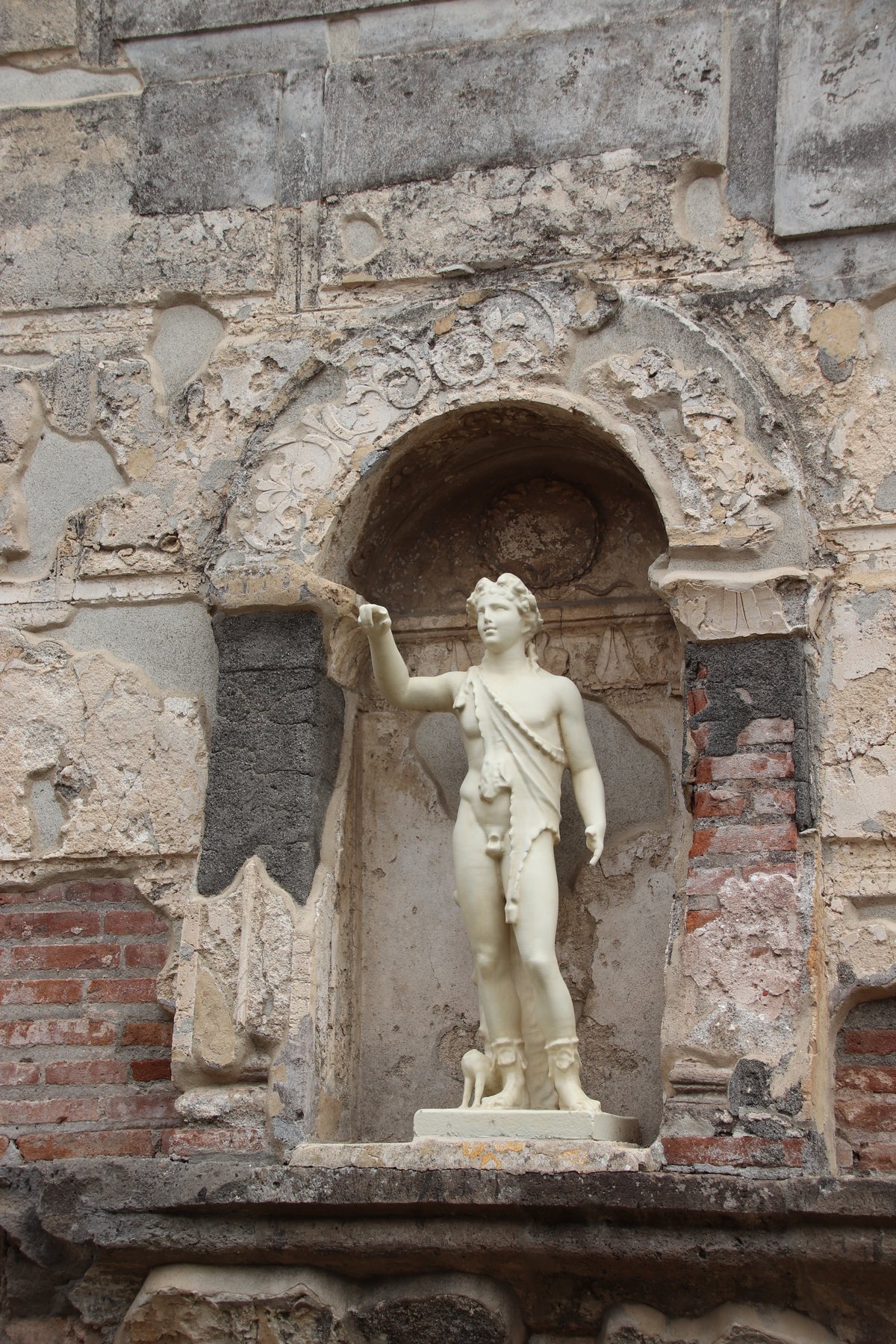
Excavations at the site of the Temple of Isis have unearthed a wealth of artifacts that provide insight into the religious practices and daily life of the temple's devotees. Among the most significant finds are statues of Isis and other Egyptian deities, ritual objects such as sistrums (musical instruments used in worship), and inscriptions in both Latin and Greek. These discoveries highlight the temple's importance as a center of religious activity and its role in the broader context of Roman-Egyptian cultural exchange.
Preservation and Restoration
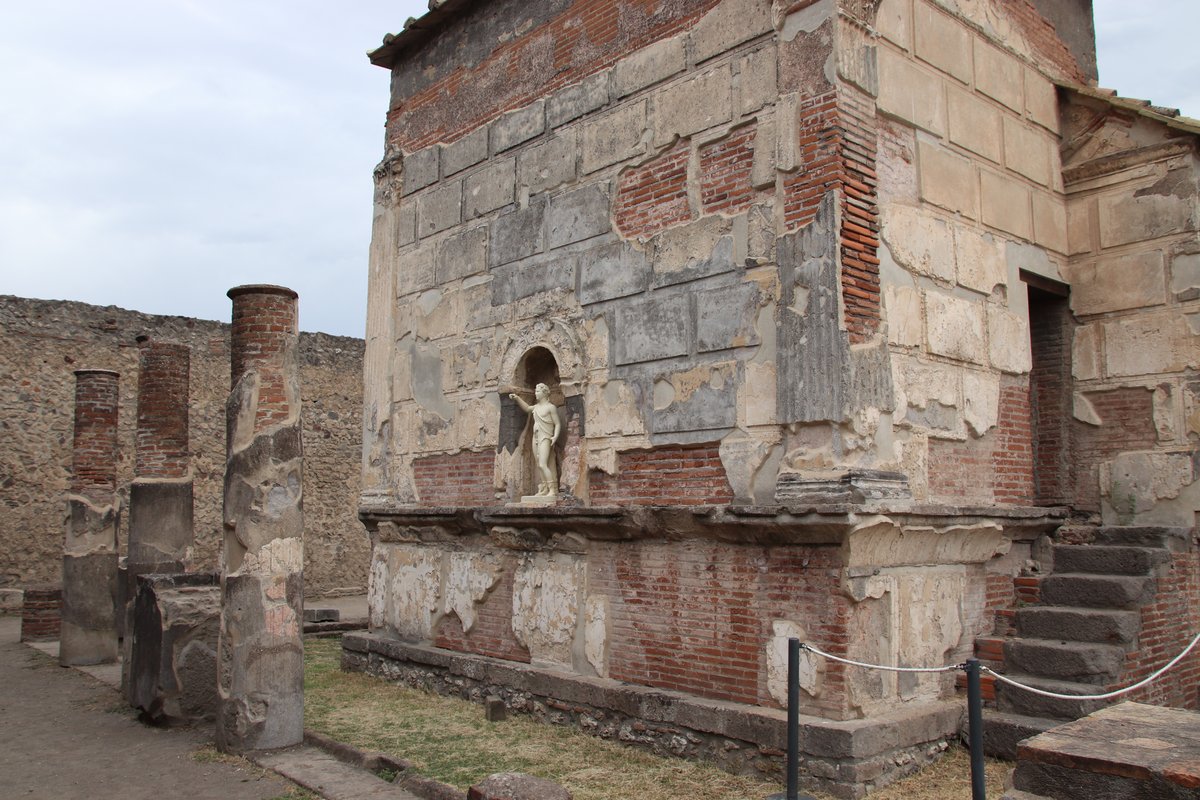
The Temple of Isis in Trecase has undergone several phases of preservation and restoration to protect its historical and cultural significance. Efforts have been made to stabilize the structure, conserve the frescoes and reliefs, and create a visitor-friendly environment that allows people to appreciate the temple's historical context. These preservation efforts are crucial for maintaining the temple as a valuable cultural heritage site and ensuring that future generations can continue to learn from and enjoy this remarkable example of Roman-Egyptian syncretism.
Influence on Later Religious Practices
The worship of Isis and the architectural style of her temples had a lasting impact on later religious practices and structures. Elements of Isis worship were incorporated into early Christian rituals, and some scholars suggest that the veneration of the Virgin Mary in Christianity may have been influenced by the cult of Isis. Additionally, the architectural features of Isis temples, such as the use of columns and the layout of the sanctuary, can be seen in later religious buildings, demonstrating the enduring legacy of the Temple of Isis in Trecase and other similar structures.
Visitor Experience
Today, visitors to the Temple of Isis in Trecase can explore the well-preserved ruins and gain a deeper understanding of the religious and cultural dynamics of the Roman Empire. The site offers guided tours that provide detailed explanations of the temple's history, architecture, and significance. Interactive exhibits and informational panels help bring the ancient world to life, allowing visitors to immerse themselves in the rich history of the temple and its role in the worship of Isis.
Visiting Hours and Tickets
To plan your visit, check the official website for up-to-date information on opening hours and ticket prices. The temple is typically open from 9:00 AM to 6:00 PM, but hours may vary depending on the season and special events. Tickets can be purchased online or at the site.
Travel Tips and Nearby Attractions
When visiting the Temple of Isis in Trecase, consider exploring other nearby historical sites and attractions to fully appreciate the rich cultural heritage of the region. Nearby attractions include the ruins of Pompeii, Herculaneum, and the Naples National Archaeological Museum. Travel tips include wearing comfortable shoes, bringing water, and checking the weather forecast.
FAQ
Q: What are the visiting hours for the Temple of Isis in Trecase?
A: The Temple of Isis is typically open from 9:00 AM to 6:00 PM, but hours may vary. Check the official website for the most current information.
Q: How much are the tickets for the Temple of Isis?
A: Ticket prices vary; it is advisable to check the official website for the latest pricing and purchasing options.
Listen to the full story in the app
The whole Temple Of Isis,
told well.
Audio guides for 1,100+ cities across 96 countries. History, stories, and local insight — offline ready.
Verified, and shown.
Researched and written by the Audiala editorial team from historical records, architectural archives, and local expertise.
Researched from Wikidata, Wikipedia & official sources · fact-checked · How we make our guides →