Plan and listen to Temple Of Apollo with Audiala.
Audio guide in your pocket, itinerary in your browser. Built for the way you actually visit.
Introduction
The Temple of Apollo in Pompeii is one of the city’s most ancient and architecturally significant monuments, reflecting the rich cultural and religious tapestry of the region. Dating back as early as the 8th–7th centuries BCE, the temple stands as a testament to the city’s spiritual and civic life, shaped by Greek, Italic, Samnite, and Roman influences. As a sanctuary dedicated to Apollo—the god of music, healing, prophecy, and light—it played a central role in religious observances and public festivals such as the Ludi Apollinari. The temple’s location in Pompeii’s Forum highlights its importance as a focal point of communal worship and urban life (VisitPompei.net, Pompeionline.net, ItalyGuides.it).
This guide provides essential information on visiting hours, ticketing, accessibility, and nearby attractions, while also exploring the temple’s historical significance and ongoing archaeological research. Whether you’re an architecture enthusiast, a history buff, or a curious traveler, this guide will help you plan a memorable visit to one of Pompeii’s most treasured landmarks.
Origins and Early Development
The Temple of Apollo is among Pompeii’s oldest religious sites, with origins tracing back to the 8th–7th centuries BCE. Archaeological evidence suggests the sanctuary began as an open-air sacred area with simple altars used by pre-Roman Italic peoples. During the Samnite period in the 6th century BCE, it evolved into a formal temple complex, adopting Greek and Etruscan influences (VisitPompei.net, ItalyGuides.it).
Architectural Evolution and Romanization
Significant transformations occurred in the 2nd century BCE amid the Romanization of Pompeii. The current temple layout, established around 120 BCE, blends Italic and Greek traditions—featuring a raised podium, grand staircase, and a peristyle of 48 Ionic columns. The colored diamond-shaped stones of the temple floor showcase Pompeian artisanship, while a sundial column added during the Augustan era reflects the temple’s scientific and religious functions (Britannica; Pompeii Archaeological Park).
Religious and Social Role
The temple honored Apollo as the city’s principal deity, celebrating major festivals and rituals such as the Ludi Apollinari. Syncretism is evident in the sanctuary’s inclusion of Diana and Mercury, with statues of Apollo and Diana once adorning the temple—originals now housed in the National Archaeological Museum of Naples (Pompeionline.net). Despite the later prominence of Jupiter’s cult, Apollo’s temple remained a key spiritual and civic center (VisitPompei.net).
Catastrophe and Rediscovery
In 62 CE, an earthquake severely damaged the temple. Repairs were still underway when the 79 CE eruption of Mount Vesuvius buried Pompeii in ash, preserving the temple for posterity. Rediscovered during 19th-century excavations, the temple’s structure and artifacts have since provided invaluable insights into ancient religious life (Sightseeing Tours Italy, Britannica).
Archaeological Features and Notable Finds
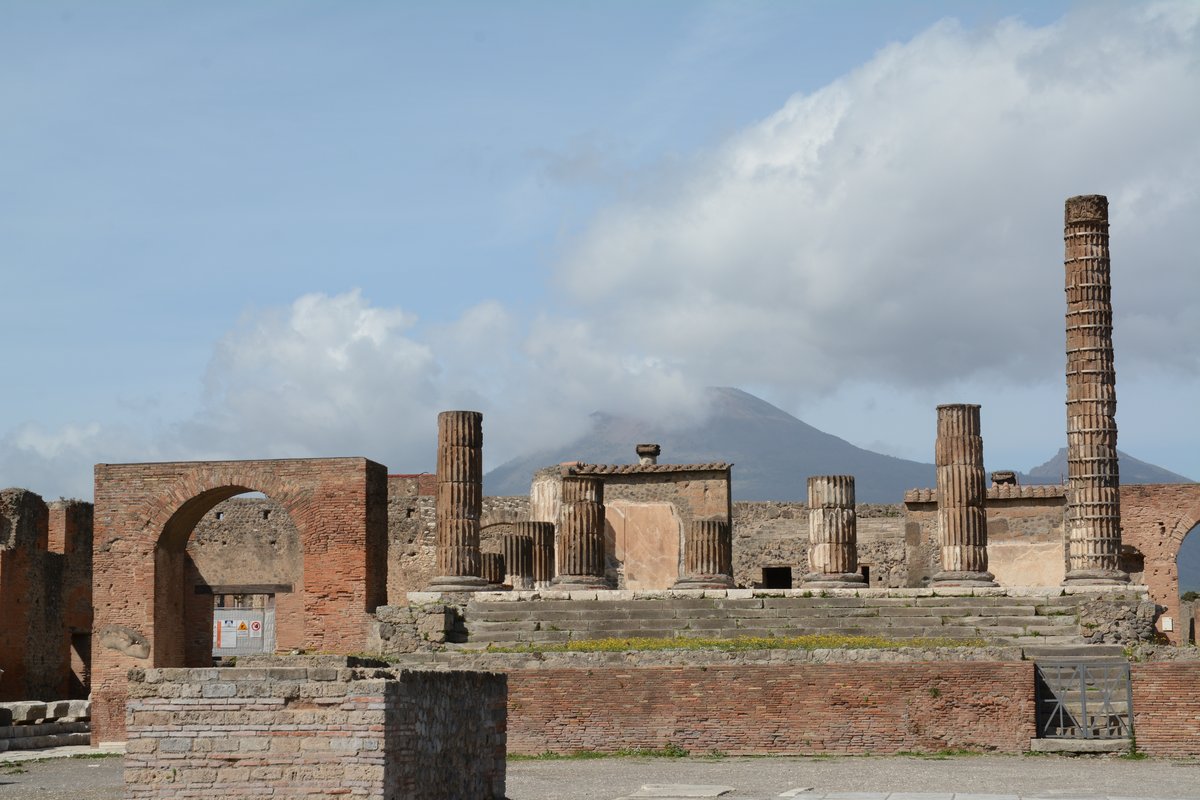
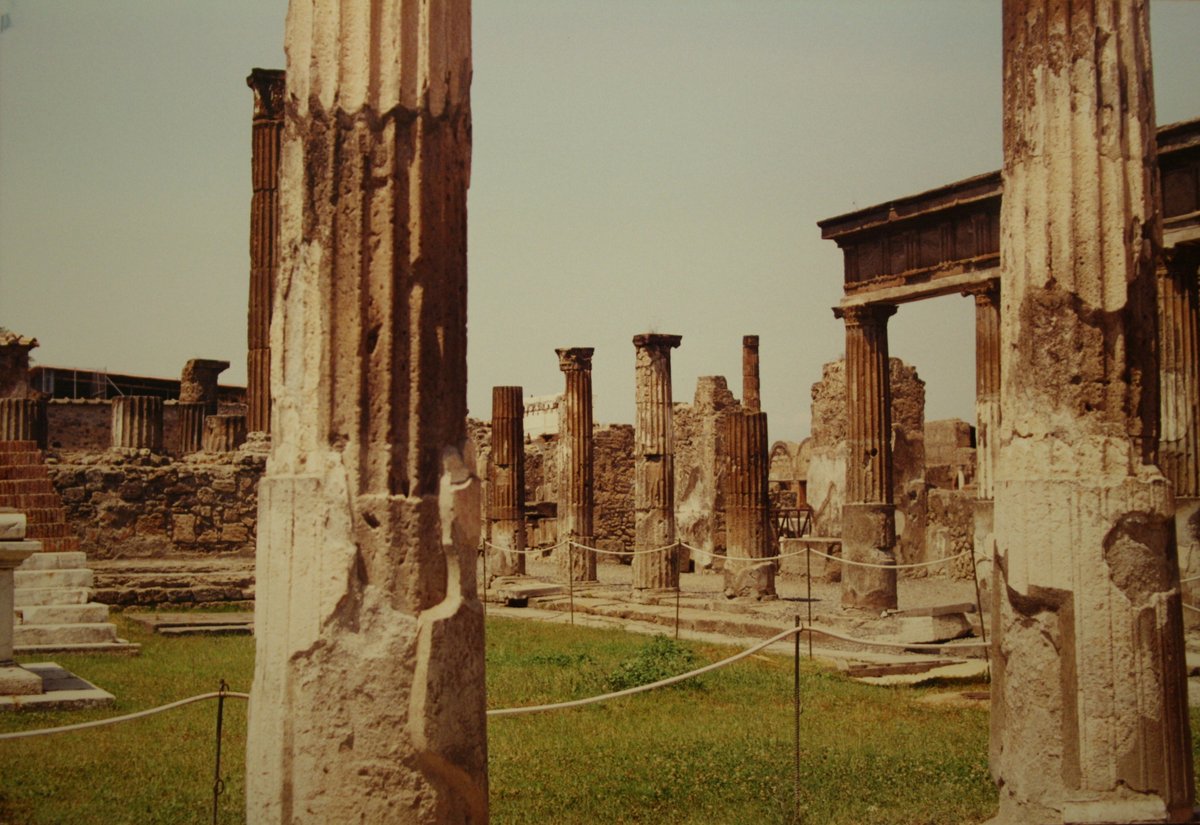
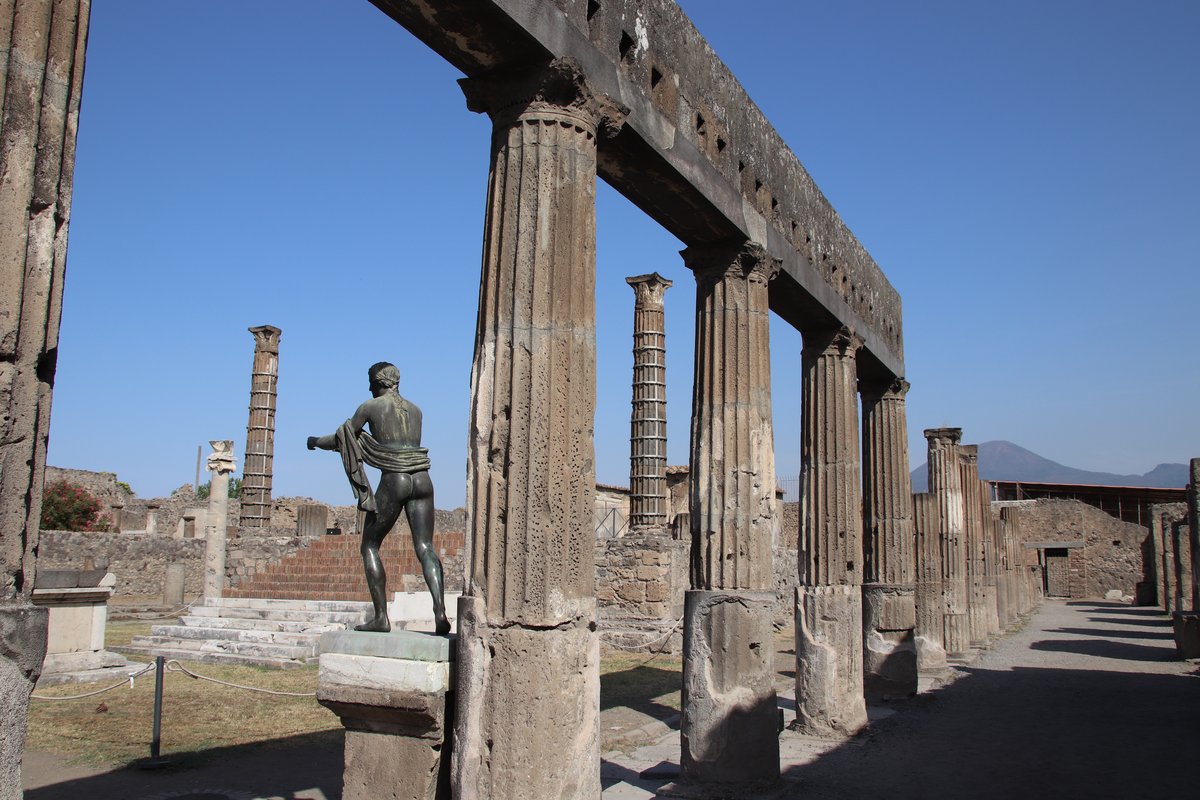
Today, visitors can admire the temple’s rectangular plan with 48 Ionic columns, a marble altar with bas-reliefs, and a sundial column. Replicas of the original statues of Apollo and Diana evoke the sanctuary’s former splendor. Archaeological finds—including pottery, votive offerings, and terracotta fragments—highlight the site’s centuries of worship (ItalyGuides.it, Sightseeing Tours Italy).
The Temple’s Place in Pompeii’s Urban Landscape
Strategically positioned in the Forum’s southwestern quadrant, near key civic buildings, the Temple of Apollo was central to the city’s daily life and religious identity (Pompeii Archaeological Park).
Legacy and Continuing Research
Ongoing archaeological investigations continue to reveal new information about the temple’s construction phases, urban integration, and the broader cultural exchanges of the ancient Mediterranean (Mariamilani.com, Academia.edu).
Sanctuary Layout and Urban Integration
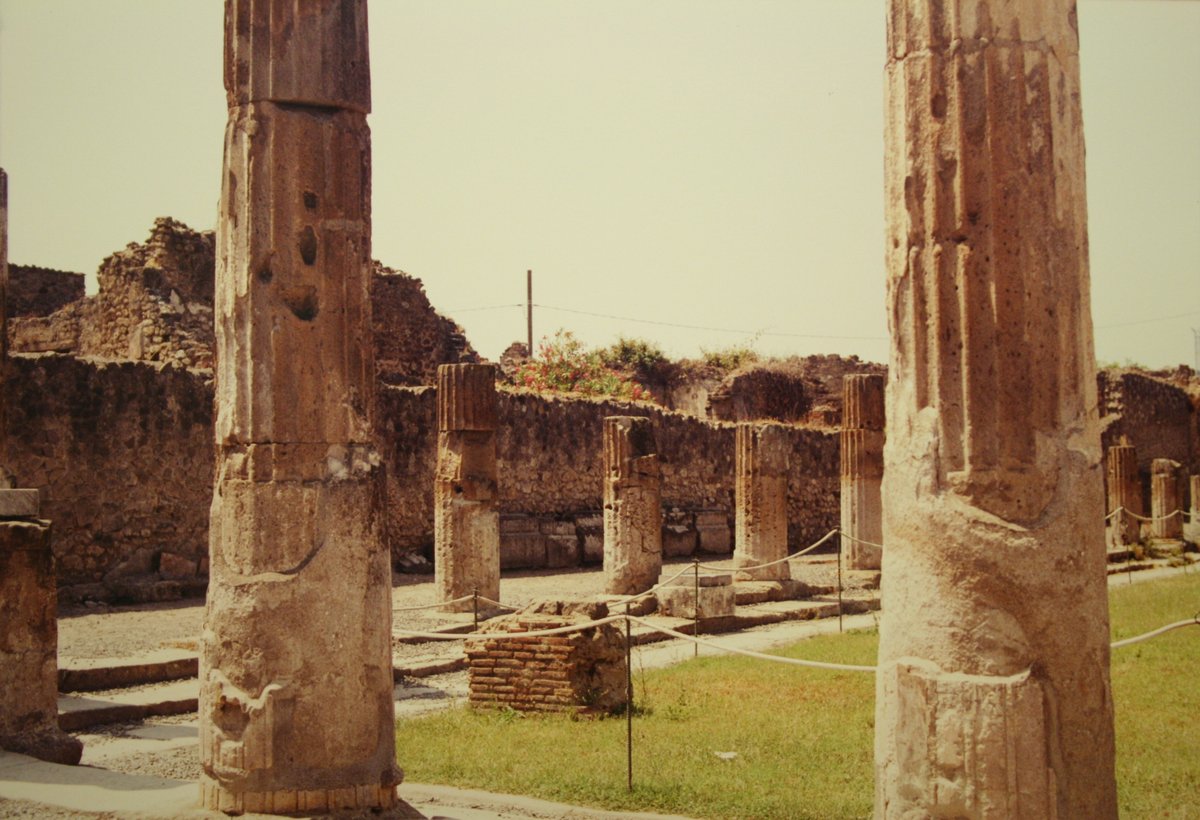
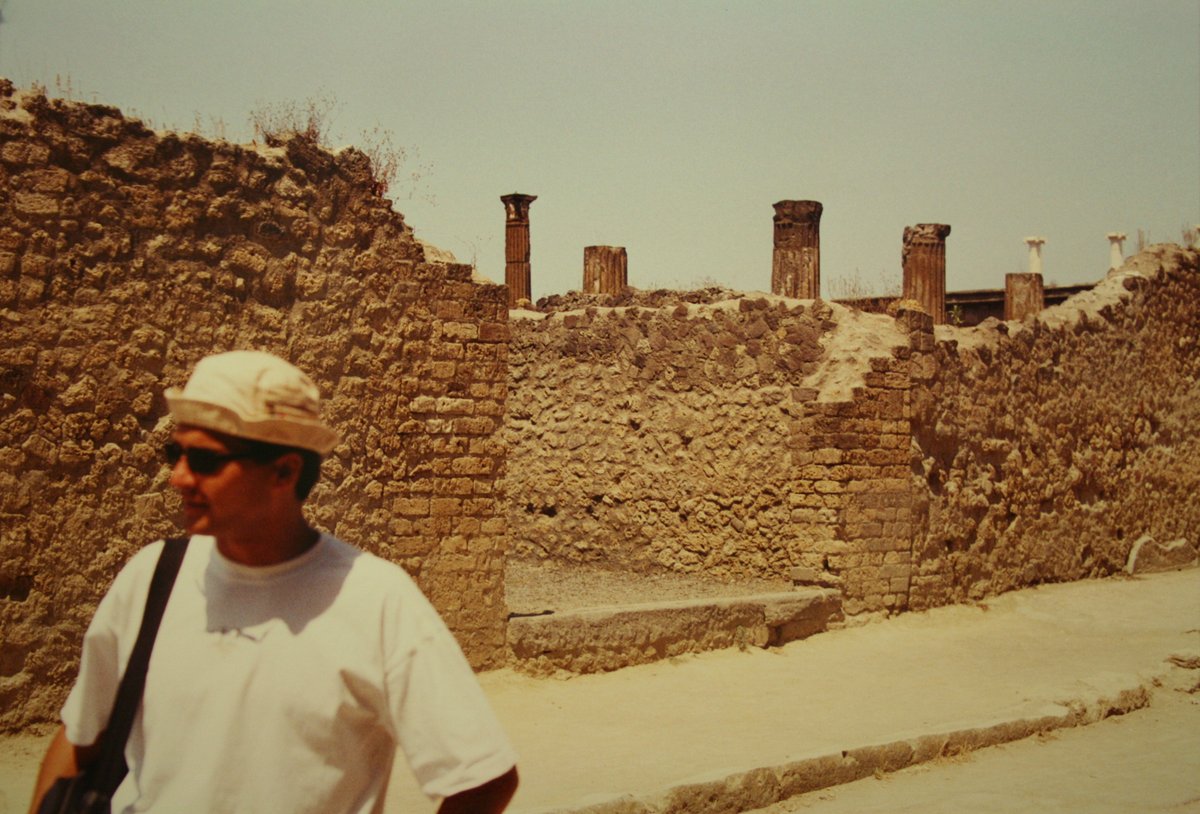
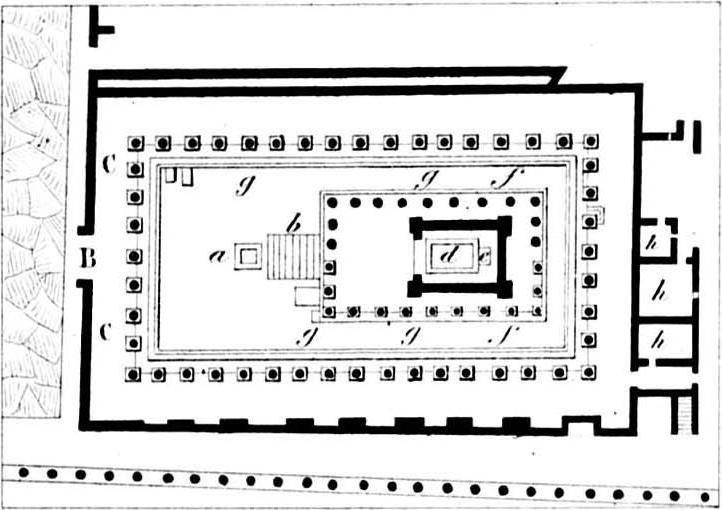
The temple occupies a prime location on the western side of Pompeii’s Forum. Enclosed by a rectangular temenos (sacred precinct) wall, it is separated from the urban environment by a distinctive pier wall. The open courtyard (peristyle) is framed by tufa columns, creating a processional space leading to the temple’s podium. Recent studies indicate that the current podium encapsulates an earlier, smaller structure, demonstrating multiple building phases (Academia.edu).
Architectural Features
Podium and Structure
The temple stands elevated on a high podium, accessible by a broad flight of steps facing the Forum. Archaeological evidence reveals that the podium surrounds an earlier version of the temple, with the form of the original structure partially reconstructed from the cella’s engaged columns (Academia.edu).
Cella and Pronaos
The rectangular cella (inner sanctum) faces east toward the Forum, with a pronaos (front porch) defined by columns that create a transitional space between the sacred interior and public exterior. The cella housed the cult statue of Apollo, the central focus of ritual activities.
Colonnade and Architectural Orders
The peristyle’s 48 Ionic columns, with occasional Doric and Corinthian influences, exemplify the blending of Greek and Roman styles. A meridian (sun dial) atop one column, commissioned by local magistrates, highlights the site’s civic as well as religious importance (pompeii.org.uk).
Statues and Decorative Elements
The sanctuary originally featured bronze statues of Apollo (as an archer) and Diana, now replaced by modern replicas. The originals, dating to the late Hellenistic period, are displayed in Naples (pompeii.org.uk). Decorative terracotta and marble elements, including mythological motifs, adorned the temple’s roof and altar.
Construction Techniques and Materials
Variations in construction technique and materials—such as the pier wall’s differing alignment and composition—offer insights into the sanctuary’s chronological development and adaptation to changing architectural styles (Academia.edu).
Visiting Information: Hours, Tickets, and Accessibility
Visiting Hours
- Summer (April–October): 9:00 AM to 7:00 PM (last entry at 5:30 PM)
- Winter (November–March): 9:00 AM to 5:00 PM (last entry at 3:30 PM)
- Closed: January 1, May 1, December 25
Always confirm current hours on the official Pompeii Archaeological Park website before your visit.
Tickets and Entry
- Standard ticket: €18 (main archaeological site)
- Combo ticket: €22 (includes suburban villas)
- 3-day ticket: €26 (includes additional sites and shuttle bus)
- Reduced/free tickets: Available for EU citizens aged 18–25 and children under 18 (ID required)
- Advance booking: Highly recommended, as there is a daily visitor cap of 20,000 admissions (Pompeiisites.org, Pompeii Ticketing)
Tickets can be purchased online or at the entrances.
Accessibility
The “Pompeii for All” accessible route (3.5 km) connects key sites—including the Temple of Apollo—via the Piazza Anfiteatro entrance. While many areas are accessible, some uneven surfaces and steps remain; check the latest accessibility updates before your visit (Cultured Voyages).
Transportation and Parking
Pompeii can be reached by train from Naples and Sorrento (Pompeii Scavi–Villa dei Misteri station). Parking is available near entrances, but spaces fill quickly during peak season. Shuttle buses and taxis also serve the site.
Visitor Experience and Practical Tips
- Guided Tours: Expert-led tours offer deep insights into the temple’s history and architecture. Audio guides and guidebooks are available at entrances (Pompeii Tours).
- Maps: Obtain printed or digital maps at entrances.
- Facilities: Restrooms and water fountains are located throughout the park. Limited food options—bring water and snacks, especially in summer (Helen on Her Holidays).
- Dress Code: Wear sturdy, comfortable shoes; the site’s ancient stones are uneven. Sun protection (hat, sunscreen, water) is essential, as shade is limited.
- Best Times to Visit: Early mornings or late afternoons offer cooler temperatures and fewer crowds.
Rules for Respectful Behavior and Preservation
- Do not touch, climb, or sit on ancient structures.
- Dispose of litter properly.
- Photography: Allowed for personal use; avoid flash or tripods where restricted.
- Pets: Only small dogs on leashes; must be carried inside buildings.
Nearby Attractions and Suggested Itineraries
The Temple of Apollo’s central location makes it an ideal starting point for exploring Pompeii’s other highlights:
- Forum: Civic and religious heart of Pompeii.
- Basilica: Ancient law courts and commercial center.
- Temple of Jupiter: Major temple at the north end of the Forum.
- Theater District: Large Theater and Odeon nearby.
- House of the Faun & Amphitheatre: Notable residential and entertainment sites (Savoring Italy).
Consider visiting Naples’ National Archaeological Museum to see original statues from the temple.
Frequently Asked Questions (FAQ)
Q: What are the Temple of Apollo Pompeii visiting hours?
A: Generally, 9:00 AM–7:00 PM in summer, 9:00 AM–5:00 PM in winter. Confirm on the official website before your visit.
Q: How do I buy tickets?
A: Online purchase via the official site is recommended; tickets are also available at entrances.
Q: Is the Temple of Apollo accessible for visitors with disabilities?
A: The “Pompeii for All” route provides access, though some uneven areas remain.
Q: Are guided tours available?
A: Yes, guided and audio tours are widely available and highly recommended.
Q: Where can I see the original statues?
A: The originals are in the National Archaeological Museum of Naples; the temple displays replicas.
Summary and Final Recommendations
The Temple of Apollo in Pompeii stands as a compelling testament to ancient religious life, architectural ingenuity, and cultural synthesis. Its enduring presence—surviving natural disasters and centuries of change—offers visitors a unique window into antiquity. For a fulfilling visit:
- Book tickets in advance.
- Arrive early or late in the day to avoid crowds and heat.
- Wear appropriate footwear and sun protection.
- Use guided resources for deeper understanding.
- Explore nearby landmarks to enrich your experience.
Stay updated by downloading the Audiala app for immersive tours and follow official channels for the latest news and travel tips. The Temple of Apollo is not only a monument of the past but a vibrant portal into the lives and beliefs of an ancient civilization (Pompeii Archaeological Park, Pompeiisites.org, Academia.edu).
Listen to the full story in the app
The whole Temple Of Apollo,
told well.
Audio guides for 1,100+ cities across 96 countries. History, stories, and local insight — offline ready.

Verified, and shown.
Researched and written by the Audiala editorial team from historical records, architectural archives, and local expertise.
Researched from Wikidata, Wikipedia & official sources · fact-checked · How we make our guides →