Introduction
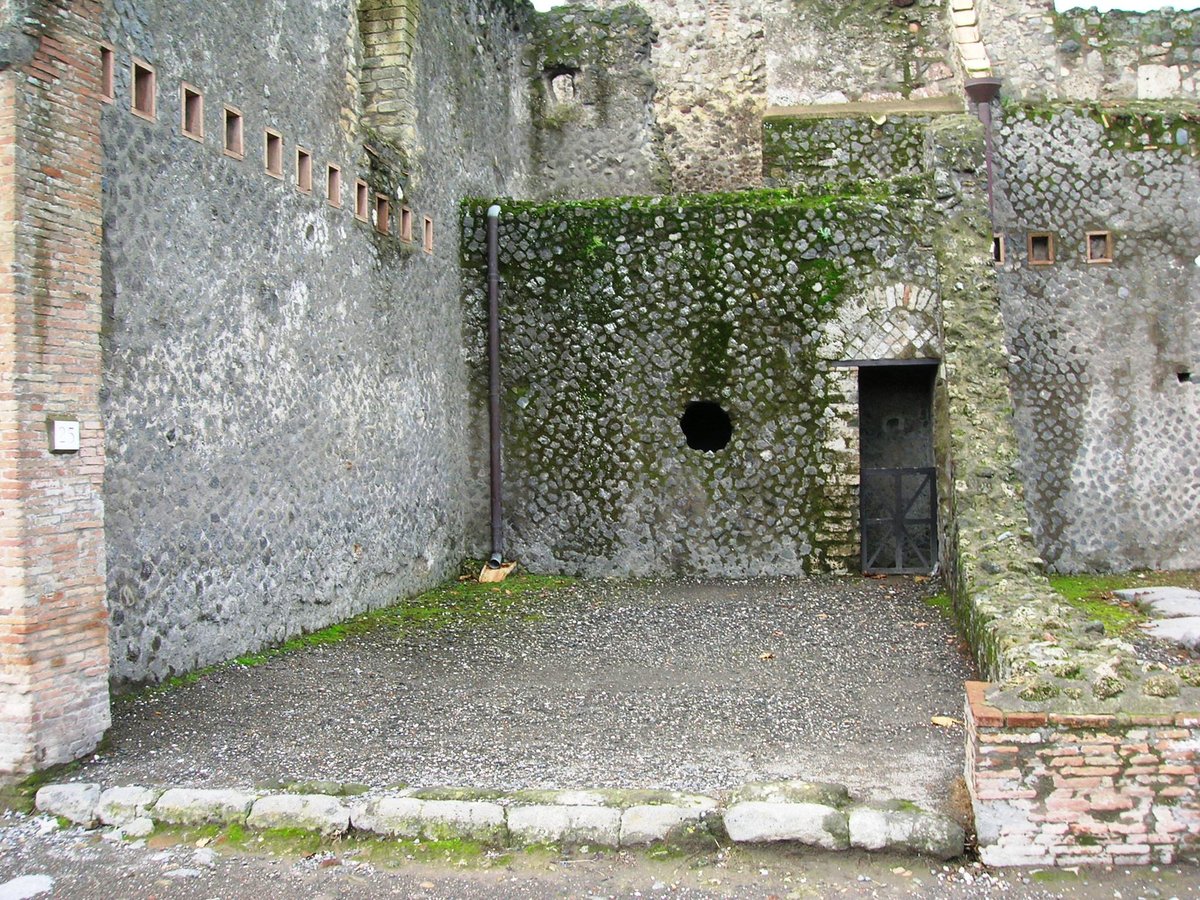
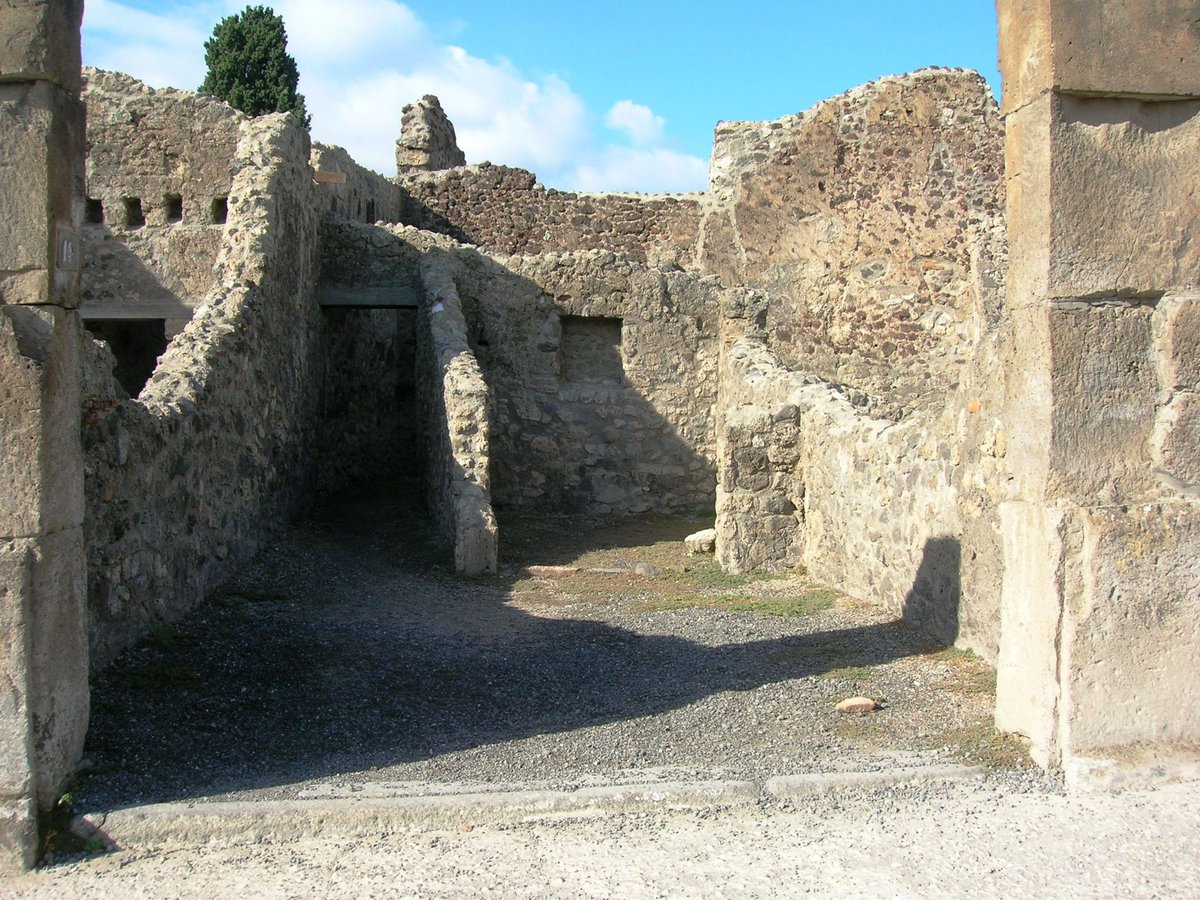
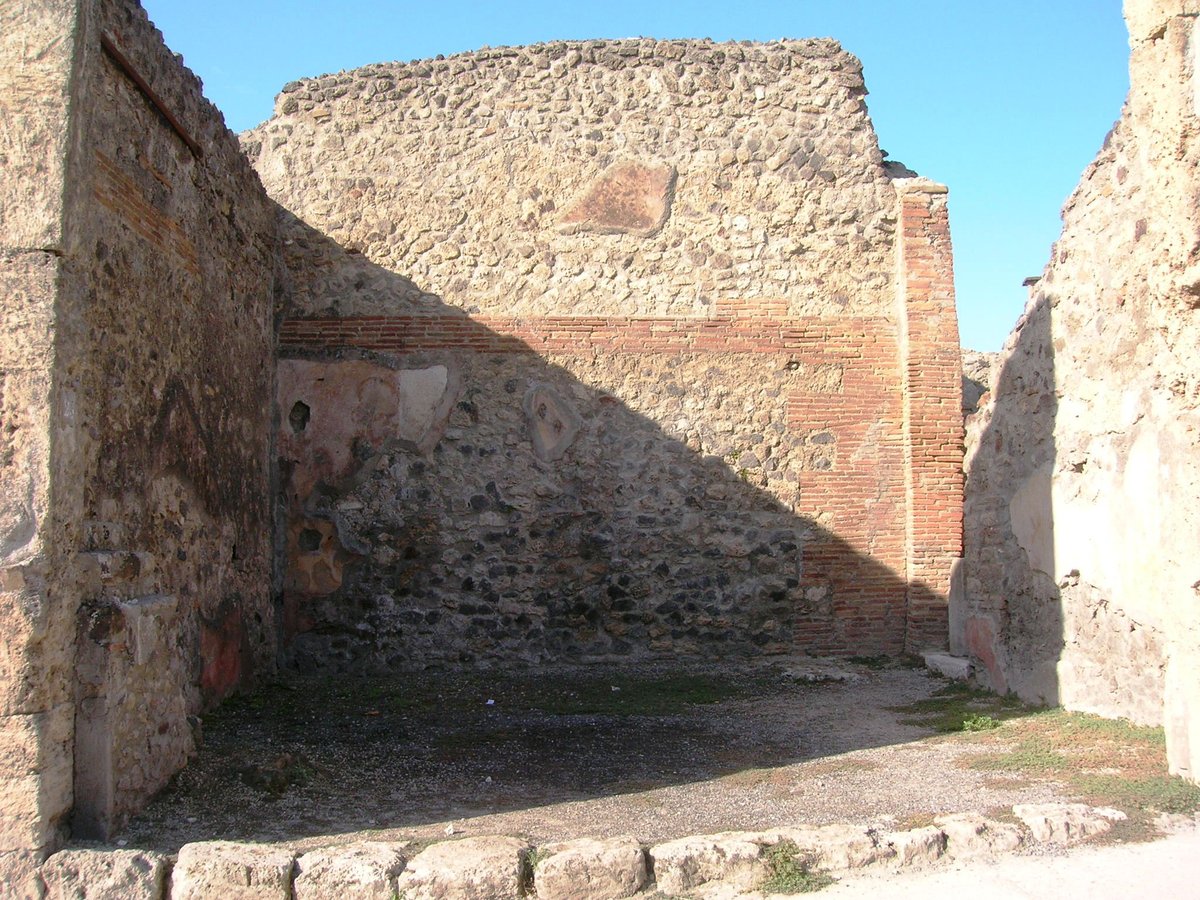
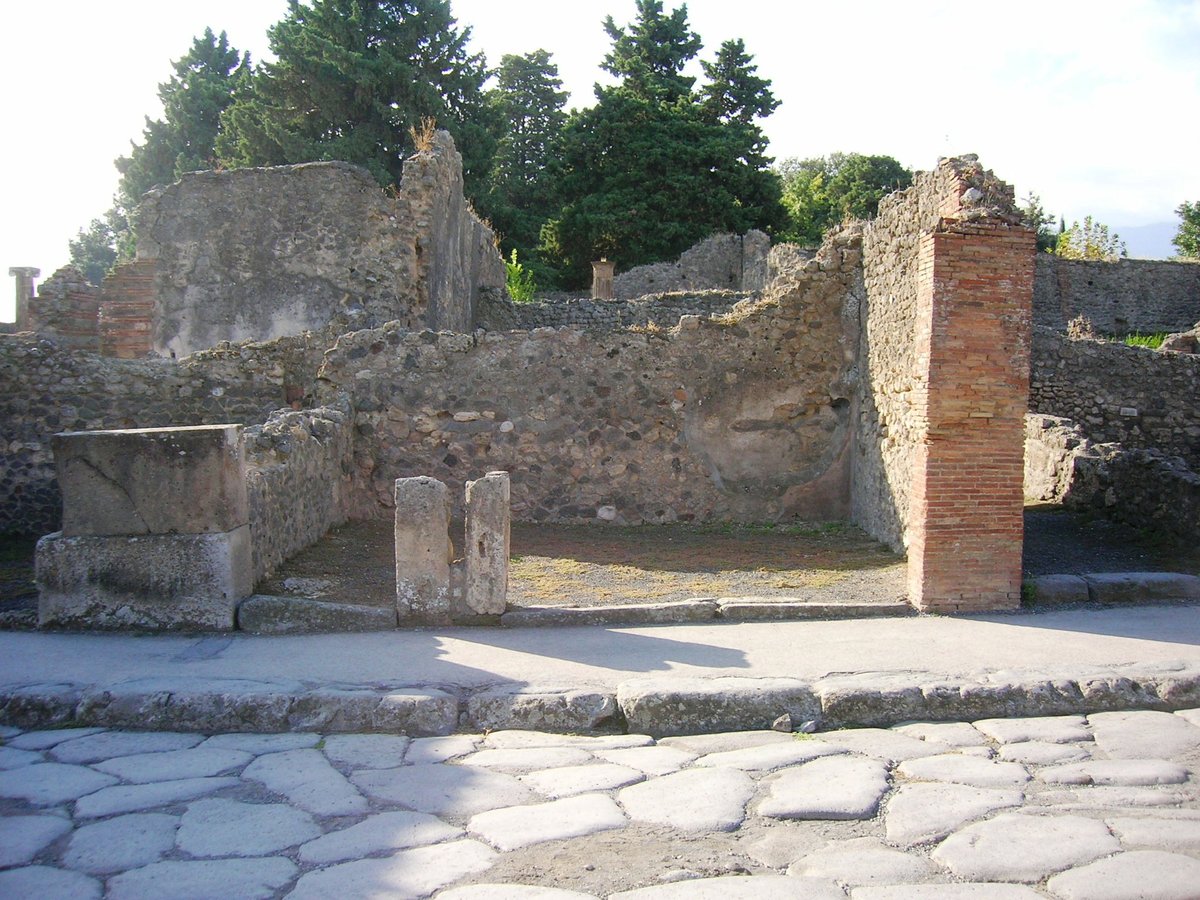
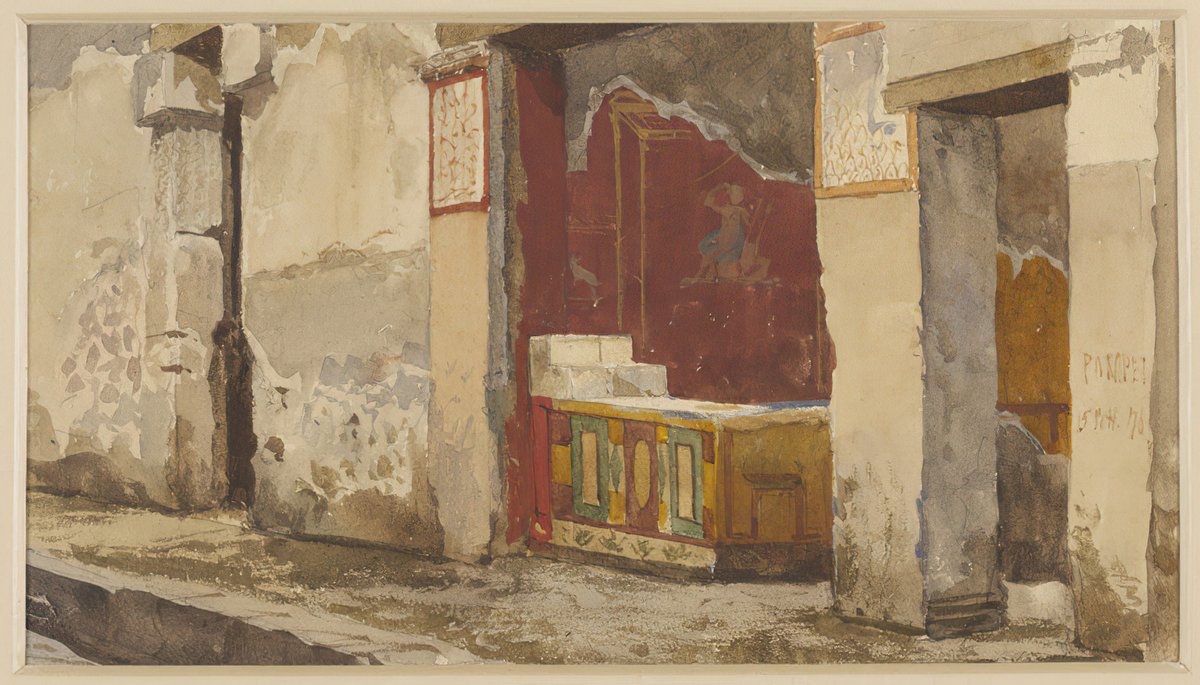
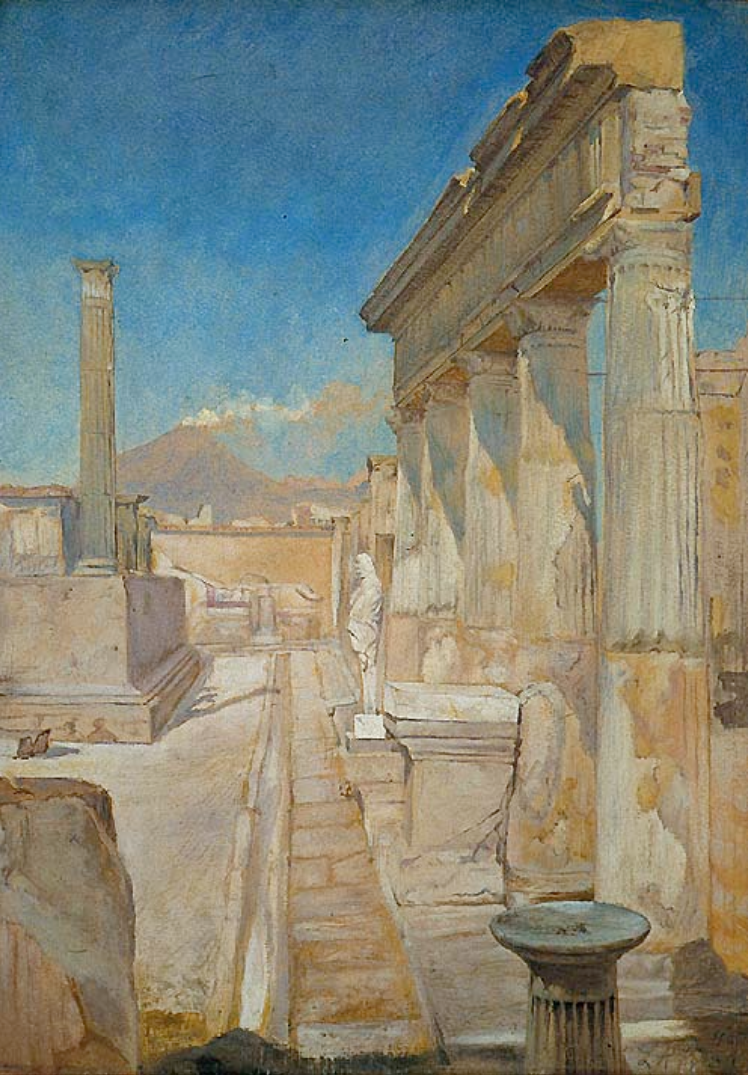
Pompeii, one of Italy’s most renowned archaeological sites, offers an immersive journey into ancient Roman urban life. Within its extensive ruins, the Stables and Hospitium stand as remarkable examples of Roman hospitality, urban planning, and commercial infrastructure. Located strategically near the Via Stabiana and Porta Stabia entrance, these sites illuminate how Pompeii accommodated a constant influx of travelers, merchants, and their animals, revealing the sophistication of Roman society and city design. This guide delivers in-depth historical context, practical visiting information, and expert tips to enhance your exploration of these exceptional sites (Pompeii in Pictures; Pompeii Archaeological Park; Naples Wise).
Historical Context and Urban Significance
Origins and Historical Development
Excavated in the late 19th century and further studied by the Pompeii Archaeological Research Project: Porta Stabia, the Stables and Hospitium reveal Pompeii’s vital role as a transitional hub for trade and travel. Their placement along the Via Stabiana, a principal artery of the city, allowed for efficient access by merchants and travelers while supporting animal-powered transport essential to commerce. The Roman concept of "hospitium" was central to the city’s function, providing shelter, food, and sanitation for transient populations (Monuments and Sights).
Urban Context and Architectural Features
Strategic Placement
Positioned near Pompeii’s southern gate and adjacent to the main commercial thoroughfares, the Stables and Hospitium were designed to facilitate the movement of people and goods, integrating seamlessly with the city’s grid. Their entrances, wide and reinforced with iron fittings, allowed for the passage of carts and animals, showcasing thoughtful urban planning (Pompeii in Pictures).
Architectural Layout and Materials
- Main Yard: Spacious and partially colonnaded, accommodating animals and vehicles.
- Stables: Equipped with watering troughs, feeding mangers, and tethering rings for horses and pack animals.
- Dormitory: Simple yet functional rooms for overnight stays, often with advanced drainage systems leading directly to the street.
- Latrines: Emphasizing Roman sanitation, with sophisticated waste management features.
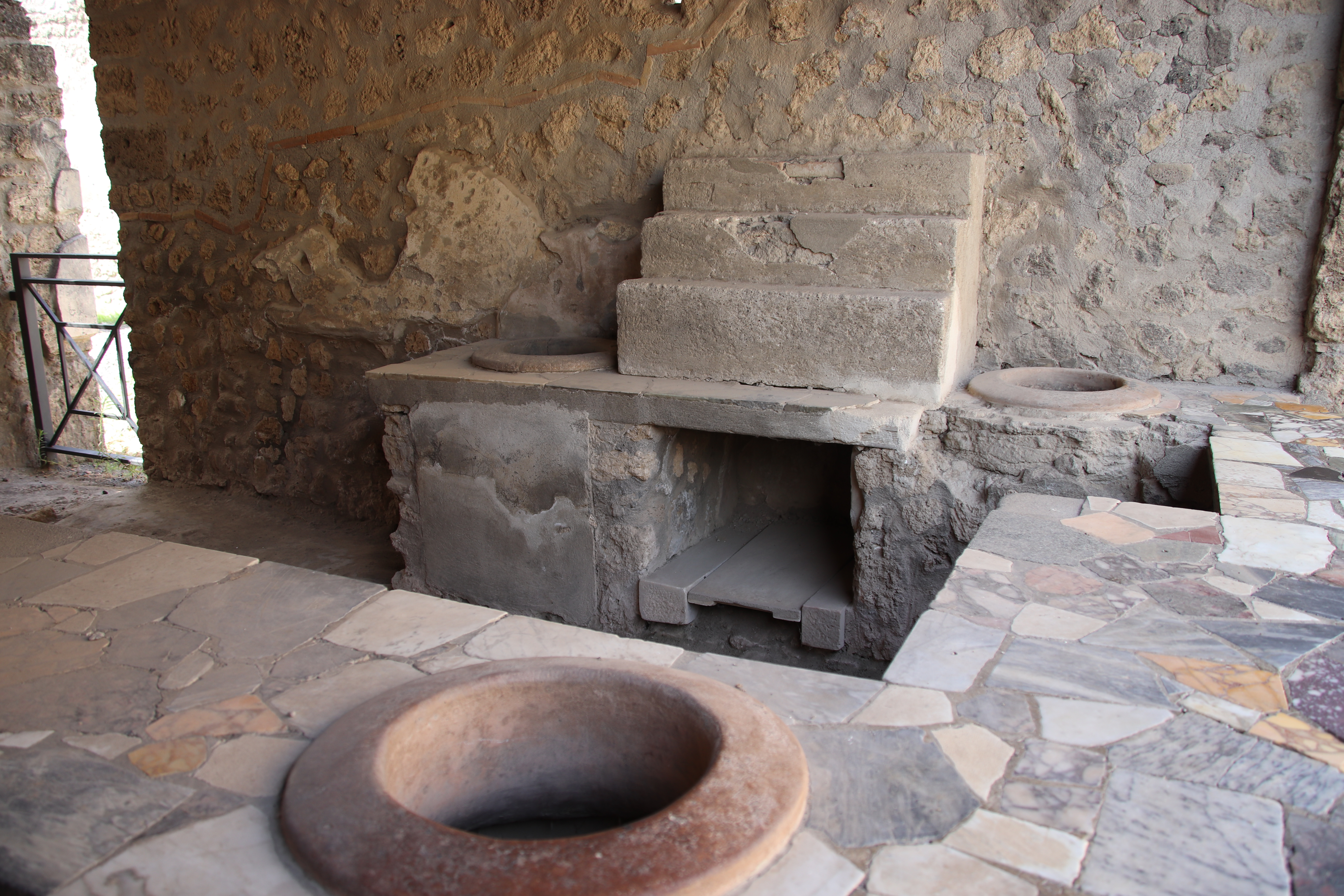
- Kitchen and Hearth: Facilities for food preparation, supporting the needs of both travelers and staff.
Construction utilized local volcanic stone and brick, with wooden beams and tiled roofs. In some cases, painted walls and mosaics added decorative touches (Academus Education).
Visiting the Stables and Hospitium
Hours and Ticket Information
-
Opening Hours:
- April 1 – October 31: 9:00 am – 7:00 pm (last entry 5:30 pm)
- November 1 – March 31: 9:00 am – 5:00 pm (last entry 3:30 pm)
- Closed: Christmas Day, New Year’s Day, occasional May 1 (Helen on Her Holidays)
-
Tickets:
- General admission tickets cover all main sites, including the Stables and Hospitium.
- Adults: ~€16; EU citizens aged 18-25: discounted; Children under 18: free.
- Purchase online in advance via the official Pompeii website to avoid queues.
Accessibility and Visitor Tips
- Terrain: Uneven ancient paving stones; sturdy shoes are essential (World Travel Connector).
- Accessibility: The “Pompeii for All” route (3.5 km) covers major highlights, but secondary sites like the Hospitium may have limited access (Naples Wise).
- Visitor Facilities: Limited refreshment options; bring water and snacks. Restrooms are located at main entrances.
Guided Tours and Nearby Attractions
- Guided Tours: Standard tours may not include the Stables and Hospitium—consider a specialized or private guide for in-depth exploration (Untold Italy). Audio guides are available at entrances.
- Nearby Attractions: The Forum, Amphitheatre, Villa of the Mysteries, and Stabian Baths are within easy reach and enrich the Pompeii experience.
- Special Openings: The “House of the Day” program occasionally grants access to rarely open buildings like the Hospitium; check official schedules.
Socio-Economic and Cultural Importance
The Stables and Hospitium exemplify Pompeii’s integration of hospitality and commerce. These sites were essential in supporting the city as a trading crossroads, enabling efficient movement and cultural exchange. Hospitality was a core Roman value, evident in the provision of inns, stables, and communal spaces that fostered interaction among diverse populations (Academus Education; Pompeii Archaeological Park).
Preservation and Modern Interpretation
Ongoing conservation and research, including modern methods like 3D scanning, ensure the preservation of architectural features, wall paintings, and everyday artifacts. Interpretive signage and digital resources, such as virtual tours and mobile apps, make the sites accessible and engaging for all visitors (The Archaeologist).
Frequently Asked Questions (FAQs)
Q: What are the opening hours for Pompeii and the Stables/Hospitium?
A: April–October: 9:00 am–7:00 pm (last entry 5:30 pm); November–March: 9:00 am–5:00 pm (last entry 3:30 pm). Closed on select holidays.
Q: How much are tickets and do they include these sites?
A: General admission (~€16) includes access to the Stables and Hospitium. Discounts for youth and free for under-18s.
Q: Are these sites accessible for people with disabilities?
A: Some improvements exist, but many secondary sites have limited accessibility. Consult the official accessibility guide.
Q: Are guided tours available?
A: Yes, but specialized tours are needed to focus on lesser-known sites like the Hospitium. Audio guides are also available.
Q: Can I take photographs?
A: Yes, for personal use. Tripods, drones, and flash photography in sensitive areas are restricted.
Listen to the full story in the app
Your Personal Curator, in Your Pocket.
Audio guides for 1,100+ cities across 96 countries. History, stories, and local insight — offline ready.
Audiala App
Available on iOS & Android
Join 50k+ Curators
Sources
- verified
- verified
- verified
- verified
- verified
- verified
- verified
Last reviewed: