Introduction
Pompeii, a UNESCO World Heritage Site near Naples, Italy, offers an unparalleled window into ancient Roman urban life. Among its many evocative ruins, the Shop With Dwelling (II.3.8) stands out as a vivid example of how commercial and domestic spaces were intertwined in the daily lives of Pompeii’s residents. This guide provides an in-depth look at the historical and architectural significance of Shop With Dwelling II.3.8, along with practical information to help you plan your visit, including current opening hours, ticketing details, accessibility, and expert tips.
For authoritative and updated details, refer to the official Pompeii Archaeological Park website, as well as resources such as Pompeii in Pictures and The Collector.
Historical Context of Pompeii
Origins and Urban Development
Pompeii was originally founded by the Oscans in the 6th century BCE and later influenced by Greek, Samnite, and Roman cultures. By the 1st century BCE, it was a bustling Roman colony strategically located near the Sarno River and the Bay of Naples. The city was laid out in a grid pattern featuring a mix of residential, commercial, and religious buildings, reflecting sophisticated Roman urban planning (The Collector).
Economic and Social Life
Pompeii’s economy thrived on agriculture, trade, and commerce. Products such as olive oil, wine, and garum (fish sauce) were exported across the Mediterranean. The city’s streets were lined with shops (tabernae), bakeries, workshops, and taverns, many of which had living quarters attached. This integration of commerce and domesticity was typical of Pompeii’s middle and lower classes, where shopkeepers often lived behind or above their businesses (Pompeii in Pictures).
The Eruption of 79 CE
The eruption of Mount Vesuvius in 79 CE buried Pompeii in volcanic ash, preserving its buildings, objects, and even residents in remarkable detail. Rediscovered in the 18th century, ongoing excavations have provided invaluable insights into ancient Roman life (The Archaeologist).
Shop With Dwelling (II.3.8): Historical and Architectural Significance
Architectural Layout and Features
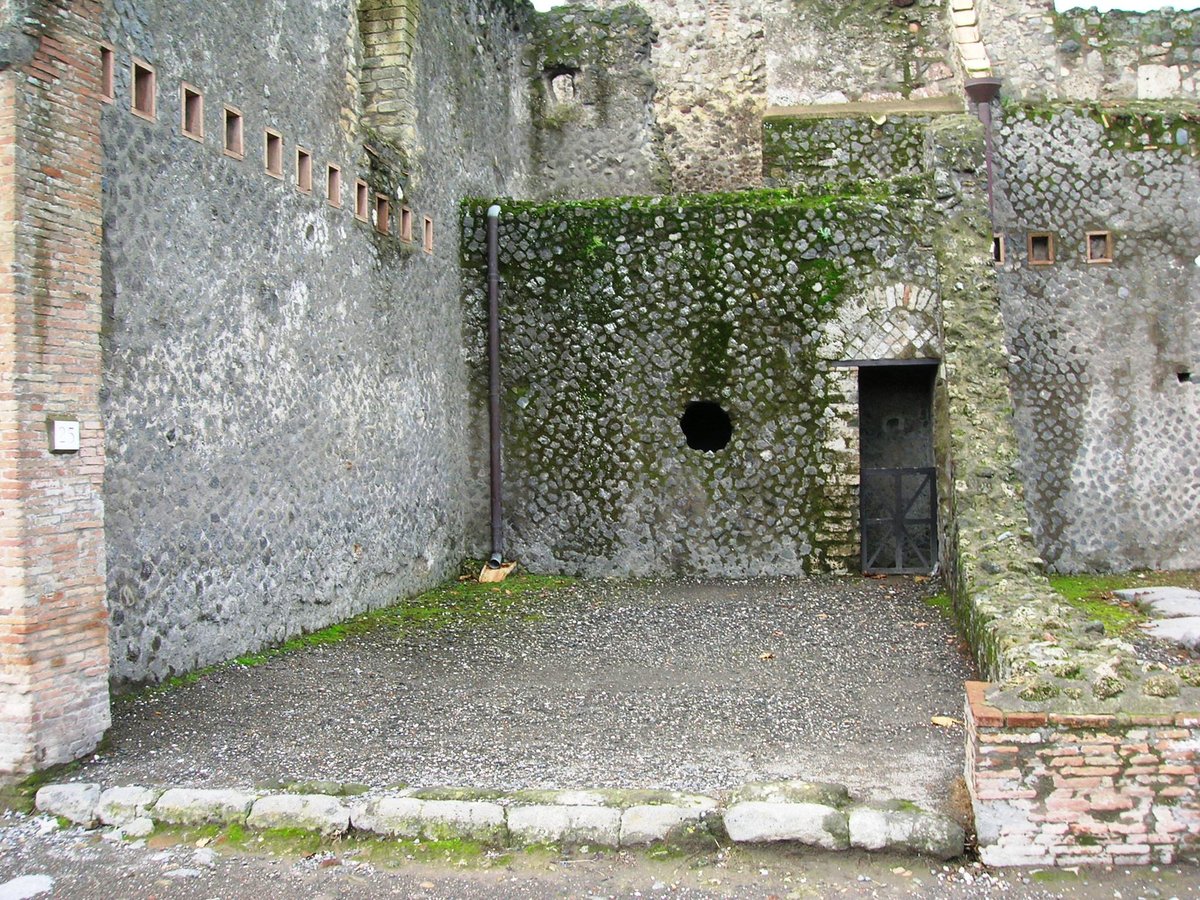
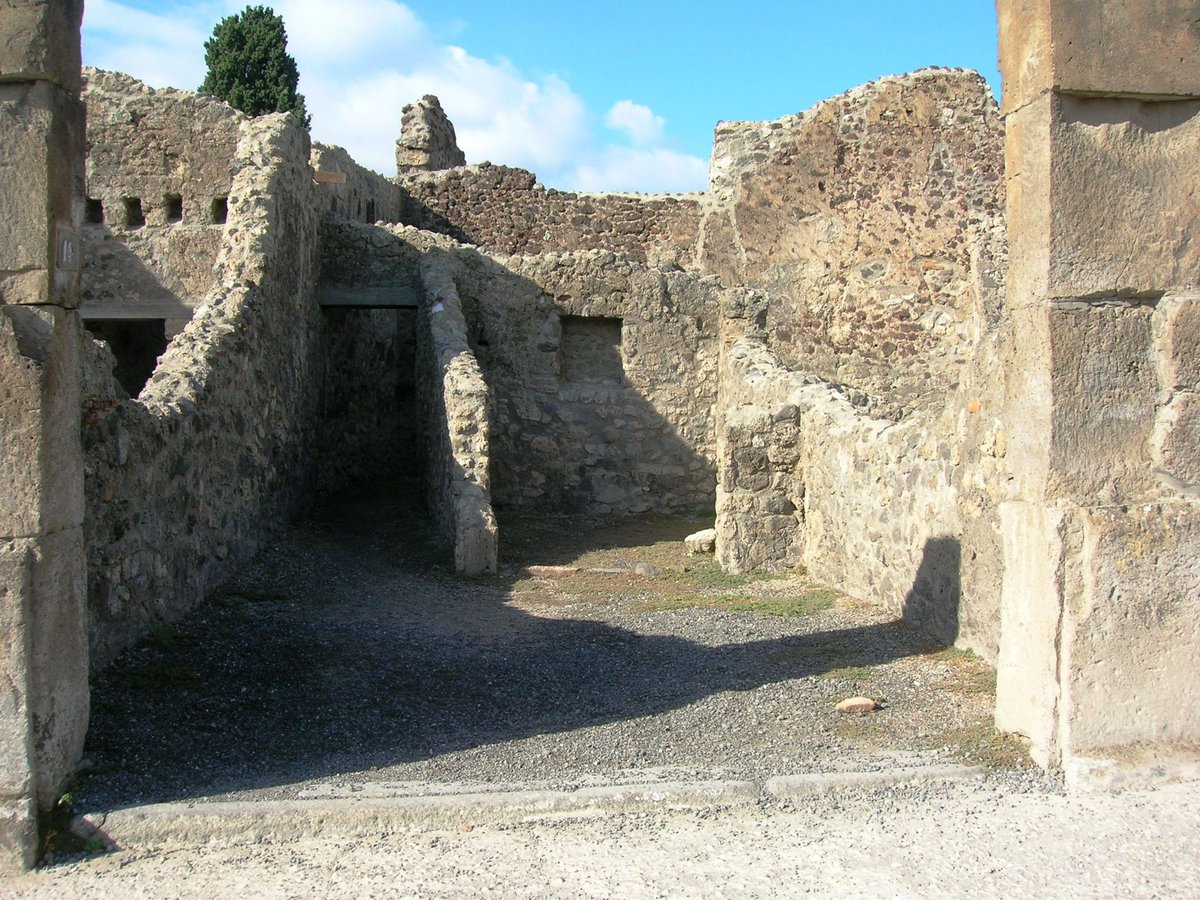
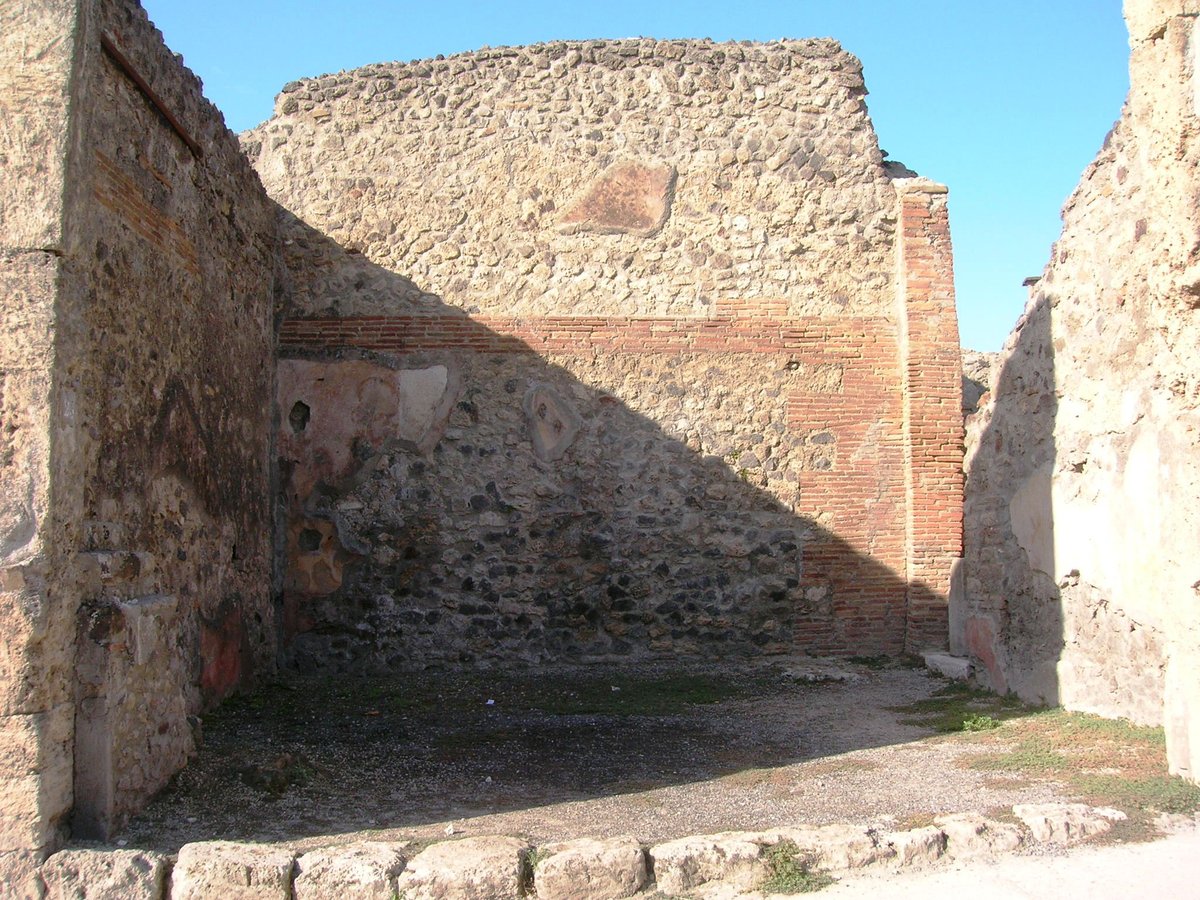
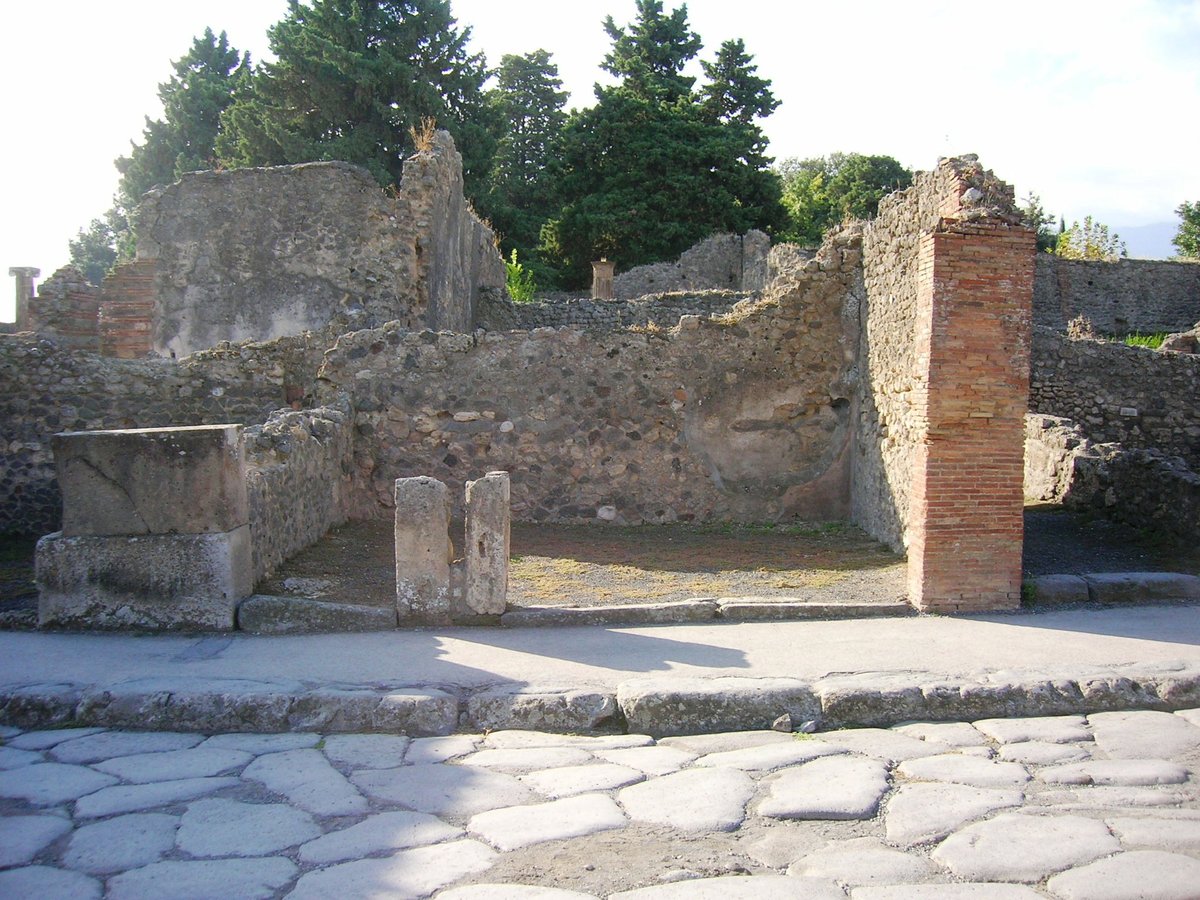
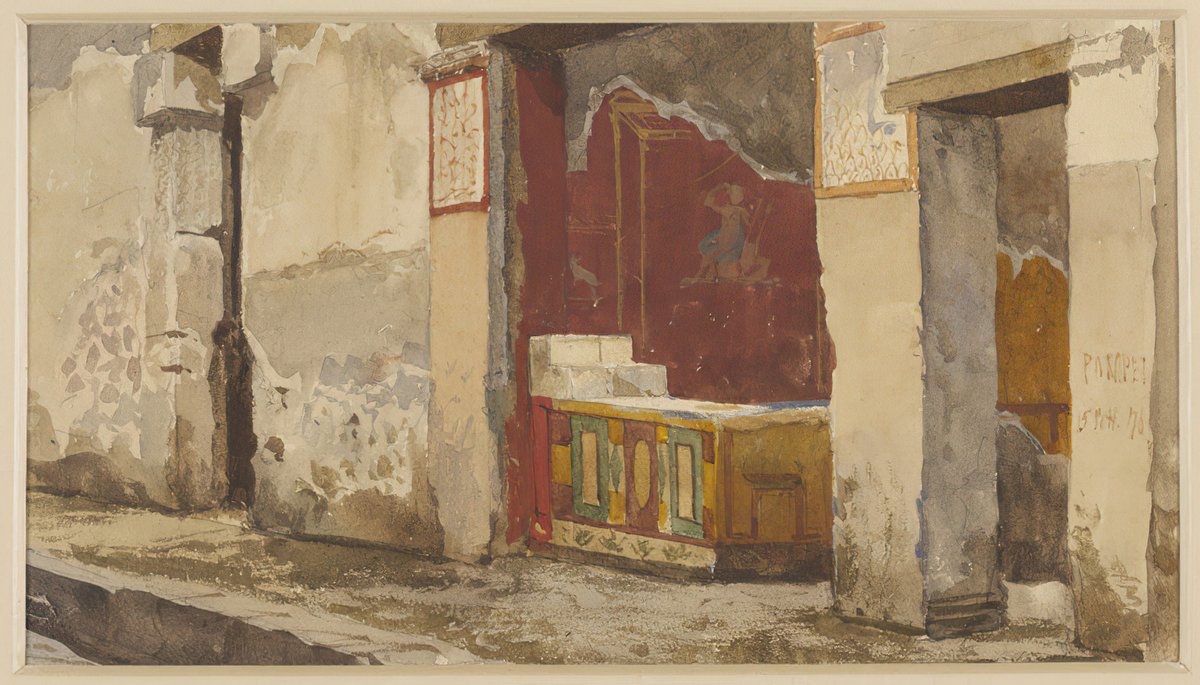
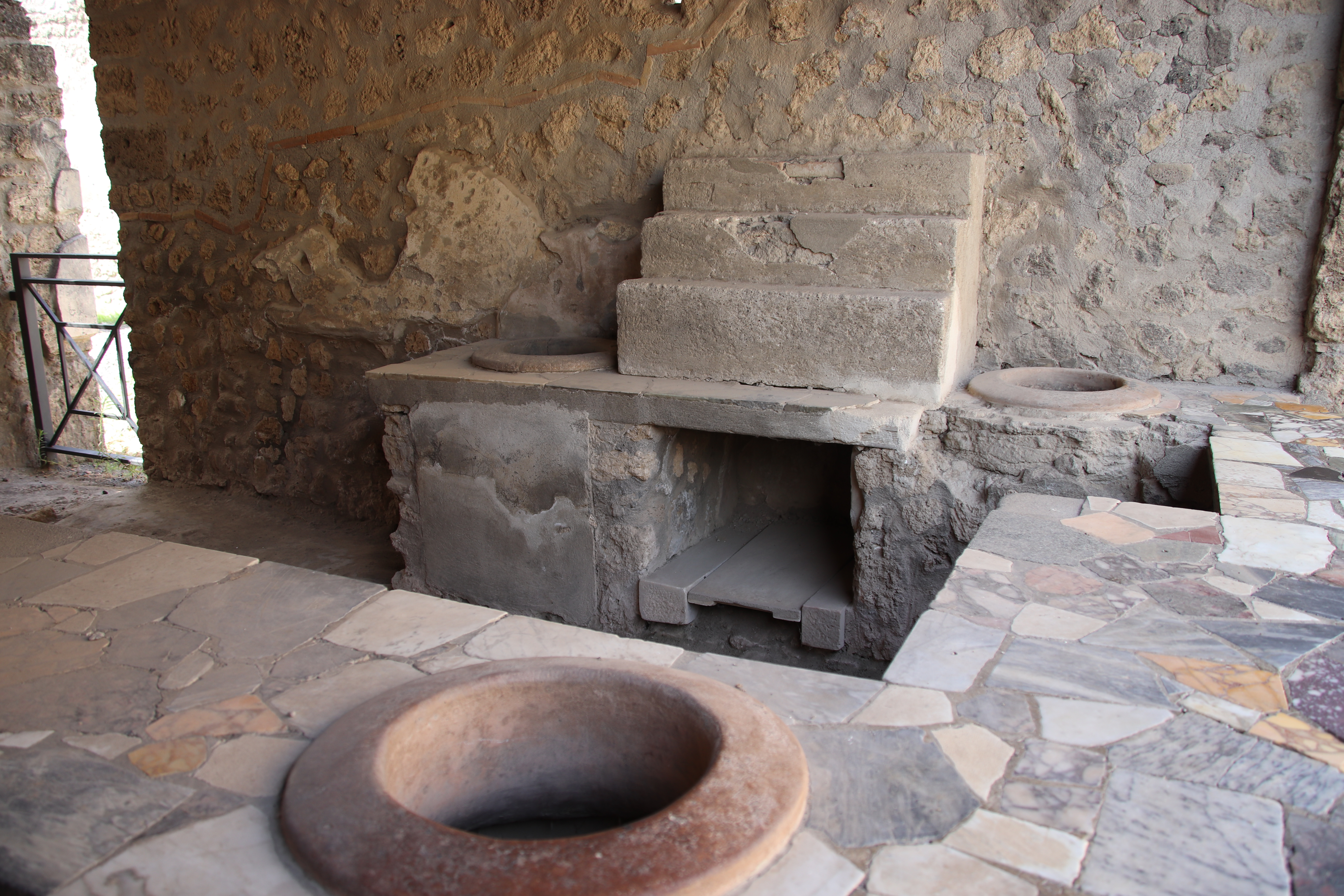
Shop With Dwelling II.3.8 is a quintessential example of Pompeii’s mixed-use urban structures. Located in Regio II, Insula 3, doorway 8, this property combines a street-facing shop with adjoining private living quarters. The shop typically had a wide entrance for accessibility, counters (sometimes with built-in dolia for storage), and simple painted plaster on interior walls. Behind or above the commercial area, modest domestic rooms provided accommodation for the shopkeeper’s family (Pompeii in Pictures).
Walls were constructed using local tufa and lava with opus incertum methods; floors ranged from simple mortar to mosaic or opus signinum, and ceilings were supported by wooden beams. Decorative elements included painted plaster, graffiti, and commercial inscriptions (The Archaeologist).
Socio-Economic Context
Such shops were typically owned by lower-middle-class families, who ran their businesses and homes side by side. The shop-dwelling layout maximized the use of Pompeii’s valuable street frontage and fostered an efficient blend of business and family life.
Urban Integration
II.3.8 is set along a busy paved street, benefiting from heavy foot and cart traffic. The surrounding area featured other shops, workshops, and public amenities like fountains, making it part of a vibrant urban ecosystem (mariamilani.com).
Archaeological Insights
Finds from similar sites include amphorae, weights, and evidence of goods such as grain or textiles. The preservation of daily-use objects and even carbonized remains offers a direct view into the routines and tragedies of Pompeii’s residents (The Archaeologist).
Planning Your Visit: Hours, Tickets, and Accessibility
Visiting Hours
- Summer (April–October): 9:00 am – 7:00 pm (last entry at 5:30 pm)
- Winter (November–March): 9:00 am – 5:00 pm (last entry at 3:30 pm)
- Note: Some buildings, including shops, may close earlier for conservation. Always check the official Pompeii site for updates.
Tickets and Admission
- Standard Adult Ticket: ~€16
- Discounted Rates: Available for EU citizens aged 18–25; children under 18 enter free.
- Where to Buy: Official Pompeii website, authorized vendors, or at the entrance. Online booking is recommended to avoid queues.
- Entry covers the entire archaeological park, including Shop With Dwelling II.3.8.
Accessibility
- Pompeii’s ancient streets are uneven, and accessibility is limited, though improvements have been made along main routes.
- Wheelchair users and those with mobility needs should consult the official accessibility guide.
- Restrooms, water fountains, and a cafeteria are available near main entrances.
Getting There
- Pompeii is accessible by train from Naples and Sorrento (Pompei Scavi station).
- Main entrances: Piazza Anfiteatro, Porta Marina, and Piazza Esedra.
What to Expect at Shop With Dwelling (II.3.8)
- Facade: Wide doorway for easy customer access; simple, functional design.
- Interior: Look for counters, storage niches, painted walls, and evidence of daily domestic activity.
- Living Quarters: Small rooms behind or above the shop, sometimes with a hearth or oven.
- Street Context: Observe wheel ruts in basalt paving and neighboring businesses, offering a sense of the bustling urban environment (Nomad Epicureans).
Responsible Tourism and Preservation
- Stay on marked paths; do not touch or remove artifacts.
- Dispose of waste properly and respect ongoing conservation efforts.
- Responsible tourism ensures the preservation of Pompeii’s heritage for future generations.
Visitor Tips
- Buy tickets online to save time and avoid queues.
- Visit early or late to beat the crowds and heat.
- Wear sturdy shoes—ancient streets are uneven.
- Bring water, sun protection, and a hat.
- Use official guides or audio tours for a deeper understanding.
- Be aware of pickpockets at entrances and on public transport.
- Avoid unofficial ticket sellers and always purchase from official sources (Lonely Planet).
Digital Advances and Research
Modern technologies, such as 3D imaging and digital reconstructions, are enhancing our understanding of Pompeii’s buildings—including Shop With Dwelling II.3.8. These advances also support conservation and allow virtual exploration for those unable to visit in person (The Archaeologist).
Frequently Asked Questions (FAQ)
Q: What hours is Pompeii open?
A: Summer: 9:00 am–7:00 pm (last entry 5:30 pm). Winter: 9:00 am–5:00 pm (last entry 3:30 pm). Check official updates.
Q: Is Shop With Dwelling II.3.8 included in the standard ticket?
A: Yes, your ticket covers all accessible areas, including II.3.8.
Q: Is the site accessible for those with mobility issues?
A: Accessibility is limited but improving. Consult the official accessibility guide.
Q: Are guided tours available?
A: Yes, licensed guides and audio tours are available both on-site and online (Lonely Planet).
Q: Can I take photos?
A: Yes, for personal use. Flash and tripods may be restricted in some areas.
Discover More
Ready to explore Shop With Dwelling II.3.8 and other treasures of Pompeii? Download the Audiala app for audio guides and up-to-date tips. Follow us on social media for the latest news, events, and inspiration to make your Pompeii adventure unforgettable.
Listen to the full story in the app
Your Personal Curator, in Your Pocket.
Audio guides for 1,100+ cities across 96 countries. History, stories, and local insight — offline ready.
Audiala App
Available on iOS & Android
Join 50k+ Curators
Sources
- verified
- verified
- verified
- verified
- verified
- verified
Last reviewed: