Introduction
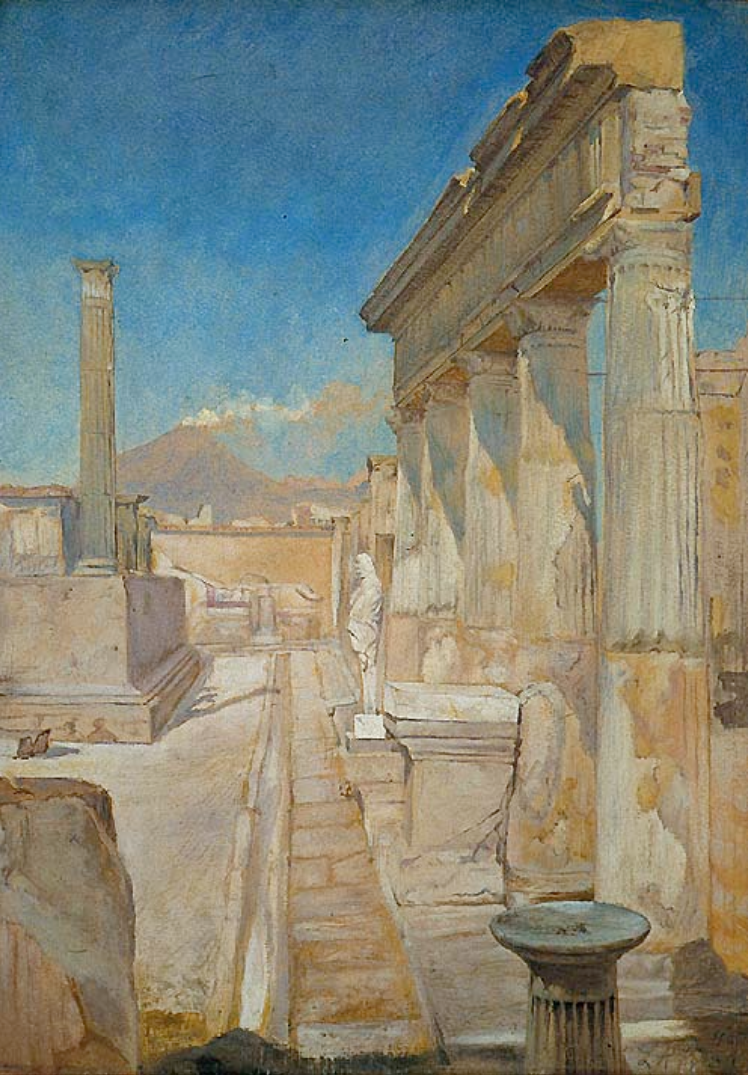
Shop VIII.4.25, situated in the southwestern quadrant of Pompeii near the bustling Forum, offers a unique insight into ancient Roman urban life and commerce. This remarkably preserved taberna not only exemplifies the architectural ingenuity and economic vibrancy of Pompeii before the catastrophic eruption of Mount Vesuvius in 79 CE but also serves as a window into the daily rhythms, social structures, and commercial strategies of a thriving Roman city. This comprehensive guide synthesizes archaeological findings, urban context, and practical visitor information—covering visiting hours, ticketing, accessibility, and sustainable tourism—to prepare travelers for an enriching experience at this iconic site (Pompeii Archaeological Park, Oxford Bibliographies, BBC Travel World).
Photo Gallery
Explore Shop (Viii.4.25) in Pictures
Location and Urban Context
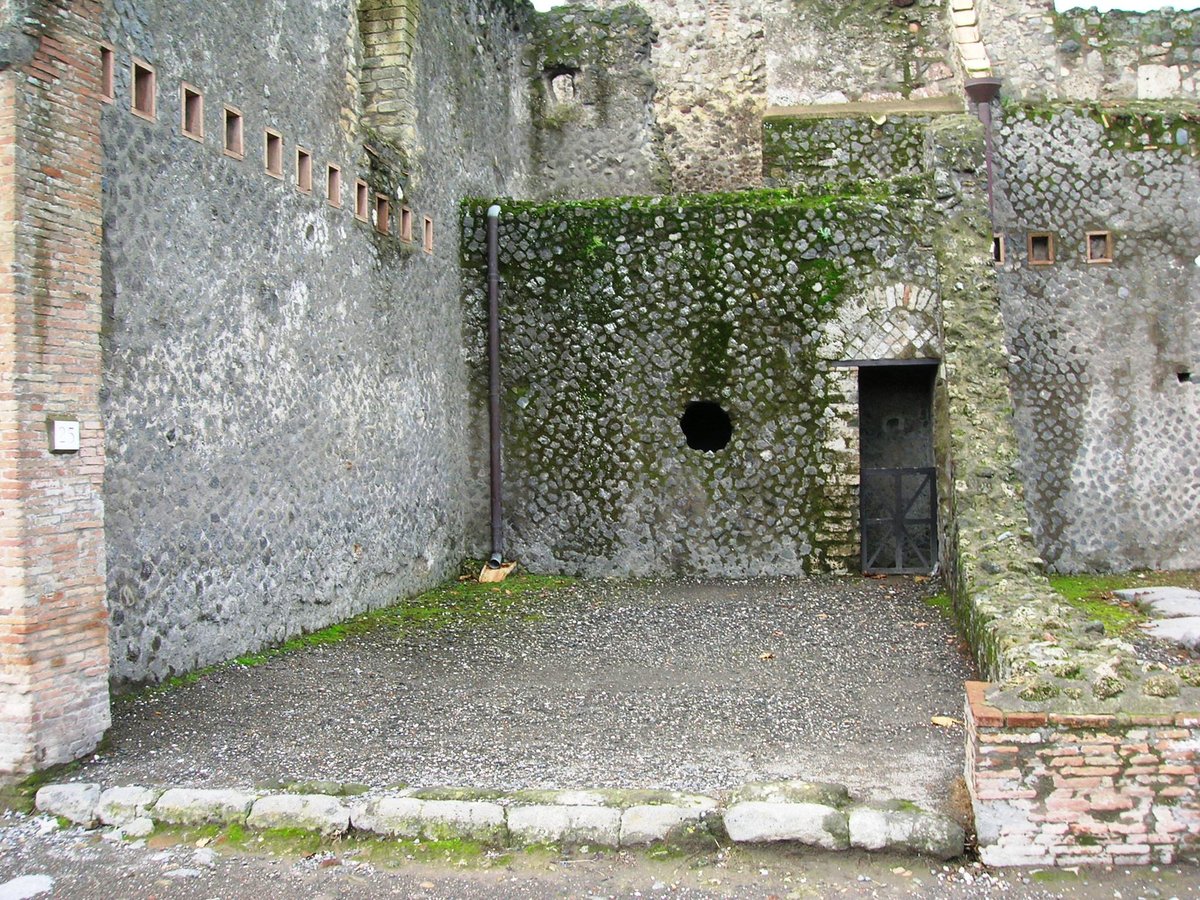
Shop VIII.4.25 is found in Regio VIII, Insula 4, doorway 25, close to the heart of Pompeii’s civic and commercial activity. Its proximity to the Forum, the Sanctuary of Apollo, and elite residences illustrates the seamless integration of commerce, religion, and public life in Roman urban planning. This mixed-use environment, with tabernae, workshops, and homes densely packed together, supported a vibrant marketplace and facilitated economic interaction among residents and visitors alike (Oxford Bibliographies).
Architectural Features
Shopfront and Façade
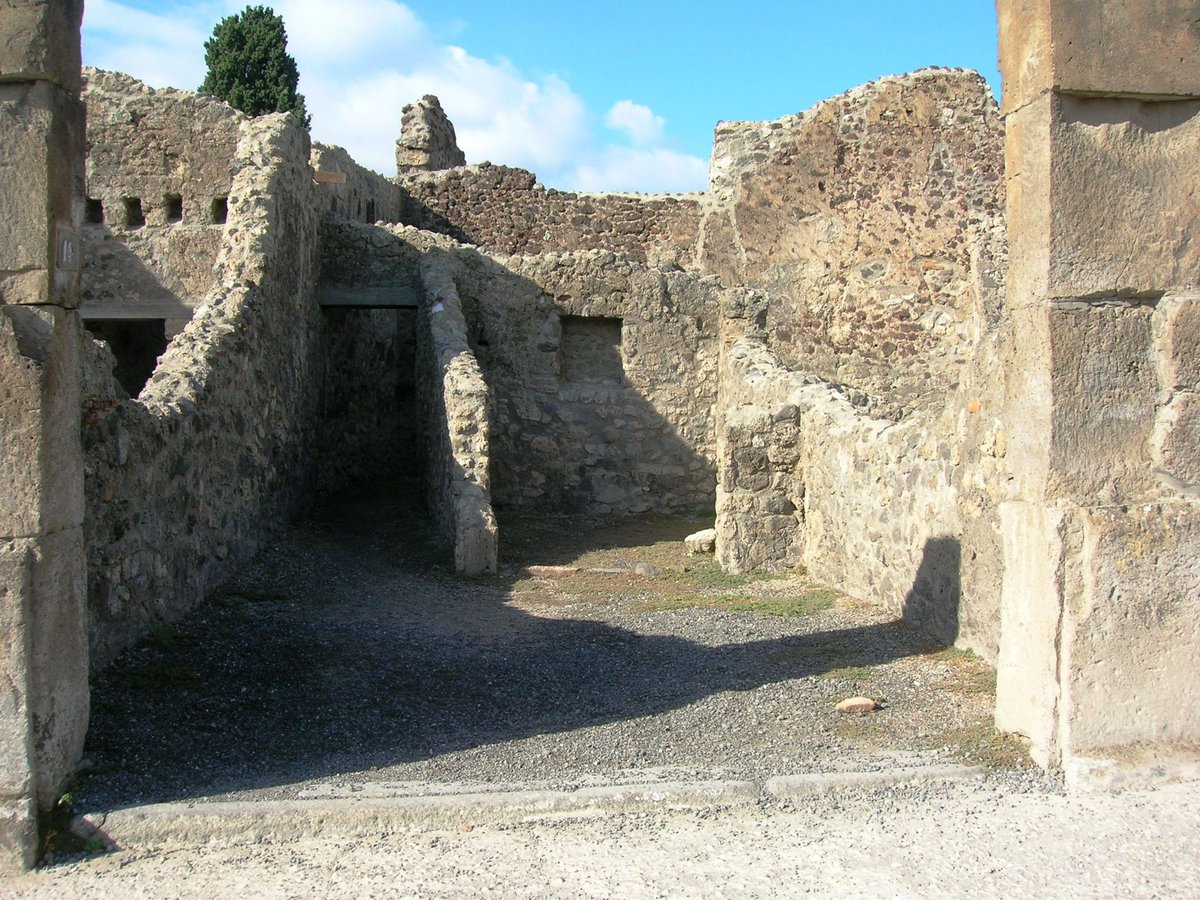
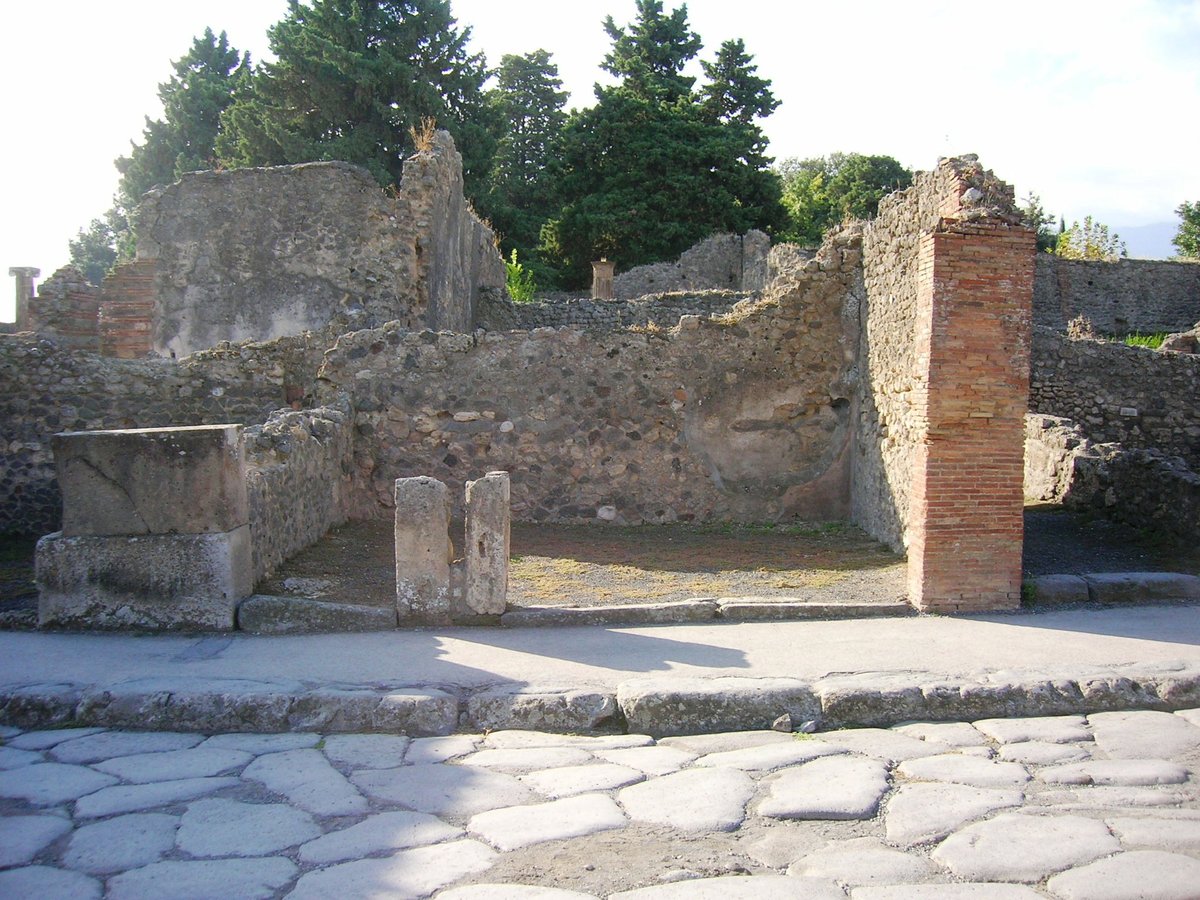
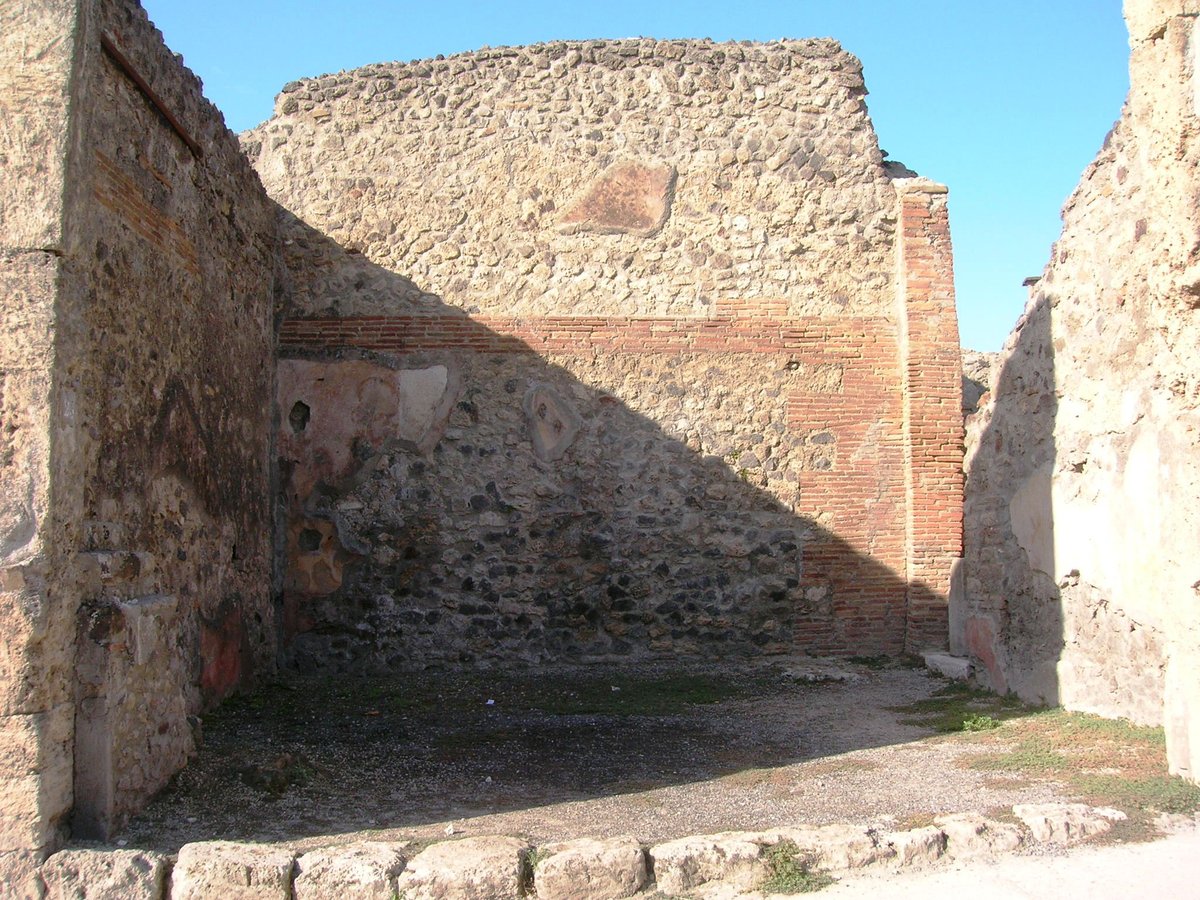
The façade of Shop VIII.4.25 features a wide, street-facing entrance designed for both visibility and accessibility. Wooden shutters or doors, fitted into wall recesses, secured the premises after hours. Evidence suggests a basalt threshold to endure heavy foot traffic and possibly a mezzanine above for storage or shopkeeper accommodation. Painted signs and graffiti were commonly used to advertise goods and services (Finding the Universe, History Tools).
Interior Layout
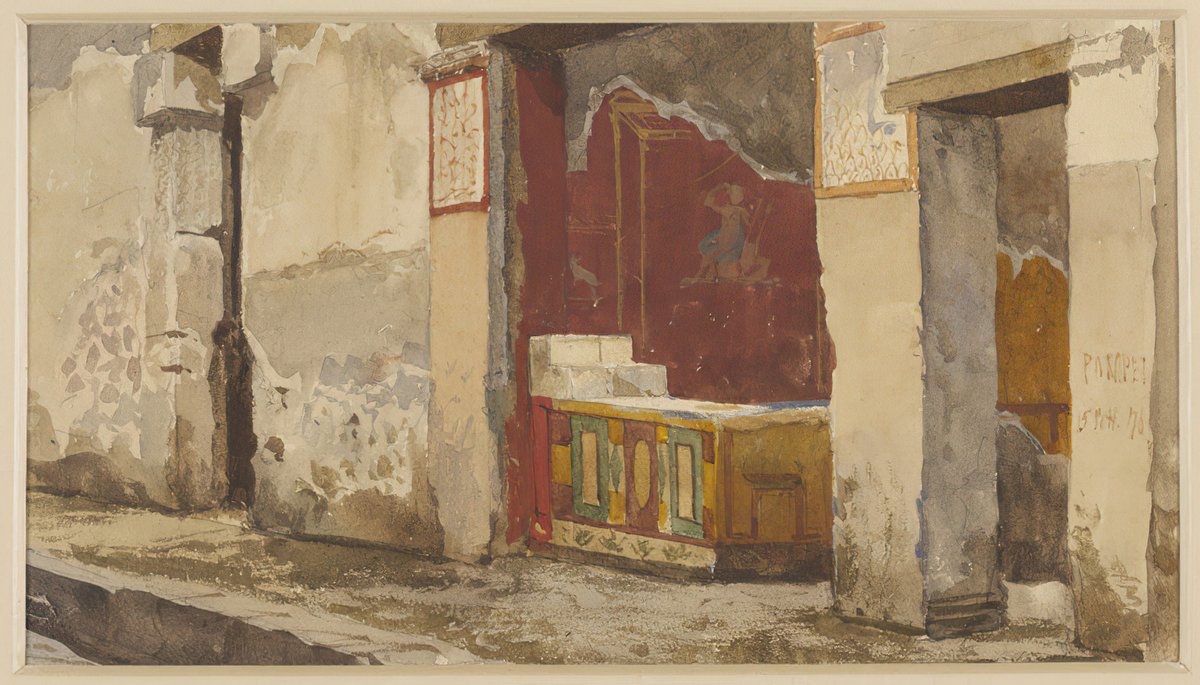
Typically a compact, single-room space, Shop VIII.4.25 had a masonry counter (mensa), often embedded with dolia (large storage jars) for storing and selling products such as wine, oil, or grains. Wall shelves and niches displayed merchandise, and a rear workspace or loft offered storage or living accommodations.
Construction Materials and Techniques
Walls were constructed using opus incertum or opus latericium (irregular stone or brickwork), standard for the era. Floors varied from cocciopesto (waterproof mortar) to packed earth, reflecting both function and owner status. The utilitarian interior was plastered and sometimes painted, though decoration was modest compared to that of Pompeii’s elite homes (Savoring Italy).
Water Supply and Drainage
Access to water came from nearby street fountains or lead pipes (fistulae), while stone gutters facilitated wastewater drainage, highlighting Pompeii’s advanced urban infrastructure (The Geographical Cure).
Archaeological Insights
Excavation History
Excavations of Insula VIII.4 began in the late 19th century, revealing successive construction phases and renovations that mirror changes in Pompeii’s urban economy (Oxford Bibliographies).
Finds and Material Culture
Artifacts such as amphorae, scales, coins, and preserved food remnants (e.g., grains and carbonized bread) have been recovered, offering direct evidence of daily commerce. Graffiti and dipinti (painted inscriptions) document prices and advertisements, bringing the ancient market to life (History Tools).
Social and Economic Role
Shop VIII.4.25 played a key role in the local marketplace, serving residents and Forum visitors alike. Its modest size and features suggest a family-run business, likely specializing in bulk commodities (World Travel Connector).
Preservation and Conservation
Rapid burial by volcanic ash preserved many architectural and material features. Ongoing conservation efforts focus on stabilizing structures and restoring decorative elements, while digital technologies like 3D scanning enhance documentation and preservation (Walks of Italy).
Economic and Social Importance of Pompeii’s Shops
Shops (tabernae) were the backbone of Pompeii’s urban economy, lining main streets and serving as centers for both commerce and social interaction. They ranged from bakeries (pistrina) and thermopolia (hot food counters) to wine bars (cauponae) and artisan workshops, reflecting the city’s economic diversity (pompeiiarchaeologicalpark.com).
Shop VIII.4.25: Structure and Function
Located near the Forum, Shop VIII.4.25 was designed for maximum foot traffic and accessibility. Its architecture—wide entrance, masonry counter, embedded dolia, and storage areas—suggests a multifunctional space for both retail and, possibly, living quarters. While the exact goods sold remain uncertain, such shops typically offered food, drink, or household items (pompeiiarchaeologicalpark.com).
Types of Goods and Services
Shops in Pompeii sold a wide array of products:
- Bread and baked goods from pistrina
- Hot food and drinks from thermopolia
- Wine and oil from cauponae or vinaria
- Textiles and dyed goods
- Metalwork and pottery from artisan workshops Archaeological evidence, including embedded dolia and remnants of food, supports these activities (pompeiiarchaeologicalpark.com).
Integration with Urban Life and Infrastructure
Many shopkeepers lived in or above their shops, contributing to Pompeii’s lively streetscapes. The city’s infrastructure—sidewalks, stepping stones, and water supply—supported both commercial and residential life, ensuring accessibility and hygiene (historyhit.com).
Cultural and Religious Aspects
Shops often contained household shrines (lararia), reflecting the intertwining of daily commerce with religious practice. Graffiti, artwork, and even erotic symbols further reveal the complexity of Pompeii’s social and cultural life (pompeiiarchaeologicalpark.com).
Practical Visitor Information
Visiting Hours and Tickets
- Opening hours: Generally from 9:00 AM to 7:00 PM (last entry at 5:30 PM); hours may vary by season or special events. Always check the official website for current information.
- Tickets: Standard adult admission is approximately €19; combined tickets including suburban villas cost €23. Discounts are available for EU citizens aged 18–25, and children under 18 enter free. Advance online booking is recommended, especially during peak periods (Along Dusty Roads).
Access and Navigation
- Entrances: Main gates include Porta Marina, Piazza Anfiteatro, and Piazza Esedra. The Porta Marina gate is closest to the train station.
- Accessibility: Although some main routes are wheelchair-friendly, many ancient streets—including those near Shop VIII.4.25—are uneven. Visitors with mobility needs should consult the official site for updates (Ecobnb).
- Maps and guides: Free maps are available at entrances, and digital guides or apps (such as Audiala) provide in-depth historical context.
Guided Tours and Audio Guides
Licensed guided tours and audio guides, including app-based options, are available. These enhance visitor understanding by contextualizing architectural features and historical significance (Walks of Italy).
Photography and Etiquette
- Photography: Non-flash photography is allowed; tripods and drones require special permission.
- Etiquette: Respect barriers, avoid touching walls or artifacts, and follow posted signs to preserve fragile remains.
Amenities and Attractions
Restrooms, water fountains, and shaded areas are available near the Forum. Combine your visit to Shop VIII.4.25 with nearby highlights like the Macellum, Amphitheater, and the House of the Faun.
Sustainable Tourism Practices
Preservation and Visitor Impact
With millions of annual visitors, Pompeii’s ancient structures face significant stress. Sustainable tourism strategies include:
- Managing visitor flow and adjusting routes to reduce wear.
- Using entry fees for ongoing restoration and conservation projects (The Financial Analyst).
- Developing virtual and augmented reality experiences to minimize physical impact (Pompeii Archaeological Park).
Responsible Behavior
- Stay on marked paths to protect archaeological layers and mosaics.
- Limit group sizes to reduce congestion.
- Support conservation by hiring official guides and purchasing from authorized vendors.
- Carry reusable bottles and bags; dispose of waste responsibly (Ecobnb).
Community Engagement
Guided tours led by trained professionals not only deepen visitor understanding but also support preservation and local employment.
Recent Discoveries and Ongoing Research
Modern archaeological methods—such as 3D scanning, ground-penetrating radar, chemical residue analysis, and digital mapping—continue to reveal new facets of Pompeii’s commercial and domestic life. Recent discoveries of sanctified rooms, bakeries, banquet halls, and household items underscore ongoing research’s importance (Pompeii Official Site).
Challenges in Archaeological Interpretation
Pompeii’s interpretation is complicated by:
- Early, poorly documented excavations.
- Artifacts displaced or removed from context.
- Evolving views on the “Pompeii premise”—not all areas were frozen in time; some were abandoned or repurposed before the eruption. Microarchaeological techniques, including residue and microdebris analysis, now help clarify these complexities (Centaur Reading).
Frequently Asked Questions (FAQ)
Q: What are the visiting hours for Pompeii and Shop VIII.4.25?
A: The site is generally open from 9:00 AM to 7:00 PM (last entry 5:30 PM); check the official website for seasonal variations.
Q: How do I purchase tickets?
A: Tickets are available online via the official site or on-site at entrances. Advance purchase is advised.
Q: Are guided tours available?
A: Yes, licensed guided tours and audio guides are widely available.
Q: Is Shop VIII.4.25 accessible for visitors with mobility issues?
A: Some areas are accessible, but ancient pavements may pose challenges. Check current accessibility information before your visit.
Q: Can I take photographs inside Shop VIII.4.25?
A: Non-flash photography is permitted; tripods and drones require special permission.
Q: What’s the best time to visit to avoid crowds?
A: Early mornings on weekdays and shoulder seasons (spring and autumn) are less crowded.
Listen to the full story in the app
Your Personal Curator, in Your Pocket.
Audio guides for 1,100+ cities across 96 countries. History, stories, and local insight — offline ready.
Audiala App
Available on iOS & Android
Join 50k+ Curators
Sources
- verified
- verified
- verified
- verified
- verified
- verified
Last reviewed: