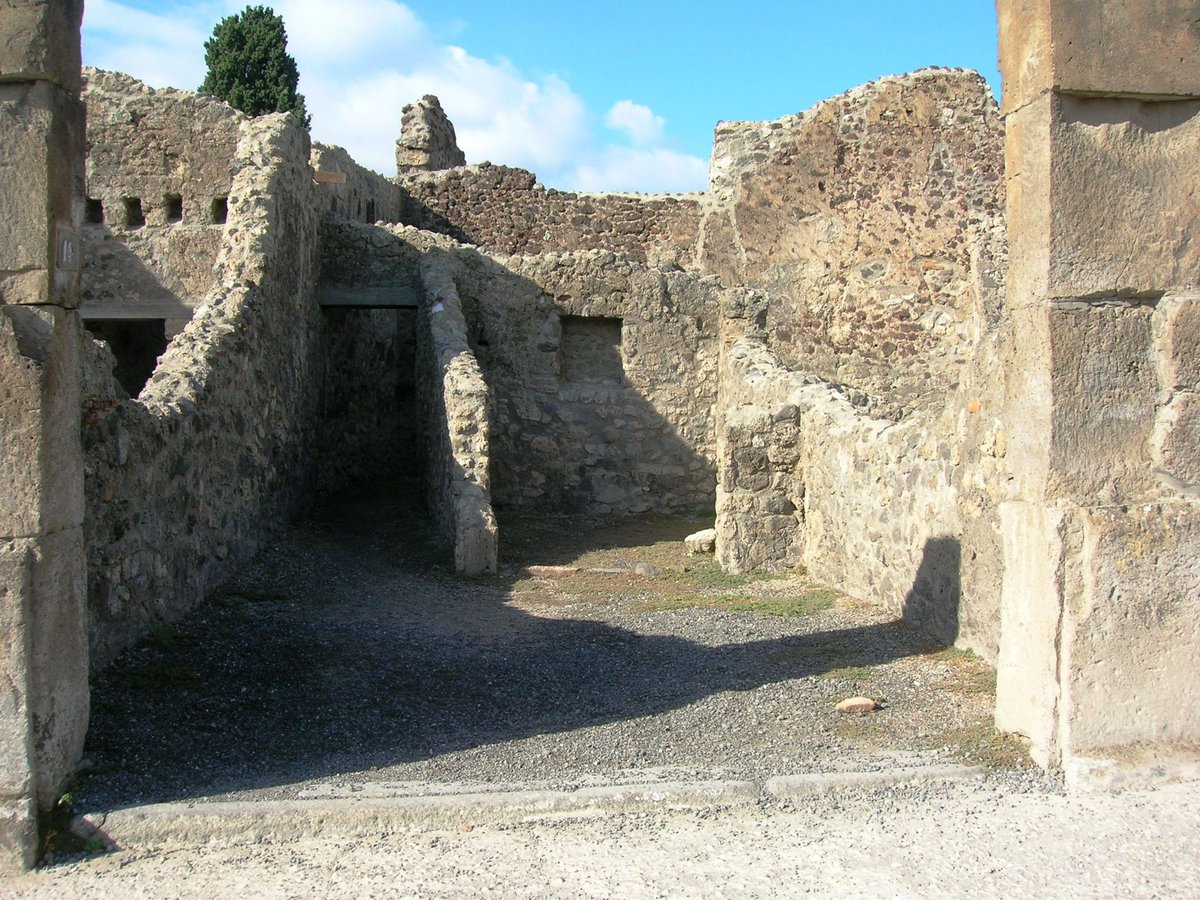
Introduction
Shop VIII.4.19, located in the vibrant heart of ancient Pompeii, serves as a well-preserved testament to the city’s bustling commercial life and intricate social fabric. As one of the many tabernae lining Pompeii’s main thoroughfares, this shop offers a direct window into the rhythms of Roman daily life—where commerce, politics, and domesticity intersected. For visitors interested in archaeology, culture, or ancient history, Shop VIII.4.19 is a microcosm of Pompeii’s economic diversity and urban planning.
This comprehensive guide presents the historical context, visitor information, practical tips, and cultural insights necessary to enhance your exploration of Shop VIII.4.19 and its surroundings. Whether you plan to visit in person or virtually, understanding the site’s significance will deepen your appreciation of Pompeii’s enduring legacy (Pompeii Archaeological Park; Pompeii Perspectives; UNESCO).
Photo Gallery
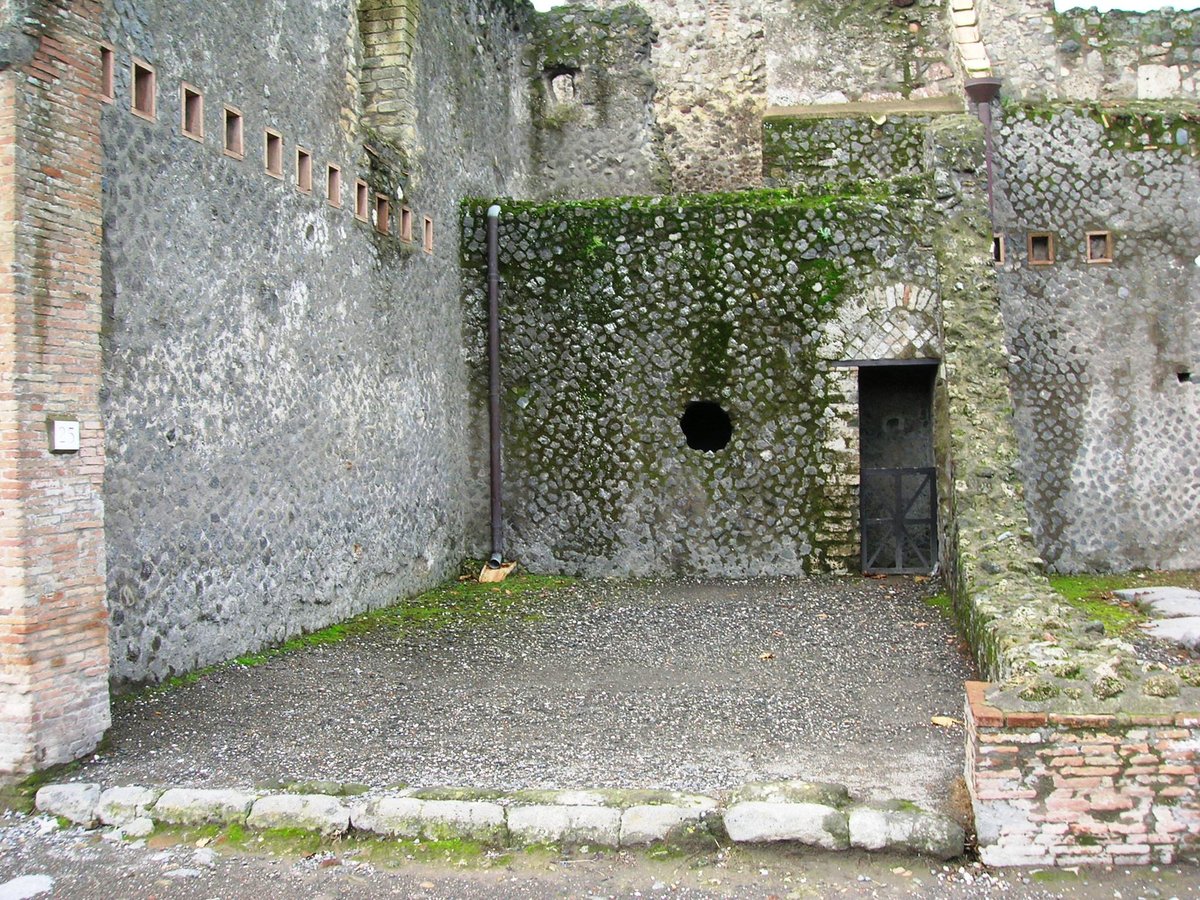
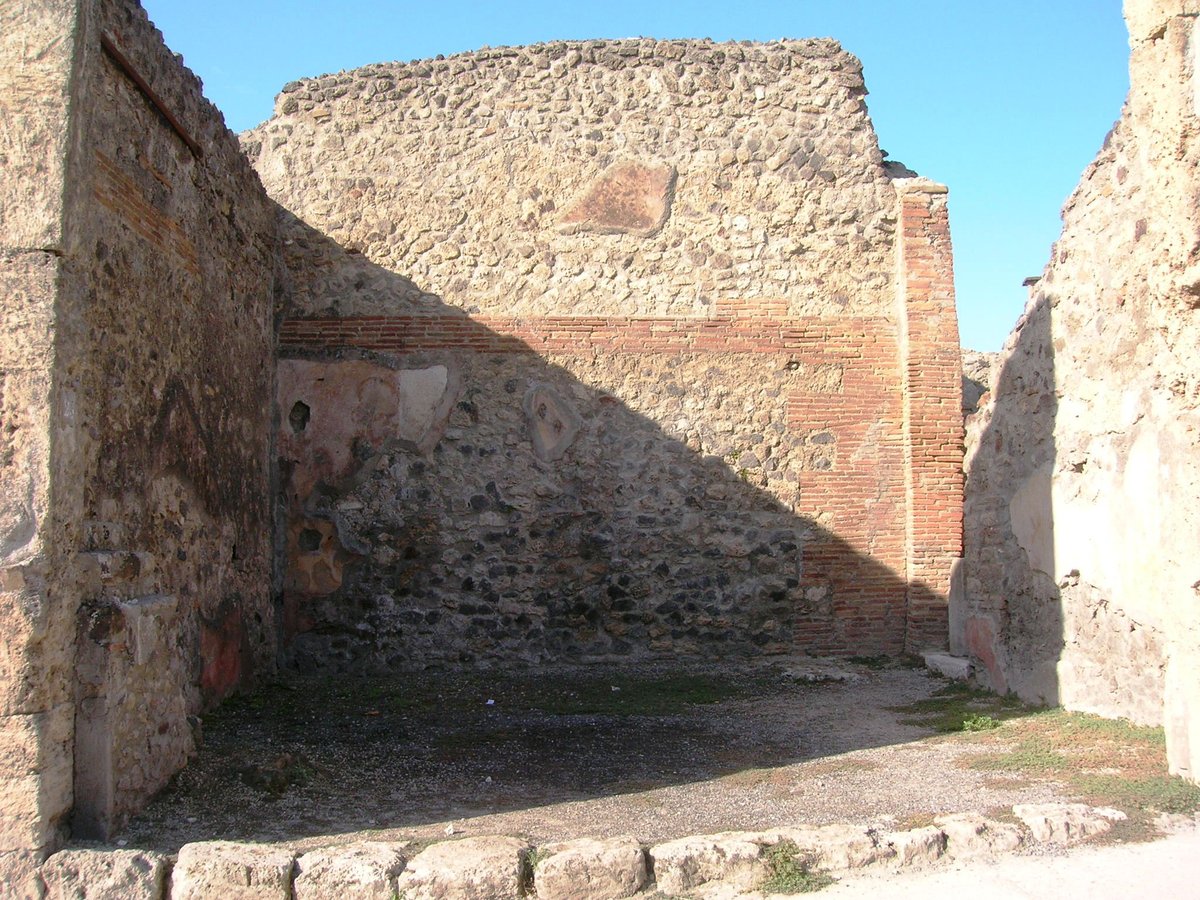
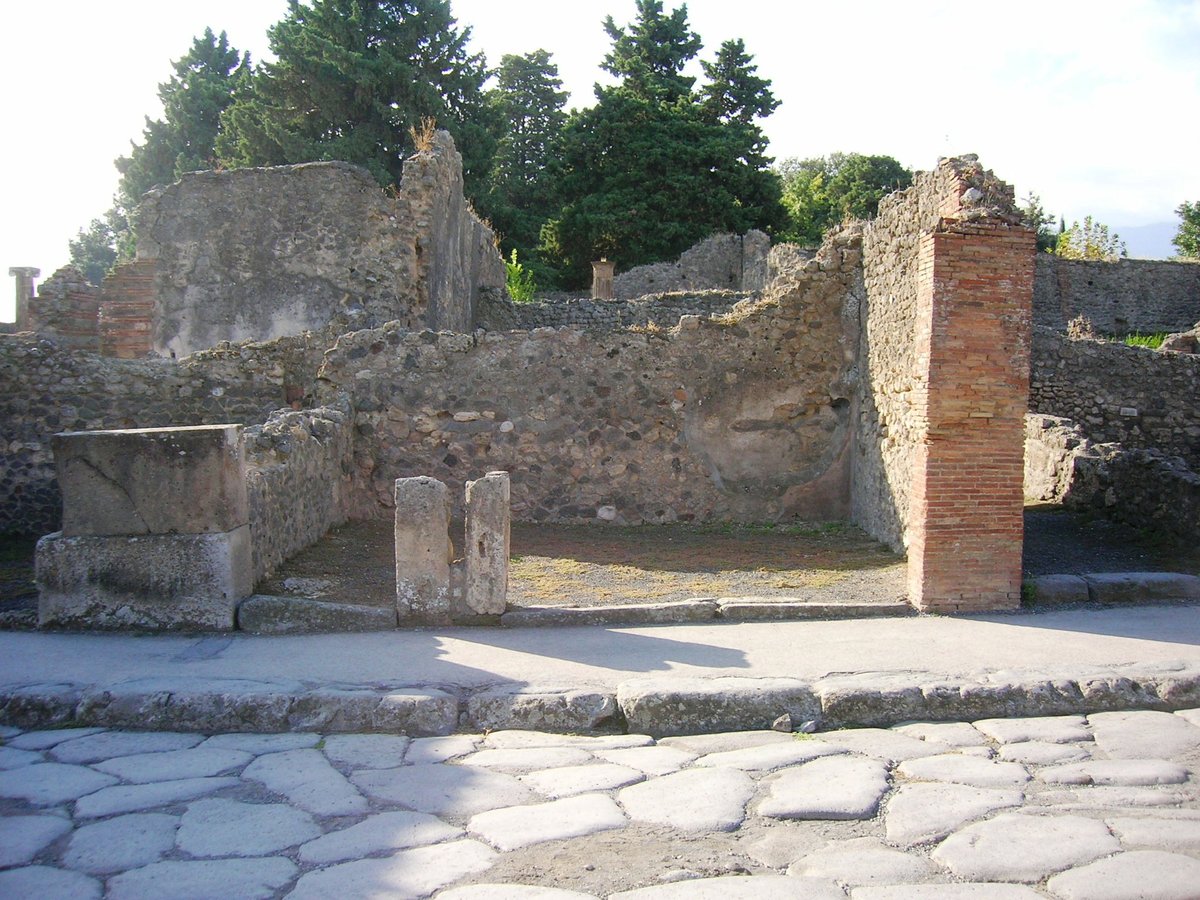
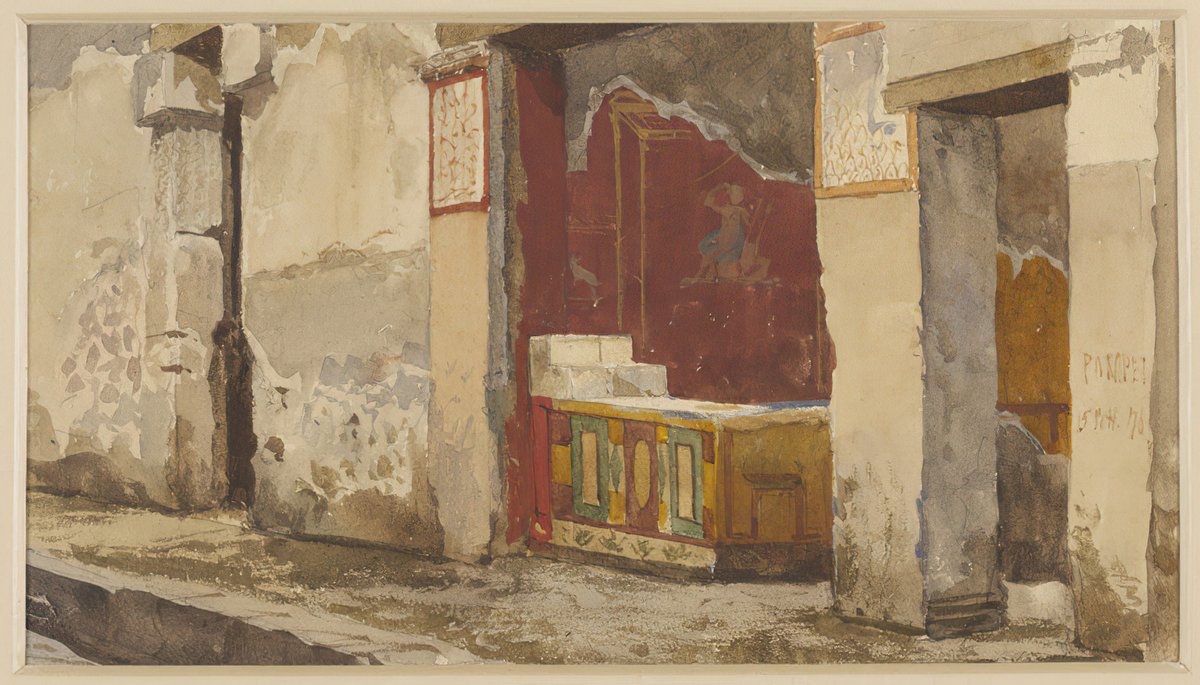
Explore Shop (Viii.4.19) in Pictures
Historical Context: Pompeii’s Urban and Economic Framework
The Rise of Pompeii
Flourishing near the Bay of Naples, Pompeii leveraged its strategic location to become a thriving commercial and agricultural hub. By the time of the eruption in 79 AD, the city boasted sophisticated urban planning, with well-paved streets, organized insulae (blocks), and a population estimated at 20,000 (Academia.edu; Visit Campania).
Commercial Life and Market Networks
Commerce was central to Pompeii’s prosperity. The city’s proximity to the sea enabled robust Mediterranean trade, with the forum acting as the epicenter for markets and transactions (World Travel Connector). Over 600 shops, bars, and workshops lined Pompeii’s main roads, especially Via Stabiana, providing goods and services to locals and visitors alike (PhD Essay; Pompeii in Pictures). Shops like VIII.4.19 often featured integrated living quarters, reflecting the close link between work and home in Roman society.
Agriculture and Social Stratification
Fertile volcanic soil supported thriving vineyards and olive groves, making wine and olive oil principal exports (The Excavations of Pompeii). The city’s social structure was mirrored in its built environment, with grand houses for elites and humble apartments above shops for artisans and merchants. Inscriptions and graffiti reveal the interplay between commerce, politics, and community life (Pompeii in Pictures).
Shop VIII.4.19: Structure, Function, and Archaeological Insights
Location and Urban Context
Shop VIII.4.19 occupies a prominent position on Via Stabiana within Regio VIII, Insula 4—a bustling area connecting the forum, amphitheater, and residential districts (Pompeii Perspectives). Its strategic siting highlights its importance for both commerce and social interaction.
Architectural Features
Typical of Pompeian tabernae, Shop VIII.4.19 features a wide, street-facing entrance, masonry counters, and rear rooms that may have served as storage or living quarters (Pompeii Archaeological Park). Evidence from excavations suggests the presence of storage dolia, wall niches, and possibly painted advertisements or electoral graffiti (Pompeii in Pictures).
Material Culture
Finds from the area include amphorae, scales, coins, and organic remains, indicating the sale of food and goods. Graffiti preserved on pilasters provides insights into advertising and political life, while wall paintings reflect the broader culture of Roman Pompeii (Berkley Center; Pompeii Excavations Guide).
Social and Economic Role
While the specific wares sold at Shop VIII.4.19 are unknown, its design and location suggest it could have been a food shop, tavern, or general store. Such establishments played a pivotal role in urban life, serving residents, travelers, and facilitating social mobility for freedmen and women who often owned or managed these businesses (Pompeii Archaeological Park).
Visitor Information: Hours, Tickets, and Practical Tips
Visiting Hours
- April–October: 9:00 AM – 7:00 PM (last entry: 5:30 PM)
- November–March: 9:00 AM – 5:00 PM (last entry: 3:30 PM)
- Note: Hours may vary on holidays; always check the official website for updates.
Tickets and Entry
- Standard adult: €16–€18
- Discounted: EU citizens aged 18–25
- Free: Under 18 and on the first Sunday of each month (expect crowds)
- Purchase: Online in advance or at site entrances (Porta Marina, Piazza Esedra)
- Entry includes: Access to Shop VIII.4.19 and all open areas of Pompeii
Accessibility
Pompeii’s ancient streets can be uneven. While accessibility for wheelchairs and strollers has improved, some locations, including Shop VIII.4.19, may still pose challenges. Consult the official accessibility map or inquire at the entrance.
Comfort & Safety
- Footwear: Wear sturdy shoes
- Weather: Bring sun protection and water; carry a rain jacket in off-season
- Behavior: Respect preservation rules—do not touch walls or frescoes, stay on paths, and avoid flash photography
Enhancing Your Visit
Experience and Interpretation
- On-site signage: Limited; apps and audio guides enrich understanding
- Nearby attractions: Forum, Temple of Apollo, Large Theater, Casa dei Postumii, and the National Archaeological Museum in Naples (Stories by Soumya)
- Interactive tools: Virtual tours and digital maps are available via official and partner websites
Responsible Tourism
- Respect site integrity for future generations
- Follow all posted guidelines and staff instructions
Frequently Asked Questions (FAQ)
Q: What are the best times to visit Shop VIII.4.19?
A: Early morning (opening time) or late afternoon for fewer crowds. Off-season visits (November–April) offer a quieter experience (Untold Italy).
Q: Are guided tours necessary?
A: Not required but highly recommended for in-depth appreciation.
Q: Is Shop VIII.4.19 accessible with a general Pompeii ticket?
A: Yes, included in standard admission.
Q: Can I take photos?
A: Yes, but avoid flash and tripods in narrow areas.
Q: Are there restrooms and refreshments nearby?
A: Facilities are near main entrances and the forum area; options within the site are limited.
Listen to the full story in the app
Your Personal Curator, in Your Pocket.
Audio guides for 1,100+ cities across 96 countries. History, stories, and local insight — offline ready.
Audiala App
Available on iOS & Android
Join 50k+ Curators
Sources
- verified
- verified
- verified
- verified
- verified
Last reviewed: