Pompeii’s Urban Development and Commercial Life
Origins and Growth
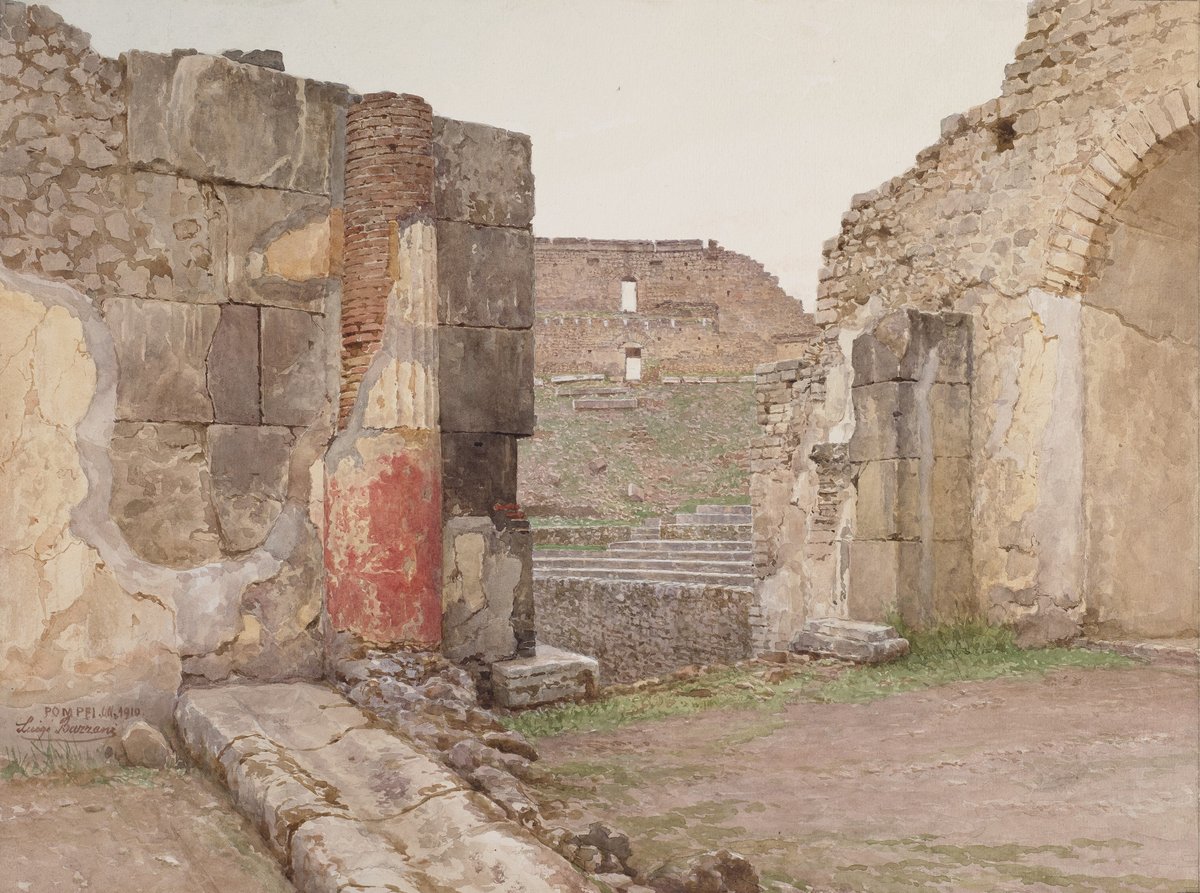
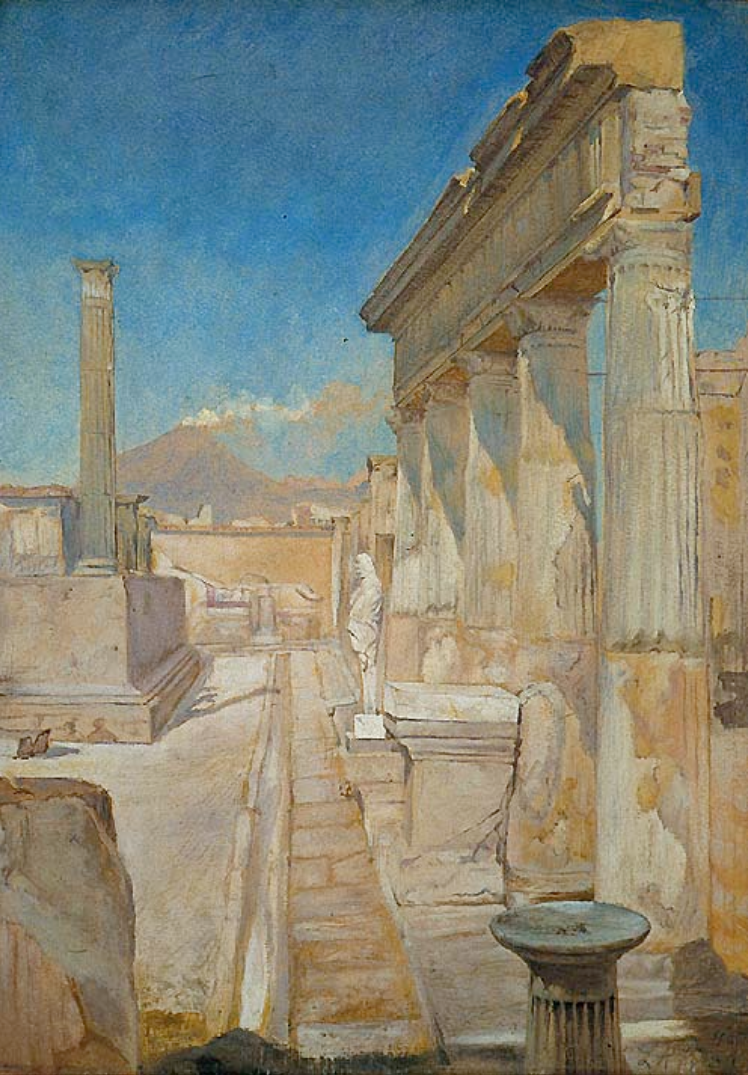
Pompeii’s origins trace to the 6th or 7th century BCE, founded by the Oscans. Its strategic position near the Sarno River and fertile Campanian plains propelled its growth as an agricultural and trade hub (History Tools). The city passed through Greek and Etruscan influence before becoming a Roman colony in 80 BCE. By the 1st century CE, Pompeii boasted a population of 20,000–30,000, a grid-patterned urban layout, advanced water and drainage systems, and a mix of grand public buildings and opulent private homes (UNESCO).
The Role of Shops
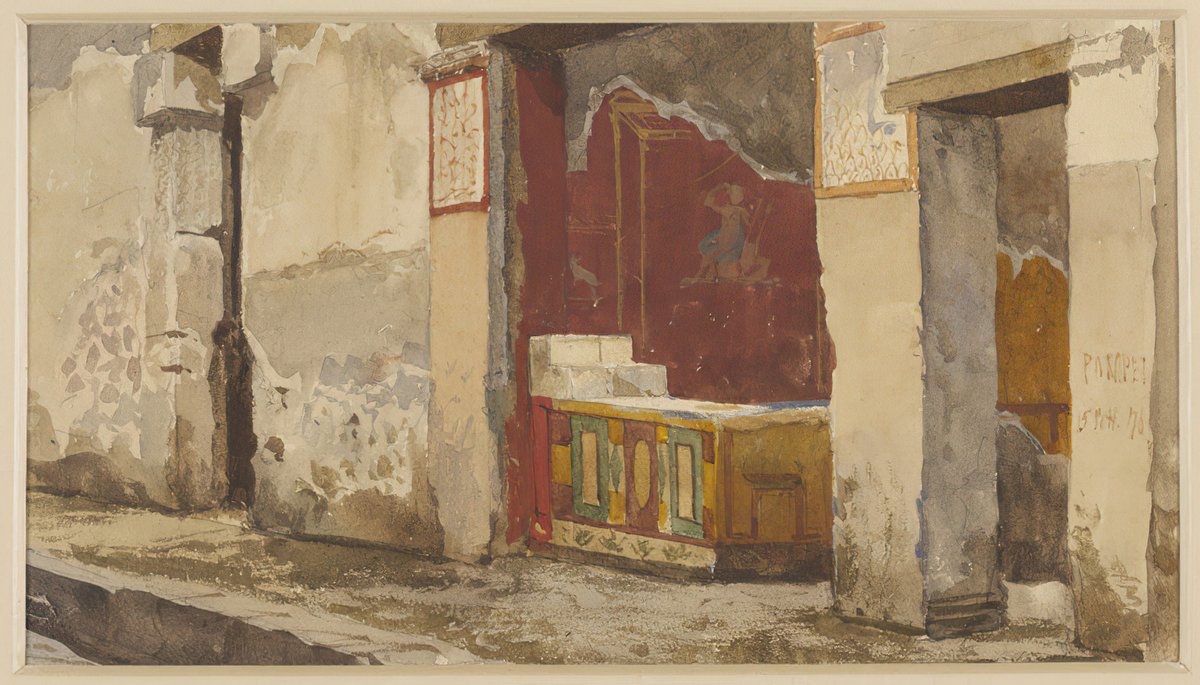
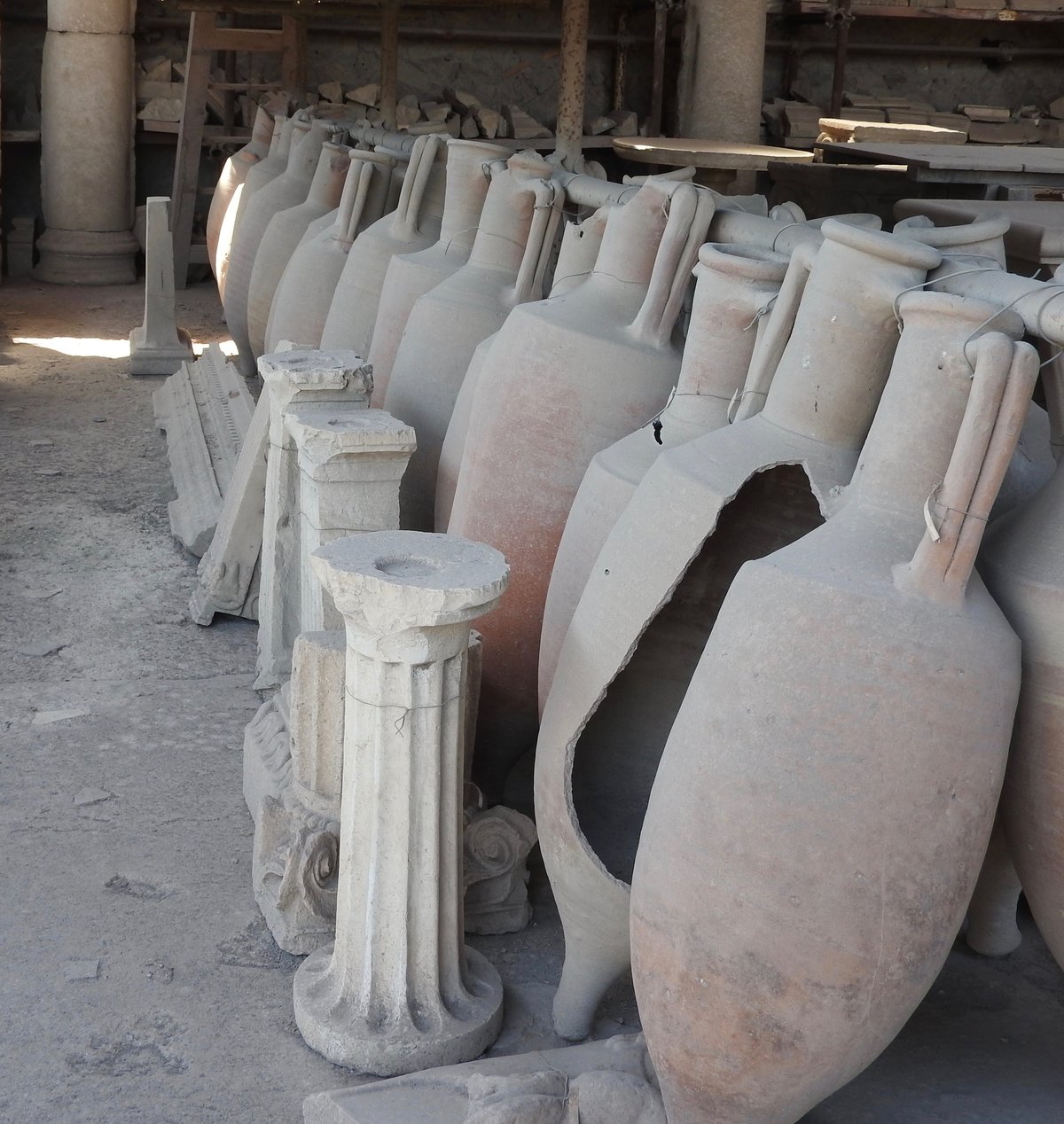
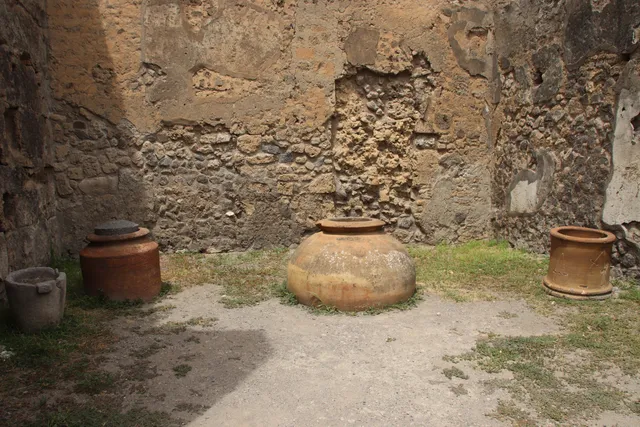
Commerce was central to Pompeii’s economy. Shops (tabernae) lined its streets, offering products from food and drink to textiles and crafts, catering to locals and visitors alike (Pompei.it). These shops typically occupied the ground floors of residential buildings, often doubling as workshops and living quarters. Archaeological finds—counters, storage vessels, and wall niches—reveal the variety of goods sold and the daily rhythms of ancient trade (UNESCO).
Shop VIII.4.39: Location, Features, and Social Context
Placement and Structure
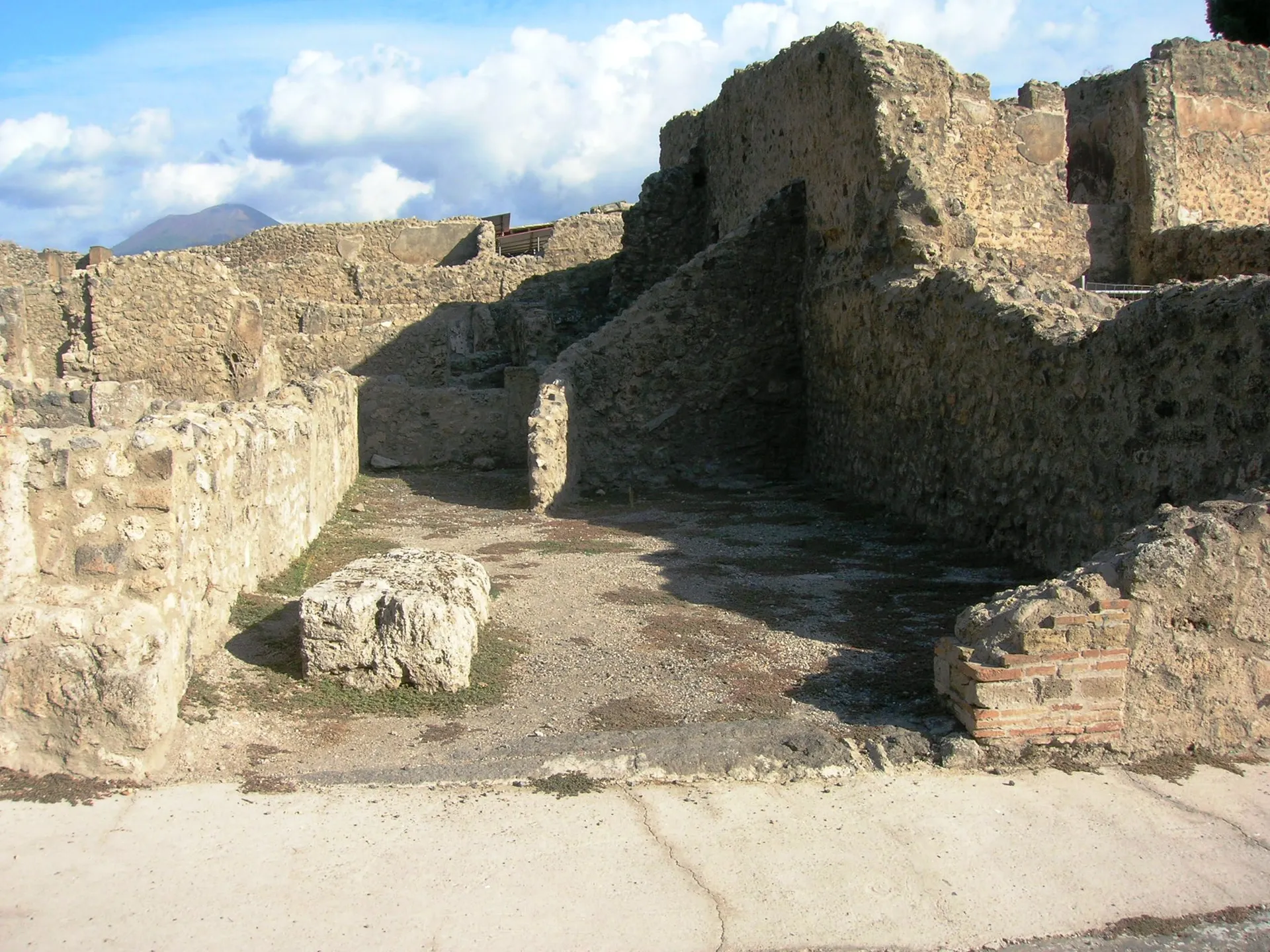
Shop VIII.4.39 is located in Regio VIII, Insula 4, Doorway 39—near the southern edge of the forum and easily reached from main entrances such as Porta Marina and Piazza Anfiteatro (Nomad Epicureans). Its street-facing façade would have attracted passing trade. Like many Pompeian tabernae, the shop featured a wide entrance, service counters, storage dolia, and rear rooms, possibly connected to residential quarters (pompeii.pictures).
Social and Economic Importance
Shops like VIII.4.39 were not just commercial spaces but hubs of social interaction. Graffiti and painted advertisements on shop walls and nearby buildings offer glimpses into the political, economic, and personal lives of Pompeii’s citizens (UNESCO). Proximity to laundries (fullonicae), taverns (cauponae), and workshops suggests that Shop VIII.4.39 may have been linked to the textile trade, a major industry in the district (academia.edu).
Archaeological Discoveries and Preservation
The eruption of 79 CE buried Pompeii, preserving shops and their contents in extraordinary detail. Excavations since the 18th century have uncovered architectural features, food remains, pottery, and even traces of daily life from Shop VIII.4.39 and its neighbors (History Tools). Conservation efforts focus on stabilizing structures and documenting artifacts, continually enriching our understanding of Roman commerce (Pompeiisites.org).
Visitor Information: Hours, Tickets, and Access
Opening Hours
- Summer (April 1 – October 31) 9:00 AM – 7:00 PM (last entry 5:30 PM)
- Winter (November 1 – March 31) 9:00 AM – 5:00 PM (last entry 3:30 PM)
- Closed January 1, May 1, December 25
Always check the official Pompeii website for the most up-to-date times.
Tickets
- Standard Adult Approx. €16
- Reductions EU citizens 18–25; free for EU residents under 18
- Purchase Buy tickets online in advance to avoid queues (ThePompeii.com), or at park entrances.
- Guided Tours Available in multiple languages, with options to focus on commercial districts like Regio VIII.
Accessibility
Some areas of Pompeii feature uneven cobblestones and steps, but accessible routes cover key zones including the forum and commercial areas near Shop VIII.4.39. Wheelchair users should check official accessibility maps. Baby points are available at main entrances.
Navigating to Shop VIII.4.39
- Use free maps from ticket offices or digital site maps (Visit Pompeii & Vesuvius).
- Shop VIII.4.39 is near the Basilica and Sanctuary of Venus in the southern Forum.
- Look for insula and doorway numbers marked on signage.
Facilities and Useful Tips
- Restrooms at main entrances and near the Forum
- Water fountains throughout the park
- Limited shade – bring hats and sunscreen
- No food outlets inside; dining available near main gates
Best times to visit: Early morning (opening) or late afternoon (after 3:00 PM) to avoid crowds and heat.
Duration: 15–20 minutes for the shop; allow 1–2 hours for the broader district.
Photography: Personal use is allowed (no flash or tripods without permission). Respect all barriers and site rules.
Enhancing Your Visit
- Book guided tours for expert commentary on Shop VIII.4.39 and its role in Pompeii’s economy.
- Bring or download a detailed guidebook or use audio guides.
- For deeper context, explore studies on Pompeii’s textile and dyeing industry (academia.edu).
Responsible Tourism
- Do not climb or touch ruins.
- Stay on marked paths and respect preservation barriers.
- Use refillable water bottles and minimize waste.
Frequently Asked Questions (FAQ)
What are the visiting hours for Shop VIII.4.39?
Accessible during Pompeii’s opening hours; check the official website for updates.
Are tickets required?
Yes, included with the standard Pompeii archaeological park ticket.
Is Shop VIII.4.39 accessible for visitors with disabilities?
Accessible routes cover much of the area, but some terrain remains uneven.
Are guided tours available?
Yes, many include Shop VIII.4.39 and the commercial district.
Can I take photos?
Yes, for personal use; follow all posted restrictions.
Summary and Recommendations
Shop VIII.4.39 offers a direct connection to the bustling commercial and social life of ancient Pompeii. Its preserved features and archaeological context provide rare insights into Roman daily life, commerce, and urban planning. For an enriched visit, plan ahead by checking current hours, booking tickets online, and considering expert-led tours or audio guides. Respect the site’s fragility to ensure its preservation for future generations (Official Pompeii Site; UNESCO; Nomad Epicureans).