Introduction: Why Visit the Shop of Aurelius in Pompeii?
The Shop of Aurelius is one of Pompeii’s best-preserved commercial establishments and offers a unique insight into ancient Roman urban life. Located along the bustling Via dell’Abbondanza, the shop is emblematic of the thriving business community that once animated Pompeii before the eruption of Mount Vesuvius in 79 CE. Its significance lies not only in its architectural preservation but also in the wealth of archaeological and epigraphic evidence it provides about daily life, commerce, and social interactions in a Roman city.
This comprehensive guide covers the shop’s historical context, what you can expect to see, how to plan your visit—including opening hours, ticketing information, and accessibility—and practical tips for making the most of your time in Pompeii. For up-to-date visitor information and archaeological insights, see Pompeii Archaeological Park and City Wonders.
The History and Urban Development of Pompeii
Pompeii, situated in the fertile Campania region near Naples, was established by the Oscans before coming under Greek, Etruscan, and finally Roman control. By the 1st century CE, it had grown into a bustling city of 11,000–15,000 inhabitants (Pompeii Archaeological Park). Its prosperity was due to its strategic location as a trade hub, with goods flowing through its port and vibrant markets.
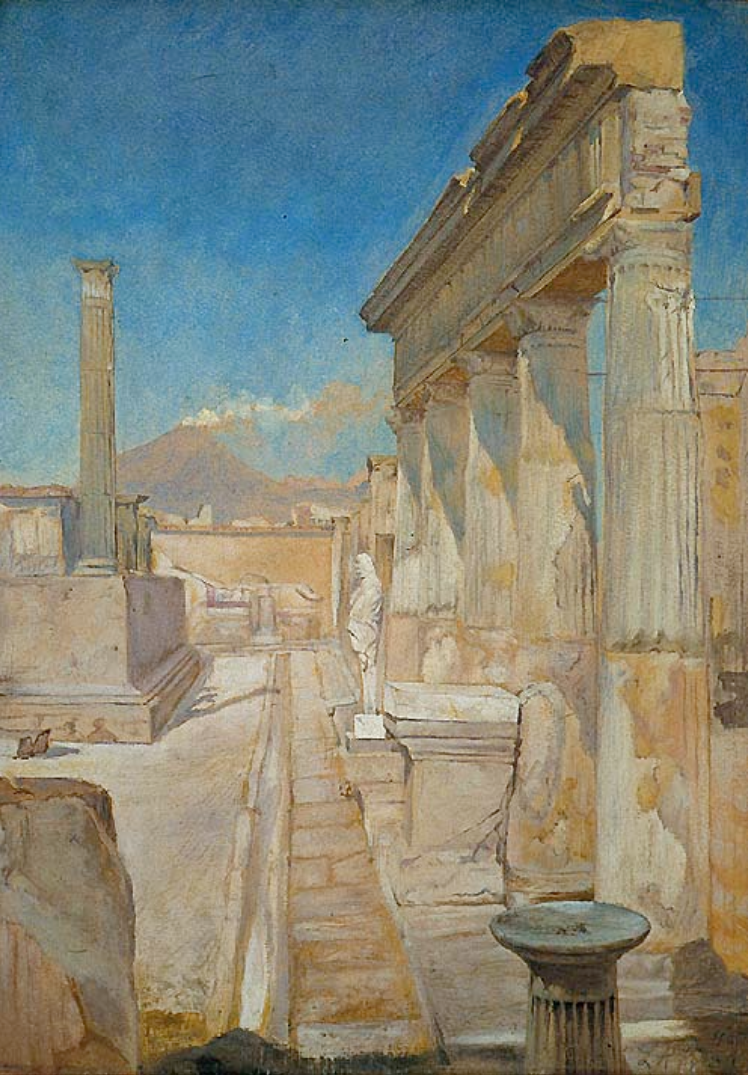
The city’s grid-like layout, public squares, and mix of religious, residential, and commercial buildings reflected Roman urban planning ideals. The Via dell’Abbondanza, Pompeii’s principal commercial street, was lined with shops, taverns, and workshops that catered to both locals and visitors (City Wonders).
Daily Life and Commerce in Ancient Pompeii
Pompeii was a microcosm of Roman society, where commercial and social life intertwined. Markets like the Macellum sold food and household goods, while workshops and tabernae (shops) lined the streets. Archaeological finds—such as fish scales, bread remnants, and amphorae—offer direct evidence of the city’s culinary and economic diversity (City Wonders). Shops often doubled as both retail and production spaces, with many merchants living above or behind their businesses.
The Shop of Aurelius: Archaeological Context and Features
Location and Discovery
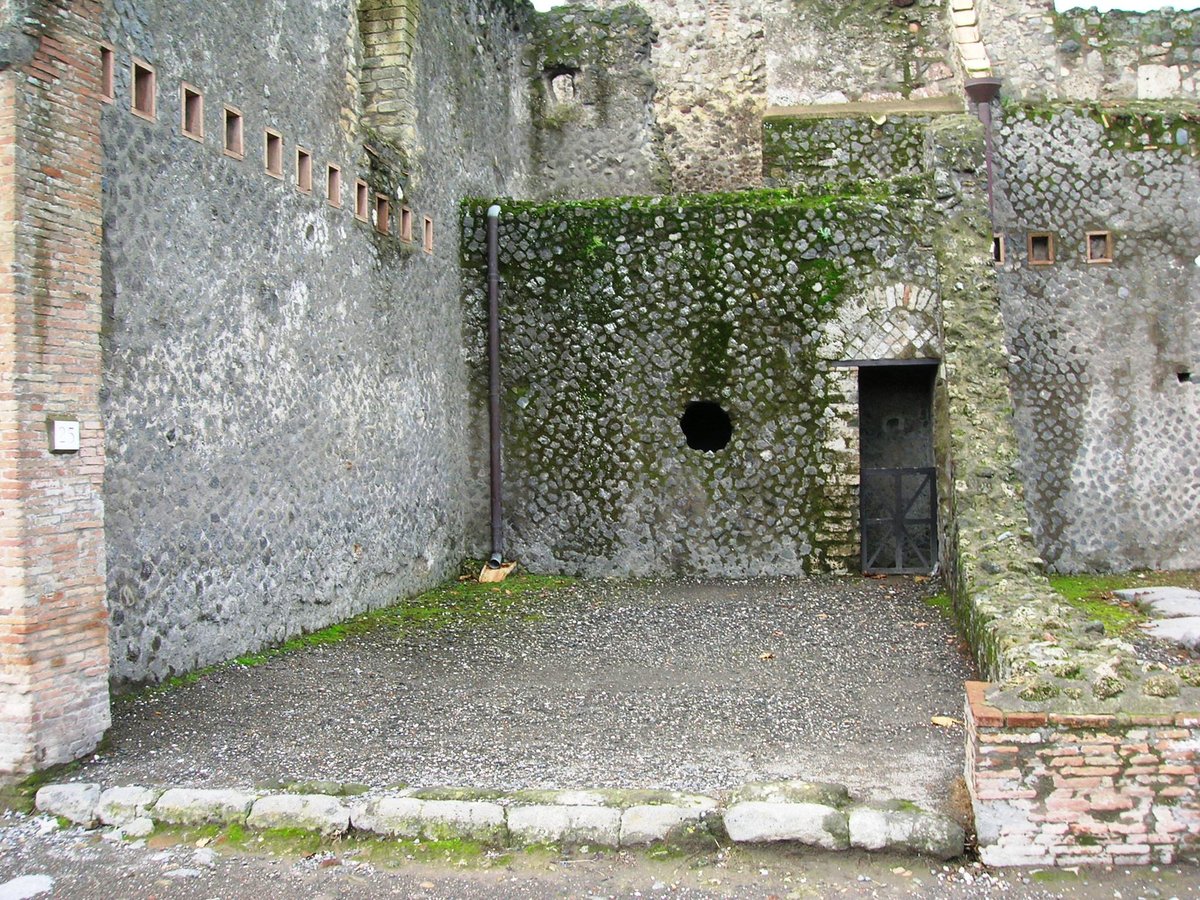
The Shop of Aurelius is situated along the Via dell’Abbondanza, Pompeii’s main commercial artery (pompeiiarchaeologicalpark.com). Identified through inscriptions and graffiti, the shop exemplifies the typical Roman taberna, integrating economic activity with private life (historytools.org).
Architectural Features
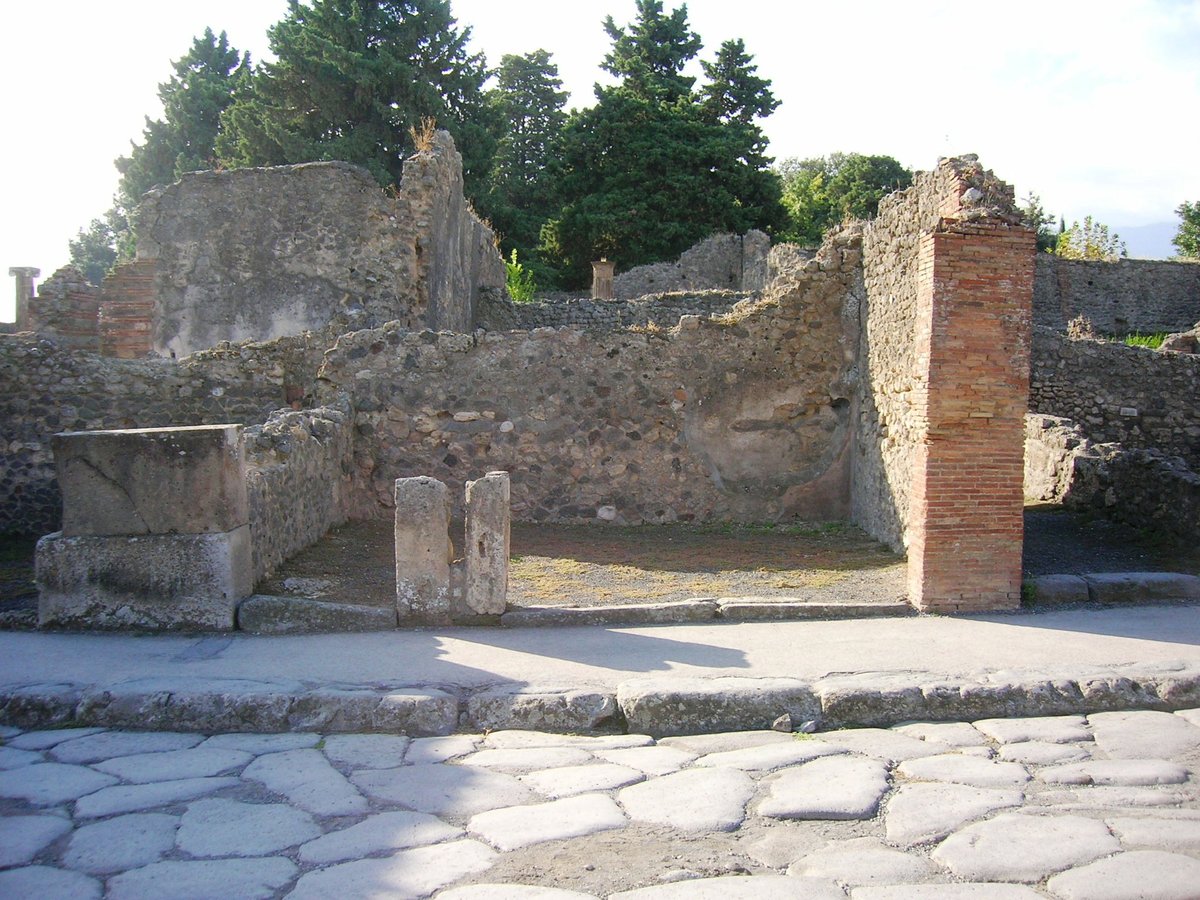
- Façade: A wide, street-facing entrance designed to attract passersby.
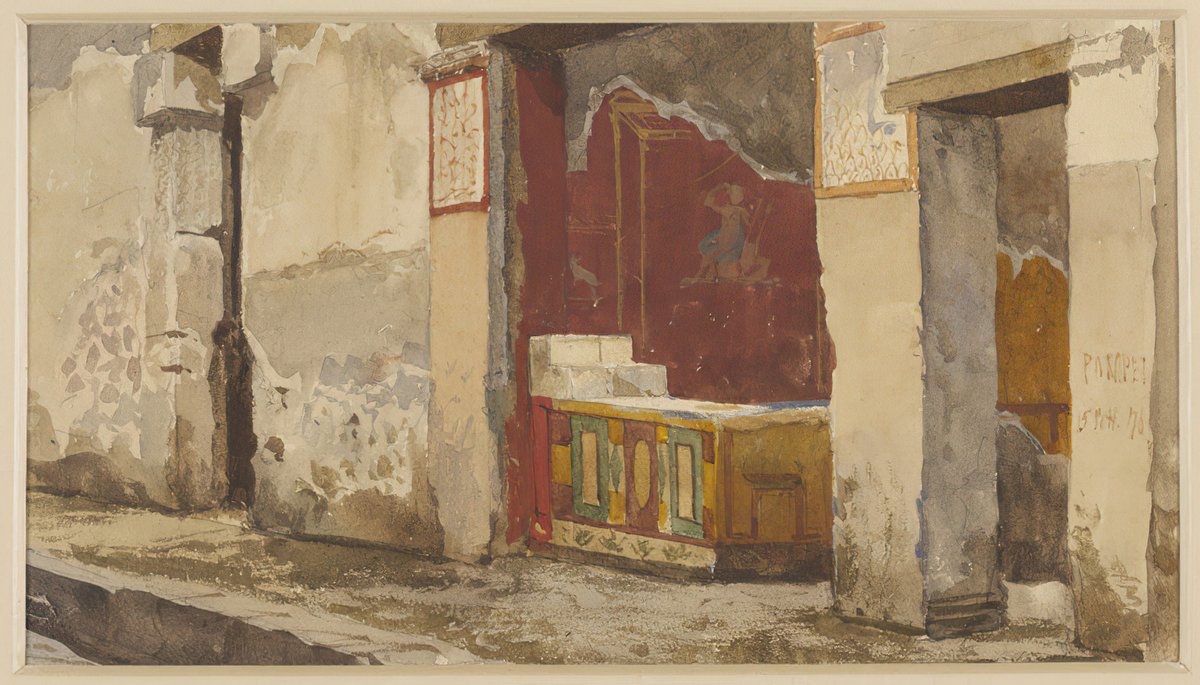
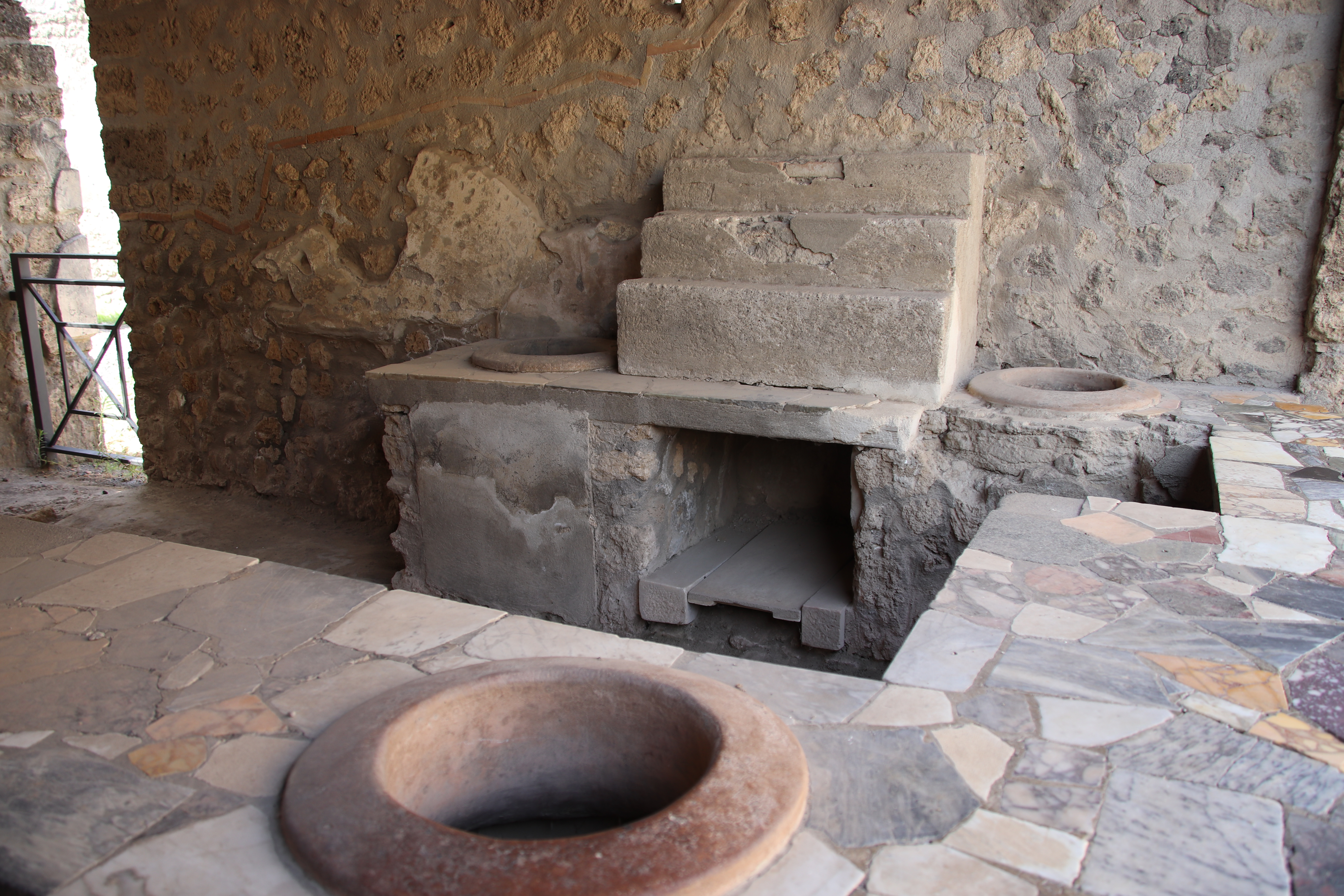
- Counters: Masonry mensae (counters) for displaying goods or serving customers.
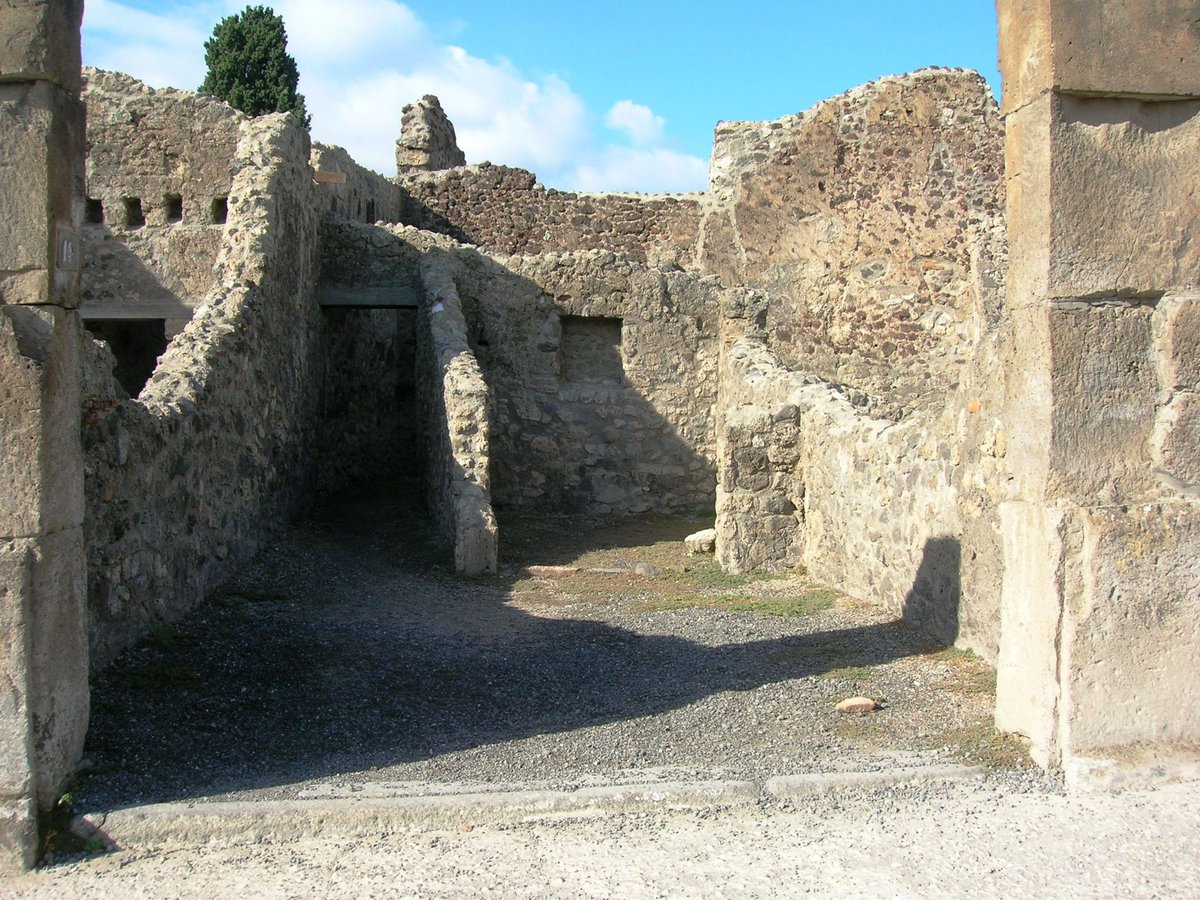
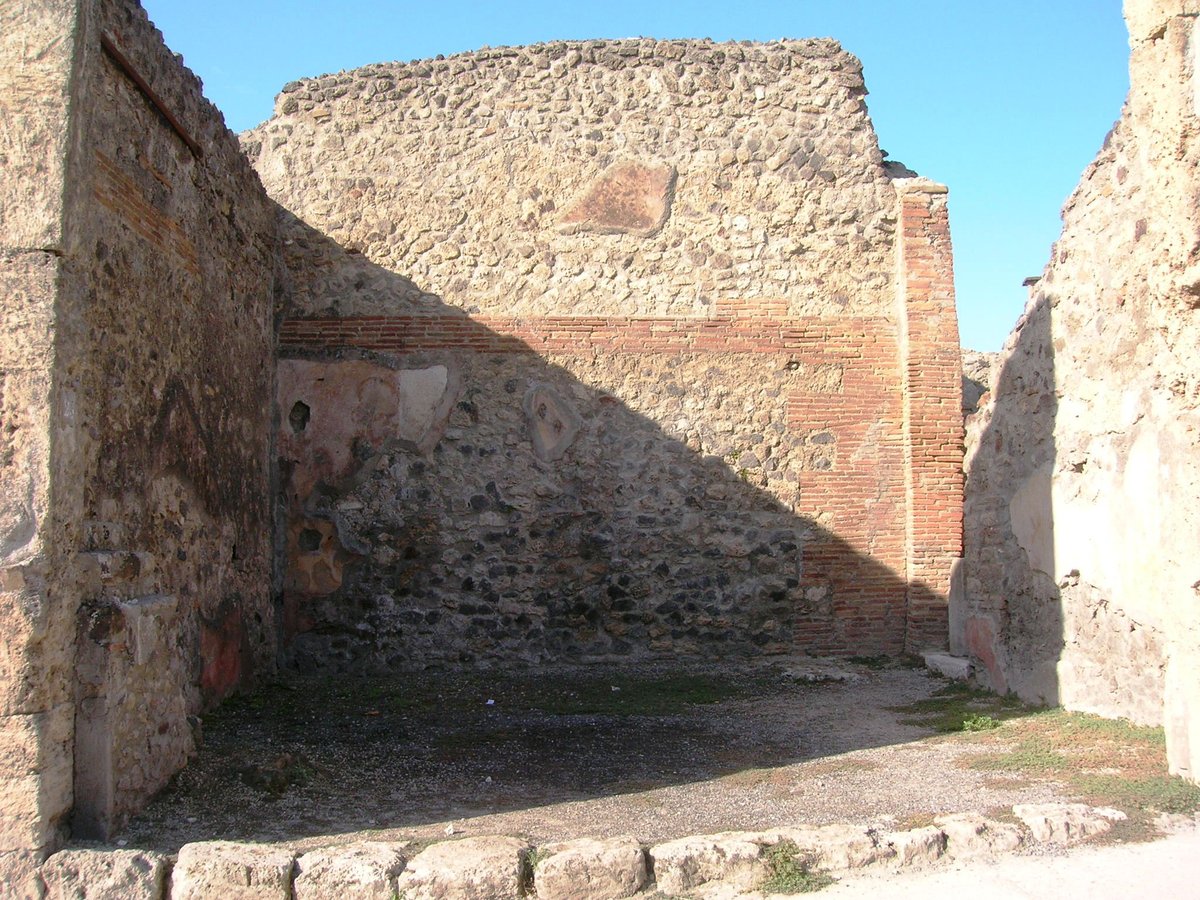
- Interior: A public sales area in the front, with private storage or living quarters behind. Shelving, amphorae, and storage jars were commonly found.
- Mezzanine: Rear staircases often led to sleeping quarters or additional storage (nomadepicureans.com).
- Wall Inscriptions: Electoral graffiti and advertisements reflect the shopkeeper’s engagement in civic and commercial life.
Material Finds
- Ceramic vessels and amphorae for wine, oil, and garum.
- Weights, measures, and coins indicating regulated trade and monetary transactions.
- Carbonized food remains providing clues to dietary habits (pompeiiarchaeologicalpark.com).
Social and Economic Role of Shops in Pompeii
Shops like Aurelius’s were vital to Pompeii’s economy and social fabric, serving not just as retail outlets but as gathering points for news, gossip, and political discussion (Pompeii Archaeological Park). Inscriptions and graffiti reveal shopkeepers’ roles as both businesspeople and active citizens.
The Eruption of Mount Vesuvius: Preservation Through Disaster
The catastrophic eruption of August 24, 79 CE, buried Pompeii under meters of ash, preserving buildings, artifacts, and even organic materials in remarkable detail (Pliny the Younger, Epistulae VI, 16). Shops like Aurelius’s were “frozen in time,” allowing modern visitors to experience ancient commerce firsthand (City Wonders).
Rediscovery and Modern Archaeological Research
Systematic excavation began in the 18th century, with ongoing research revealing ever more about Pompeii’s commercial life (Pompeii Archaeological Park). Technologies such as 3D imaging and ground-penetrating radar have uncovered subfloor storage, drainage systems, and original wall pigments (historytools.org).
Visitor Guide: Hours, Tickets, Accessibility, and Tours
Opening Hours
- April–October: 9:00 AM to 7:30 PM (last entry 6:00 PM)
- November–March: 9:00 AM to 5:00 PM (last entry 3:30 PM)
- Confirm on the official website as hours may vary for holidays or maintenance.
Tickets
- General Admission: €18 (full price), €13 (EU citizens 18–25), free for children under 18.
- Online Booking: Recommended to avoid queues (Italy Sights).
- Combo Tickets: Available for Herculaneum and other Vesuvian sites (Pompeii Archaeological Park Tickets).
Accessibility
- Main entrances: Porta Marina, Piazza Esedra, and Piazza Anfiteatro (Italy Things To Do).
- Wheelchair-accessible routes are marked; some areas remain challenging due to ancient paving.
- Wheelchair rental available at entrances. Consult the accessibility map for details.
Guided Tours
- Available in multiple languages, led by licensed experts (The Tour Guy).
- Specialized tours focus on commerce, daily life, and the Shop of Aurelius.
Exploring the Shop of Aurelius and Nearby Attractions
- Location: Along Via dell’Abbondanza, near other notable sites such as the Forum, Macellum, and House of the Faun.
- Visitor Experience: Observe counter remnants, wall graffiti, and storage areas. Interpretive signage and digital reconstructions enrich your understanding (Italy Sights).
- Photography: Permitted, but without flash or tripods.
- Amenities: Visitor centers, restrooms, water fountains, and shaded areas are available near main entrances.
Tips for an Enjoyable and Responsible Visit
- Book tickets in advance and arrive early, especially in peak season (Italy Sights).
- Wear sturdy shoes and bring sun protection; streets can be uneven and shade is limited.
- Respect barriers and do not touch walls or artifacts to protect fragile remains.
- Allow 3–4 hours for your visit and consider a guided tour for deeper context.
- Download the official map or use interactive online resources before your visit.
- Stay hydrated and take breaks in designated rest areas.
Frequently Asked Questions (FAQ)
Q: What are the Shop of Aurelius opening hours?
A: The Shop of Aurelius is accessible during Pompeii Archaeological Park’s general visiting hours, varying seasonally. Check the official website for details.
Q: Is a ticket required?
A: Yes, a general Pompeii entrance ticket includes access to the Shop of Aurelius.
Q: Are guided tours available?
A: Yes, bookable online or at the entrance.
Q: Is the shop accessible to visitors with disabilities?
A: Some routes are accessible, but ancient paving poses challenges. Consult the accessibility map.
Q: Can I take photos?
A: Yes, non-flash photography is permitted.
Listen to the full story in the app
Your Personal Curator, in Your Pocket.
Audio guides for 1,100+ cities across 96 countries. History, stories, and local insight — offline ready.
Audiala App
Available on iOS & Android
Join 50k+ Curators
Sources
- verified
- verified
- verified
- verified
- verified
- verified
Last reviewed: