Introduction
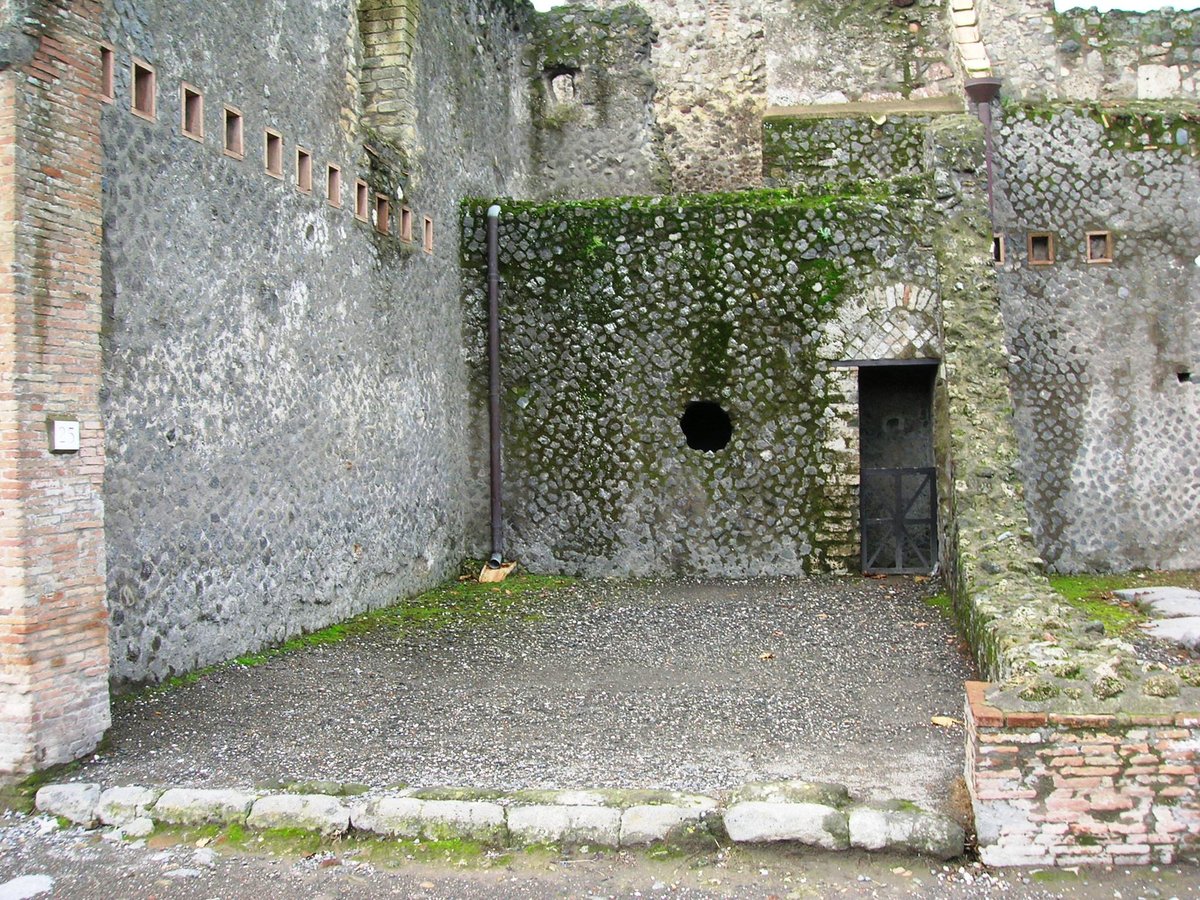
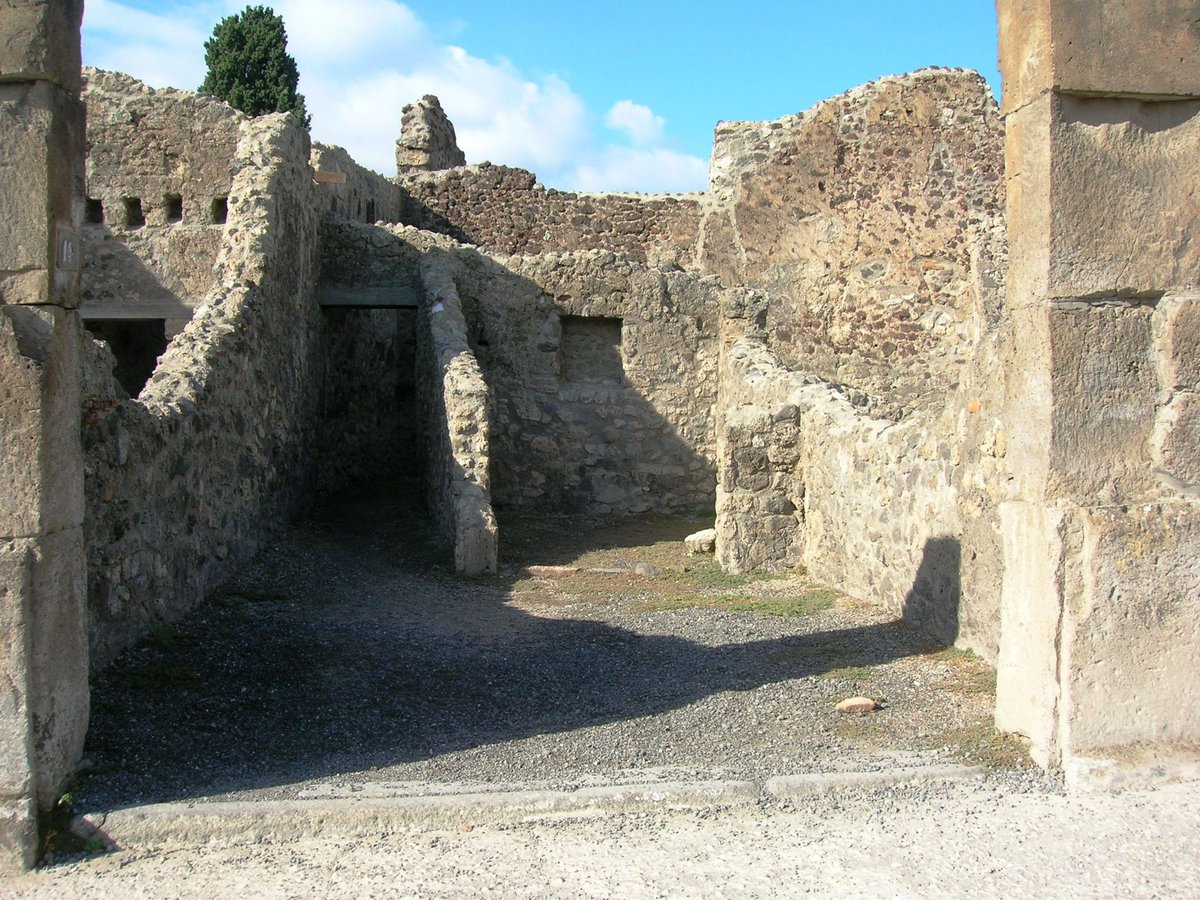
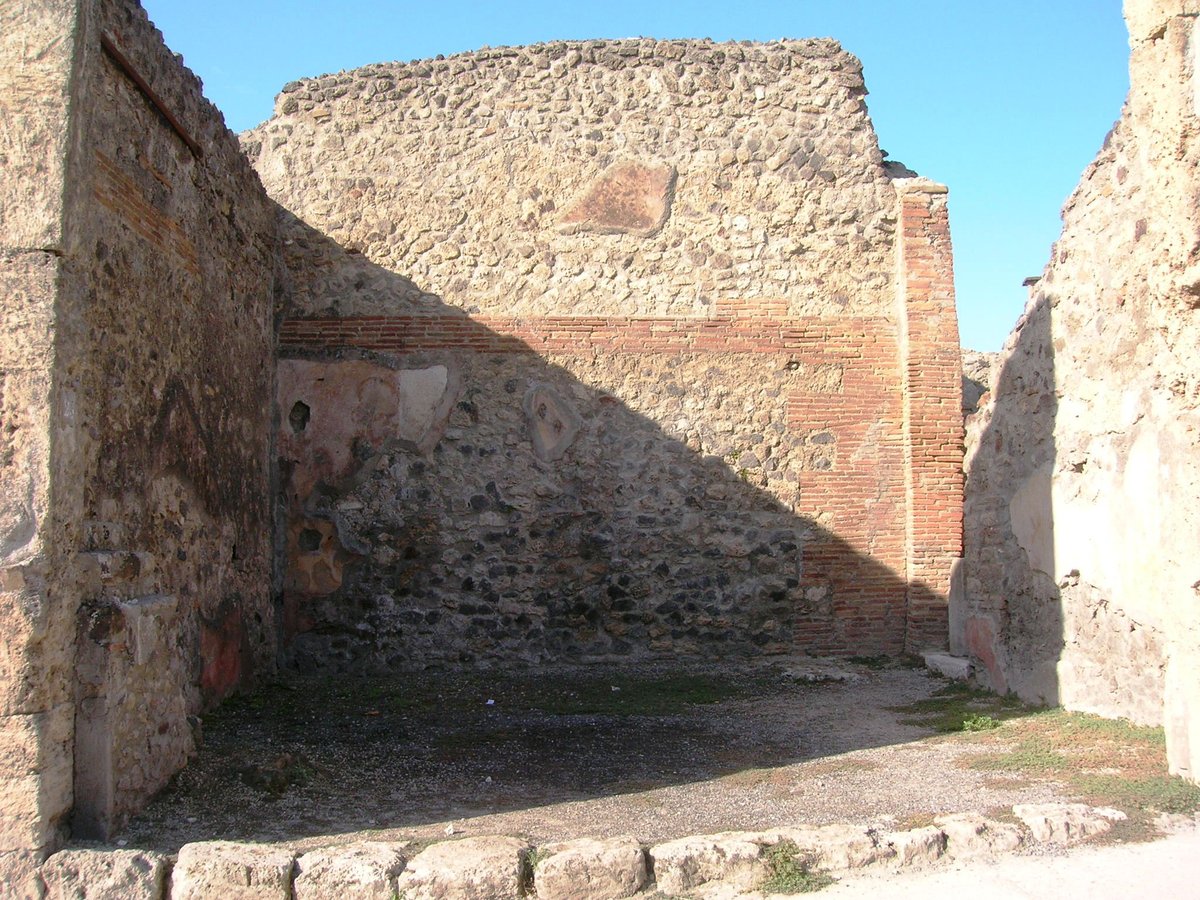
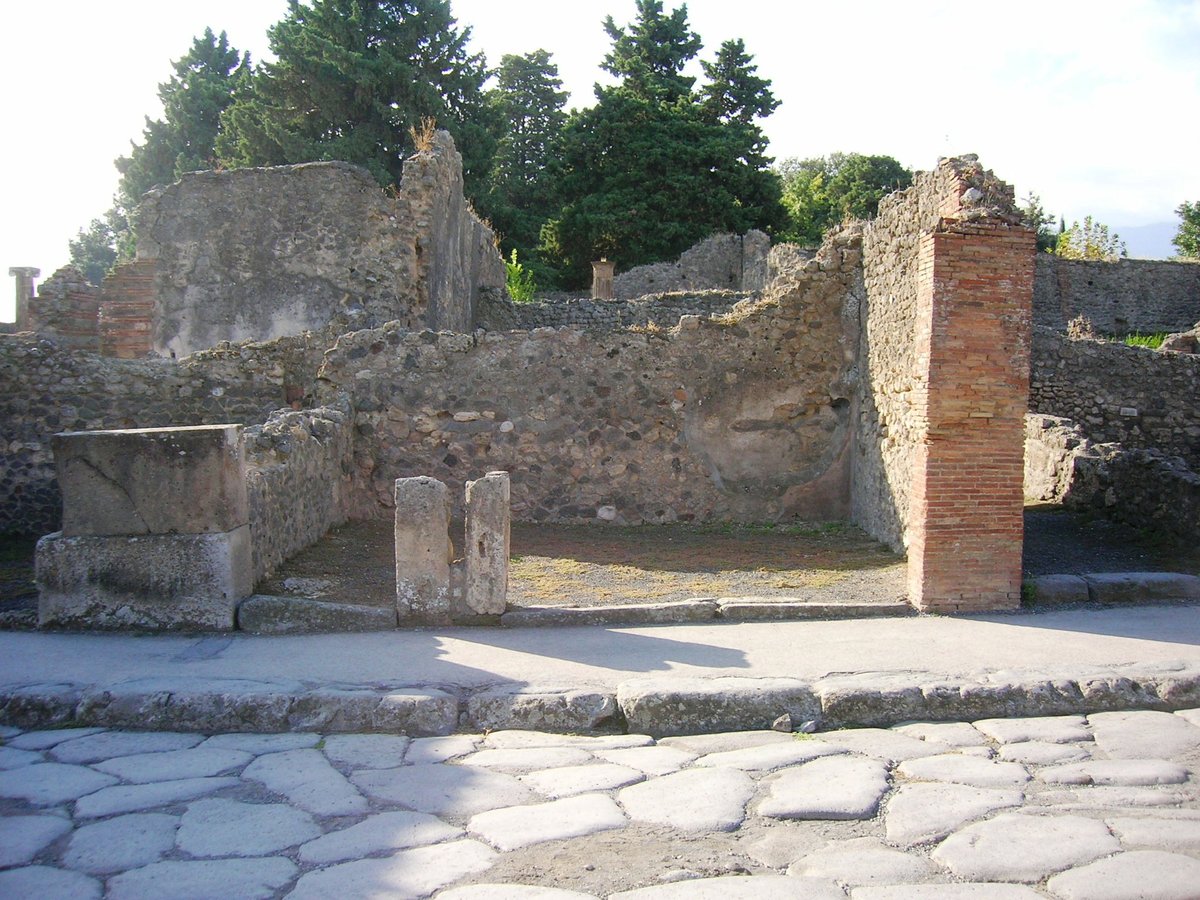
Pompeii, situated near Naples, Italy, stands as a premier archaeological destination, offering an exceptionally preserved glimpse into ancient Roman civic life. Central to this experience are the public administration buildings—epicenters of political, judicial, and commercial activity before the city’s burial by Mount Vesuvius in 79 CE. This comprehensive guide details the historical significance of these structures, practical visitor information including opening hours and ticketing, accessibility, and expert tips to enhance your exploration of one of the world’s most extraordinary historical sites.
For up-to-date opening times, ticket prices, and tour availability, consult the Pompeii Archaeological Park website and official Pompeii Tickets platform.
Early Urban Development
Founded in the late 7th to early 6th centuries BCE by a mix of Etruscans, Greeks, and Italic peoples, Pompeii’s early urban layout featured robust fortifications and a central square, the Forum. These developments marked Pompeii as a significant regional hub (Google Arts & Culture).
Roman Integration and Expansion
After the Social War and subsequent Roman colonization around 80 BCE, Pompeii underwent substantial transformation. The Forum and its surrounding administration buildings were redesigned to align with Roman ideals, integrating civic, religious, and economic functions at the heart of the city (Google Arts & Culture).
Architectural and Civic Landmarks
- Forum: The rectangular, colonnaded plaza at the city’s core, hosting assemblies and markets.
- Basilica: The center for legal proceedings and business negotiations.
- Curia and Comitium: Venues for council meetings and civic decision-making.
- Eumachia Building: Headquarters for trade guilds and commercial activities.
- Macellum: The city’s main food market, closely regulated by city officials.
- Temple of Jupiter: The religious and ceremonial focal point.
Each structure reflects a blend of Italic, Hellenistic, and Roman architectural influences and underscores the city’s administrative sophistication (Men of Pompeii).
Impact of Disasters and Preservation
The earthquake of 62 CE caused considerable damage, prompting extensive rebuilding before the catastrophic eruption of 79 CE. Today, ongoing conservation efforts ensure these buildings remain accessible to the public (Realm of History).
Visiting Pompeii’s Public Administration Buildings: Hours, Tickets, and Access
Opening Hours
- Summer (April–October): 9:00 AM – 7:00 PM (last entry at 5:30 PM)
- Winter (November–March): 9:00 AM – 5:00 PM (last entry at 3:30 PM) Hours may vary; always check the official site for updates.
Ticket Information
- Full ticket: €16
- Reduced ticket: €2 (EU citizens 18–25)
- Free entry: EU citizens under 18 and over 65 (with ID)
- Combined tickets: Available for Pompeii and nearby sites
- Booking: Strongly recommended online via the official ticket portal to secure timed entry and avoid queues.
Daily visitor numbers may be capped—bring valid ID for ticket collection (Pompeii Ticketing).
Entrances and Navigation
The main entrances are Porta Marina (closest to the Forum and Basilica) and Piazza Anfiteatro. Collect free maps at the gate or use the official Pompeii app for interactive navigation (Walks of Italy).
Key Public Administration Buildings: Functions and Visitor Insights
1. The Forum
The heart of Pompeii’s civic life, the Forum—a grand rectangular plaza—was lined with porticoes and hosted markets, assemblies, and major events. The Temple of Jupiter anchors its northern end, symbolizing the fusion of political and religious life (visitpompei.net).
2. Basilica
Located at the Forum’s southwest, the Basilica was the city’s main law court and commercial venue. Its colonnaded nave and raised tribunal influenced later Roman architecture. Magistrates presided over trials, while merchants negotiated deals (tripanthropologist.com).
Visitor tip: Enter early via Porta Marina for an uncrowded experience.
3. Curia and Magistrates’ Offices
At the Forum’s southern end, these structures housed administrative offices for the Duumviri (chief magistrates) and Aediles (officials overseeing public works). Inscriptions and statuary highlight their social and political importance (education.nsw.gov.au).
4. Eumachia Building
Funded by the influential priestess Eumachia, this grand structure served as guild headquarters for textile merchants. Its marble façade and spacious courtyard reflect private patronage in civic architecture (education.nsw.gov.au).
5. Macellum
The city’s central market, the Macellum, was vital for food distribution and overseen by city officials. Explore its shopfronts and mosaics for a window into daily commerce (education.nsw.gov.au).
6. Temple of Jupiter
Both a religious and civic symbol, this temple was the site of public ceremonies and announcements (visitpompei.net).
Visitor Experience: Tips, Accessibility, and Facilities
- Maps and Audio Guides: Pick up a free map or rent an audio guide for essential context (kristatheexplorer.com).
- Best Times: Arrive early or late in the day to avoid crowds and heat.
- Footwear and Sun Protection: Wear sturdy shoes and bring water, sunscreen, and a hat.
- Accessibility: The site offers accessible paths, but ancient pavements remain challenging. Review the official accessibility map and consider specialized tours if needed.
- Facilities: Restrooms and water fountains are near entrances; large bags are not permitted but can be left in cloakrooms.
- Preservation Rules: Do not touch or climb on ruins, stay on marked paths, and respect all signage (Walks of Italy).
Enhancing Your Visit
- Guided Tours: Available in multiple languages for deeper insight into the city’s administrative and civic history (The Geographical Cure).
- Self-Guided Exploration: Audio guides and apps like Audiala provide curated itineraries and historical narratives.
- Combined Excursions: Extend your visit to nearby sites such as Herculaneum and the Naples Archaeological Museum for a fuller understanding of ancient Campania (World Travel Connector).
- Special Programs: Occasionally, restricted buildings are opened for thematic tours—check the official news page for updates.
Frequently Asked Questions (FAQ)
Q: What are the official visiting hours?
A: Typically, 9:00 AM–7:00 PM (summer), 9:00 AM–5:00 PM (winter). Last entry is 1.5 hours before closing. Check the official website for updates.
Q: How much do tickets cost?
A: Full tickets are €16, with reductions and free entry for eligible visitors. Book online for best availability (Pompeii Ticketing).
Q: Are guided tours available?
A: Yes, in several languages. Book online or at the entrance (Walks of Italy).
Q: Is Pompeii accessible for visitors with disabilities?
A: Some accessible paths exist, but ancient stone surfaces can be difficult. Consult the accessibility map.
Q: Can I take photographs?
A: Yes, but tripods, drones, and flash require special permission.
Summary Table: Key Administration Buildings
| Building | Function | Features | Visitor Tip |
|---|---|---|---|
| Forum | Civic, commercial, religious | Colonnades, plaza, statuary | Start your visit here |
| Basilica | Judicial, business | Colonnaded nave, tribunal | Visit early for quiet contemplation |
| Curia & Magistrates | Civic administration | Inscriptions, modest remains | Look for dedicatory plaques |
| Eumachia Building | Guild/commercial HQ | Marble, spacious courtyard | Note women’s role in commerce |
| Macellum | Marketplace | Shops, mosaics, fish tanks | Explore shopfronts for daily life |
| Temple of Jupiter | Religious/civic ceremonies | Podium, stairway, forum views | Best photos in early morning light |
Listen to the full story in the app
Your Personal Curator, in Your Pocket.
Audio guides for 1,100+ cities across 96 countries. History, stories, and local insight — offline ready.
Audiala App
Available on iOS & Android
Join 50k+ Curators
Sources
- verified
- verified
- verified
- verified
- verified
- verified
Last reviewed: