Introduction: Significance of Porta Vesuvio Necropolis
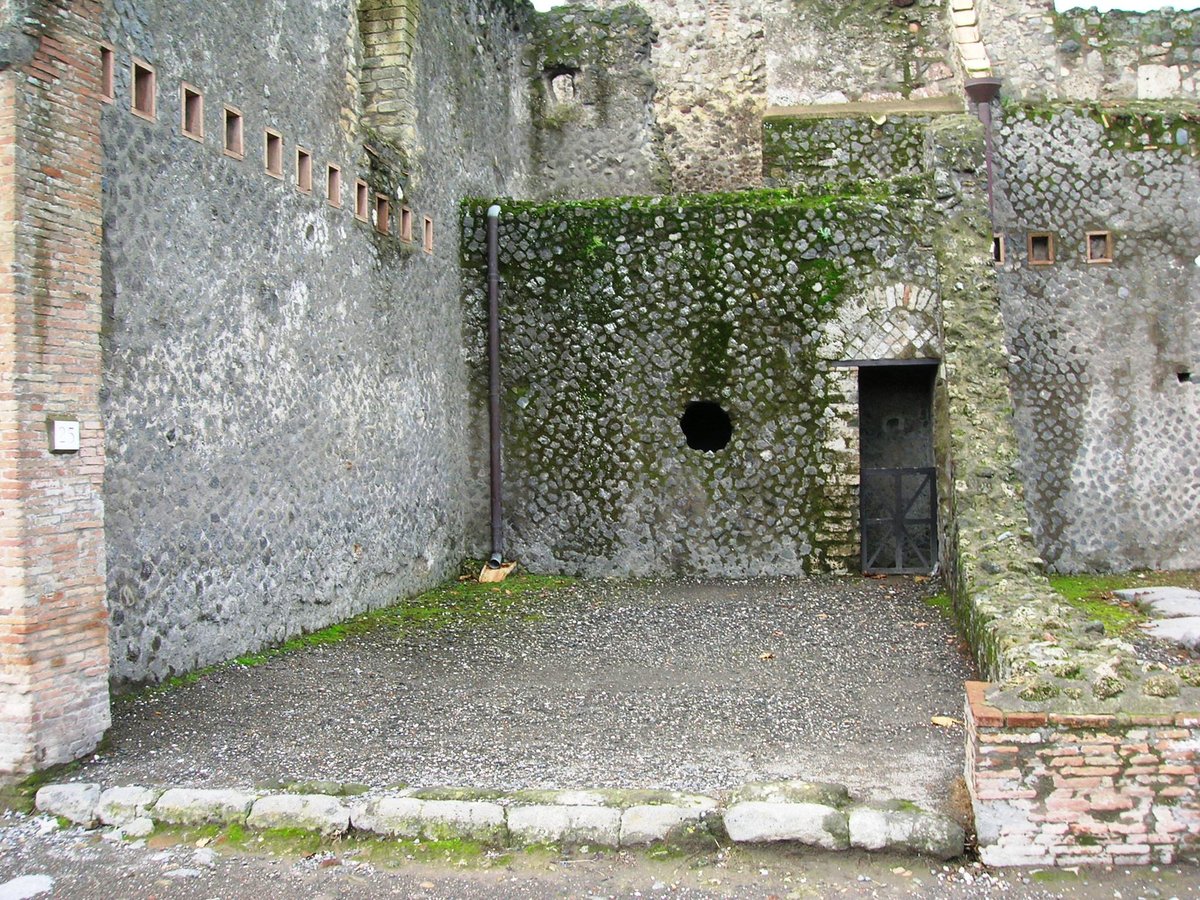
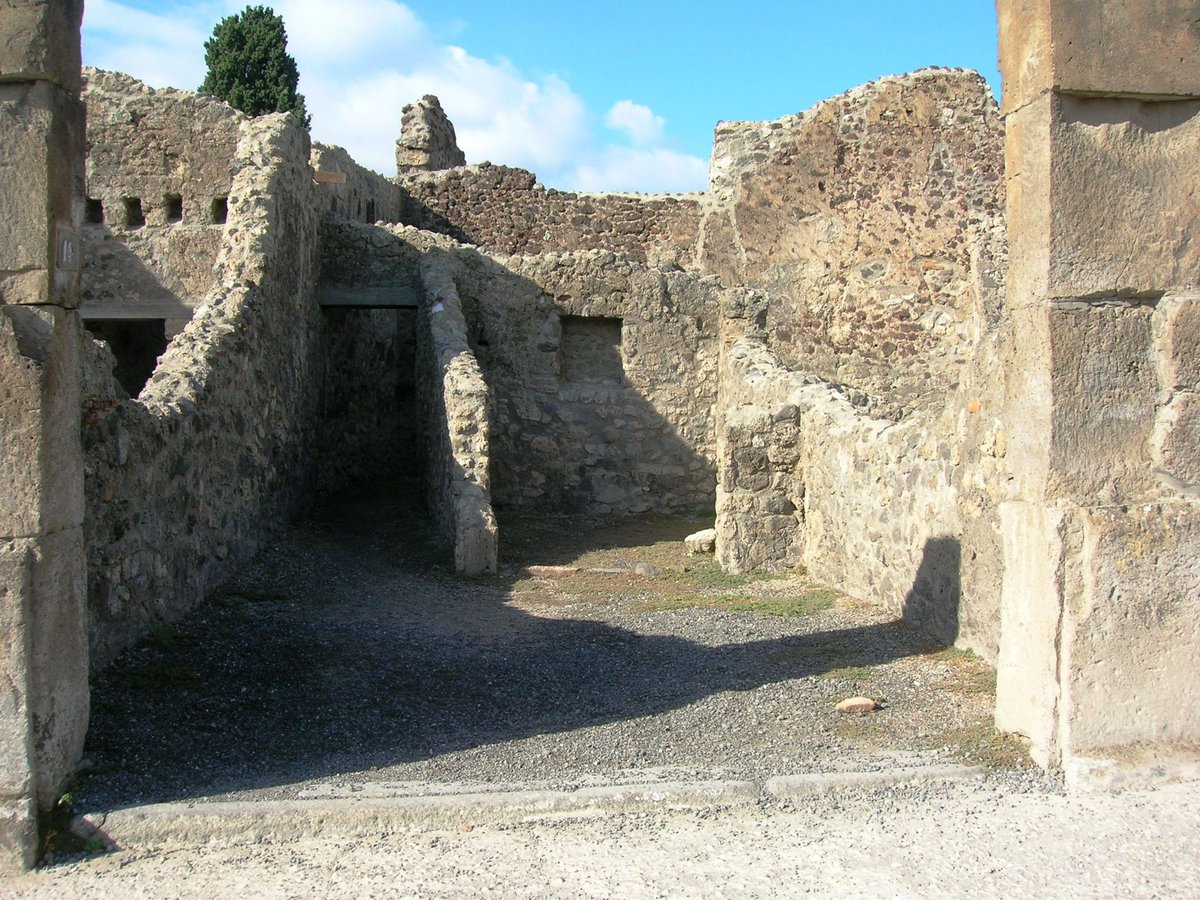
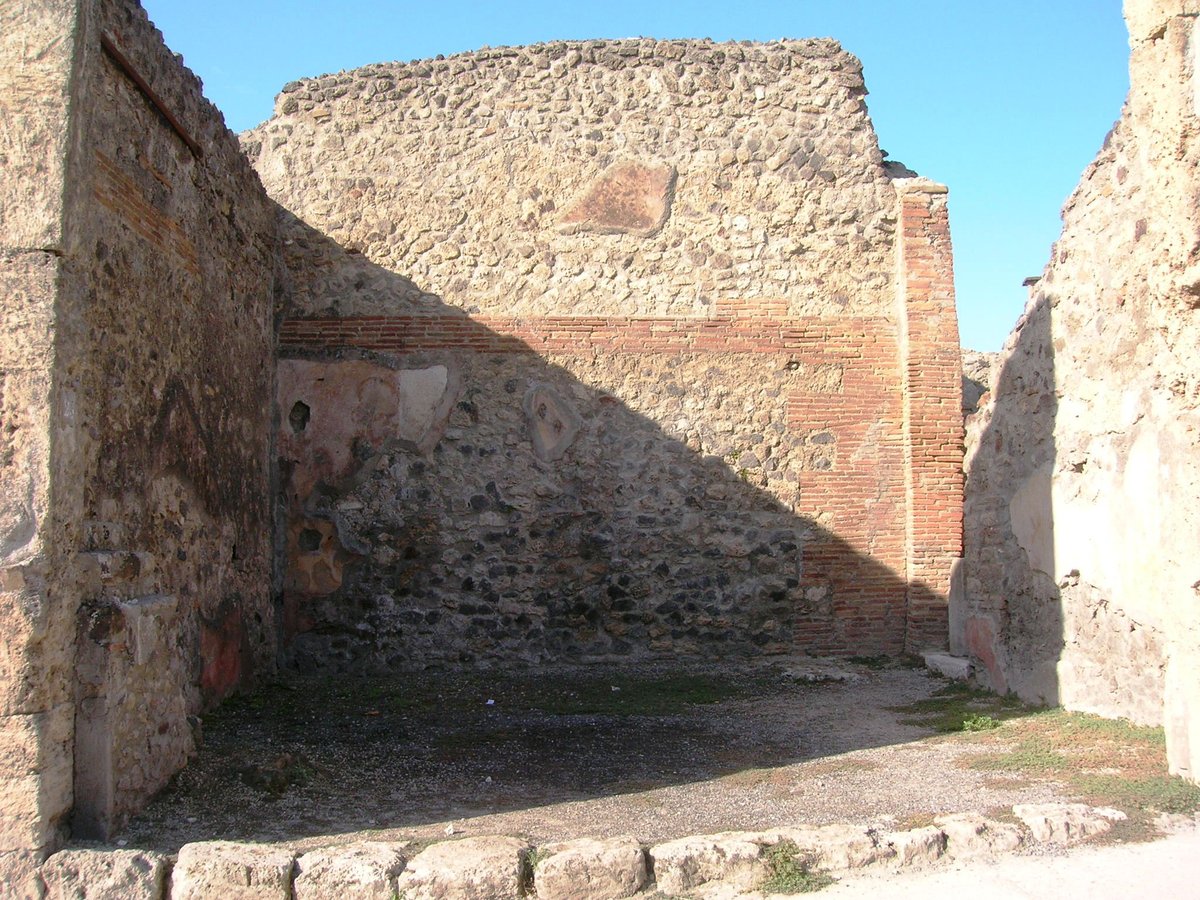
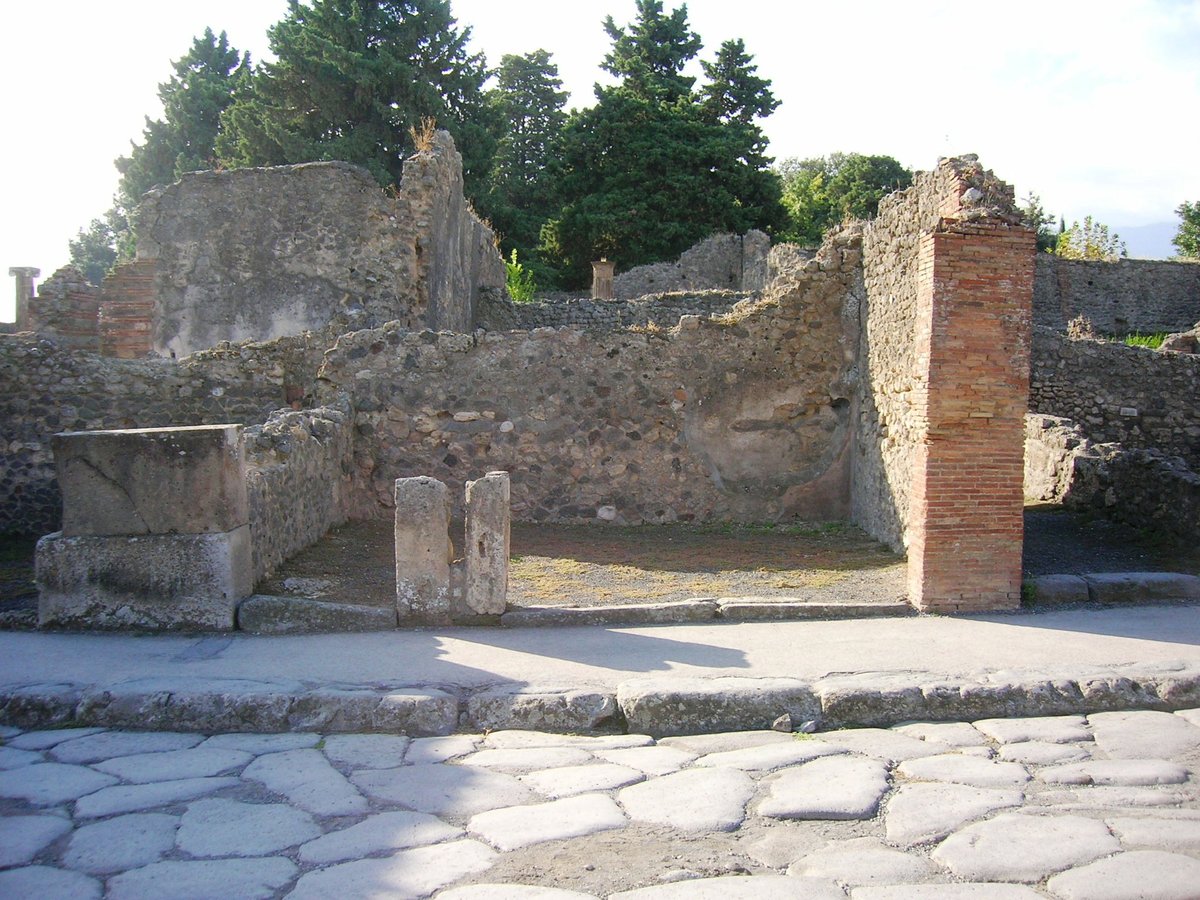
Located just outside the northern gate of ancient Pompeii, the Porta Vesuvio Necropolis stands as a striking testament to Roman funerary customs, social hierarchies, and the city’s approach to death and commemoration. Developed along the Via dei Sepolcri in accordance with Roman legal prohibitions against burials within city walls, this necropolis became a “city of the dead,” mirroring Pompeii’s vibrant social landscape. Here, visitors encounter a range of tombs—from the grand mausoleum of Caius Vestorius Priscus, a young aedile honored by the city, to modest graves for freedmen and slaves—each revealing aspects of ancient social stratification, familial ties, and evolving funeral practices.
The necropolis is notable for its well-preserved architectural features, inscriptions, frescoes, and grave goods, all of which shed light on Roman beliefs about the afterlife and the ritual activities surrounding death. For modern travelers, understanding the historical and archaeological significance of Porta Vesuvio enhances any visit, providing a deeper appreciation for Pompeii’s complexity. With convenient accessibility, inclusive ticketing, and its tranquil atmosphere, the site is an essential stop for those wishing to delve beneath the surface of the ancient city (TripAnthropologist, PlanetPompeii, Pompeiisites.org, Pompeionline.net).
Origins and Development of Pompeii’s Necropolises
Pompeii’s necropolises emerged in response to Roman laws requiring burials to be placed outside city walls. The city developed several burial grounds along its major roads—Porta Ercolano, Porta Nocera, Porta Stabia, Porta Vesuvio, Porta Nola, and Porta Sarno (Journal of Roman Archaeology; Pompeionline.net). The earliest necropolis, outside the Herculaneum Gate, dates to the Samnite period (5th–4th century BCE), featuring simple graves. Over time, increasing wealth led to more elaborate tombs and mausolea, reflecting the social aspirations and diversity of Pompeii’s population (Pompeiisites.org).
Architectural Features and Notable Monuments
The necropolises of Pompeii display a remarkable range of funerary monuments. At Porta Vesuvio, the tomb of Caius Vestorius Priscus stands out for its grandeur and civic significance; built with city-donated land and funds, it features Corinthian pilasters, floral festoons, and rare painted interiors (PlanetPompeii). Other notable tombs include the Istacidi family’s mausoleum and Marcus Porcius’s tomb, each adorned with inscriptions, statues, and reliefs.
Monuments range from imposing mausolea to columbaria (urn chambers for cremated remains) and simple graves marked with stelae. These structures, aligned along the Via dei Sepolcri, create a “city of the dead” that reflects the diversity and aspirations of Pompeii’s inhabitants (Pompeiisites.org).
Funerary Practices and the Cult of the Dead
Roman funerary customs in Pompeii blended cremation and inhumation, with evidence from urns, sarcophagi, and burial chambers. Choices between these rites often reflected family tradition, religious beliefs, or status (Pompeionline.net). Tombs were richly decorated with inscriptions commemorating the dead, and grave goods—pottery, jewelry, coins—were interred to provide for the afterlife. Funerary rituals included processions, offerings at altars, and commemorative banquets, all aimed at maintaining the memory and favor of ancestors.
Annual festivals like the Parentalia, along with daily offerings, reinforced bonds between the living and the dead, and public inscriptions ensured lasting commemoration.
Social and Urban Significance
Necropolises served both religious and social functions. Grand tombs along main roads displayed family prestige and civic achievement, ensuring that the memory of the deceased remained visible. The diversity of burials—from elite citizens to freedmen and slaves—reflects Pompeii’s complex social fabric (Field Sciences). The arrangement of tombs, roads, and altars illustrates evolving urban planning, demographic shifts, and the ongoing importance of ancestry and memory.
Visiting Porta Vesuvio Necropolis: Hours, Tickets & Accessibility
Visiting Hours
- April 1 – October 31: 9:00 AM to 7:00 PM (last entry at 5:30 PM)
- November 1 – March 31: 9:00 AM to 5:00 PM (last entry at 3:30 PM)
- Closed: December 25, May 1, January 1
- Check the official Pompeii website for seasonal updates.
Tickets and Entry
- Entry to the necropolis is included with the standard Pompeii Archaeological Park ticket.
- Tickets can be purchased online or on-site; free entry is offered on the first Sunday of each month.
- Booking in advance is recommended, especially during peak seasons.
Accessibility
- Some paths are uneven, making access challenging for those with mobility issues.
- Wheelchair access is limited; contact visitor services for updated information on accessible routes.
Travel Tips and Nearby Attractions
- Best Times: Early morning or late afternoon for cooler temperatures and fewer crowds.
- What to Bring: Comfortable shoes, sun protection, and water.
- Photography: Allowed for personal use; flash and tripods may be restricted.
- Nearby Sites: Consider visiting the Forum, Amphitheater, Villa of the Mysteries, and other necropolises.
- Amenities: Restrooms, shaded areas, and cafes are available near main entrances.
Recent Discoveries and Ongoing Research
Ongoing excavations at Pompeii’s necropolises continue to reveal new tombs, inscriptions, and grave goods. The Porta Sarno Necropolis Project, as of 2025, has significantly advanced understanding of burial customs and social diversity (Journal of Roman Archaeology; Field Sciences). Notable finds include the tomb of Marcus Venerius Secundio, shedding light on multicultural influences and elaborate funerary rituals.
Preservation and Visitor Experience
The necropolises are protected as invaluable archaeological heritage. Conservation efforts are ongoing to prevent deterioration and ensure accessibility for future generations. For visitors, the serene setting and evocative monuments invite reflection on the ancient world’s approach to life, death, and remembrance (Pompeionline.net).
Frequently Asked Questions (FAQ)
Q: What are the visiting hours?
A: 9:00 AM–7:00 PM (April–October), 9:00 AM–5:00 PM (November–March), last entry 90 minutes before closing; check the official website for updates.
Q: Are tickets to the necropolis included in the Pompeii entry price?
A: Yes, admission is included with the general site ticket.
Q: Are guided tours available?
A: Yes, and they are recommended for deeper appreciation.
Q: Is the necropolis accessible for wheelchairs?
A: Some areas are accessible, but terrain is uneven; check with visitor services for updates.
Q: Can I take photographs?
A: Yes, for personal use. Flash and tripods may be restricted.
Summary and Final Travel Advice
The Porta Vesuvio Necropolis offers a compelling journey into the funerary culture and social life of ancient Pompeii. Through its tombs, inscriptions, and artifacts, visitors witness the enduring Roman values of memory, status, and community. With convenient access, comprehensive tours, and ongoing research, the site is a highlight for anyone interested in archaeology or history.
To make the most of your visit:
- Check opening hours and book tickets in advance.
- Wear appropriate footwear and bring essentials for outdoor exploration.
- Consider a guided tour or audio guide for a richer experience.
- Explore nearby Pompeii attractions for a fuller understanding of the city’s context.
Download the Audiala app for audio guides and stay updated on Pompeii’s latest discoveries and visitor information. Embrace the legacy of Pompeii’s dead and enrich your exploration of this extraordinary ancient city.
Listen to the full story in the app
Your Personal Curator, in Your Pocket.
Audio guides for 1,100+ cities across 96 countries. History, stories, and local insight — offline ready.
Audiala App
Available on iOS & Android
Join 50k+ Curators
Sources
- verified
- verified
- verified
- verified
- verified
- verified
Last reviewed: