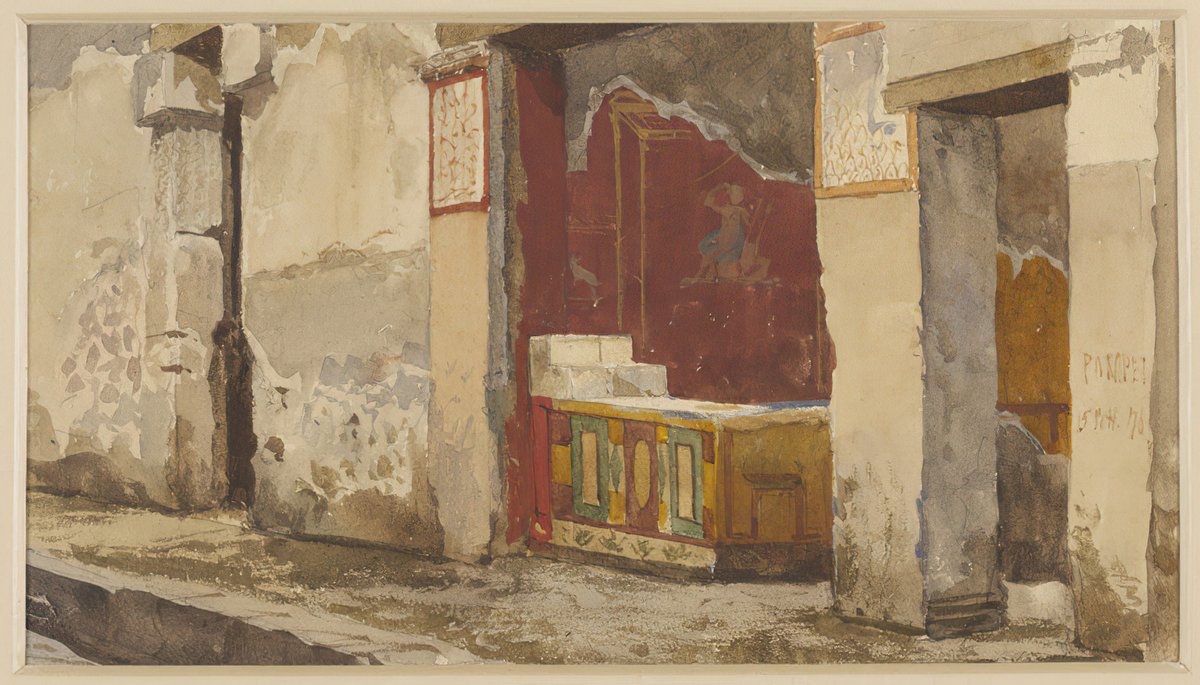
Introduction: The Significance of Porta Nocera Necropolis
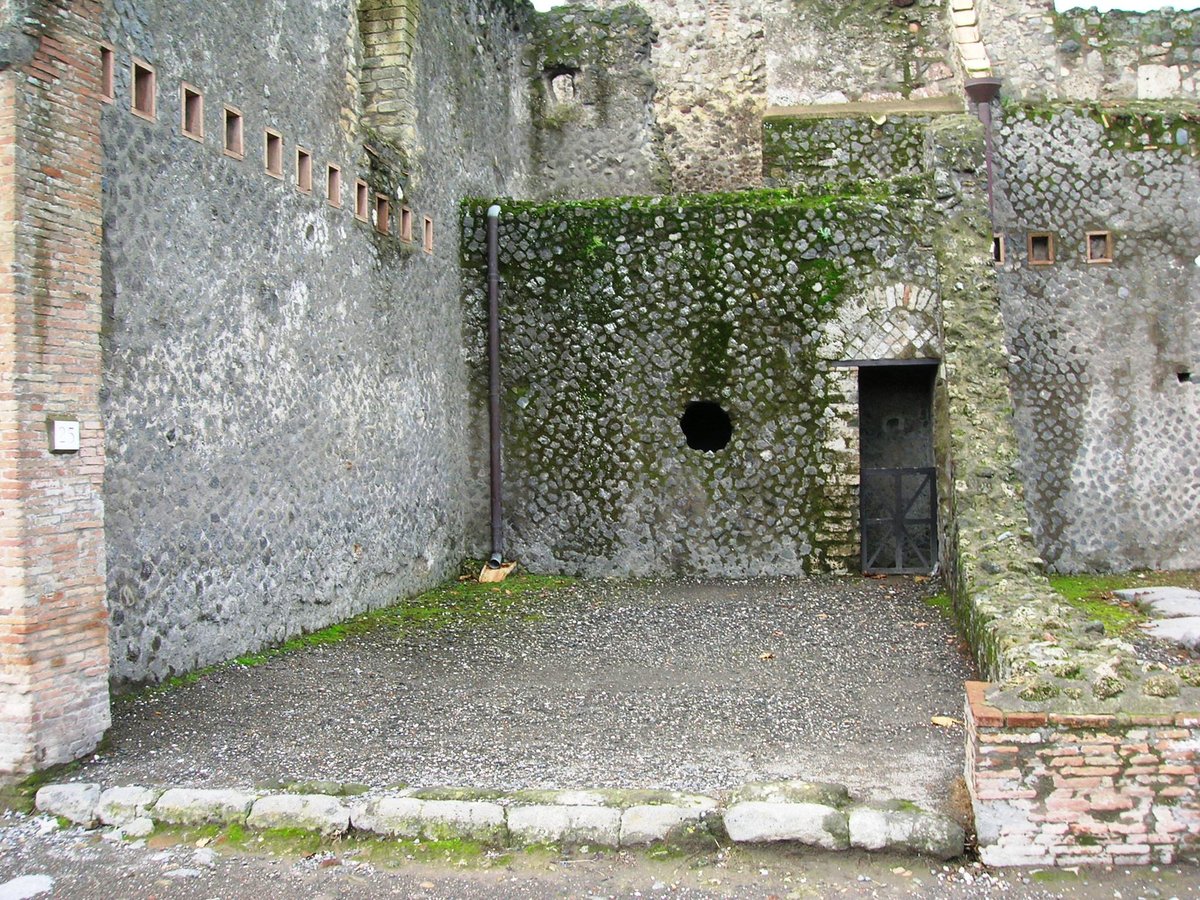
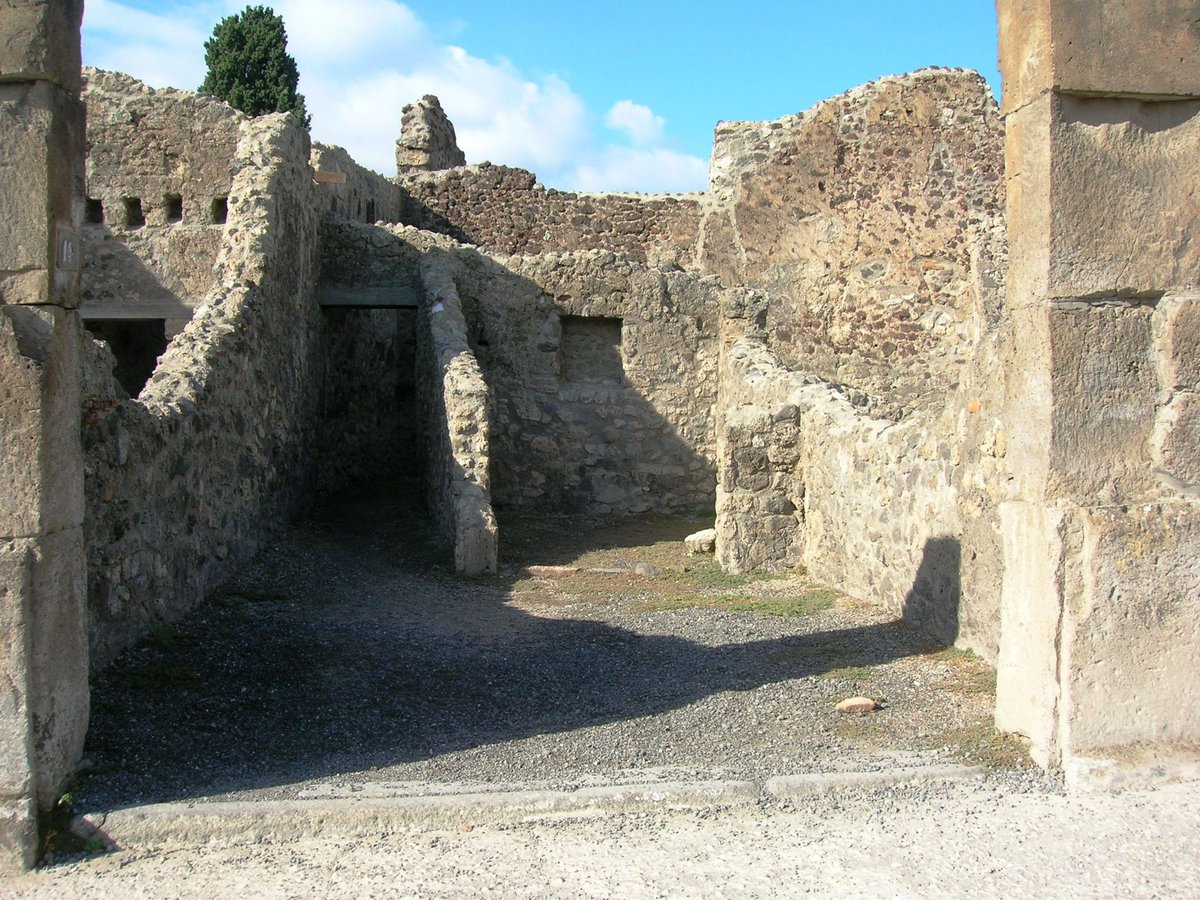
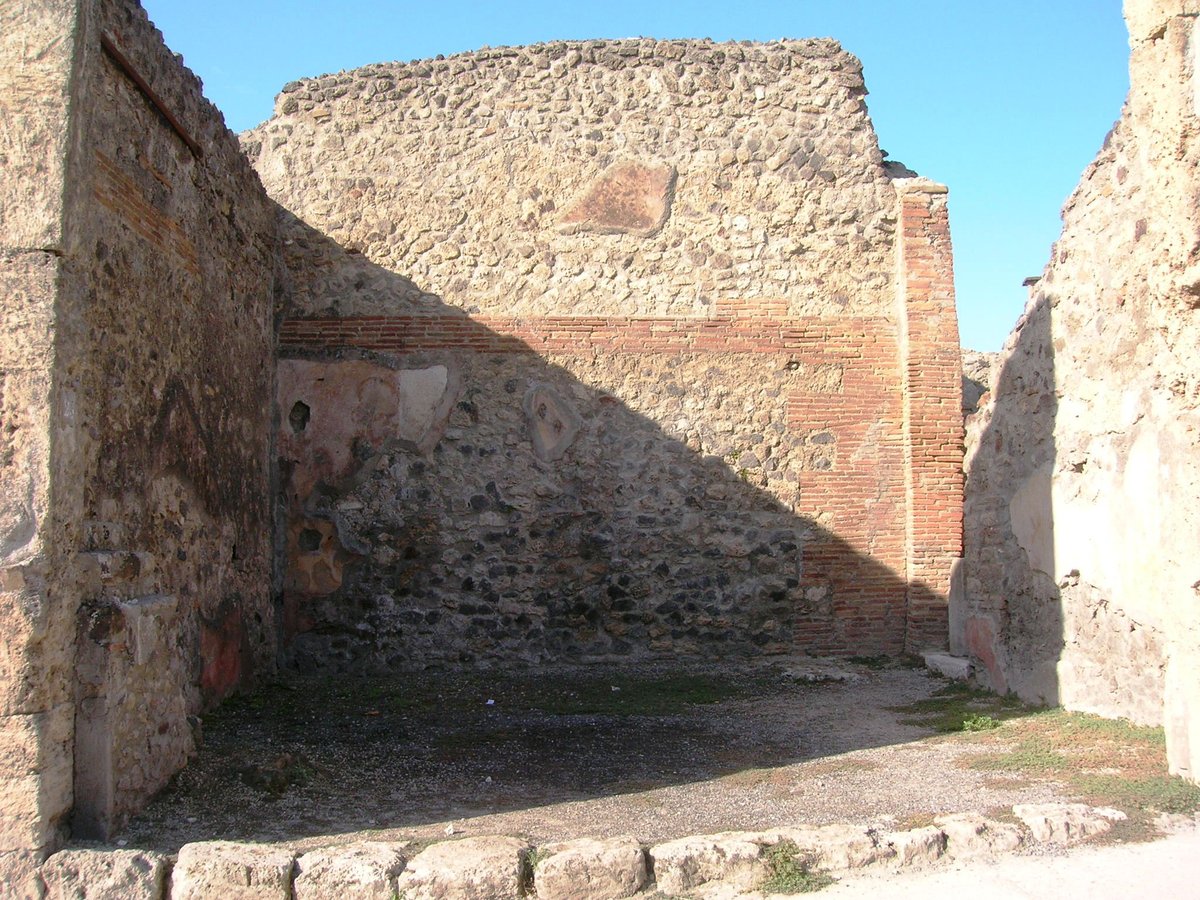
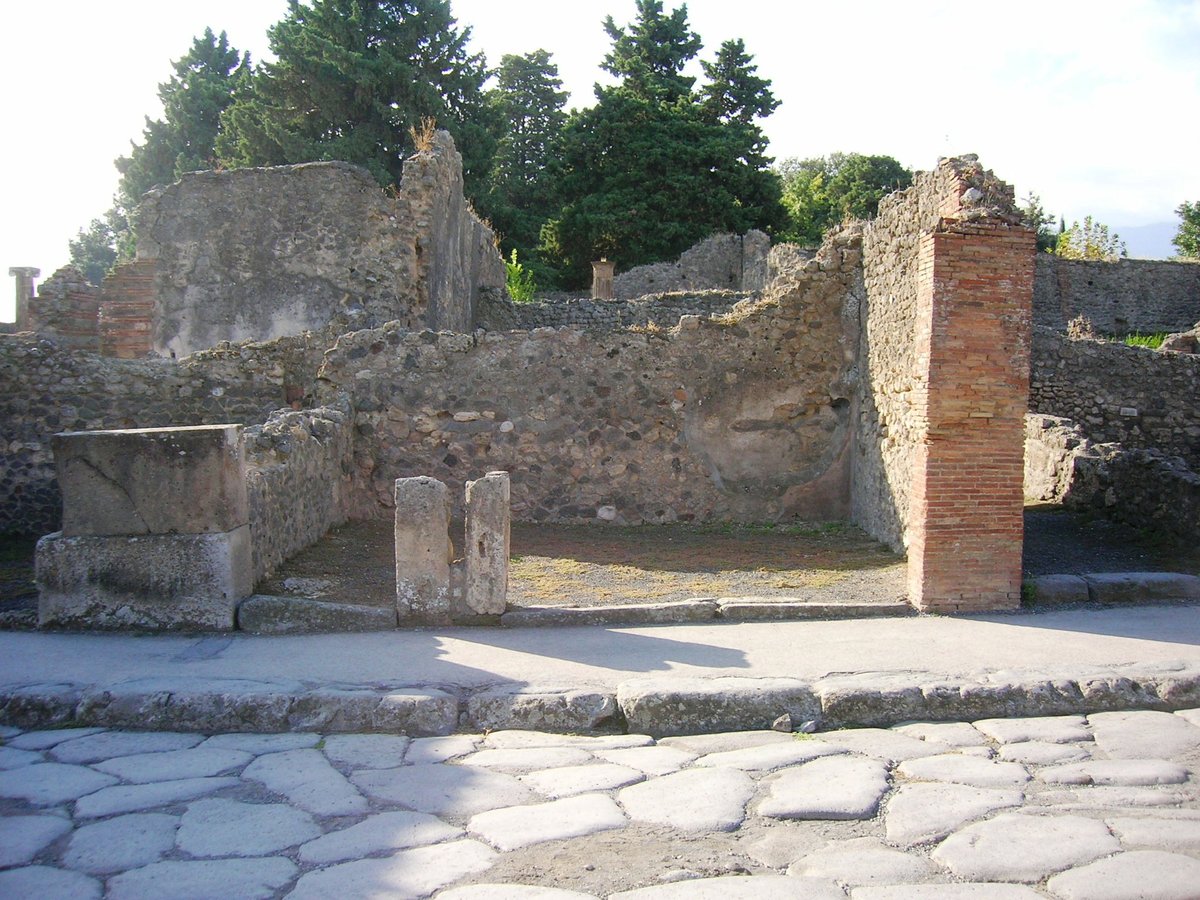
The Porta Nocera Necropolis stands as one of Pompeii's most evocative and historically significant burial grounds. Located just outside the city’s southeastern gate along the ancient Via di Nocera, this necropolis offers a unique insight into Roman funerary customs, social stratification, and the daily lives of Pompeii’s inhabitants. Established around 80 BCE and used until the catastrophic eruption of Mount Vesuvius in 79 CE, the site reflects a rich tapestry of cultural influences, including Samnite, Hellenistic, and Roman traditions. Visitors today can explore a variety of tombs—from grand mausolea to modest columellae—that collectively narrate stories of status, family, and memory (pompeiisites.org; ermakvagus.com; academia.edu).
This guide provides comprehensive information for visitors, including up-to-date visiting hours, ticketing procedures, accessibility tips, travel advice, and cultural context. Whether you are a history enthusiast or a curious traveler, a visit to Porta Nocera Necropolis will deepen your understanding of Pompeii’s complex past.
Historical Background and Archaeological Significance
Origins and Social Context
Porta Nocera Necropolis was established during Pompeii’s Roman colonization, continuing the tradition of situating cemeteries outside city walls for both ritual purity and public health. The location along a major road ensured tombs were highly visible, serving as both commemorative spaces and public displays of family status. The necropolis reflects the social hierarchy of Pompeii, with elaborate family mausolea for patricians and simpler markers for freedmen, slaves, and children (academia.edu; pompeiisites.org).
Archaeological Investigations
Excavations from the 1950s onward have uncovered over 40 tombs and numerous artifacts. Modern research, including non-invasive techniques, continues to reveal hidden structures and offer insights into funerary rituals, demographic composition, and the multicultural population of ancient Pompeii (ermakvagus.com).
Visiting Porta Nocera Necropolis: Practical Information
Location and Access
Porta Nocera Necropolis is located southeast of Pompeii’s ancient city center, accessible via the Piazza Anfiteatro entrance. A green walkway leads visitors directly to the necropolis (finestresullarte.info).
Opening Hours (2025)
- April 1 – October 31: 9:00 AM to 7:00 PM (last entry at 5:30 PM)
- November 1 – March 31: 9:00 AM to 5:00 PM (last entry at 3:30 PM)
- Closed: December 25, January 1, and typically May 1. Always confirm on the official website.
Tickets and Admission
- Full site (Pompeii and surrounding villas): €22.00
- Pompeii only: €18.00
- Reduced: €2.00 (EU citizens aged 18–24, teachers)
- Free: Under 18s, people with disabilities (plus one companion), and on the first Sunday of each month
- Ticket Purchase: Online via the official portal, or at site entrances. Early booking is strongly advised, especially during peak seasons (helenonherholidays.com).
Visitor Flow and Security
- Visitor Cap: A daily maximum of 20,000 visitors; time-slot booking is mandatory.
- Bag Policy: Only small bags (max 30x30x15 cm) allowed; larger bags must be stored outside (jumptraveling.com).
Exploring the Necropolis: Layout, Monuments, and Rituals
Layout and Tomb Types
The necropolis lines both sides of the Via di Nocera, with tombs ranging from monumental chambers to simple stone markers. Key types include:
- Chamber Tombs: Family or collegia burial chambers.
- Cubic Tombs: Compact, cube-shaped structures.
- Altar and Aedicula Tombs: Shrine-like with religious motifs.
- Cippi and Columellae: Bust-shaped grave markers for lower-status individuals.
Many tombs display vivid frescoes, reliefs, and inscriptions documenting names, professions, and social roles (museionline.info; pompeionline.net).
Funerary Practices and Rituals
- Cremation: The primary mode of burial, with urns placed in tombs.
- Inhumation: Used for infants and sometimes adults.
- Ritual Offerings: Families returned for commemorative meals and offerings, sustaining ancestral memory.
- Monumental Inscriptions: Reveal the diversity of Pompeii’s population, including women, freedmen, and children (efrome.it).
Plaster Casts and Human Stories
Near the entrance, plaster casts of eruption victims—created by filling voids left in the ash—serve as haunting reminders of Pompeii’s tragic end (pompeiisites.org).
Accessibility and Visitor Facilities
- Wheelchair Access: The “Pompeii for All” route improves accessibility, but some slopes and uneven surfaces remain. Consult the official accessibility guide.
- Facilities: Accessible restrooms, Braille panels, sign language tours, and AAC symbol guides are available.
- Rest & Hydration: Water fountains and limited seating are available; bring sunscreen and a refillable bottle (naplesinsider.com).
Travel Tips and Nearby Attractions
- Best Time to Visit: Early morning or late afternoon for fewer crowds and milder temperatures.
- Duration: Allow 1–2 hours for the necropolis; a full day for the entire Pompeii archaeological park.
- Dress and Behavior: Wear sturdy shoes and modest attire; be respectful as this is a burial site.
- Nearby Sites: Combine your visit with the Amphitheatre, Forum, House of the Faun, and Porta Ercolano Necropolis for a comprehensive experience (jumptraveling.com; thetourguy.com).
Frequently Asked Questions (FAQ)
Q: What are the visiting hours?
A: 9:00 AM–7:00 PM (April–October); 9:00 AM–5:00 PM (November–March). Last entry 90 minutes before closing.
Q: How do I buy tickets?
A: Online at the official portal or at the entrances.
Q: Is the necropolis wheelchair accessible?
A: There is partial accessibility; contact the visitor center for details and assistance.
Q: Are guided tours available?
A: Yes, including tours with sign language interpretation upon request.
Q: Can I take photos?
A: Yes, for personal use; tripods and drones require special permission.
Listen to the full story in the app
Your Personal Curator, in Your Pocket.
Audio guides for 1,100+ cities across 96 countries. History, stories, and local insight — offline ready.
Audiala App
Available on iOS & Android
Join 50k+ Curators
Sources
- verified
- verified
- verified
- verified
- verified
- verified
Last reviewed: