Introduction
Pompeii stands as one of the world’s most evocative archaeological sites, offering an unparalleled glimpse into Roman life suspended in time by the catastrophic eruption of Mount Vesuvius in 79 AD. Among its many distinguished sectors, Regio VIII Insula 2 is particularly notable for its proximity to the Forum, its architectural diversity, and the remarkable Sarno Baths. This area embodies the intricate urban fabric of Pompeii, blending residential elegance with commercial enterprise and public leisure spaces.
Proper planning enhances the visitor experience—knowing the latest visiting hours, ticketing options, and accessibility details is essential. This guide provides a comprehensive overview, from the historical and cultural significance of Regio VIII Insula 2 to practical travel advice, ensuring a rewarding exploration of Pompeii’s ancient heart. For the most current information, always consult the Pompeii Archaeological Park and reputable cultural platforms (Pompeii Perspectives, The Geographical Cure).
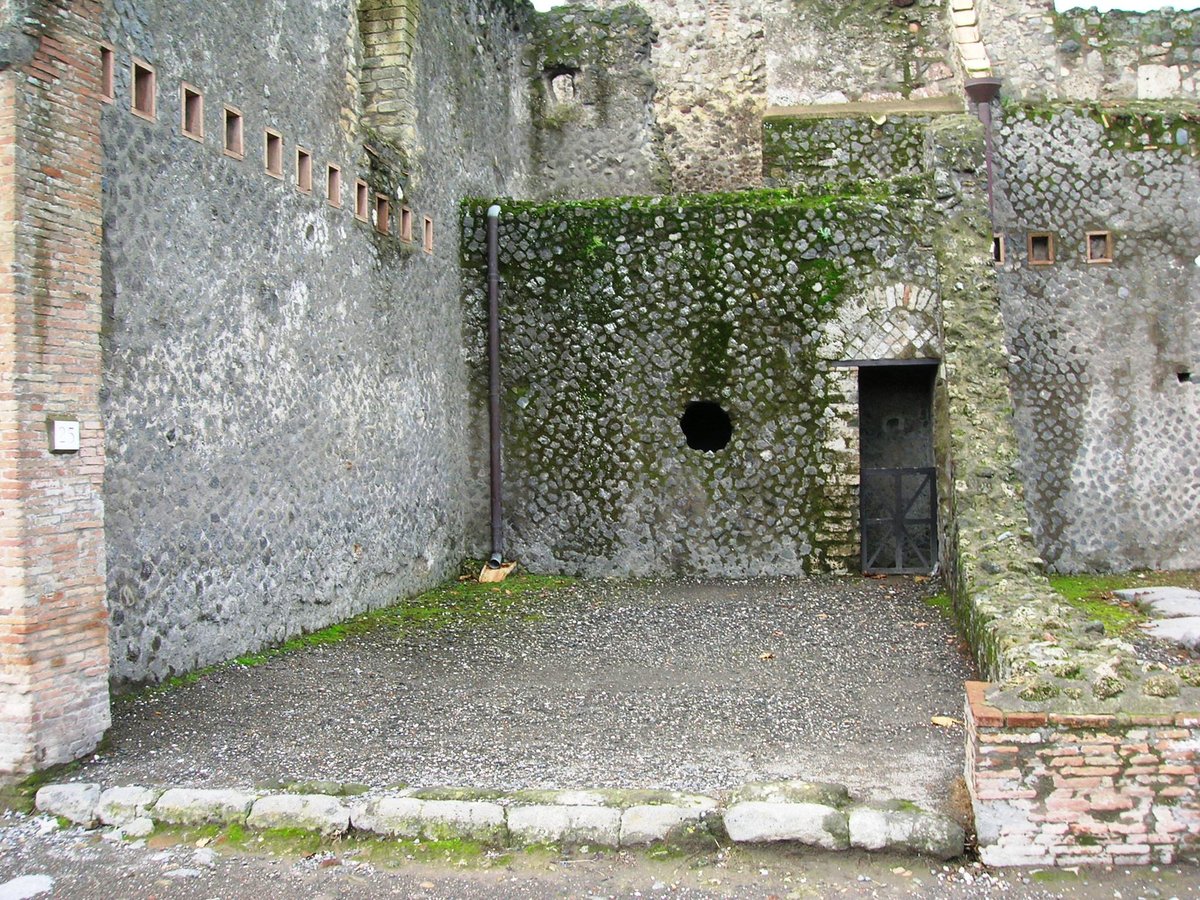
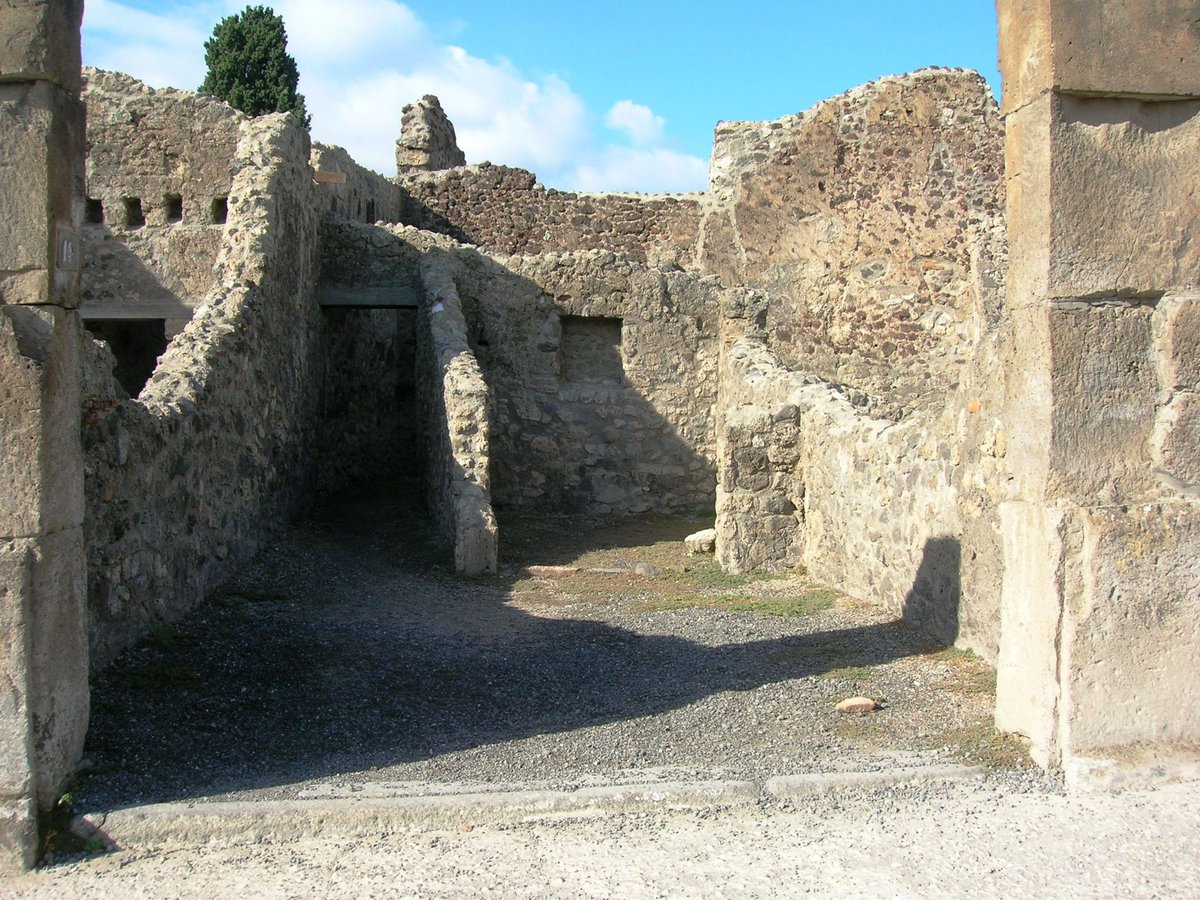
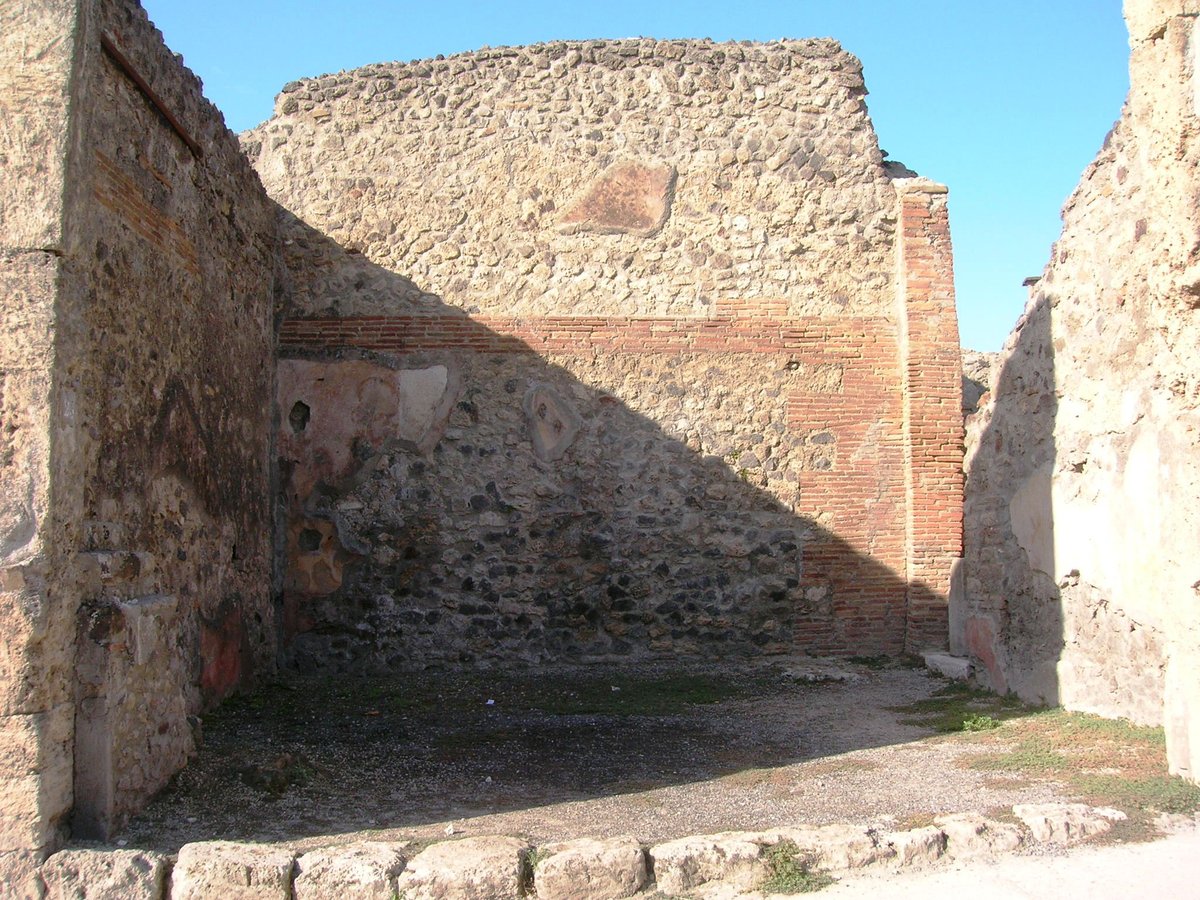
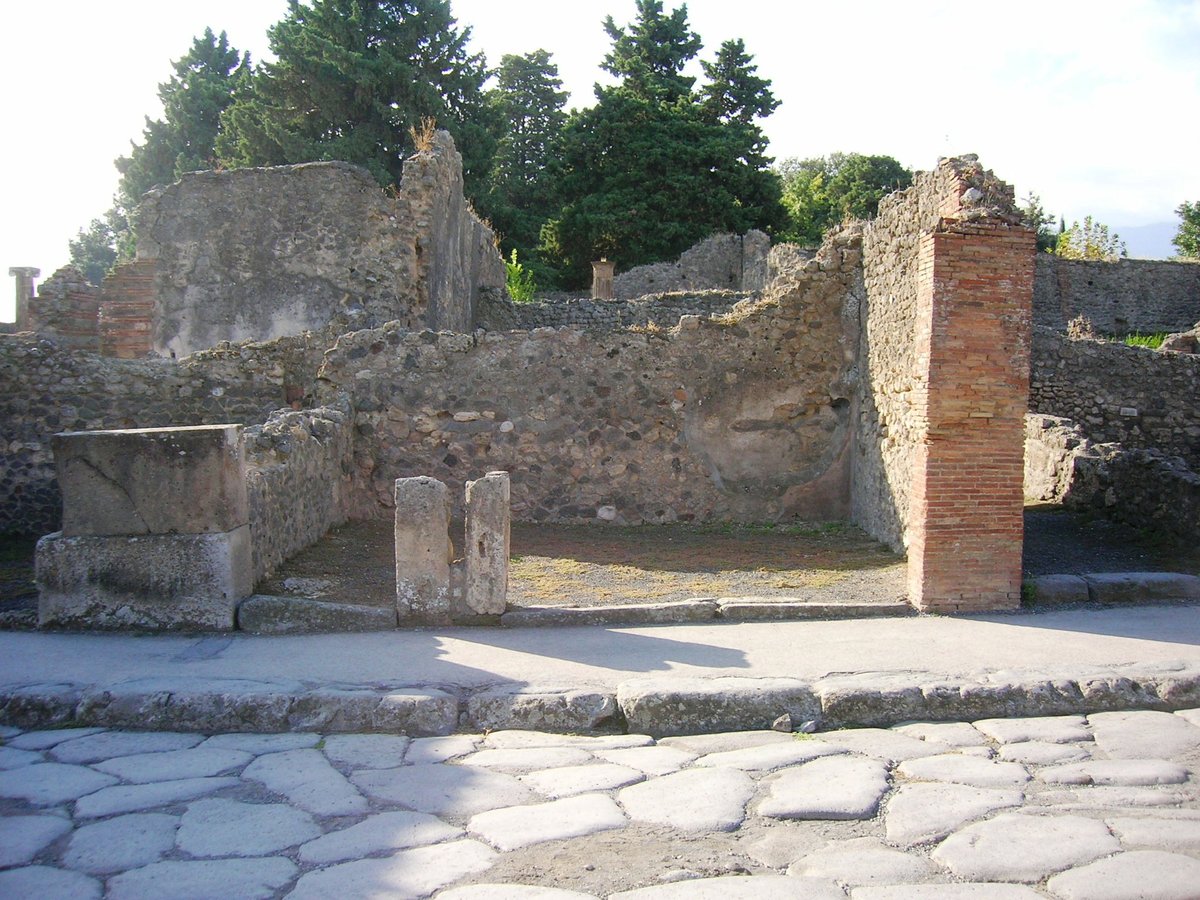
Regio VIII Insula 2 is situated near the southwestern corner of Pompeii, adjacent to the Forum and major thoroughfares such as Via dell’Abbondanza. This city block features a vibrant mix of residential domus, commercial tabernae (shops), and public facilities, most famously the Sarno Baths—one of Pompeii’s most advanced and sophisticated bath complexes.
The Sarno Baths
Constructed close to the Sea Gate, the Sarno Baths were an engineering marvel, spanning over 100 rooms across six floors. The bath complex included all the standard Roman facilities—apodyteria (changing rooms), frigidaria (cold rooms), tepidaria (warm rooms), caldaria (hot rooms), and palaestrae (exercise courtyards). Beyond their hygienic function, the baths served as vital social centers, richly decorated with frescoes, mosaics, and stuccowork that reflect the era’s aesthetic values.
Conservation and Preservation
Over the centuries, the Sarno Baths and surrounding structures have faced challenges such as structural instability, environmental wear, and earthquake damage. Ongoing restoration efforts focus on stabilizing walls, conserving frescoes and mosaics, and ensuring safe visitor access while preserving the site’s integrity (Pompeii Perspectives).
Urban Layout, Notable Structures, and Archaeological Highlights
Location and Layout
Regio VIII Insula 2 is centrally positioned in Pompeii, bordered by major roads and in close proximity to key landmarks such as the Forum and the Temple of Apollo. Its placement along the Via dell’Abbondanza made it a bustling node of civic and commercial activity (Pompeii Perspectives, Mapcarta).
Residential and Commercial Diversity
This insula is characterized by a seamless integration of elegant homes and shops:
- Domus: Residences like the Casa di Diana, identified by religious frescoes and intricate architectural features, offer insight into elite domestic life and worship practices.
- Tabernae: Street-front shops illuminate Pompeii’s entrepreneurial spirit, with many homes featuring commercial spaces at the ground level (Pompeii Perspectives).
Casa di Diana
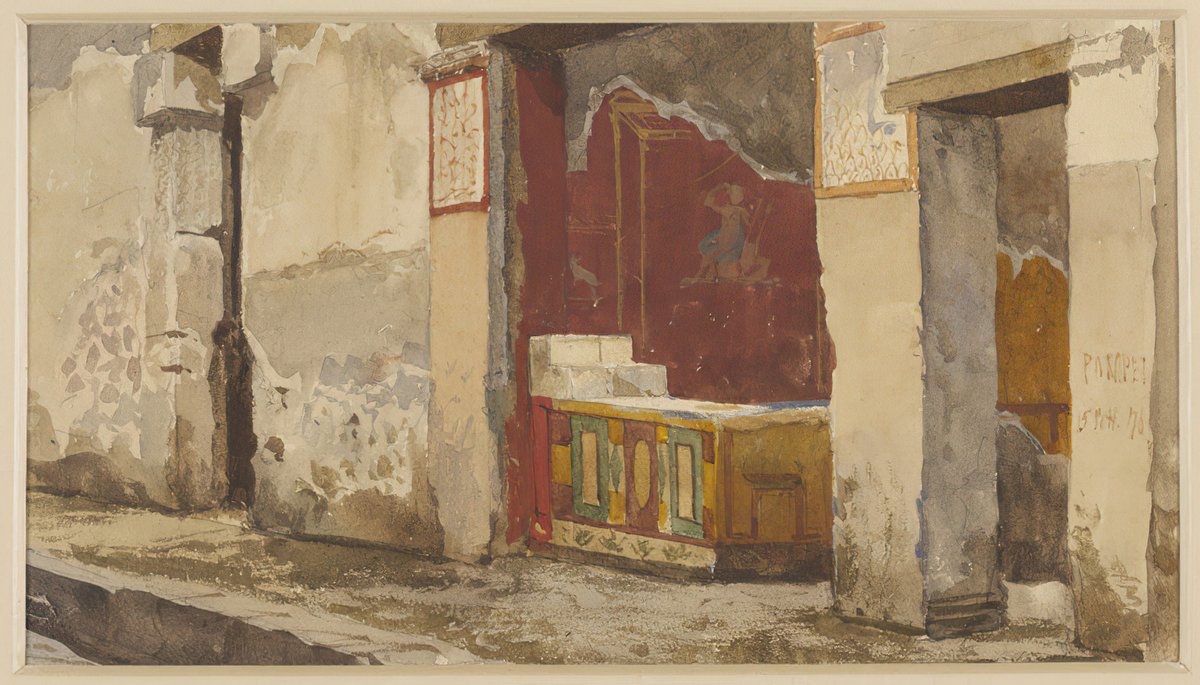
The Casa di Diana stands out for its well-preserved fresco of the goddess Diana, atrium, peristyle garden, and domestic shrine (lararium). The home’s layout and decoration are exemplary of upper-class Roman tastes (Mapcarta).
Proximity to the Temple of Apollo
Although outside Insula 2, the nearby Temple of Apollo influenced the area’s social and economic life, drawing worshippers and sustaining local commerce (Mapcarta).
Artistic and Decorative Highlights
Homes in Regio VIII Insula 2 feature Fourth Style wall paintings, geometric mosaics, and religious statuary. The art reflects both the domestic rituals and the evolving tastes of Pompeii’s residents (The Geographical Cure, Mapcarta).
Archaeological Discoveries and Research
Excavations—systematically organized since the 19th century—have uncovered a wealth of artifacts, building layouts, and frescoes, with ongoing research employing 3D mapping and digital reconstructions to further reveal the area’s secrets (Pompeii Perspectives).
Visiting Hours and Ticket Information
Opening Hours
- April to October: 9:00 AM – 7:30 PM (last entry at 6:00 PM)
- November to March: 9:00 AM – 5:00 PM (last entry at 3:30 PM)
- Note: Hours may change on holidays or for special events. Always verify with the official website.
Tickets
- Standard Ticket: Approximately €16 (adult)
- Reduced Ticket: For EU citizens aged 18–25
- Free Entry: EU citizens under 18, and other eligible categories
Tickets are available online and at site entrances, but online purchase is highly recommended to avoid queues. Guided tour and audio guide options are available for an additional fee.
Accessibility and Visitor Facilities
Accessibility
- Terrain: Ancient basalt streets are uneven, with steps and inclines. While the “Pompeii for All” route offers accessible pathways, not all areas in Regio VIII Insula 2 are wheelchair-friendly.
- Facilities: Wheelchair rentals and accessible toilets are located at main entrances.
- Rest Areas: Benches and shaded spots are limited; plan breaks accordingly.
Visitor Amenities
- Cafés: Scavi Café and CHORA Café are near main entrances.
- Restrooms: Available at park entrances and select zones.
- Water: Free drinking fountains are distributed throughout the park—bring a refillable bottle.
- Maps: Obtain a detailed map at entry or download one in advance, as onsite signage is limited.
Guided Tours
Official guided tours (2–3 hours) provide in-depth historical context and can be booked in advance or onsite. Many tours include Regio VIII Insula 2 and the Sarno Baths.
Self-Guided Options
- Audio Guides: Available for rent at entrances or via mobile apps.
- Printed Guides and Maps: Enhance understanding of site layouts and points of interest.
- Mobile Apps: Download the Audiala app for interactive audio tours and up-to-date visitor information (Audiala App).
Virtual and Augmented Reality
VR/AR experiences digitally reconstruct ancient Pompeii, offering immersive insight into its appearance and daily life. These can be booked alongside or in addition to traditional tours.
Frequently Asked Questions (FAQs)
Q: What are the opening hours for Pompeii and Regio VIII Insula 2?
A: Typically 9:00 AM–7:30 PM (summer) and 9:00 AM–5:00 PM (winter), with last entry one hour before closing. Check here for updates.
Q: How do I buy tickets?
A: Tickets are available online or at the site entrance. Online purchase is strongly advised.
Q: Is Regio VIII Insula 2 accessible to wheelchairs?
A: Some accessible pathways exist, but many areas are uneven or stepped.
Q: Are guided tours available?
A: Yes, bookable online or at the park.
Q: Can I take photos?
A: Photography is permitted, but tripods and drones are not.
Travel Tips, Packing Suggestions, and Site Etiquette
- Footwear: Wear sturdy, comfortable shoes.
- Clothing: Dress in layers; bring sun protection in summer and a rain jacket in cooler months.
- Water & Snacks: Bring a refillable water bottle and light snacks (eating permitted only in designated zones).
- Respect: Do not touch frescoes or climb on ruins. Follow all signage and staff instructions.
- Peak Times: Visit early or late in the day to avoid crowds, especially near the Forum and theatres.
- Photography: Be considerate of other visitors and site preservation guidelines.
Listen to the full story in the app
Your Personal Curator, in Your Pocket.
Audio guides for 1,100+ cities across 96 countries. History, stories, and local insight — offline ready.
Audiala App
Available on iOS & Android
Join 50k+ Curators
Sources
- verified
-
verified
Pompeii Perspectives, n.d
Excavation History and Urban Layout
-
verified
The Geographical Cure, n.d
Ultimate Guide to Pompeii
-
verified
Mapcarta, n.d
Pompeii Regio VIII Location and Features
-
verified
Audiala App, n.d
Pompeii Audio Guides and Visitor Resources
Last reviewed: