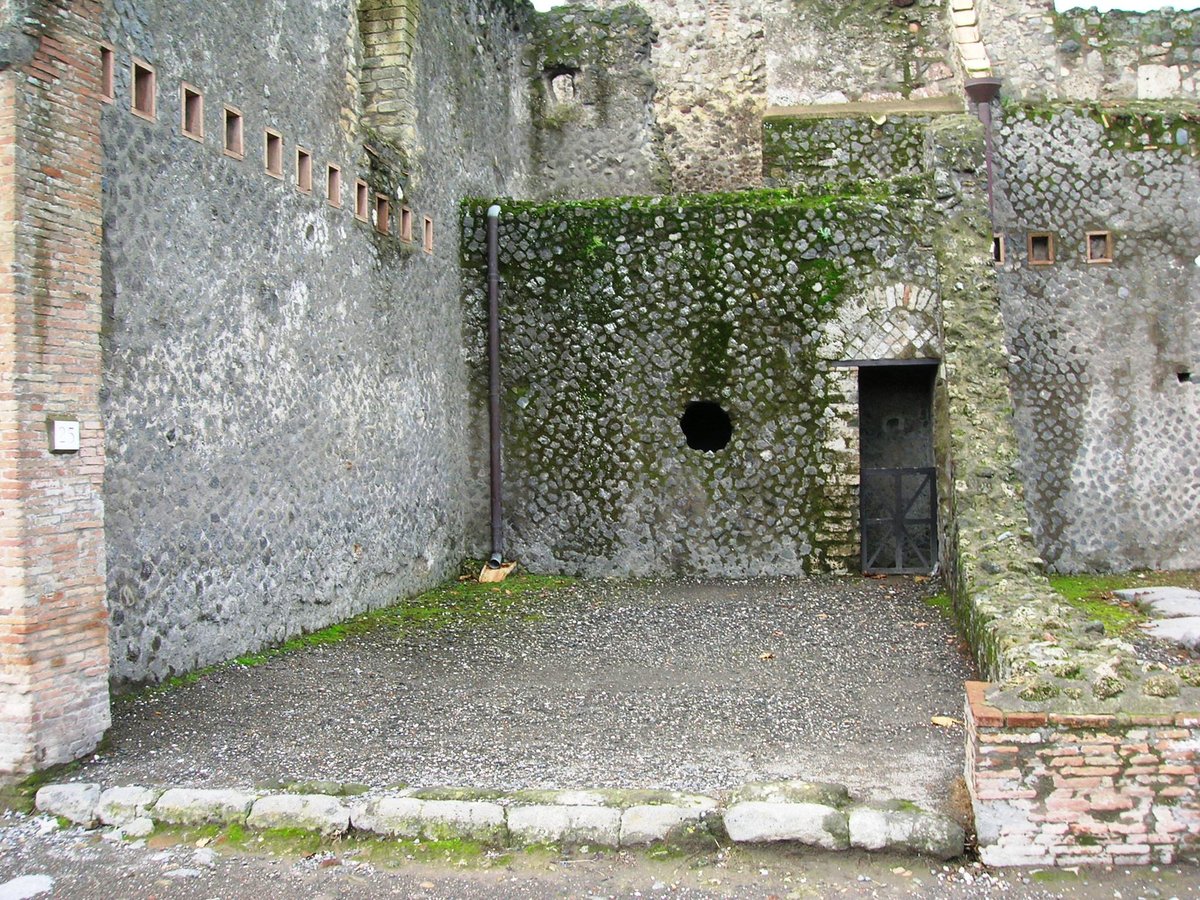
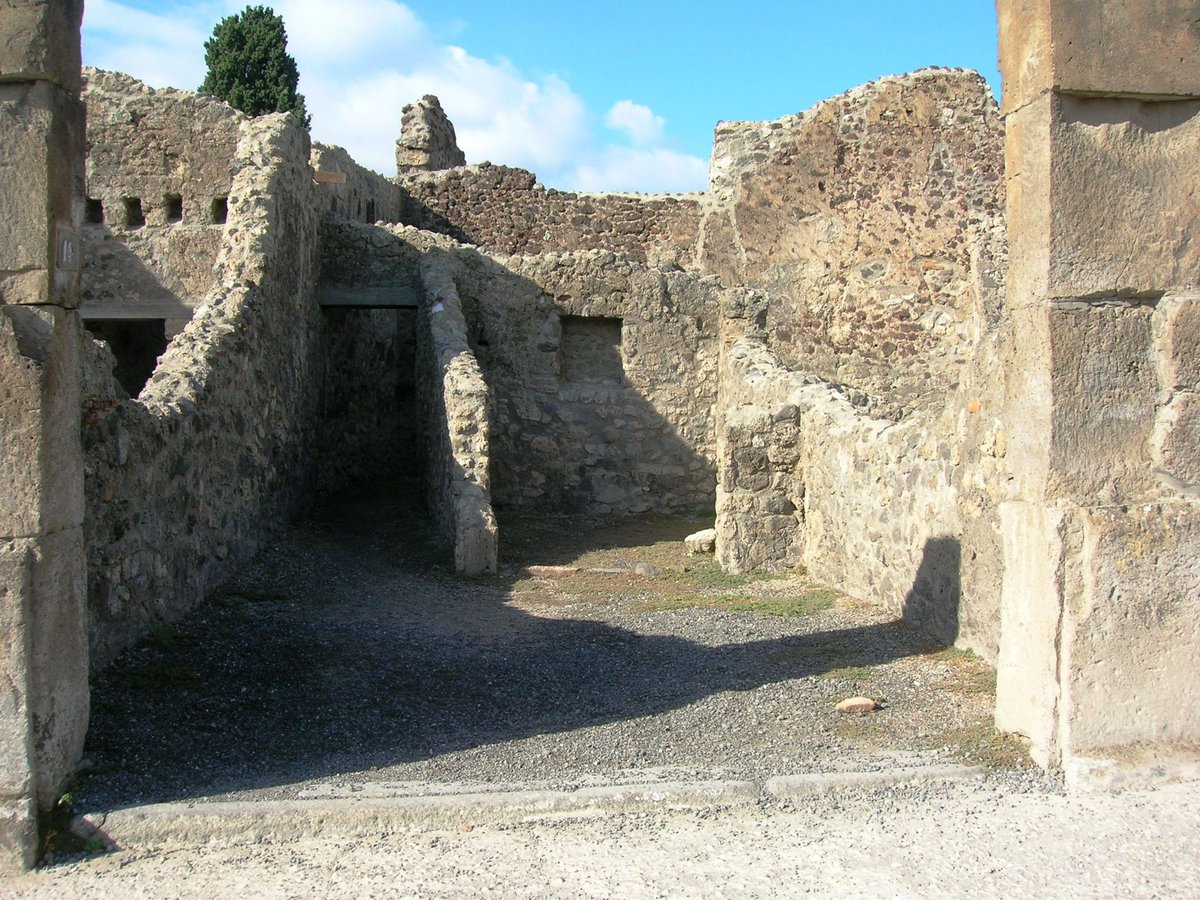
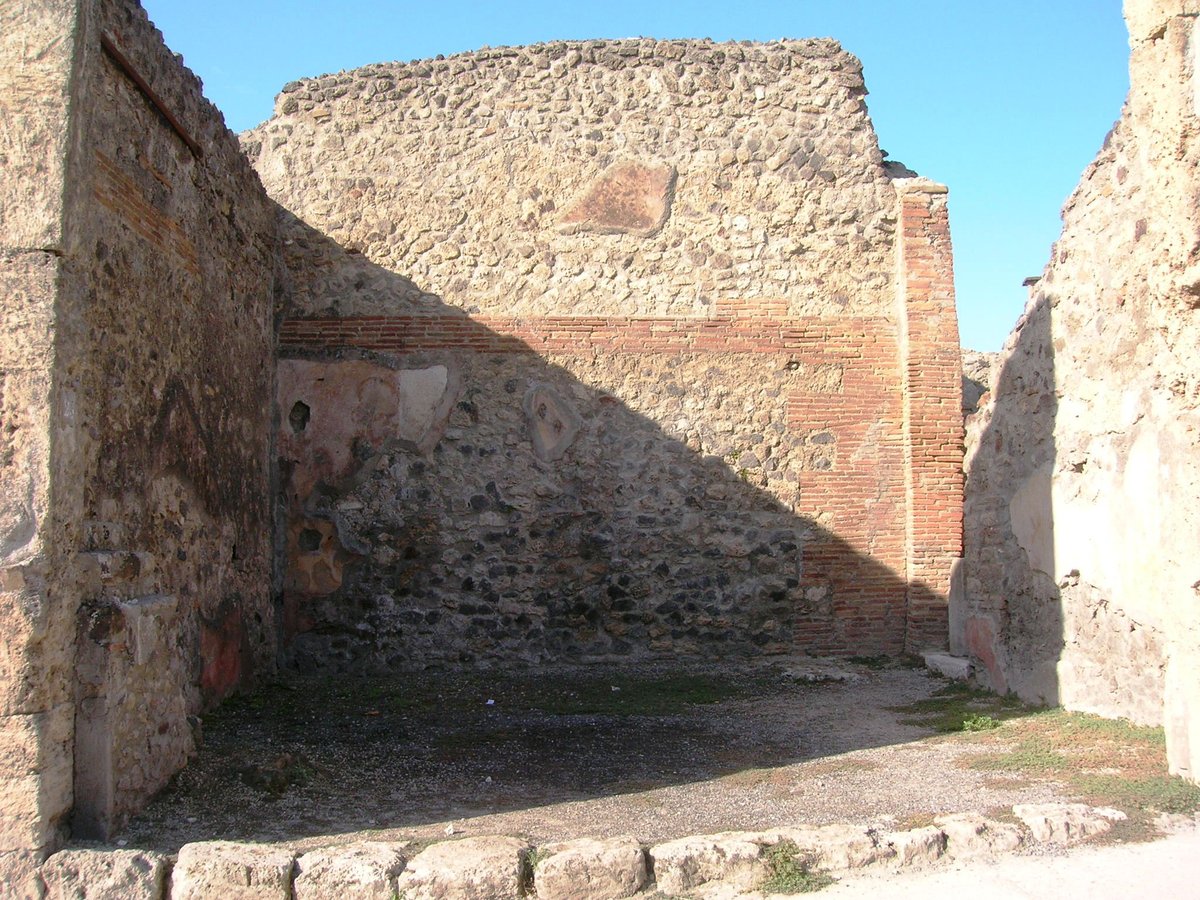
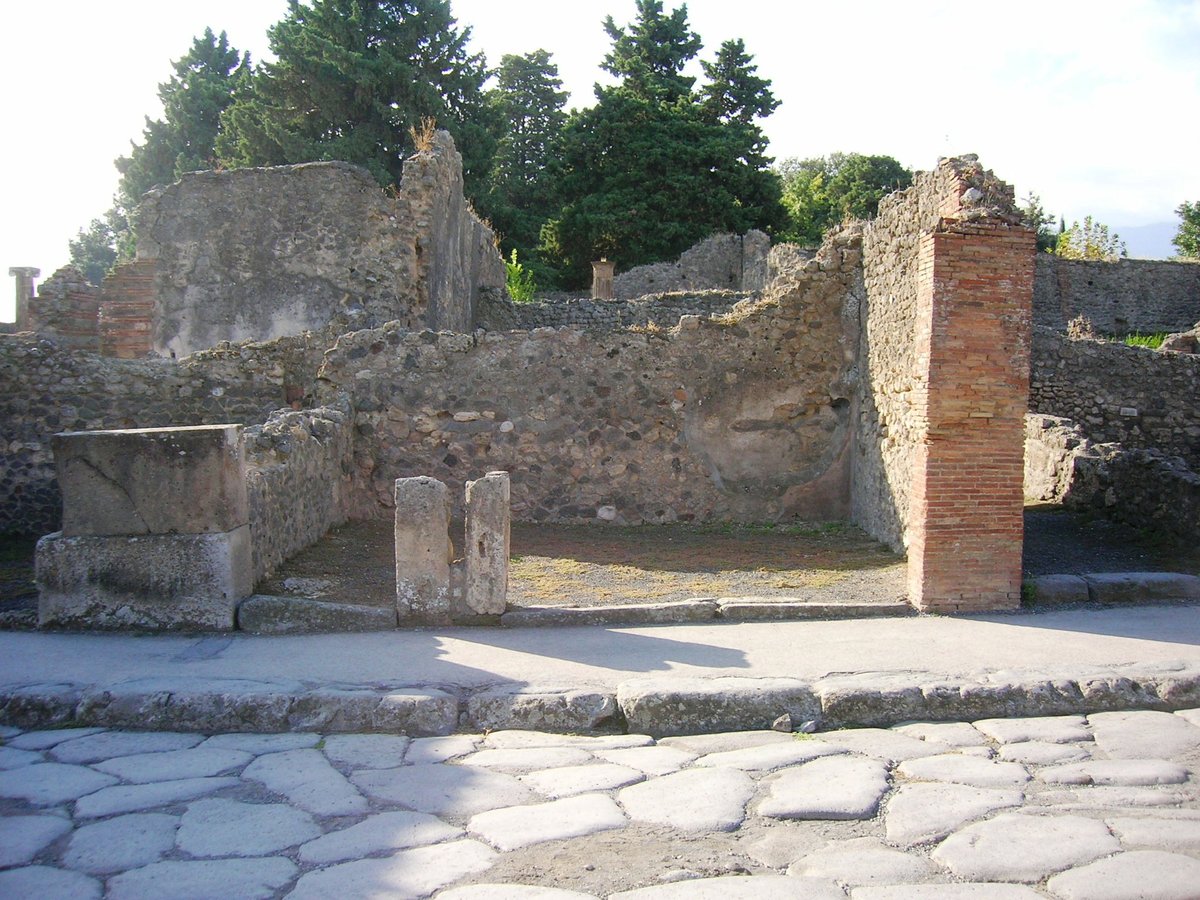
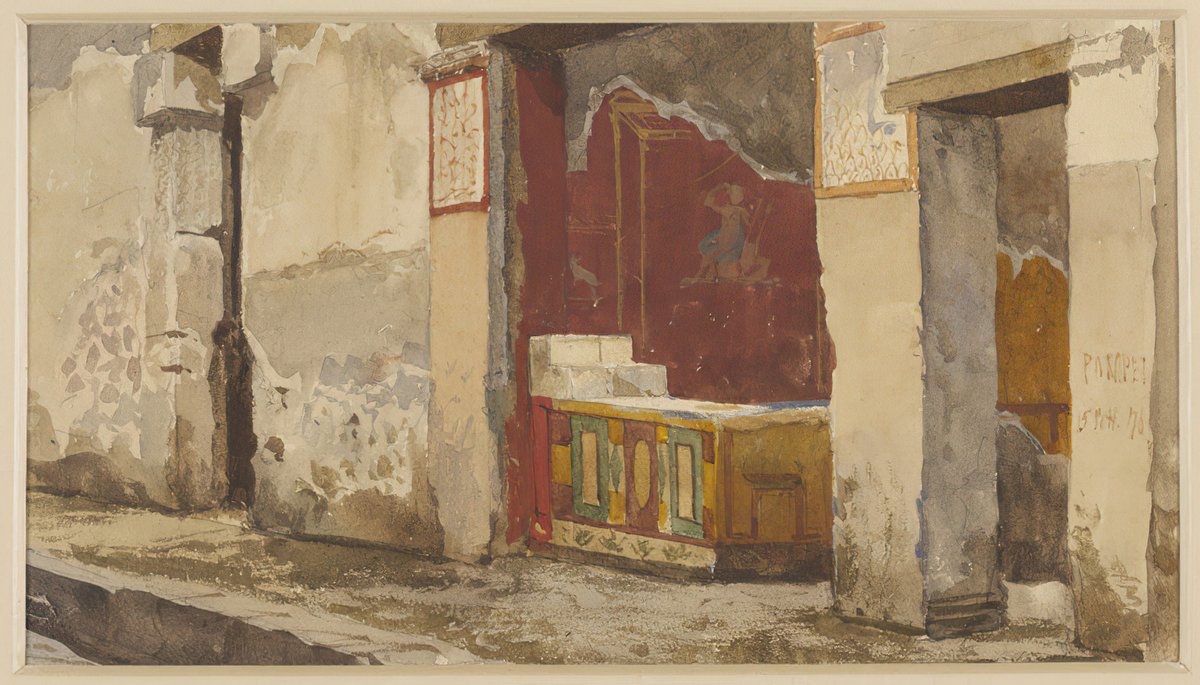
Introduction: Discovering Regio I Insula 9
Pompeii, a city immortalized by the catastrophic eruption of Mount Vesuvius in 79 CE, is a treasure trove for historians and travelers alike. Among its labyrinthine streets, Regio I Insula 9 stands out as a remarkable window into the daily rhythms, social diversity, and urban character of Roman life. This guide provides a detailed overview of Insula 9’s historical context, notable sites, and practical information—ensuring you experience the best of Pompeii’s living history.
For up-to-date details on opening hours, ticketing, and conservation, consult resources like Cultured Voyages, Pompeii Sites, and Madain Project.
Understanding Pompeii’s Urban Structure
Pompeii, situated in Italy’s Campania region near Naples, was divided by archaeologists into nine regions (regiones), each containing several insulae (blocks). This system, introduced by Giuseppe Fiorelli in the 19th century, helps researchers and visitors navigate the ancient city’s complex layout (Madain Project). The city’s preservation under volcanic ash has yielded an unparalleled archaeological record, from grand houses and shops to public spaces and artifacts, offering deep insights into Roman society (Cultured Voyages).
Regio I: Setting and Features
Located in Pompeii’s southern sector, Regio I borders the busy Via dell’Abbondanza. This region encompasses a diverse mixture of residential, commercial, and artisanal buildings—showcasing the spectrum of Pompeian life. Notable landmarks in Regio I include the House of Menander, House of the Europa Ship, and Garden of the Fugitives (Madain Project).
Insula 9: Layout and Excavation
Insula 9 is a rectangular city block, approximately 34 meters long, with its northern edge facing the lively Via dell’Abbondanza and its southern boundary connecting to quieter streets near the amphitheater (Pompeii Perspectives). Excavated primarily in the 1950s and documented further by digital projects, Insula 9 reveals a blend of social classes and building functions (Donovan Images).
Key Features
- Residential domus: Houses with atria, peristyles, and frescoed walls.
- Shops (tabernae): Street-facing stores serving residents and travelers.
- Workshops: Artisan spaces, bakeries, and laundries.
Architectural Highlights & Daily Life
Insula 9’s architecture reflects Pompeian domestic and commercial life. Houses such as the House of the Fruit Orchard are famed for their lush frescoes, while bakeries and laundries provide tangible evidence of the neighborhood’s economic vitality (Cambridge Amarantus). Many homes feature atria (central halls), peristyles (columned gardens), and household shrines (lararia), offering a glimpse into daily routines and religious practices.
Notable Structures
- Casa di I.9.1 & I.9.2: Middle-class homes with preserved wall paintings and peristyle gardens.
- Bakery (Pistrinum) at I.9.7: Contains a large oven and millstones, confirming bread production.
- Fullonica (Laundry) at I.9.10: Equipped with washing basins and treading areas, reflecting local trades.
Socio-Economic Insights
The mix of luxurious residences, modest dwellings, and commercial establishments in Insula 9 paints a picture of a socially diverse neighborhood. The evolution of some homes—subdivided or converted into shops—mirrors broader urban trends and economic adaptation (Donovan Images). Archaeological finds, including pottery, coins, and tools, further illuminate the lives of artisans, merchants, and families who once inhabited the block.
Visitor Information: Hours, Tickets, Accessibility
Opening Hours
Pompeii Archaeological Park, including Regio I Insula 9, is generally open daily:
- April to October: 9:00 AM – 7:30 PM
- November to March: 9:00 AM – 5:00 PM
Check the official website for the most current visiting hours.
Tickets
- Standard adult ticket: ~€16
- Discounts: Available for EU citizens (18–25), free for children under 18
- Combination tickets: Include entry to Herculaneum and the Naples Archaeological Museum
- Purchase: Online (recommended) or at entrance gates (Piazza Esedra, Piazza Anfiteatro) (Pompeii Sites)
Accessibility
While modern improvements have increased accessibility (ramps, marked paths), some uneven surfaces remain due to ancient construction. Consult the official accessibility map or contact visitor services for detailed information.
Nearby Attractions
- Naples National Archaeological Museum: Home to many Pompeii artifacts.
- Herculaneum: Another city buried by Vesuvius, offering a different archaeological perspective.
- Amphitheater & Forum: Major sites within Pompeii, easily combined with a visit to Insula 9.
Frequently Asked Questions (FAQ)
Q: What are the opening hours of Regio I Insula 9?
A: Typically 9:00 AM to 7:30 PM (April–October), 9:00 AM to 5:00 PM (November–March). Check the official site for updates.
Q: How do I buy tickets?
A: Purchase online via the official website or at park entrances. Advance booking is recommended.
Q: Is Insula 9 accessible for people with disabilities?
A: Some areas are accessible; however, ancient terrain means certain spots remain difficult. Review the official accessibility map.
Q: Are guided tours available?
A: Yes, in multiple languages. Book through the official site or on location.
Q: Can I take photographs?
A: Non-flash photography is permitted; tripods and drones are not allowed.
Listen to the full story in the app
Your Personal Curator, in Your Pocket.
Audio guides for 1,100+ cities across 96 countries. History, stories, and local insight — offline ready.
Audiala App
Available on iOS & Android
Join 50k+ Curators
Sources
- verified
- verified
- verified
- verified
- verified
- verified
- verified
- verified
Last reviewed: