Introduction
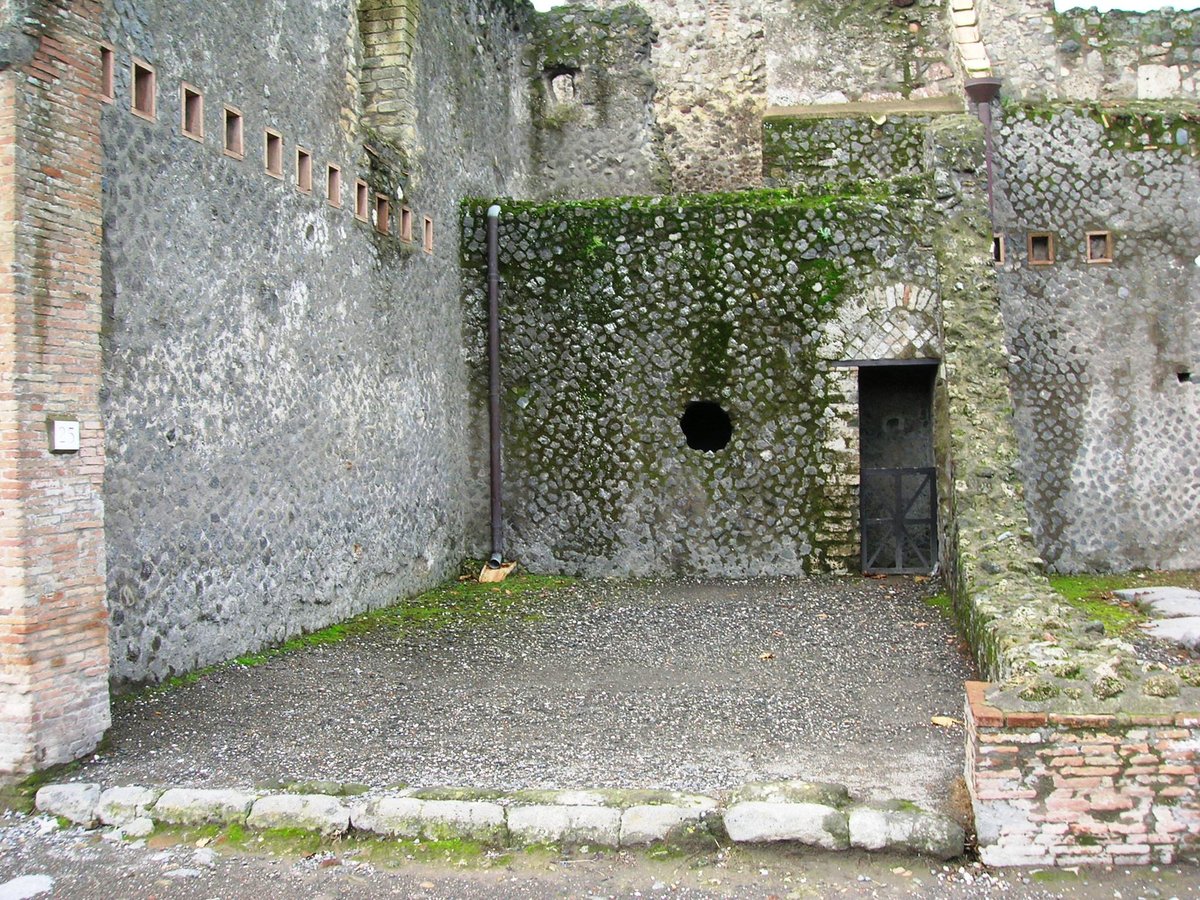
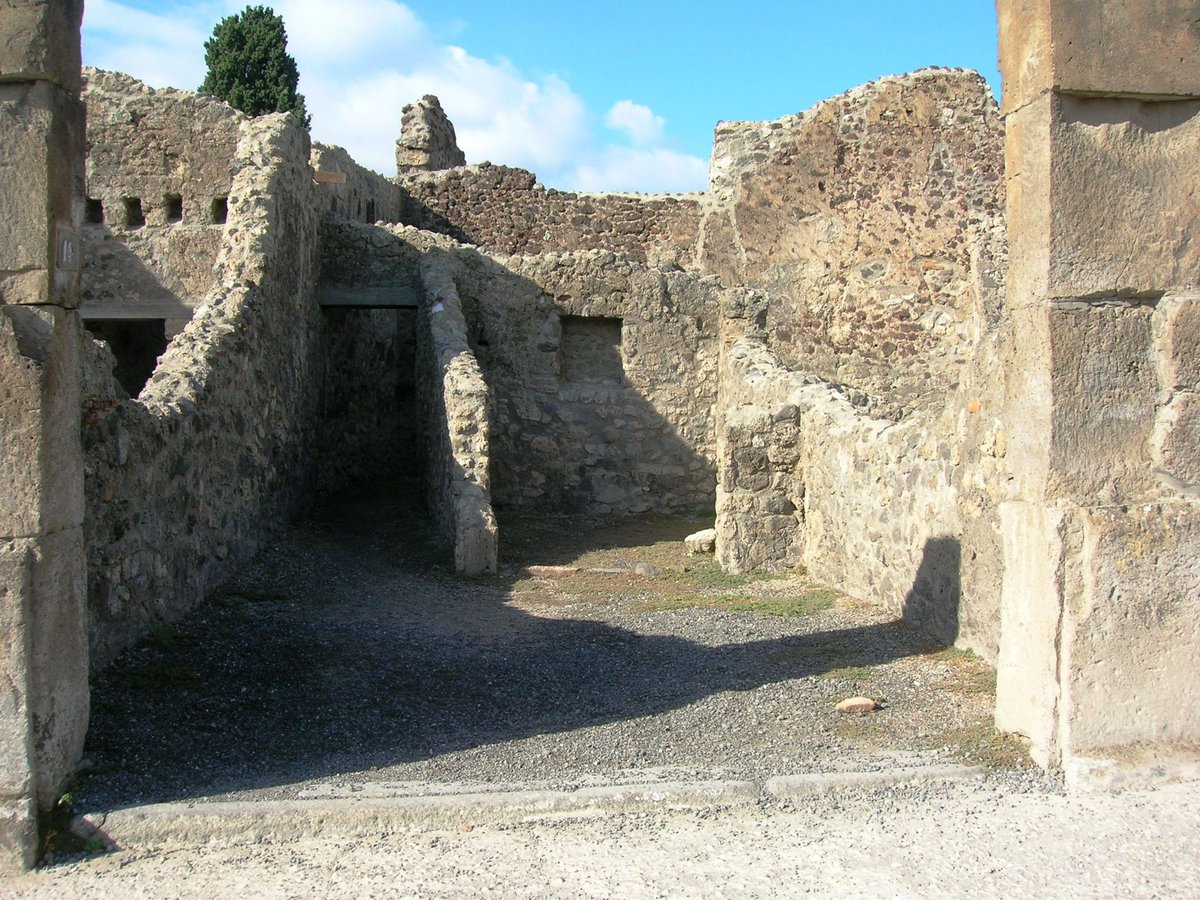
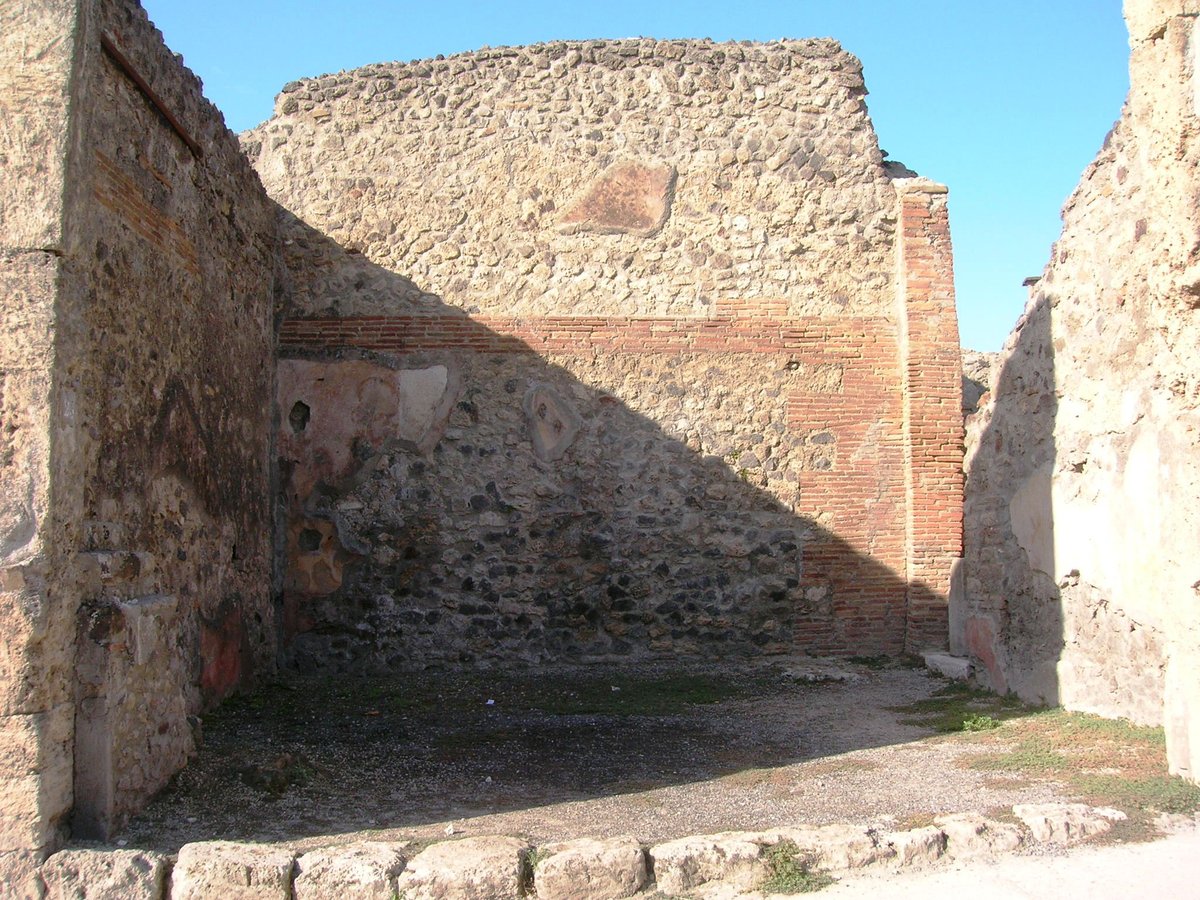
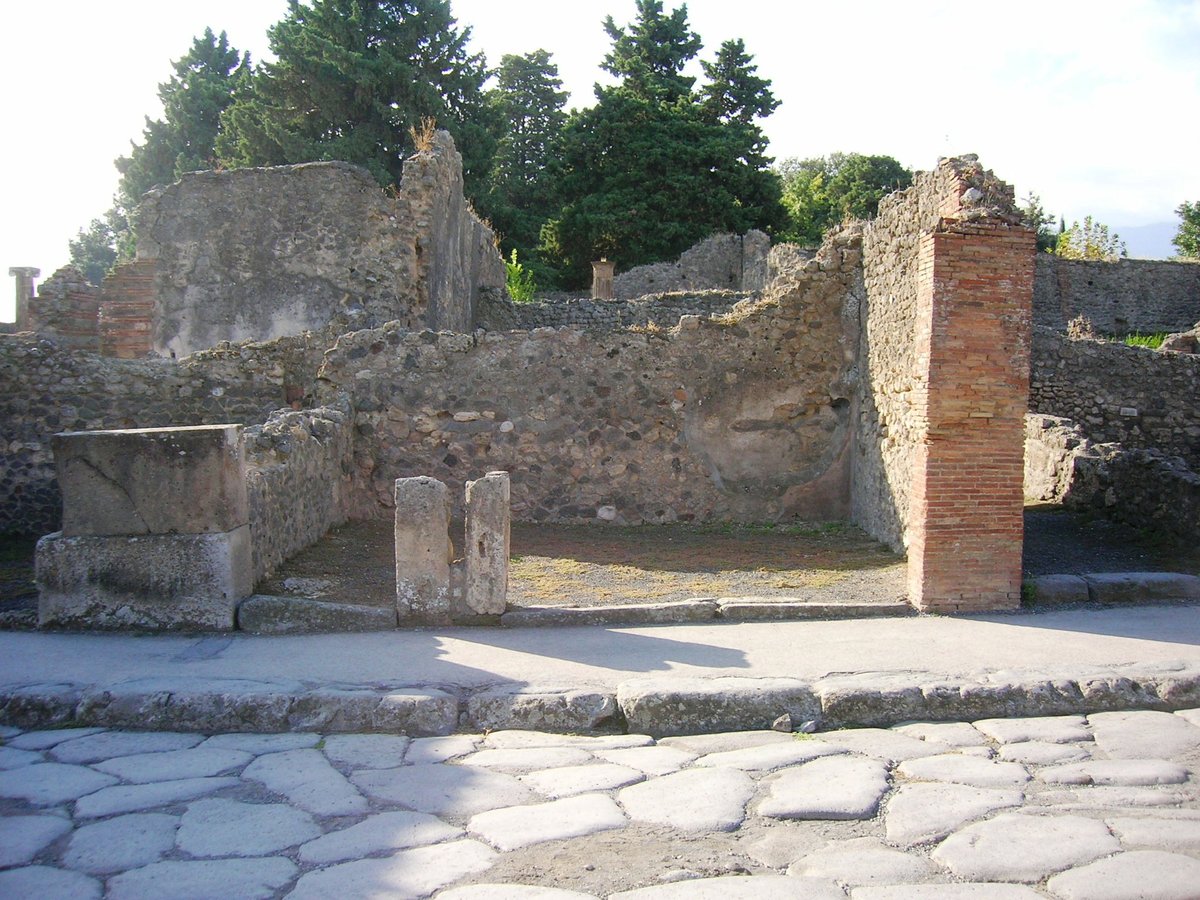
Pompeii, the ancient Roman city near Naples, stands as one of the world’s most evocative archaeological sites. Buried in 79 AD by the catastrophic eruption of Mount Vesuvius, Pompeii preserves a vivid cross-section of Roman life—its streets, homes, public spaces, and, just outside the city walls, its necropolises. These burial grounds, including the renowned Porta Nocera, Porta Ercolano, and Porta Sarno necropolises, offer a profound window into funerary customs, social hierarchies, and the cultural values of ancient Rome. Recent archaeological discoveries, such as the life-size funerary relief at Porta Sarno, have further enriched our understanding of gender roles, religious practices, and commemorative traditions. This guide provides a comprehensive overview of the necropolises’ history, layout, significant findings, as well as practical information on visiting hours, tickets, accessibility, and tips for maximizing your experience (Pompeii Archaeological Park, Field Sciences, Wikipedia).
Historical Context: Pompeii and Its Necropolises
Pompeii’s necropolises originated from Roman laws that forbade burials within city boundaries. As a result, extensive cemeteries developed along the roads leading out from city gates such as Porta Nocera, Porta Ercolano, and Porta Sarno (Field Sciences). These burial grounds served not only as final resting places but also as sites of public memory and social display, immortalizing the status and achievements of the deceased through inscriptions, reliefs, and tomb architecture (Pompeii Excavations Guide PDF).
Social Structure and Funerary Practice
The diversity of tombs—from modest graves to monumental mausoleums—mirrors the social complexity of Pompeian society. Freedmen, elites, and even prominent women are memorialized here, their tombs reflecting both personal histories and broader cultural values. Rituals and commemorations, often held at these sites, reinforced community bonds and familial prestige.
Necropolis Layout and Architectural Features
Arrangement and Setting
Pompeii’s necropolises are organized linearly along major roadways, creating a dramatic approach into and out of the city. Key necropolises include:
- Porta Nocera Necropolis: Dense with inscriptions and reliefs, revealing rich funerary traditions.
- Porta Ercolano Necropolis: Features a range of tomb types, including elaborate mausoleums and schola tombs dedicated to prominent citizens.
- Porta Sarno Necropolis: The focus of recent archaeological discoveries (Wikipedia).
Types of Tombs
- Schola Tombs: Public benches erected by the city to honor notable citizens (e.g., the priestess Mamia).
- Chamber Tombs: Substantial, often family-owned, sometimes with altars or statues.
- Cubic and Enclosure Tombs: Range from simple cubes to walled family plots.
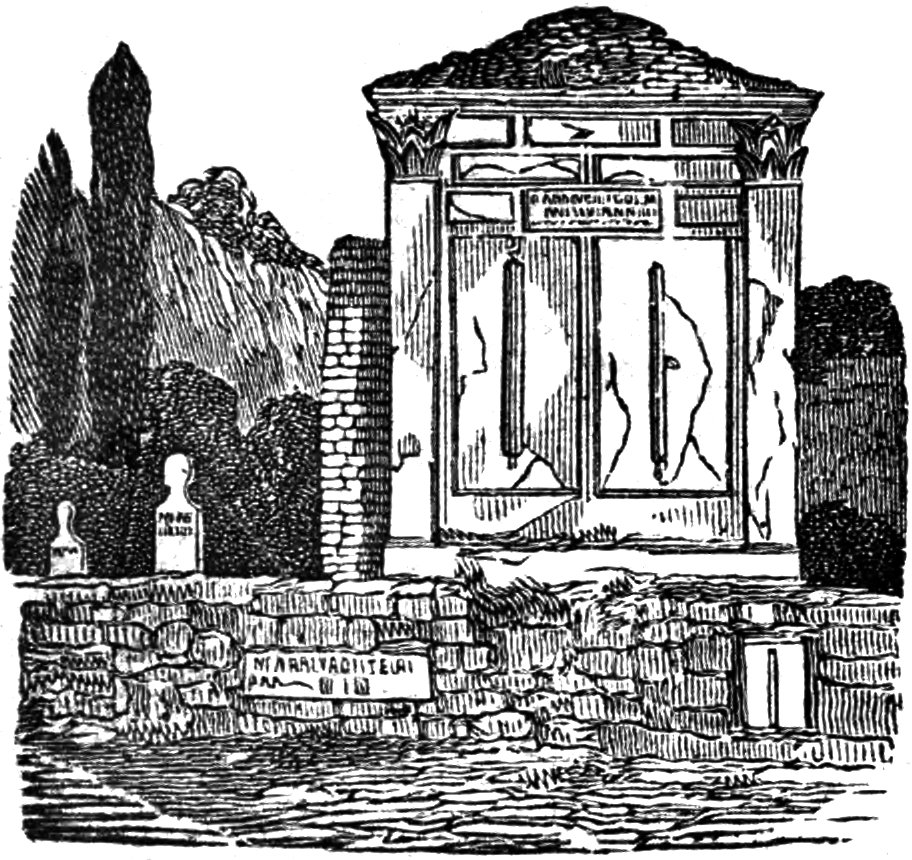
- Aediculae: Shrine-like tombs with decorative façades.
- Stelae and Funerary Arches: Stone markers or arches serving as grave markers (madainproject.com).
These varied forms reflect both the evolving funerary practices and the aspirations of Pompeii’s inhabitants.
Social and Cultural Significance
Necropolises were not isolated graveyards but active spaces for ritual, display, and competition. Public honors were bestowed through tombs for both men and women, including freedmen and priestesses, highlighting a complex and diverse societal structure (ermakvagus.com).
Recent Discoveries and Research
Porta Sarno: Life-Size Funerary Relief
In 2024, archaeologists uncovered a monumental tomb at Porta Sarno with a high-relief sculpture depicting a man and woman, likely a married couple of high status (arkeonews.net; allthatsinteresting.com). The female figure, holding a laurel aspergillum, suggests her role as a priestess of Ceres—a significant insight into women’s public and religious roles in Pompeii.
The relief, carved from volcanic stone, was part of a tomb originally over five feet tall, and is currently undergoing restoration at the Palaestra Grande. This discovery is featured in the "Being a Woman in Ancient Pompeii" exhibition, further illuminating gender dynamics and funerary art (arkeonews.net, popularmechanics.com).
Funerary Practices and Artifacts
Excavations at Porta Sarno have revealed over 50 cremation burials, marked by stelae and funerary arches. Ceramics and glass ointment jars indicate elaborate libation ceremonies, highlighting the multisensory nature of Roman funerals (arkeonews.net).
Human Dimension: Plaster Casts
The plaster casts of Pompeii’s eruption victims—created by filling body-shaped voids in the ash—are displayed throughout the site, offering a poignant human connection to the ancient tragedy (kristatheexplorer.com).
Visiting Information: Hours, Tickets, Accessibility
Visiting Hours
- April to October: 9:00 AM – 7:30 PM (last entry 6:00 PM)
- November to March: 9:00 AM – 5:00 PM (last entry 3:30 PM)
- Hours may vary on holidays or during restoration; always check the official website before your visit.
Tickets and Admission
- General admission includes access to necropolises.
- Ticket price: Approx. €24 adults, €3 for under-18s (2025 rates) (Italy Sights).
- Purchase tickets online via the official website to avoid queues. Credit cards accepted; ATMs at Porta Marina.
- Combination tickets available for sites like Herculaneum.
Accessibility
- The "Pompeii for All" accessible route covers major highlights (~3.5 km), but necropolises have uneven surfaces—wheelchair users should check accessibility updates beforehand (Cultured Voyages).
Travel Tips and Nearby Attractions
- Wear sturdy shoes; surfaces are uneven.
- Bring water and sun protection.
- Restrooms are at main entrances.
- Only small snacks allowed; cafes near entrances.
- For a full-day experience, combine necropolis visits with city highlights or a trip to Mount Vesuvius (Cultured Voyages).
Guided Tours and Special Events
- Guided tours (2 hours) are highly recommended for deep context and often include skip-the-line access (It’s a Drama).
- Audio guides and maps are available at entrances.
- Special exhibitions and events are occasionally held; check the official site for announcements.
Family Visits and Photography
- Reduced admission for children; educational for older children and teens.
- Photography allowed for personal use; tripods and drones require permission.
- Respect the site: do not touch frescoes or climb on tombs.
Frequently Asked Questions (FAQ)
Q: What are the Pompeii Necropolis visiting hours?
A: Typically 9:00 AM–7:30 PM in summer, 9:00 AM–5:00 PM in winter. Confirm on the official website.
Q: How do I buy tickets?
A: Online via the official Pompeii Archaeological Park website or at the entrance.
Q: Are the necropolises wheelchair accessible?
A: Accessibility is partial; some routes are accessible, but many necropolis areas have uneven surfaces.
Q: Can I take photographs?
A: Yes, for personal use. Tripods and drones require special permission.
Q: Are guided tours available?
A: Yes, and they are recommended for deeper understanding.
Q: Where can I find more information?
A: Pompeii Archaeological Park official site and Field Sciences project page.
Visuals and Multimedia
- Pompeii Virtual Tour: Explore interactive maps and high-resolution images of the necropolises.
- [Image: Life-size funerary relief at Porta Sarno necropolis, Pompeii](alt="Life-size funerary relief sculpture of a man and woman at Pompeii's Porta Sarno necropolis")
- [Image: Plaster casts of Pompeii eruption victims](alt="Plaster casts capturing the final poses of Pompeii eruption victims")
- [Image: Map of Pompeii necropolises and city gates](alt="Map showing the location of Pompeii necropolises near city gates")
Listen to the full story in the app
Your Personal Curator, in Your Pocket.
Audio guides for 1,100+ cities across 96 countries. History, stories, and local insight — offline ready.
Audiala App
Available on iOS & Android
Join 50k+ Curators
Sources
- verified
- verified
- verified
- verified
- verified
- verified
- verified
- verified
Last reviewed: