Introduction
The Palaestra of the Iuvenes—also known as the “Small Palaestra” or “Palaestra Grande”—is a striking monument to ancient Roman athleticism and youth culture, located within the archaeological ruins of Pompeii. Far more than a gymnasium, this complex was a hub of physical training, civic education, and elite socialization, playing a vital role in shaping Pompeii’s future leaders. Its close connection to the prestigious collegium iuvenum (youth association) highlights its significance within the city’s social and political fabric.
Today, the Palaestra offers visitors a vivid window into the customs, values, and daily routines of Roman youth. Its strategic location near the amphitheater and other major landmarks underscores its importance in Pompeii’s urban landscape. This comprehensive guide provides essential historical context, practical visitor information—including hours, tickets, accessibility, and tours—and expert travel tips to help you make the most of your visit.
For further information and in-depth historical resources, see Pompeii Archaeological Park, World History Encyclopedia, and Pompeiisites.org.
The Palaestra of the Iuvenes is a testament to the Roman ideal of mens sana in corpore sano—“a sound mind in a sound body.” Built during the Augustan period, this athletic complex was integral to elite youth education, focusing on physical training, civic responsibility, and preparation for leadership roles (World History Encyclopedia). Membership in the collegium iuvenum was a privilege reserved for freeborn males from prominent families, marking the transition to full civic participation.
The Palaestra’s proximity to Pompeii’s amphitheater and forum placed it at the heart of public life, serving as a venue for athletic competitions, public festivals, and imperial cult ceremonies. Through its architecture and inscriptions, the site reflects the entwined values of athletic excellence, social hierarchy, and civic ambition.
Architectural Features and Site Layout
Central Courtyard and Porticoes:
The Palaestra occupies a vast rectangular plot (approximately 140 x 107 meters), featuring a central open courtyard used for athletic training and public gatherings. The courtyard is surrounded on three sides by Doric colonnaded porticoes, providing shaded walkways and rest areas for athletes and spectators (Maria Milani).
Swimming Pool (Natatio):
A key highlight is the large rectangular swimming pool (about 34 x 22 meters) on the eastern side, lined with hydraulic mortar for waterproofing—an example of advanced Roman engineering (World Travel Connector).
Auxiliary Rooms:
Rooms along the western side near the main entrance served as changing rooms (apodyteria), storage, and administrative offices, with mosaic floors and stone benches (Holidify).
Decorative Elements:
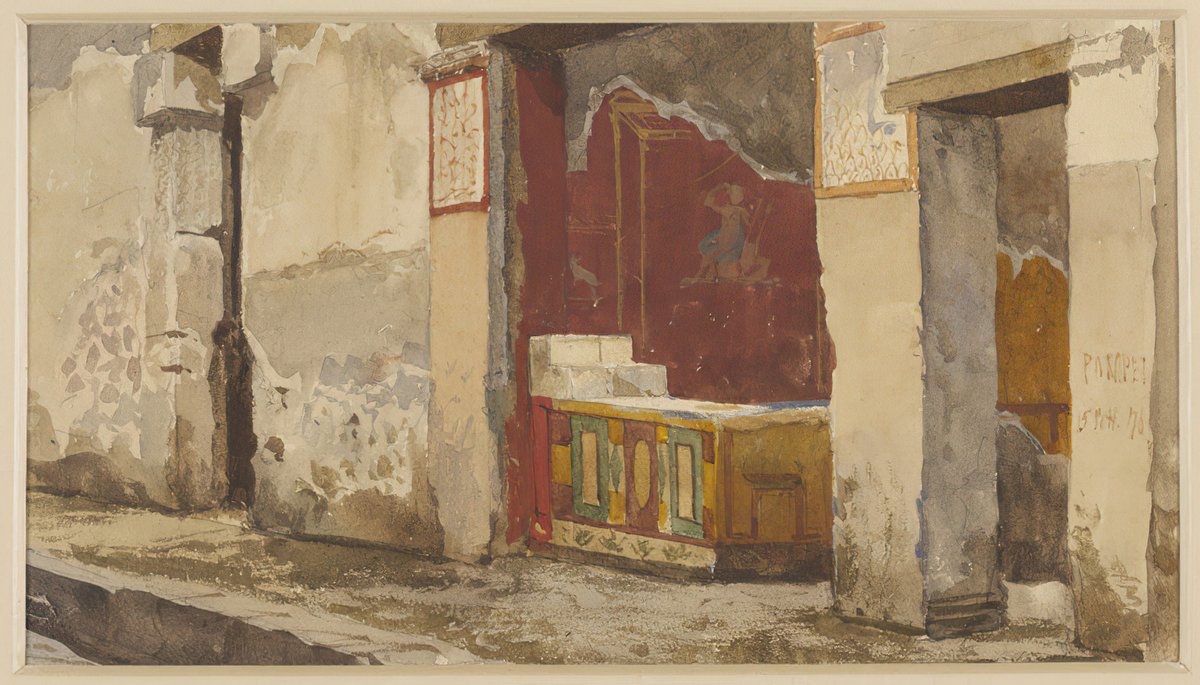
Traces of frescoes, stucco ornamentation, and ancient graffiti enrich the site, revealing athletic scenes, mythological motifs, and everyday expressions of Pompeii’s youth (The Travel).
Social Role and Daily Activities
The Palaestra was the training ground for Pompeii’s youth association, the collegium iuvenum. Activities included wrestling, running, boxing, and swimming, often supervised by trainers. Physical training was paired with lessons in rhetoric and philosophy, preparing young men for civic duties and military service (Pompeii Archaeological Park). The site also hosted public competitions, religious festivals, and celebrations honoring athletic achievements, reinforcing social networks and family prestige.
Gender, Class, and Exclusion
Participation at the Palaestra was strictly limited to elite, freeborn males. Women, slaves, and lower-class citizens were excluded from athletic training, although they could attend public games as spectators. This exclusivity reflected broader Roman social and gender hierarchies, with physical education considered a defining element of masculine virtue (Pompeiisites.org).
Integration with Pompeii’s Urban Landscape
The Palaestra’s location adjacent to the amphitheater and city gate highlights its accessibility and centrality within Pompeii’s public sphere. Its open, green layout provided a recreational contrast to the city’s densely built neighborhoods, while its monumental gateways and colonnades echoed the grandeur of other public buildings. The complex was an essential venue for athletic, civic, and religious events, connecting physical excellence with broader cultural and political values (World History Encyclopedia).
Archaeological Discoveries and Preservation
Excavations have uncovered exercise equipment, dedicatory inscriptions, frescoes, and everyday graffiti, shedding light on the routines, ambitions, and social dynamics of Pompeii’s youth. Notable finds include plaster casts of Vesuvius’s eruption victims and rare examples of ancient Roman toilets within the site. Conservation efforts focus on stabilizing structures, restoring decorative elements, and improving accessibility for modern visitors (Pompeii Archaeological Park).
Visiting Information
Hours and Tickets
- Opening Hours:
- April–October: 9:00 am – 7:00 pm (last entry 5:30 pm)
- November–March: 9:00 am – 5:00 pm (last entry 3:30 pm)
- Verify current hours on the official website.
- Ticket Prices:
- Standard adult: €19
- Reduced (EU youth 18–25): discounted
- Children under 18: free
- Advance booking via TicketOne.it is highly recommended, especially in peak season.
- Free entry on the first Sunday of each month (visitor caps apply) (Helen on Her Holidays).
Accessibility
- Pathways: The “Pompei for All” accessible route covers major highlights, including the Palaestra. Some areas remain challenging due to ancient paving.
- Facilities: Accessible restrooms, wheelchair rentals, and first aid stations are available at main entrances (Pompeii Ticketing).
Guided Tours and Audio Guides
- Official Guided Tours: Multilingual tours (2–3 hours) cover the Palaestra, amphitheater, and forum.
- Audio Guides: Available for rent for a flexible self-guided experience.
- Virtual/Augmented Reality Tours: Pompeii VR Experience with AR glasses offers immersive reconstructions (The Pompeii).
Nearby Attractions
- Amphitheater: One of the oldest surviving Roman amphitheaters.
- Forum: Pompeii’s political and religious heart.
- Villas and Temples: Rich examples of Roman domestic and sacred architecture.
- Rest Areas: Cafés, shops, and picnic spots are located near main entrances and key sites.
Travel Tips
- Arrive Early: Avoid peak crowds and midday heat.
- Wear Comfortable Shoes: Ancient streets are uneven and cobbled.
- Hydration and Sun Protection: Bring water, sunscreen, and a hat.
- Navigation: Download offline maps or use the official Pompeii app.
- Respect Site Etiquette: Stay on marked paths, avoid touching ancient structures, and follow photography guidelines.
Frequently Asked Questions (FAQ)
Q: What are the Palaestra’s opening hours?
A: Generally 9:00 am–7:00 pm (April–October), 9:00 am–5:00 pm (November–March). Last entry is typically 90 minutes before closing. Check official updates.
Q: Are tickets included with Pompeii admission?
A: Yes. No separate ticket is required for the Palaestra.
Q: Is the site accessible for wheelchairs?
A: The “Pompei for All” route covers major highlights. Some ancient surfaces are uneven.
Q: Are guided tours available?
A: Yes, official multilingual tours and audio guides are available.
Q: Can I take photos in the Palaestra?
A: Non-commercial photography is allowed. Drones require special permission.
Listen to the full story in the app
Your Personal Curator, in Your Pocket.
Audio guides for 1,100+ cities across 96 countries. History, stories, and local insight — offline ready.
Audiala App
Available on iOS & Android
Join 50k+ Curators
Sources
- verified
- verified
- verified
- verified
Last reviewed: