
Historical Background
Ancient Roman Influence
The Natatio in Trecase is described as part of a larger Roman bath complex dating to the 1st century AD. A natatio, from the Latin word for swimming, was an open-air pool in a Roman bath complex, used for exercise, relaxation, and social gatherings.
A separate Roman bath complex was recently unearthed beneath the P.E. Murmura school in Vibo Valentia. Its remains include niches, columns, and a large swimming pool lined with colorful marble. That bathhouse dates to the Late Republic (200 B.C.E. to 27 B.C.E.) and early Imperial Rome (27 B.C.E. to the 3rd century C.E.) (All That's Interesting).
The Natatio in Trecase would have been part of a broader bathing complex that included a caldarium (hot room), tepidarium (warm room), and frigidarium (cold room). Furnaces and air ducts heated these rooms, while furnaces beneath the pool would have kept the Natatio at a pleasant temperature year-round.
During the Middle Ages, the vast woods surrounding Trecase served as royal hunting grounds for Frederick II of Swabia and his court. In 1337, the King of Naples' brother donated the holdings to three monastic communities, giving the area its modern name.
What to See
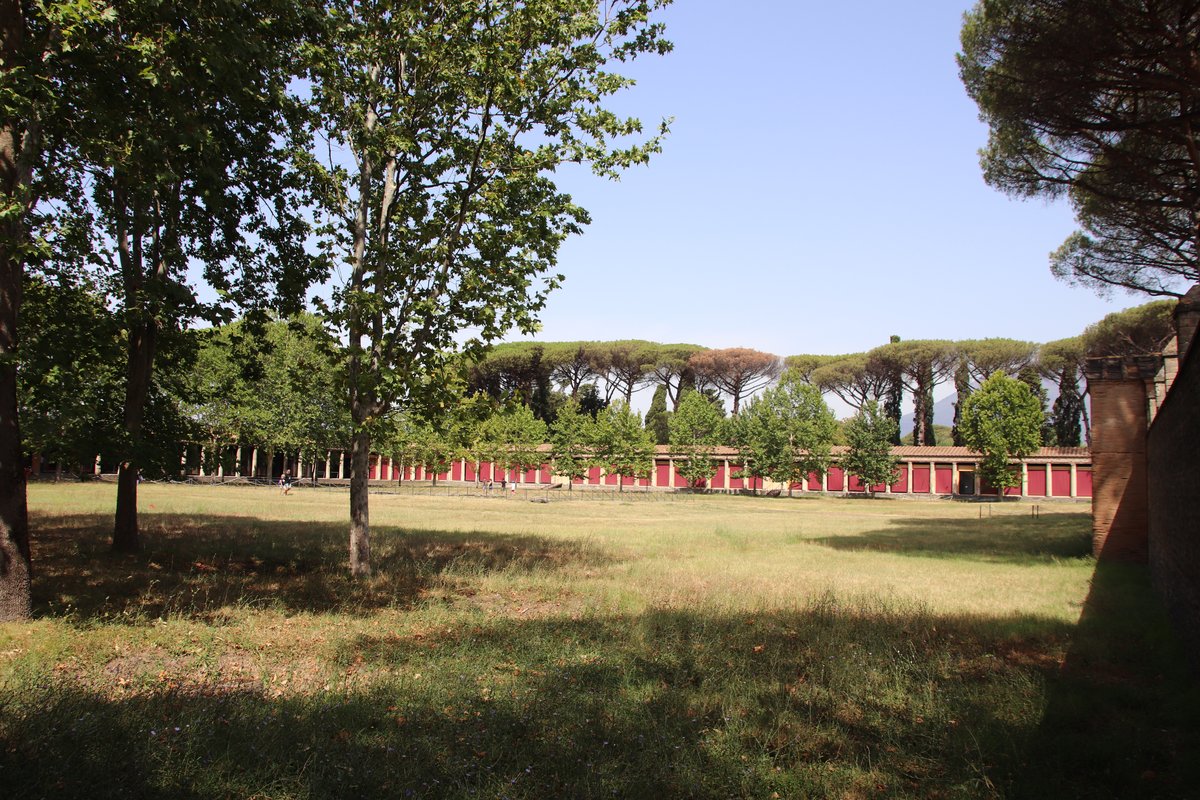
The Natatio would have been an open-air pool surrounded by high walls and decorated with columns and statues. The walls were likely approximately 20 meters high, and the pool measured around 50 by 22 meters—comparable to modern Olympic-sized swimming pools. It was likely lined with marble and decorated with mosaics.
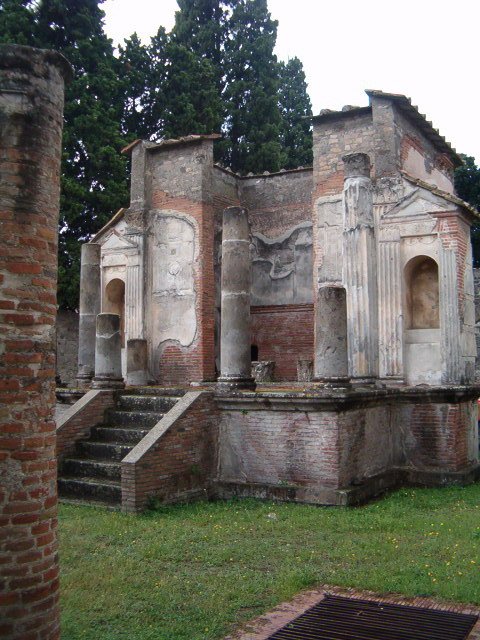
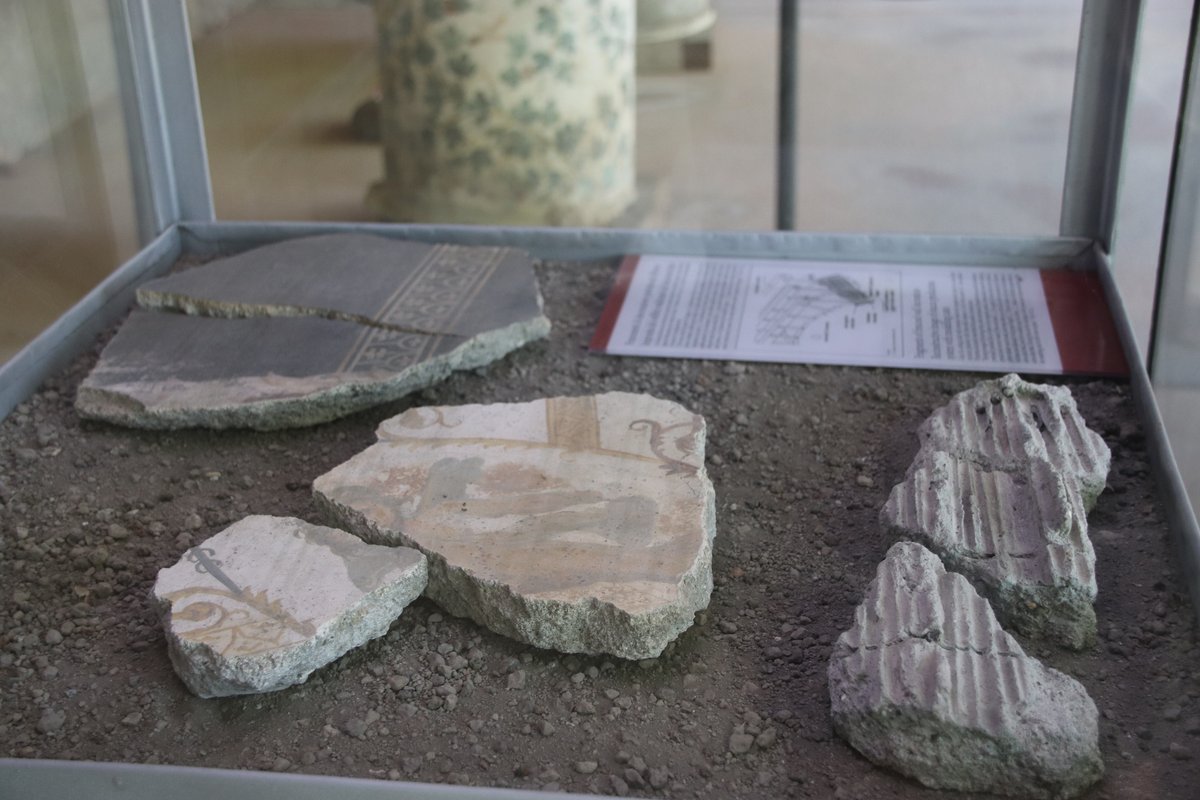
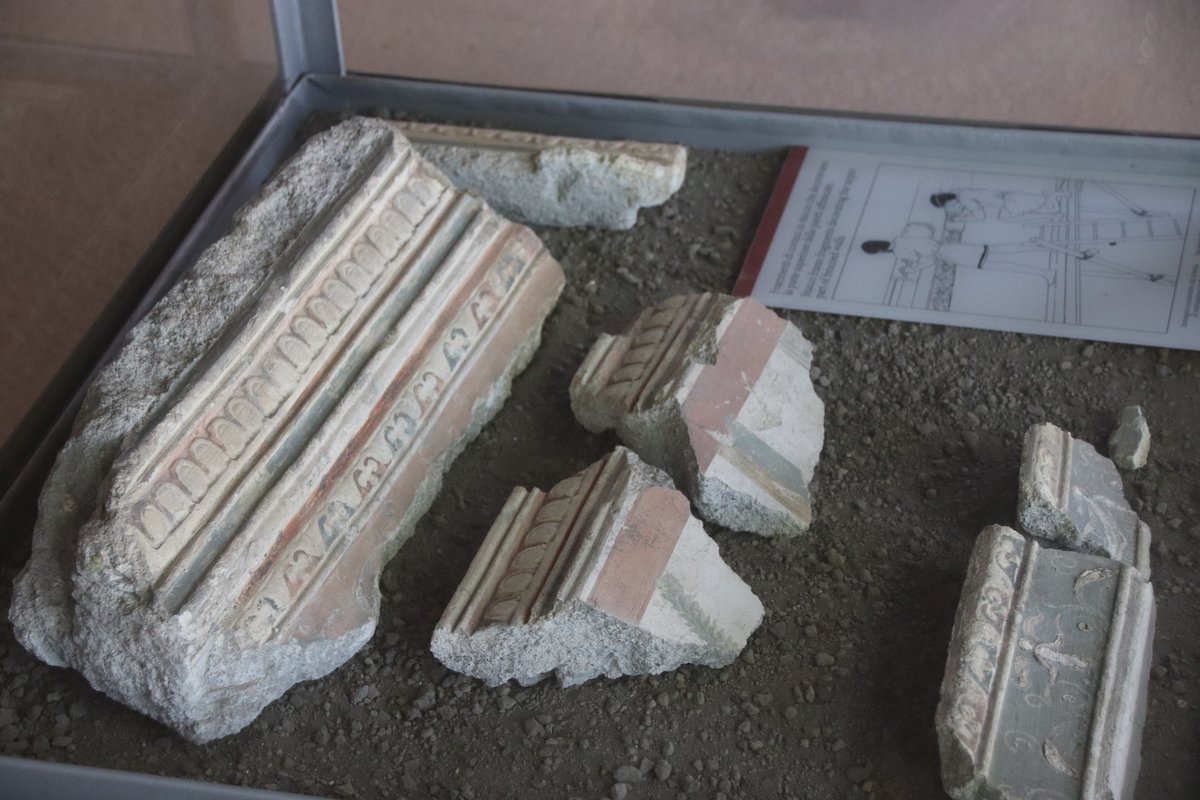
The remains are described as including intricate mosaics, marble columns, thermal baths, niches, and statues. Game boards carved into marble blocks around the pool suggest that it was a lively social space. The site offers insights into Roman daily life and the role of public spaces.
Special Events and Guided Tours
Annual Festivals
Trecase hosts several festivals throughout the year celebrating local culture and history. The Natatio also hosts cultural events and reenactments throughout the year.
Guided Tours
Companies offer guided tours focused on Trecase’s history and natural scenery. Guided tours of the Natatio are available, and the site’s tours are offered in several languages, including English, Italian, and Spanish.
Photographic Spots
Roman Bath Complex
The Natatio offers opportunities to photograph its architecture and details, including mosaics, statues, marble columns, and baths.
Medieval Woods
The greenery of the medieval woods provides a setting for nature photography.
Visitor Information
Trecase Visiting Hours
Most historical sites in Trecase are listed as open from 9:00 AM to 7:00 PM, though visitors are advised to check individual site hours.
The Natatio’s hours are given in two versions: daily from 9 AM to 6 PM, and daily from 9 AM to 7 PM, with last entry at 6:30 PM.
Trecase Tickets
Entrance fees vary by site. Natatio ticket prices are listed as €10 for adults and €5 for children aged 6–12, with free entry for children under 6. Another listing gives the price as €10 per adult and €5 for children under 12.
Tickets are listed as available at the entrance and online through the official website. Purchasing online in advance is recommended to avoid long queues.
Accessibility
Many historical sites in Trecase are accessible to visitors with disabilities, though older ruins may present challenges. Natatio accessibility is described both as having ramps and pathways for wheelchair users and as partial, with some uneven ground. Visitors are advised to check site information or contact the Natatio in advance about specific accessibility features.
Travel Tips
Best Time to Visit
Spring and early autumn are recommended for mild weather and fewer crowds. The suggested periods are April to June and September to October, when temperatures range from 15°C to 25°C.
The Natatio is open-air. In summer, bring sunscreen, a hat, and water; in cooler seasons, dress warmly. Wear comfortable shoes, as visiting the site may involve a fair amount of walking.
Local Cuisine
Trecase’s cuisine is influenced by Neapolitan traditions. Seafood dishes include spaghetti alle vongole (spaghetti with clams) and frittura di paranza (mixed fried fish). Other local dishes to try include pizza margherita and sfogliatella.
For local specialties and Campania wines, Ristorante Il Poeta Vesuviano offers a menu featuring regional dishes and a selection of fine wines from the Campania region.
Transportation
Trecase is accessible by train from Naples, and local buses are available for getting around. The Circumvesuviana train line connects Naples to Trecase, with a scenic route through Campania.
Naples International Airport (NAP) is about 25 kilometers away. From the airport, visitors can take a train or rent a car to reach Trecase. Drivers can use the A3 motorway for direct access.
Accommodation options include Hotel Marad, described as a luxury stay with views of Mount Vesuvius and the Bay of Naples, and the more budget-friendly B&B Il Giardino di Tonia, which offers comfortable rooms and a homely atmosphere. Booking in advance is recommended, especially during peak tourist seasons.
Italian is the official language, while English is widely understood in tourist areas. Learning a few basic Italian phrases can help visitors connect with locals.
Italy uses the Euro (€). Credit and debit cards are widely accepted, but carrying some cash is advisable for small purchases and visits to more remote areas.
Trecase is generally safe for tourists. Visitors are advised to stay vigilant and keep an eye on their belongings, especially in crowded areas. Emergency services can be reached by dialing 112.
Italy has a high standard of healthcare, and pharmacies are readily available in Trecase. Carry a basic first-aid kit and any prescription medications you may need. Travel insurance is recommended to cover unexpected medical expenses.
When visiting religious sites, dress modestly. Local greetings include “Buongiorno” (Good morning) and “Buonasera” (Good evening).
Respect the Natatio and its surroundings: avoid touching or climbing on the structures, and follow guidelines provided by site management.
Nearby Attractions
Mount Vesuvius
A short drive from Trecase, Mount Vesuvius offers hiking trails and views of the surrounding landscape. The volcano destroyed Pompeii and Herculaneum in AD 79. Visitors can hike to the crater, and the Vesuvius National Park offers guided tours and educational exhibits about the volcano’s history and geology.
Pompeii
Pompeii is just a few kilometers from Trecase, and its ancient ruins provide a glimpse into Roman life. Pompeii and Herculaneum are a short drive away; both archaeological sites were buried under volcanic ash and have been remarkably preserved. Guided tours at both sites cover Roman life, architecture, and culture. Tickets can be purchased online in advance to avoid long queues.
Amalfi Coast
The Amalfi Coast is known for its coastline and is a nearby destination in the Campania region.
Frequently Asked Questions (FAQ)
Q: What are the main historical sites in Trecase?
A: The Natatio and the medieval monastic holdings are among the historical sites mentioned.
Q: What are the Natatio’s opening hours?
A: The hours are listed as daily from 9 AM to 6 PM, and also as daily from 9 AM to 7 PM, with last entry at 6:30 PM. General information for most Trecase historical sites gives hours of 9:00 AM to 7:00 PM.
Q: How much do Natatio tickets cost?
A: Prices are listed as €10 for adults and €5 for children aged 6–12, with free entry for children under 6. Another listing gives €5 for children under 12. Tickets are available at the entrance and online through the official website.
Q: Is the Natatio wheelchair accessible?
A: One description says the site has ramps and pathways for wheelchair users; another describes it as partially accessible, with some uneven ground. Visitors can contact the site in advance for details.
Q: Are guided tours available in multiple languages?
A: Yes. Tours are available in English, Italian, and Spanish.
Q: What is the best time to visit?
A: Spring (April to June) and autumn (September to October) are recommended for mild weather and fewer crowds, with temperatures of 15°C to 25°C.
Q: How can I get to Trecase?
A: Trecase is accessible by train from Naples, including via the Circumvesuviana line, and local buses are available for getting around. Naples International Airport (NAP) is about 25 kilometers away; visitors can take a train or rent a car from the airport. The A3 motorway provides direct access.
Q: Are there special events in Trecase?
A: Trecase hosts several annual festivals celebrating local culture and history, and the Natatio hosts cultural events and reenactments throughout the year.