Introduction
Nestled in the northeast corner of Pompeii’s ancient Forum, the Macellum stands as a striking testament to the sophistication of Roman urban life, commerce, and architectural ingenuity. Constructed around the 2nd century BCE, it served as the city’s principal provisions market, bustling with the trade of meats, fish, produce, and luxury goods. The Macellum’s blend of commercial, social, and religious functions, alongside its remarkable preservation due to the eruption of Mount Vesuvius in 79 CE, makes it one of the most compelling archaeological sites in Pompeii.
This guide provides an in-depth overview of the Macellum’s history, architecture, economic and social roles, and highlights practical information for visitors, such as opening hours, ticketing, accessibility, travel tips, and nearby attractions. Whether you are a history enthusiast, an archaeology buff, or a curious traveler, exploring the Macellum offers a unique window into the daily life of ancient Pompeii.
For further details, consult the official Pompeii Archaeological Park resources and reliable guides like the Madain Project and Lonely Planet.
Historical Background and Construction
The Macellum of Pompeii was built in the late 2nd century BCE, a period marked by significant urban development. Strategically adjacent to the Forum, the Macellum became the city’s chief marketplace for fresh foodstuffs, serving Pompeii’s expanding and diverse population (Madain Project; Wikipedia). It underwent several construction phases, with significant repairs necessitated after the devastating earthquake of 62 CE. At the time of the eruption in 79 CE, the Macellum was still under reconstruction, leaving archaeological traces of Roman building practices visible today (Archaeology Mag; Pompeii Forum Project).
Architectural Layout and Features
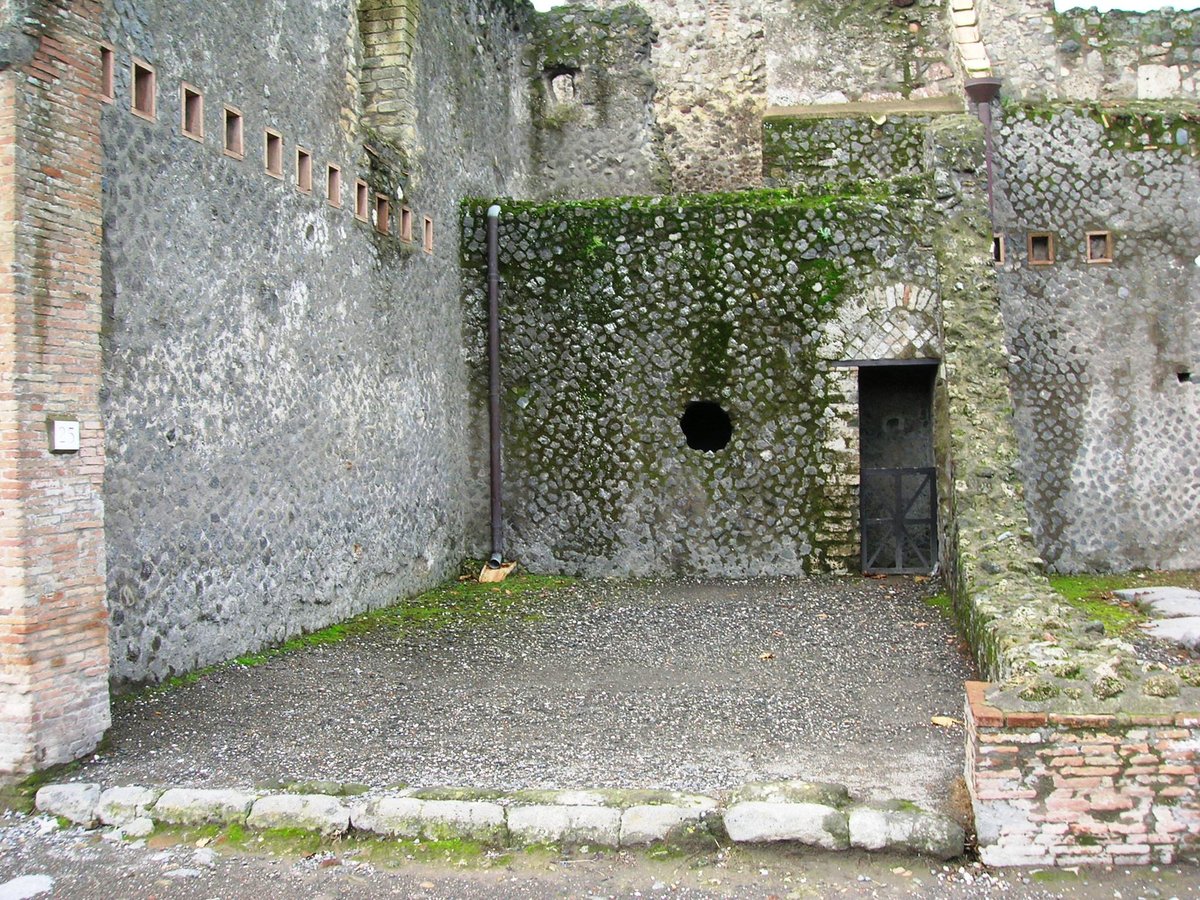
The Macellum measures approximately 37 by 27 meters. Its defining architectural elements include:
- Central Courtyard: A large open area, once bustling with vendors and buyers, paved with stone slabs.
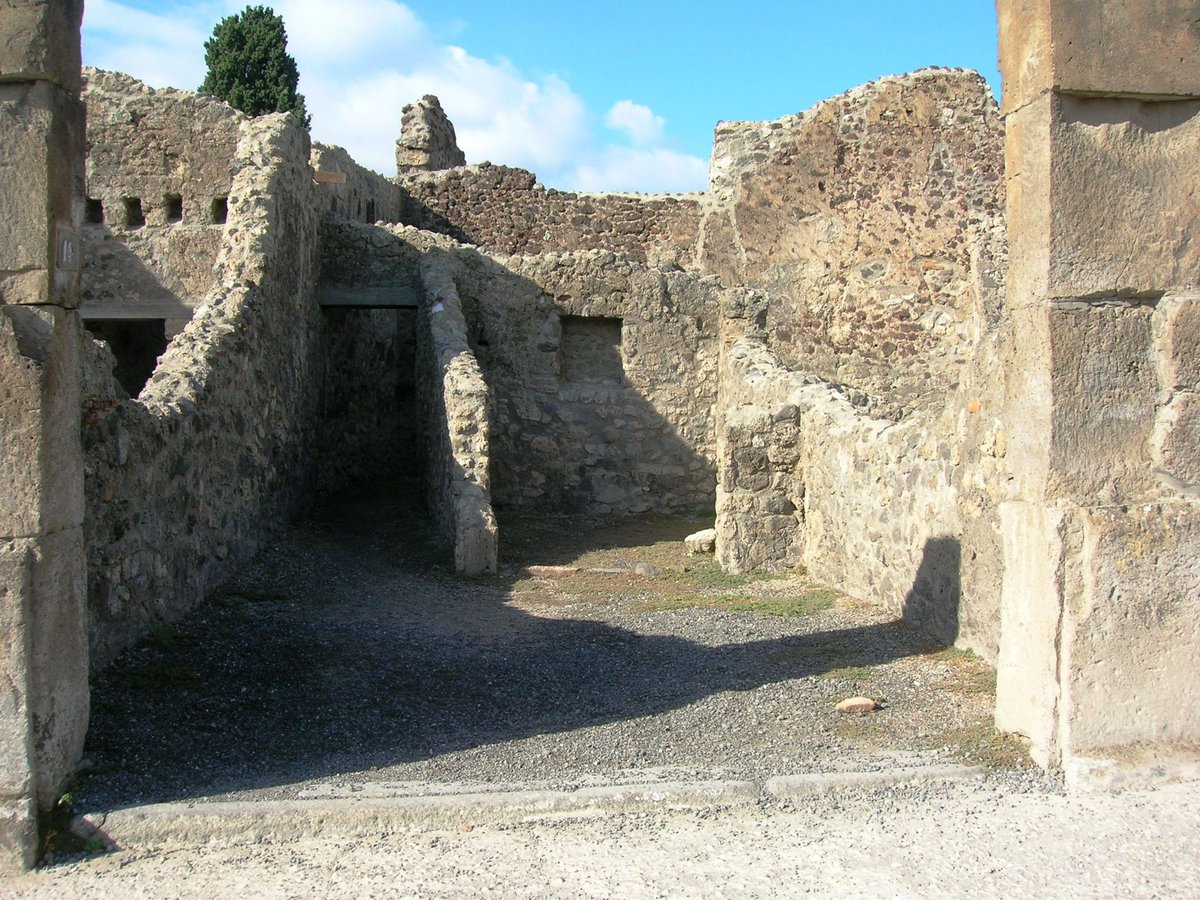
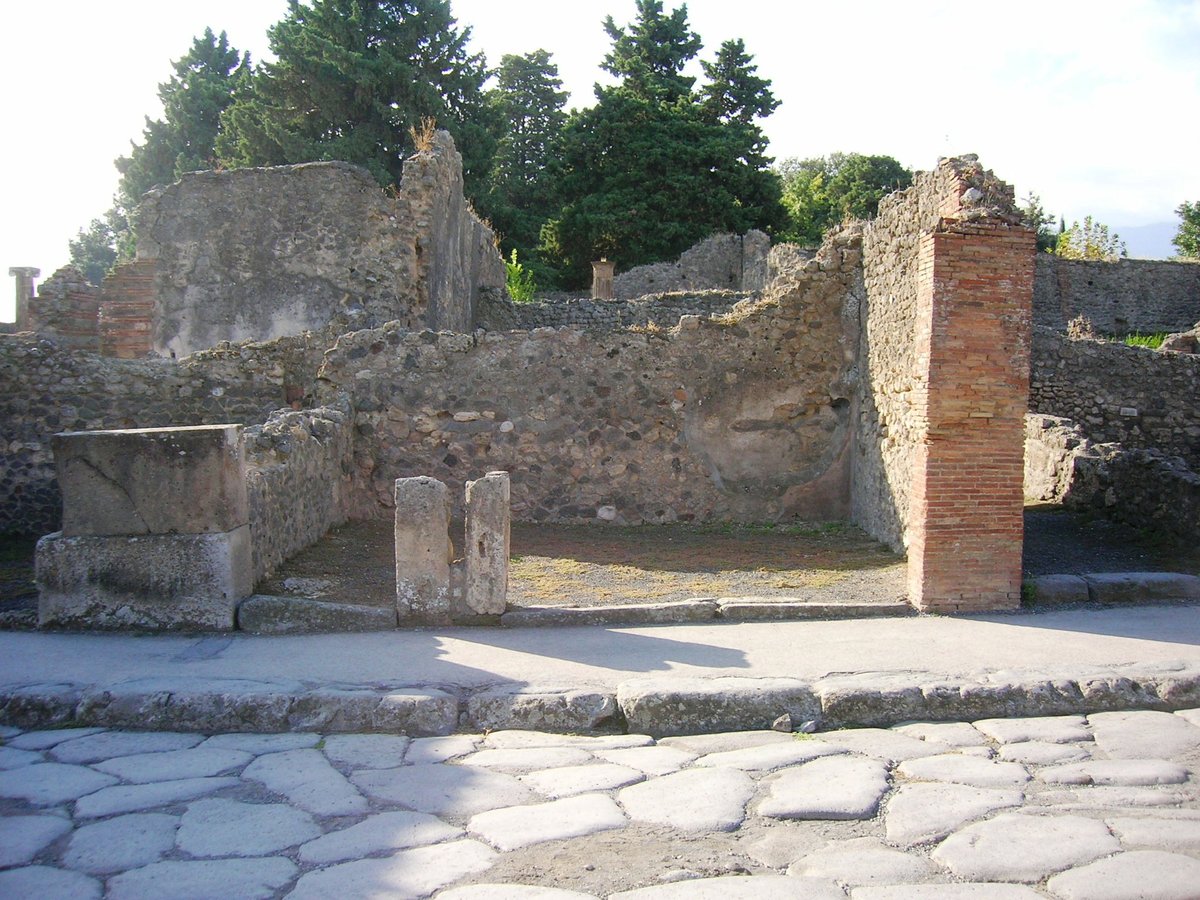
- Colonnaded Porticoes: Surrounding the courtyard, these provided shade and housed a series of shops (tabernae) and storage rooms (Madain Project).
- Central Tholos: A distinctive circular structure at the courtyard’s center, possibly used for selling fish or ritual purification, featuring built-in drainage (Sightseeing Tours Italy).
- Entrances: Three main entry points—west (to the Forum), north (to Via degli Augustali), and a smaller southeastern passage for vendors (Wikipedia).
- Imperial Cult Shrine: The eastern sector housed a shrine dedicated to the Imperial family, blending commerce and religious life.
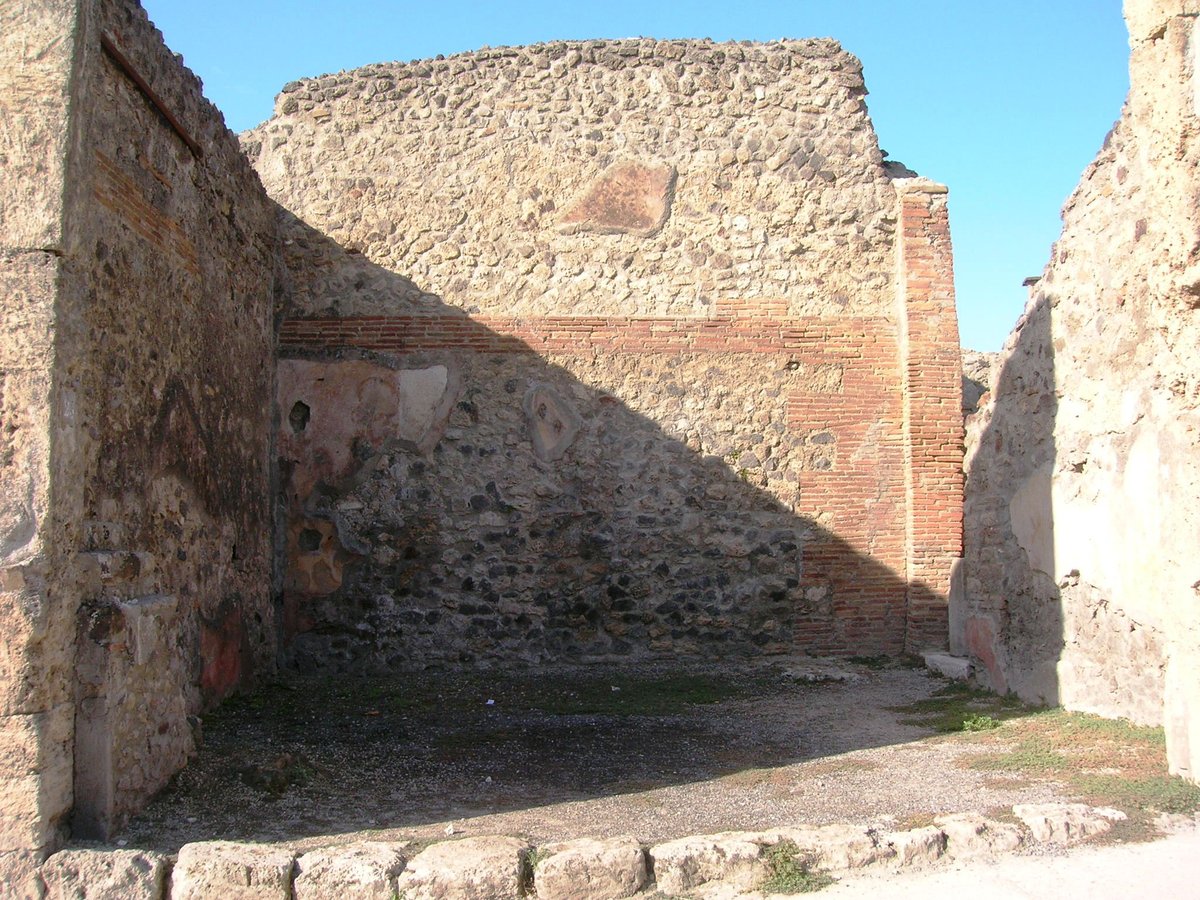
- Construction Materials: The site features local volcanic tuff, brick walls, and marble columns, with flooring ranging from stone slabs to mosaics.
The Macellum’s design showcases Roman priorities: efficient commerce, hygienic sales (with water channels and drains), and a space for community interaction (journalofromanarchaeology.com).
Economic, Social, and Cultural Role
As Pompeii’s central food market, the Macellum was vital for the distribution of meat, fish, vegetables, and luxury foods. Its regulated environment allowed for the enforcement of trade standards, fair pricing, and quality control—a crucial feature in a densely populated urban center (journalofromanarchaeology.com).
Beyond commerce, the Macellum was a focal point for social exchange—citizens from all classes gathered here, making it a hub of news, politics, and everyday interaction (thearchaeologist.org). Its proximity to the Forum and basilica underlined its centrality to civic life. Religious practices were integrated into market functions, with dedications to commercial deities and the emperor.
Archaeological Discoveries
Excavations have yielded a wealth of artifacts and evidence about Pompeii’s economic and social fabric:
- Food Remains: Carbonized bread, grains, fish bones, and fruit seeds reveal a diet rich in variety (The Archaeologist; ErmakVagus).
- Amphorae and Trade Goods: Large numbers of amphorae for wine, oil, and garum (fish sauce) illustrate Pompeii’s Mediterranean trade connections (Lonely Planet).
- Frescoes and Art: First Style wall paintings depict market scenes and foodstuffs, providing visual records of commerce (Lonely Planet).
- Weights and Measures Table: Nearby, a public standard table ensured fair trading practices (ErmakVagus).
- Human Remains: The area has produced poignant plaster casts of eruption victims, revealing social status and daily attire.
Visiting the Macellum of Pompeii: Practical Information
Opening Hours
- General Schedule: Open daily from 9:00 AM to 7:00 PM (last entry at 6:00 PM). Hours may vary seasonally or for special events—always check the official Pompeii Archaeological Park website.
Tickets and Entry
- Price: Standard adult tickets are approximately €16–€18, with discounts for EU citizens aged 18–25 and free entry for children under 18.
- Purchase: Buy tickets online for convenience and to avoid queues. Combination tickets with Herculaneum and other sites are available.
Accessibility
- The Macellum is included in the “Pompeii for All” accessible route (3.5 km), but some uneven terrain remains. Wheelchair users and visitors with mobility needs should consult the official site or visitor center for the latest information (culturedvoyages.com).
Getting There and Travel Tips
- Transport: Pompeii is accessible via Circumvesuviana train from Naples and Sorrento (Pompeii Scavi - Villa dei Misteri station), bus, or car.
- Tips:
- Arrive early or late to avoid crowds and midday heat.
- Wear sturdy shoes and bring water and sun protection.
- Consider a guided tour or audio guide for deeper insight.
- Respect preservation barriers and avoid touching surfaces.
Nearby Attractions
- Explore adjacent sites such as the Forum, Basilica, Temple of Apollo, House of the Faun, and the Amphitheatre. Guided thematic tours focusing on market life are also offered.
Special Events and Experiences
- Check the official site for seasonal events, archaeological tours, or evening openings.
- Virtual reality and augmented reality tours are available for remote exploration (thepompeii.com).
Frequently Asked Questions (FAQ)
Q: What are the visiting hours for the Macellum of Pompeii?
A: The site is generally open daily from 9:00 AM to 7:00 PM, with last entry at 6:00 PM. Check the official website for seasonal changes.
Q: How much does it cost to visit?
A: Standard adult tickets are €16–€18, with discounts for eligible groups. Children under 18 enter free.
Q: Is the Macellum accessible for wheelchair users?
A: The “Pompeii for All” route includes the Macellum, but some challenges remain due to ancient surfaces.
Q: Are guided tours available?
A: Yes, both general and thematic guided tours—including those focused on the Macellum—can be booked in advance.
Q: Can I take photos at the Macellum?
A: Yes, for personal use. Commercial photography and drone use require permits.
Listen to the full story in the app
Your Personal Curator, in Your Pocket.
Audio guides for 1,100+ cities across 96 countries. History, stories, and local insight — offline ready.
Audiala App
Available on iOS & Android
Join 50k+ Curators
Sources
- verified
- verified
- verified
- verified
- verified
- verified
- verified
- verified
- verified
- verified
- verified
- verified
- verified
- verified
- verified
- verified
Last reviewed: