Introduction
Nestled in the heart of ancient Pompeii, the House of Titus Terentius Proculus—often referred to as the House of Terentius Neo—offers an exceptional insight into Roman middle-class life, commerce, and artistry. Located at Regio VII, Insula 2, 6, along the bustling Via Stabiana, this remarkably preserved domus is celebrated for its integration of residential comfort with a thriving bakery business, alongside vivid frescoes and mosaics that illuminate the ambitions, social standing, and cultural identity of its owners. The famed double portrait of Terentius Neo and his wife is a highlight, reflecting both literacy and the nuanced gender dynamics of Pompeian society.
As part of the Pompeii Archaeological Park, the house welcomes visitors with general admission tickets covering its many wonders and those of neighboring sites such as the Forum, Amphitheatre, and Villa of the Mysteries. With reliable accessibility, guided tour options, and ongoing preservation efforts, the House of Titus Terentius Proculus is a must-visit destination for anyone interested in Roman history, art, or daily life.
For the most up-to-date information, consult the Pompeii Archaeological Park official website and explore further insights via The Archaeologist blog.
Historical Context
Urban and Social Setting
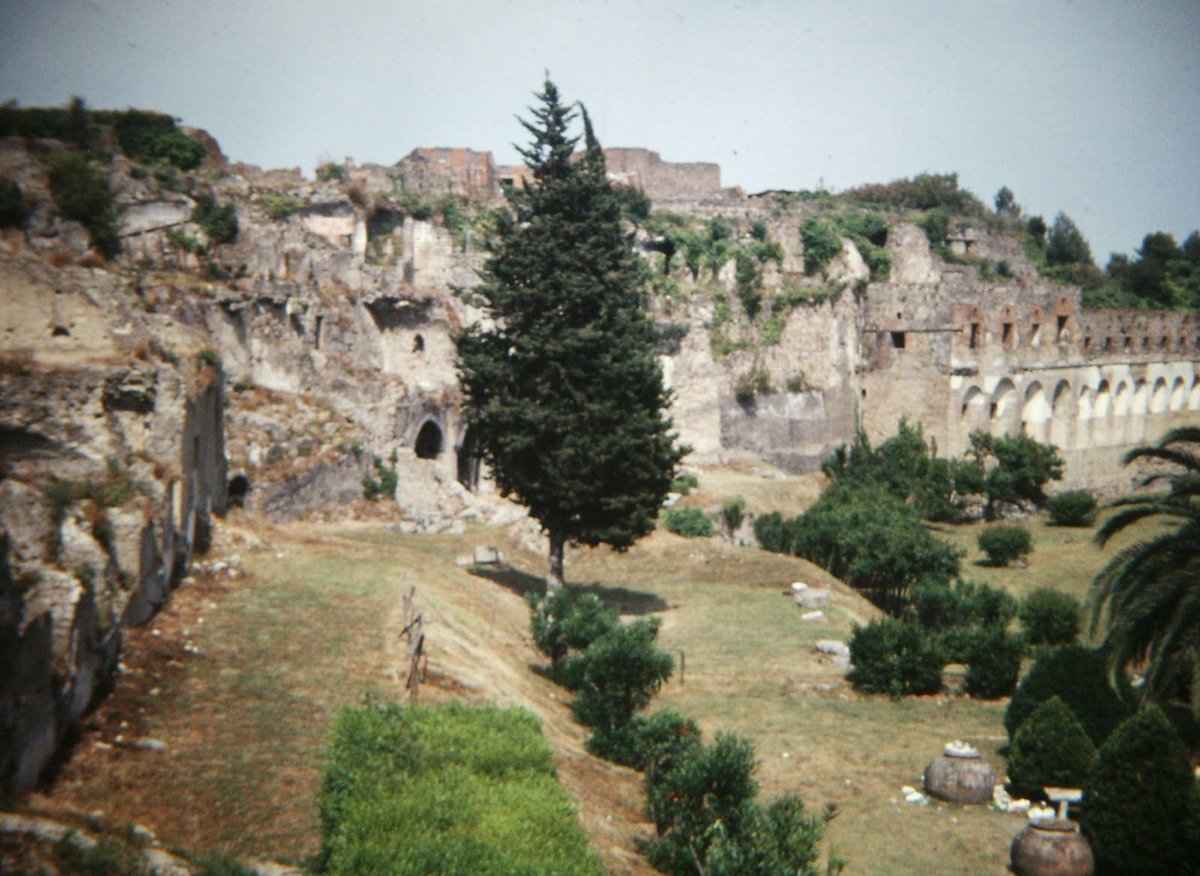
The House of Titus Terentius Proculus is situated in one of Pompeii’s liveliest districts, surrounded by shops and workshops that reflect the city’s vibrant commercial character. Pompeii, a Roman city of 11,000–15,000 people, was renowned for its urban planning, public infrastructure, and complex social hierarchy, as described in The Archaeologist blog.
Discovery and Excavation
Excavated in the wake of Pompeii’s rediscovery in 1748, the house has yielded a wealth of art and artifacts. Its celebrated fresco of Terentius Neo and his wife, found in situ, is now preserved in the National Archaeological Museum of Naples (Flickr: quadralectics).
Ownership and Social Status
Named for Titus Terentius Proculus (Terentius Neo), a prosperous baker and civic participant, the house’s owner is identified through preserved electoral graffiti (Flickr: quadralectics). The integration of a bakery with the home demonstrates economic mobility and the merging of public and private spheres. The famous portrait of the couple emphasizes their status, literacy, and social aspirations.
Architectural Layout and Features
Entrance and Façade
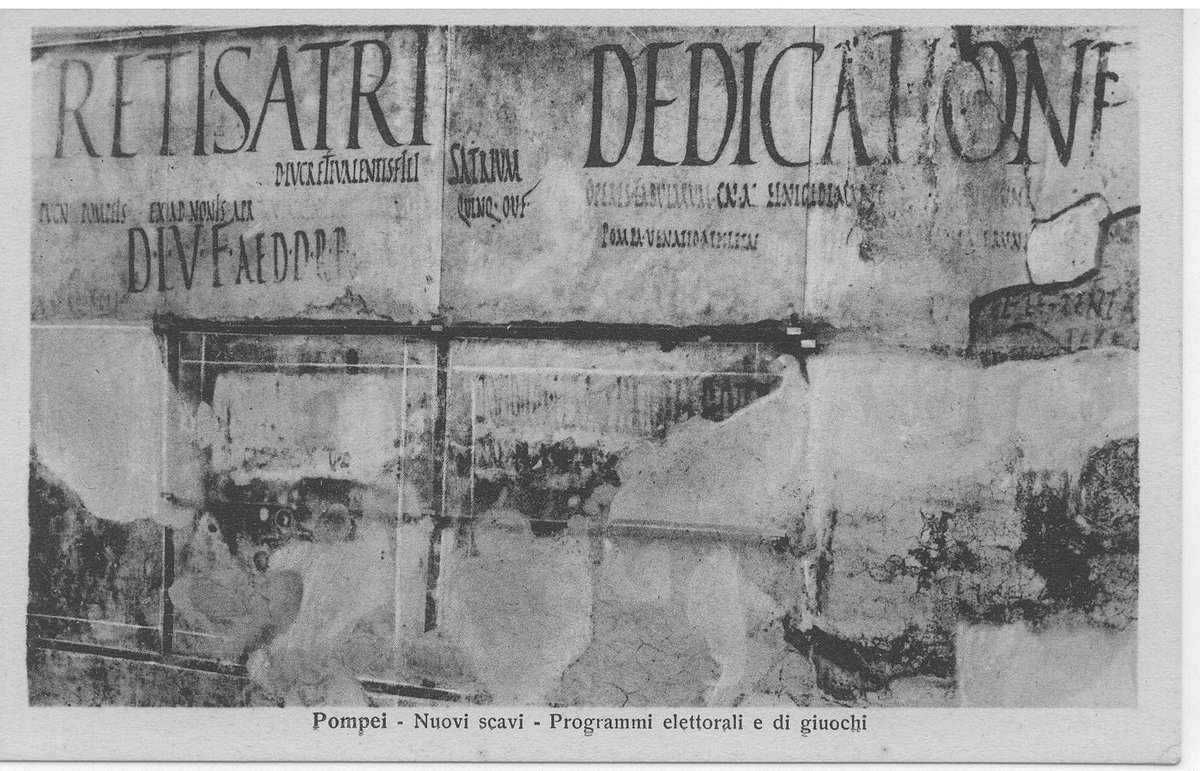
A grand entrance with an electoral recommendation painted on the wall immediately signals the family's political engagement (Pompeii in Pictures).
Atrium and Public Spaces
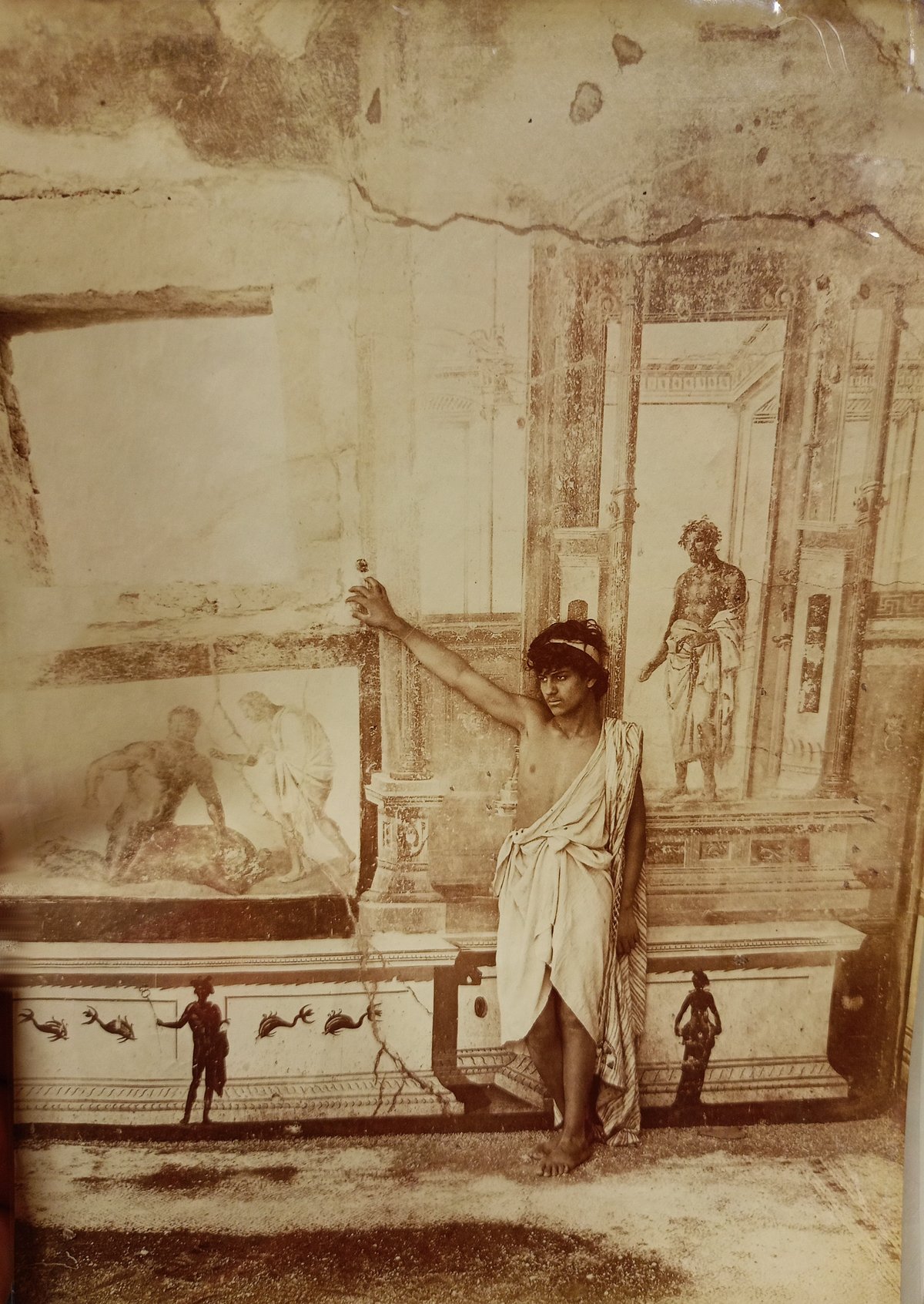
The Tuscan-style atrium, with a central impluvium for rainwater, is surrounded by cubicula adorned with Fourth Style frescoes featuring geometric and mythological motifs (Madain Project).
Bakery Complex (Pistrinum)
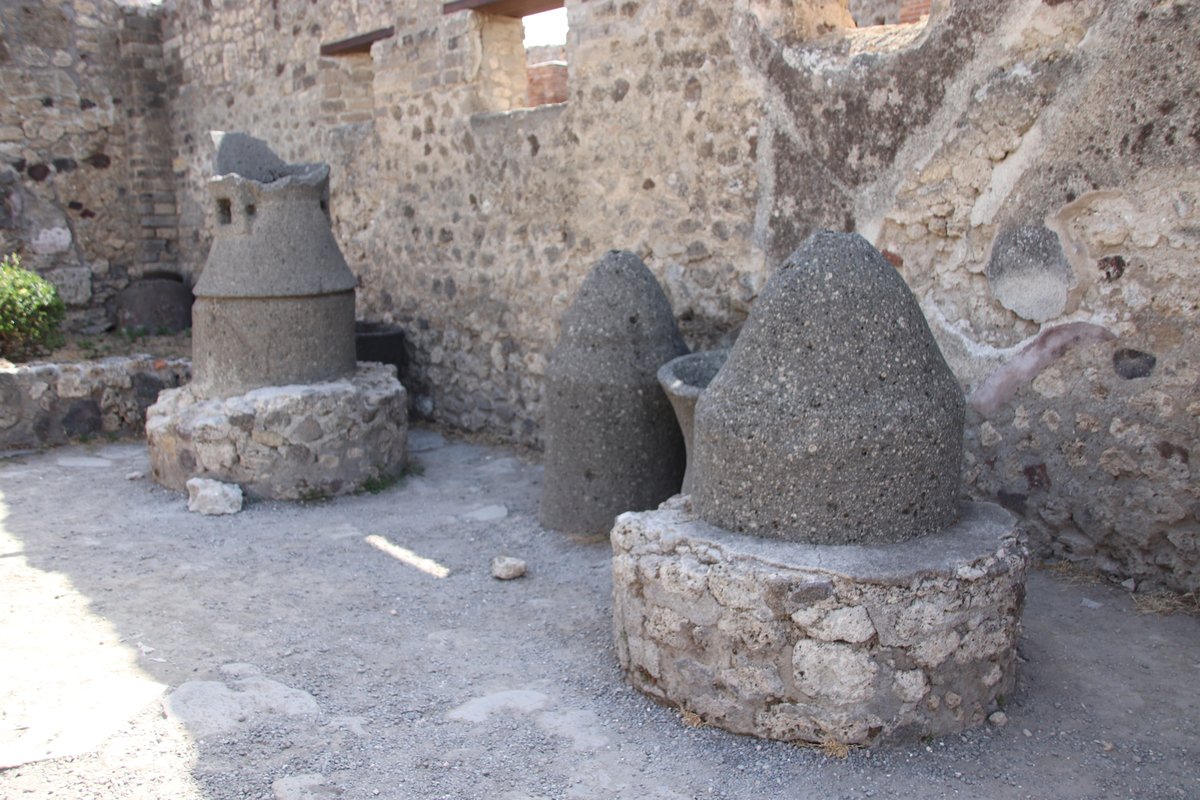
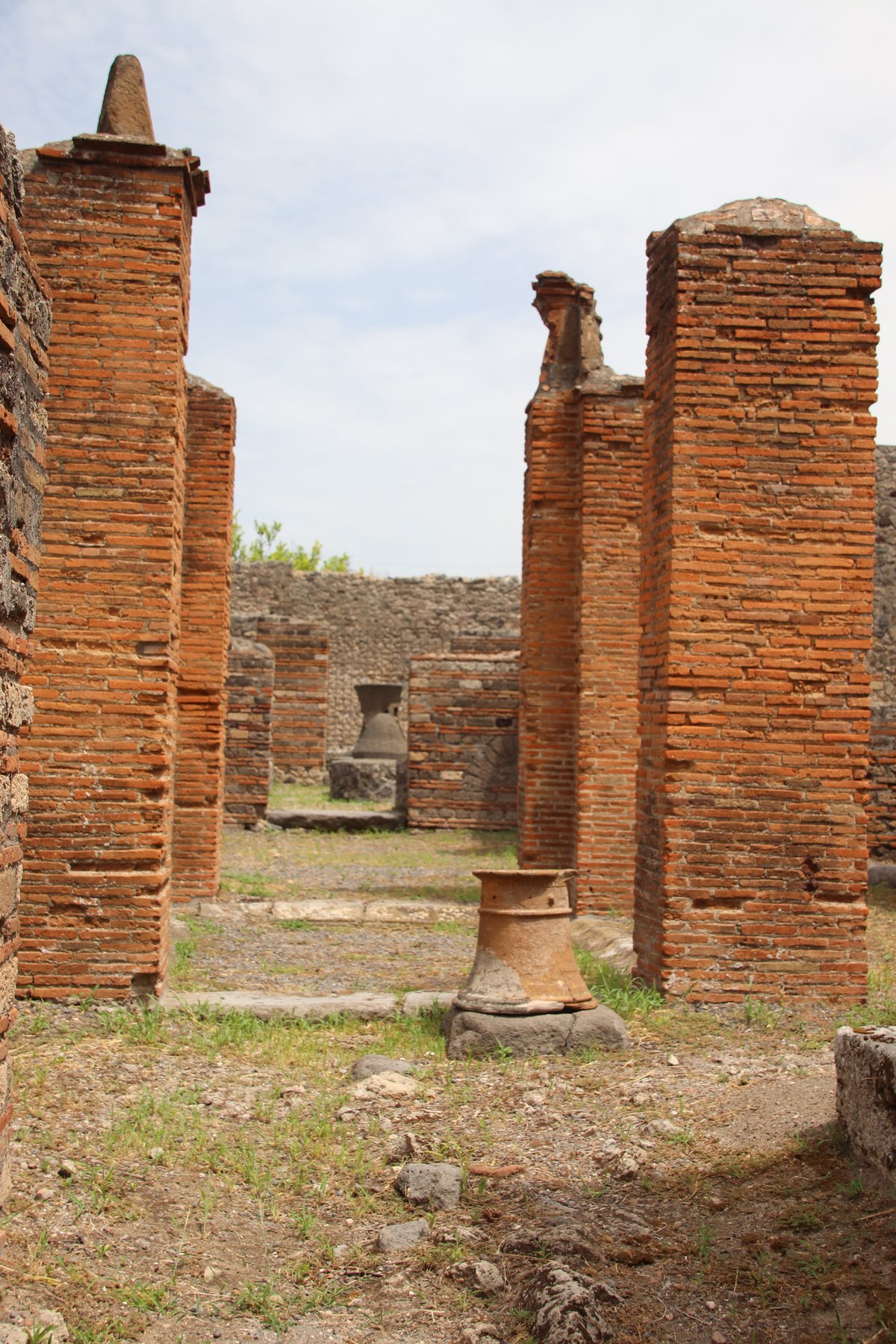
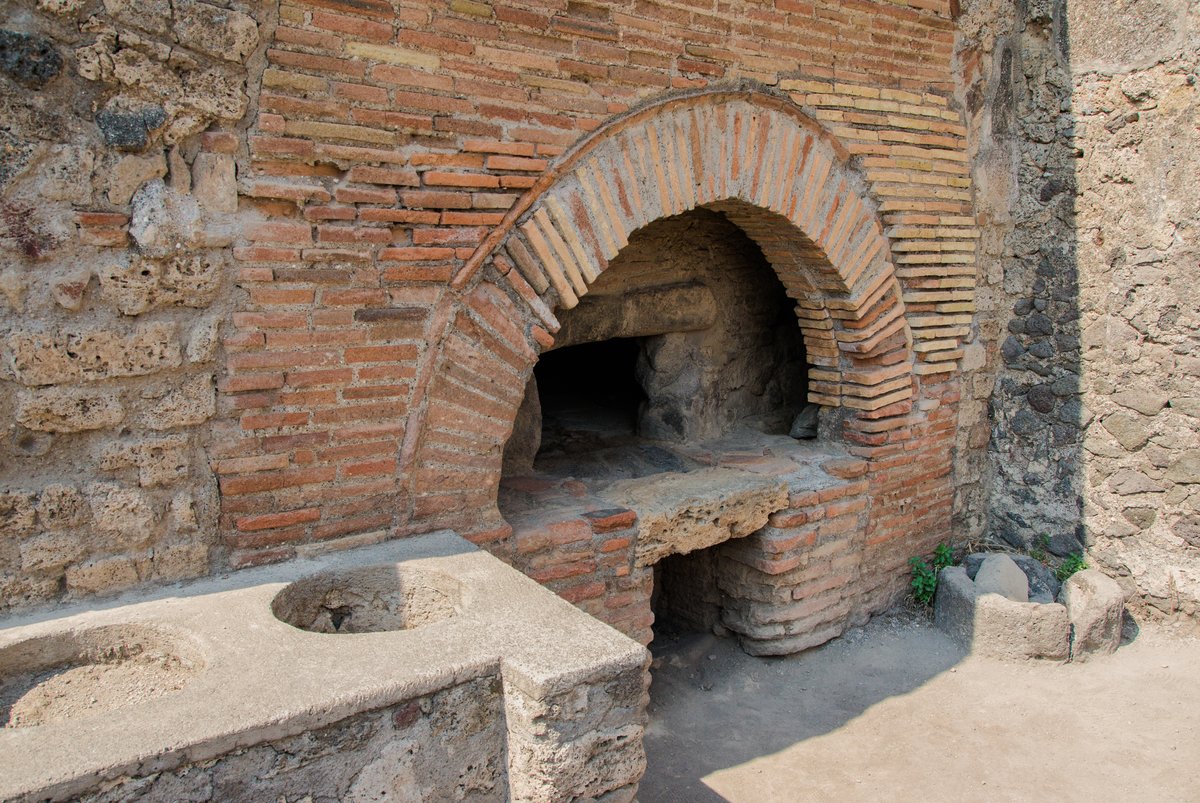
At the rear, the bakery is accessible from both the street and the house. It boasts stone mills, a domed oven, workspaces, and a lararium painting, reflecting the intertwining of business, ritual, and domestic life (Pompeii in Pictures).
Peristyle and Garden
A colonnaded garden with a marble water basin and pergola creates a tranquil retreat. Mosaics and marble inlays in adjacent rooms showcase the owner’s affluence (Pompei.it; Visiter Pompei).
Triclinium and Decorative Art
The summer triclinium is distinguished by elaborate mosaics and frescoes, including playful scenes of pygmies and Silenus (Visiter Pompei).
Subterranean Chambers and Storage
Beneath the peristyle, storage chambers supported both the household and the bakery operations (The Brain Chamber).
Architectural Style and Evolution
The house exemplifies the evolution of Pompeian domestic architecture, blending Hellenistic colonnades, commercial functions, and luxury (Pompei.it; Pompeii.org.uk).
Notable Finds and Artistic Highlights
Discoveries include electoral inscriptions, lararium paintings, mosaics, and frescoes—many of which are now conserved in museums.
Artistic, Cultural, and Economic Significance
Artistic Significance
Frescoes and Wall Paintings
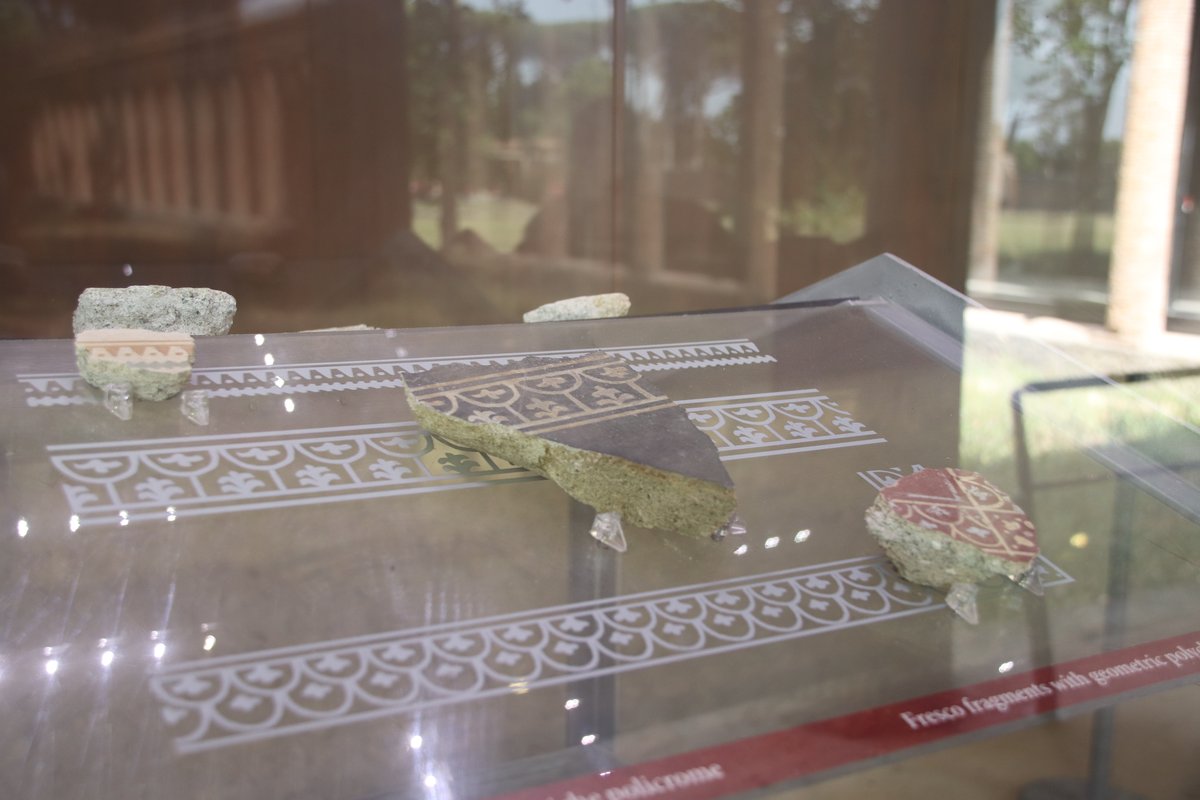
The house’s Fourth Style frescoes are celebrated for their vivid colors, architectural illusions, and intricate narrative scenes. The famous double portrait in the tablinum (reception room) is a rare, intimate portrayal of a Pompeian couple, believed to be Titus Terentius Proculus and his wife (artincontext.org). The use of costly pigments like cinnabar red underscores the owner's wealth.
Mosaics and Decorative Arts
Fine mosaic floors depict geometric and natural motifs, blending utility and artistry. Artifacts such as ceramics and bronze lamps further highlight the refined tastes of the household (artincontext.org).
Cultural Significance
Social Status and Identity
The house reflects the aspirations and achievements of Pompeii’s upper-middle class. Personalized portraits and elaborate décor are evidence of the owner's desire for social distinction (artincontext.org).
Religious and Mythological Themes
Mythological and religious motifs in the art and shrine spaces (lararium) emphasize the family’s piety and connection to Roman traditions.
Daily Life and Domestic Rituals
The architectural layout, with distinct public and private areas, mirrors Roman social customs. Artistic depictions of music, banquets, and leisure speak to the pleasures and rituals of elite Pompeian life (artincontext.org).
Economic Significance
Pre-Eruption Economic Context
Pompeii thrived on agriculture, manufacturing, and trade, with the House of Titus Terentius Proculus likely benefitting from these activities (pompeiiarchaeologicalpark.com; pompei.it).
Wealth Display and Networks
Investment in art and imported materials signaled participation in wide-ranging economic networks (artincontext.org).
Impact of the Eruption and Legacy
The eruption ended Pompeii's prosperity but preserved its houses as invaluable records of ancient life and commerce (pompeiiarchaeologicalpark.com).
Modern Economic Impact
Tourism sustains conservation efforts and the local economy, but managing visitor impact is crucial for preservation (luxurytraveldiva.com).
Visitor Information
Visiting Hours and Tickets
- Hours: Generally 9:00 AM – 7:00 PM (last entry at 5:30 PM); hours may vary by season.
- Tickets: Access is included in the Pompeii Archaeological Park ticket. Purchase online via the official platform for convenience.
(Pompeii Archaeological Park official website)
Accessibility and Amenities
While parts of the house are accessible, the ancient pavement and thresholds may pose challenges. The “Pompeii for All” route improves access, and assistance is available at the main entrances.
Directions and Entry
The house is best reached from Porta Marina or Piazza Anfiteatro entrances. Use the MyPompeii app or printed maps for navigation.
Guided Tours and Special Events
Guided and audio tours are available in multiple languages and are highly recommended for context and interpretation.
Visitor Flow, Facilities, and Tips
- Visit early or late to avoid crowds and heat.
- Wear sturdy shoes; bring water and sun protection.
- Facilities include restrooms, water fountains, and shaded rest areas.
- Photography is allowed without flash; drones and tripods are prohibited.
Safety and Preservation
Stay on marked paths, do not touch frescoes or mosaics, and follow site rules to support preservation.
Nearby Pompeii Attractions
- Forum: The city’s political and social center.
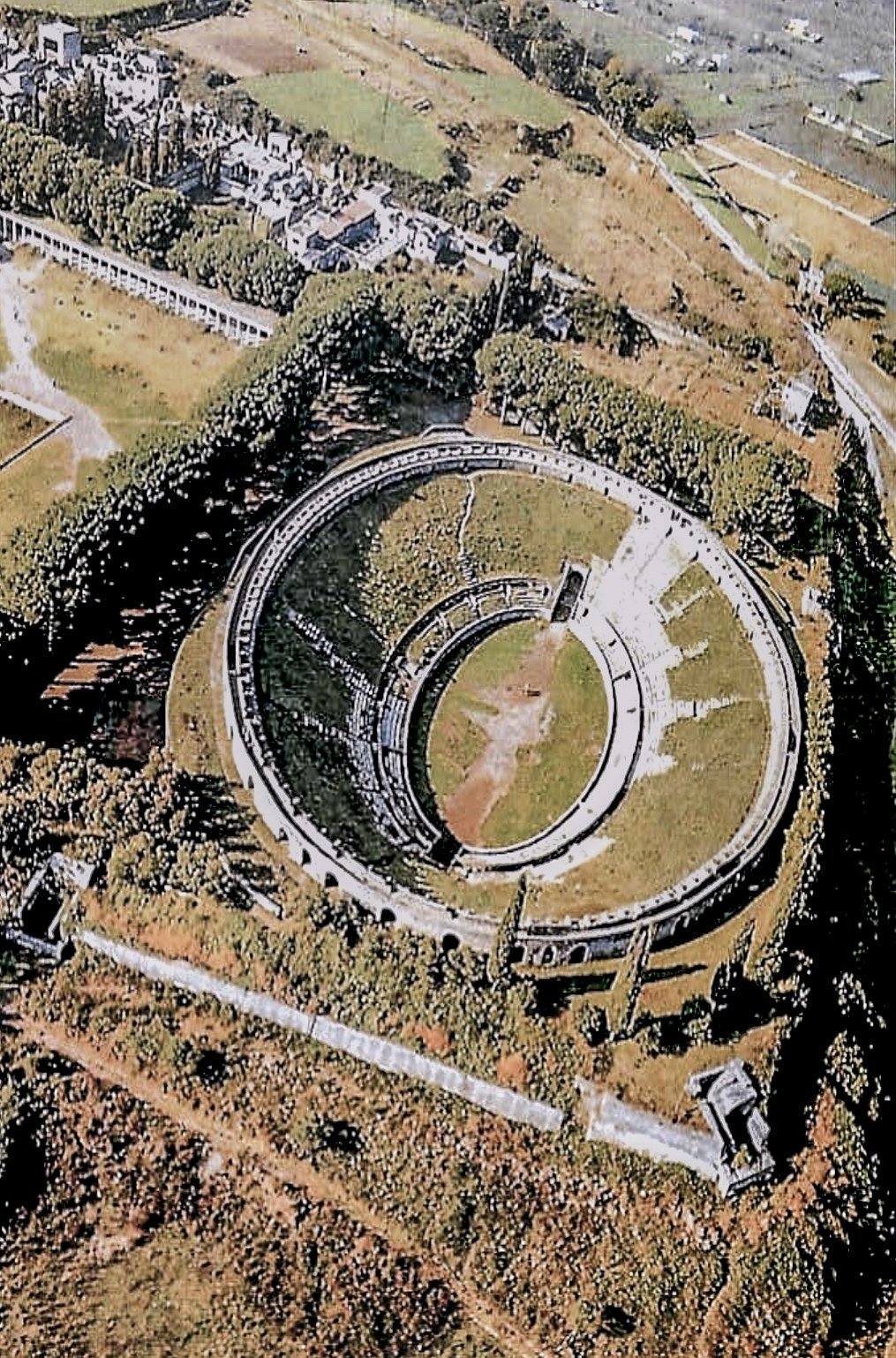
- Amphitheatre: One of the oldest surviving Roman amphitheaters.
- Villa of the Mysteries: Famous for its frescoes.
- House of the Faun: Another grand domus.
Frequently Asked Questions (FAQ)
Q: What are the visiting hours for the House of Titus Terentius Proculus?
A: The house is open during Pompeii Archaeological Park hours: typically 9:00 AM to 7:00 PM (seasonal variations apply).
Q: How do I buy tickets?
A: Tickets are available online via the official Pompeii Archaeological Park website and include entry to all open sites.
Q: Is the house wheelchair accessible?
A: Accessibility is limited, but the “Pompeii for All” route improves access; staff can advise on best routes.
Q: Are guided tours available?
A: Yes, guided and audio tours can be booked online or at the entrances.
Q: When is the best time to visit?
A: Early mornings, late afternoons, and the off-season (November–April) are least crowded.
Q: Are photos allowed?
A: Yes, but flash and tripods are not permitted inside the house.
Discover More
The House of Titus Terentius Proculus stands as a vibrant testament to the artistry, economy, and social complexity of ancient Pompeii. By planning your visit—utilizing online ticketing, guided tours, accessibility routes, and real-time navigation apps—you’ll enhance your understanding of this remarkable site.
To further enrich your experience, download the MyPompeii and Audiala apps for maps and audio guides. Follow us on social media and explore related articles for more insights into Pompeii’s treasures.
Listen to the full story in the app
Your Personal Curator, in Your Pocket.
Audio guides for 1,100+ cities across 96 countries. History, stories, and local insight — offline ready.
Audiala App
Available on iOS & Android
Join 50k+ Curators
Sources
- verified
- verified
- verified
- verified
- verified
- verified
- verified
Last reviewed: