Introduction
The House of Sallust (Casa di Sallustio) stands as a testament to Pompeii's layered history and exceptional preservation. Nestled near the Herculaneum Gate within the Pompeii Archaeological Park, it is one of the city’s most significant elite residences, tracing its origins to the late 4th or early 3rd century BCE. Over the centuries, this domus evolved—reflecting shifts from Samnite rule to Roman colonization and, ultimately, its transformation into a bustling guesthouse (hospitium) before the city’s tragic burial in 79 CE. Today, the House of Sallust offers an unparalleled window into ancient Roman domestic life, social customs, art, and commerce, making it an essential stop for both history enthusiasts and casual visitors (Evendo; Pompeii Official Site; SeePompeii).
Origins and Historical Context
Constructed during the Samnite period, the House of Sallust is among the oldest dwellings in Pompeii. Its location in a prestigious northern district near the Herculaneum Gate attests to the wealth and status of its original owners (Evendo). The modern name comes from a political inscription referencing Caius Sallustius, but there is no firm evidence that he owned the house (Ancient Times). The property’s history traces Pompeii’s evolution from a Samnite stronghold to a thriving Roman city.
Architectural Evolution and Layout
Atrium and Core Design
At the heart of the House of Sallust is a classic Tuscan atrium, featuring a compluvium (roof opening) and an impluvium (water basin), surrounded by cubicula (bedrooms), a tablinum (master’s office), and alae (side rooms). This central space was the hub of family rituals and social gatherings (Pompeii Official Site).
Peristyle Garden and Expansion
Later expansions added a peristyle courtyard lined with columns and a central pool, which brought natural light and air into the home. Surrounding the peristyle were service rooms, including kitchens, storerooms, and latrines, reflecting the residence’s dual domestic and commercial functions. The garden was also used for vegetable cultivation, highlighting a degree of self-sufficiency.
Commercial Integration
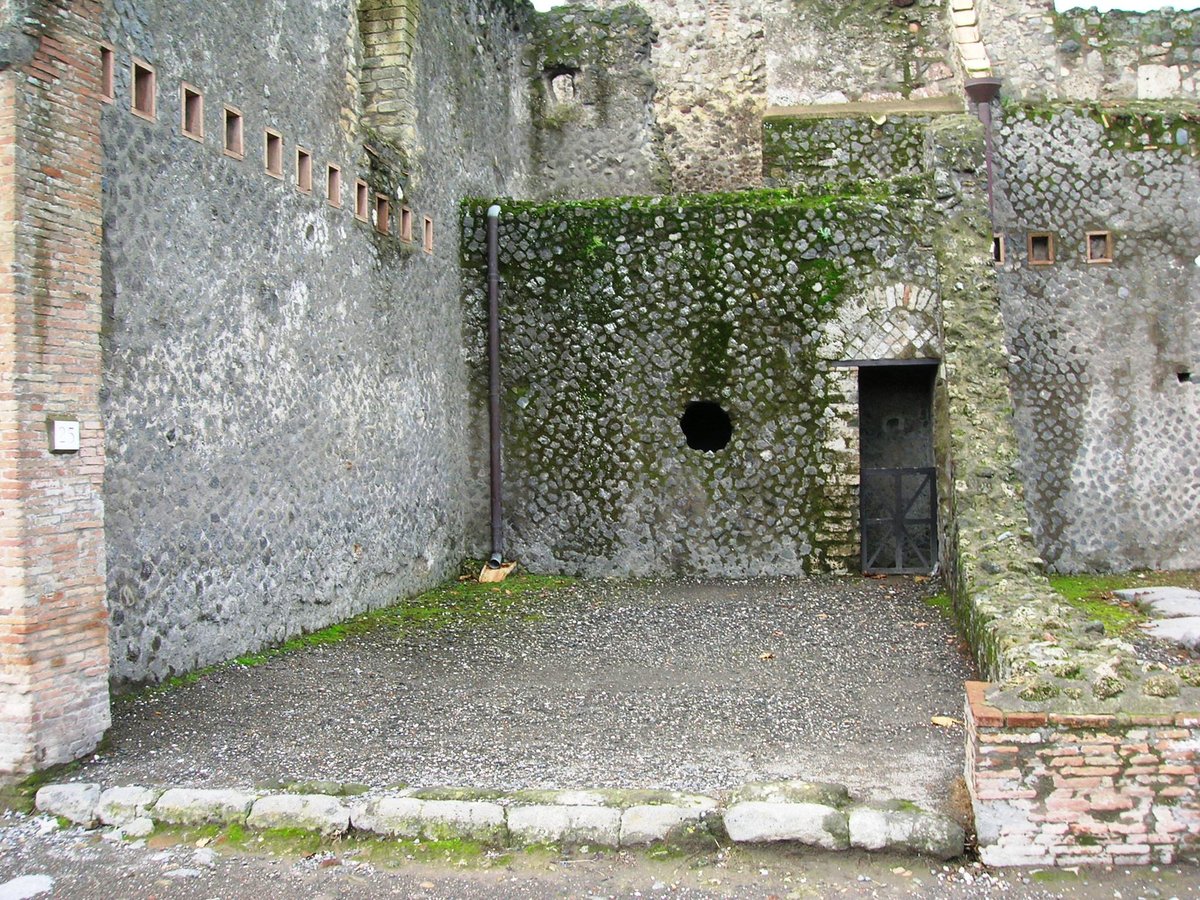
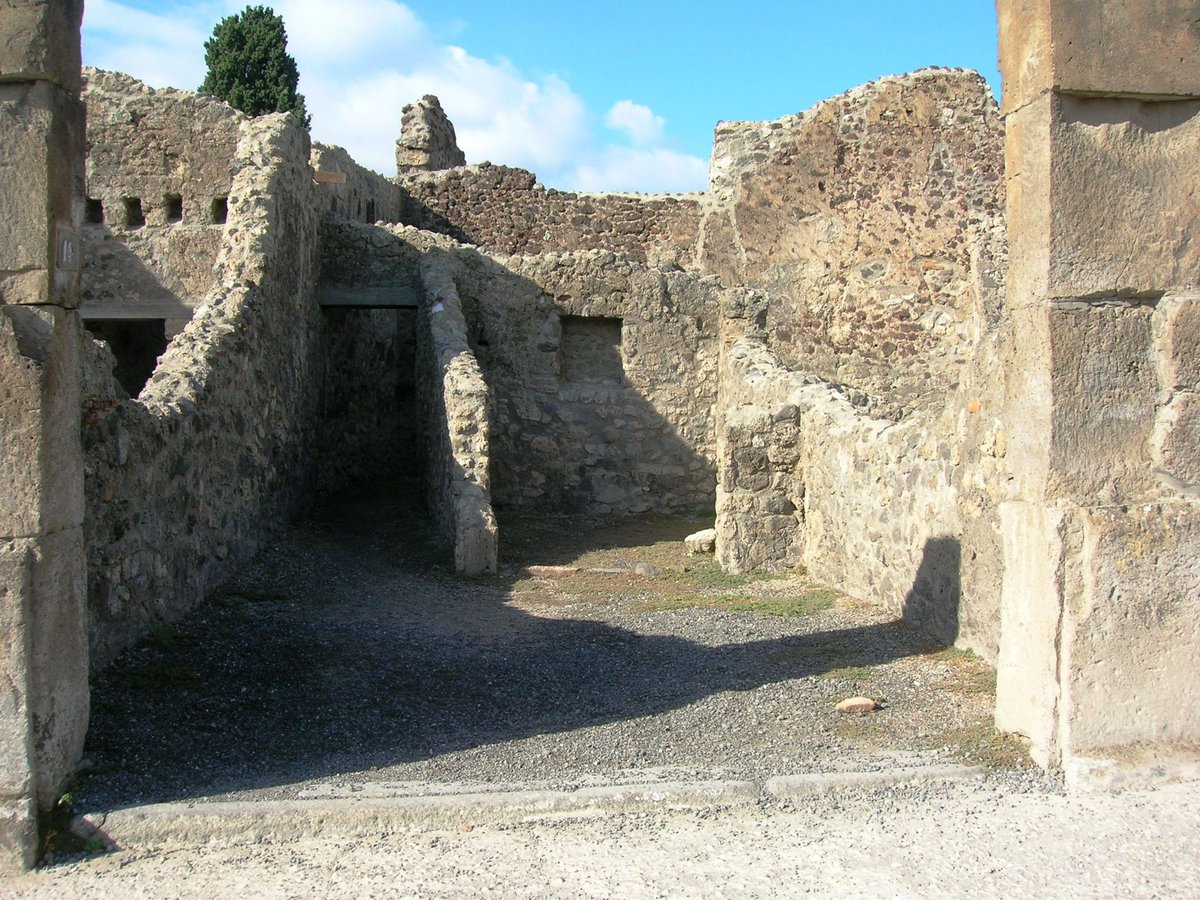
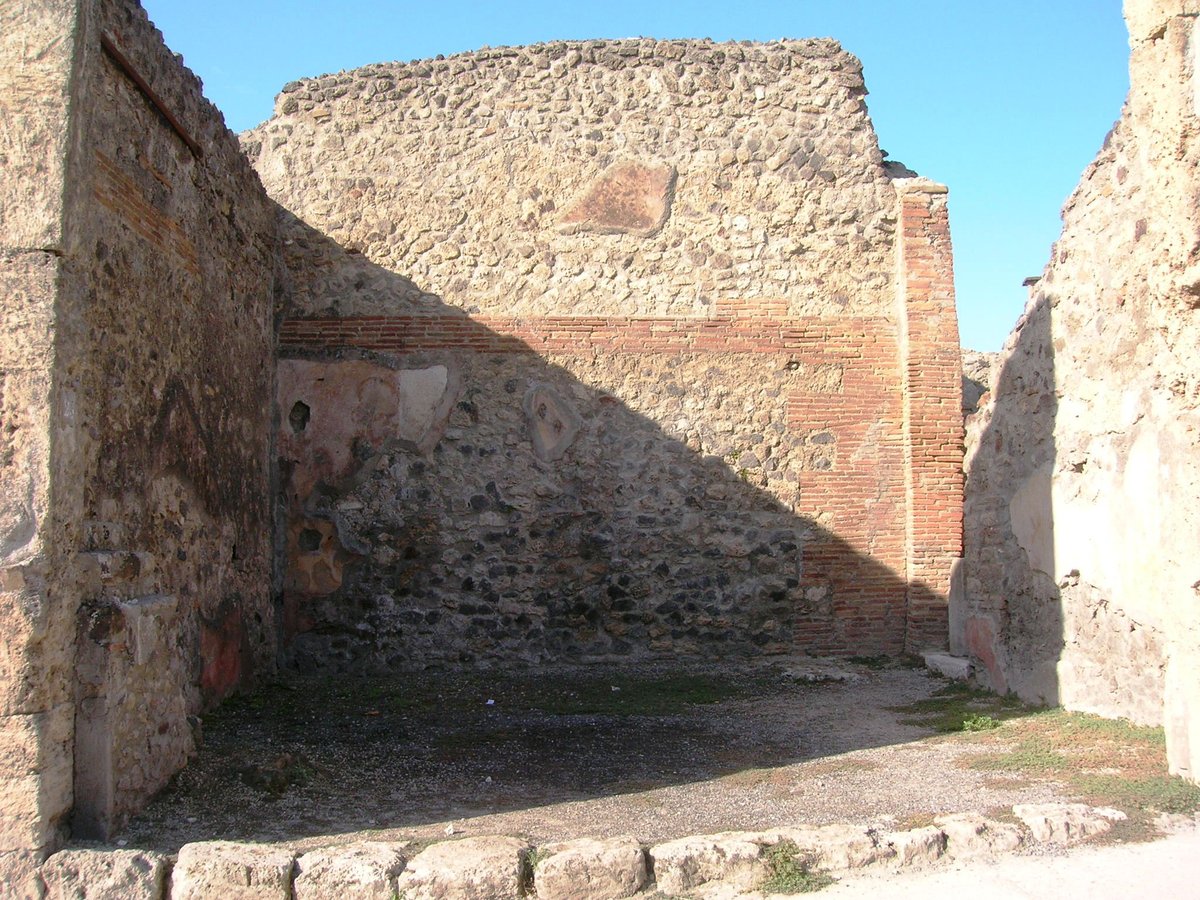
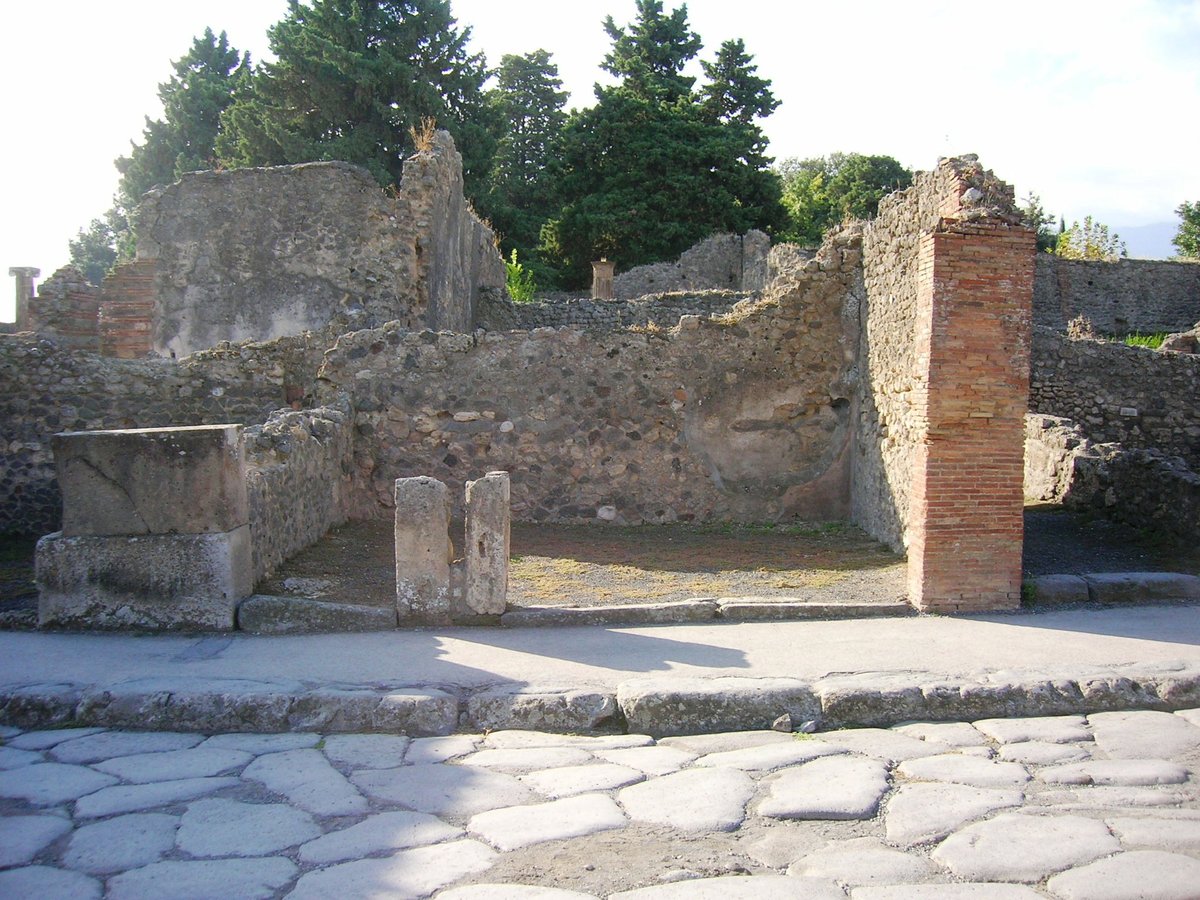
By the 1st century CE, parts of the house’s façade featured a thermopolium (street-front bar), bakery, and guest rooms, indicating its adaptation to Pompeii's growing commercial activity (Nomadic Matt).
Artistic and Decorative Highlights
Wall Paintings
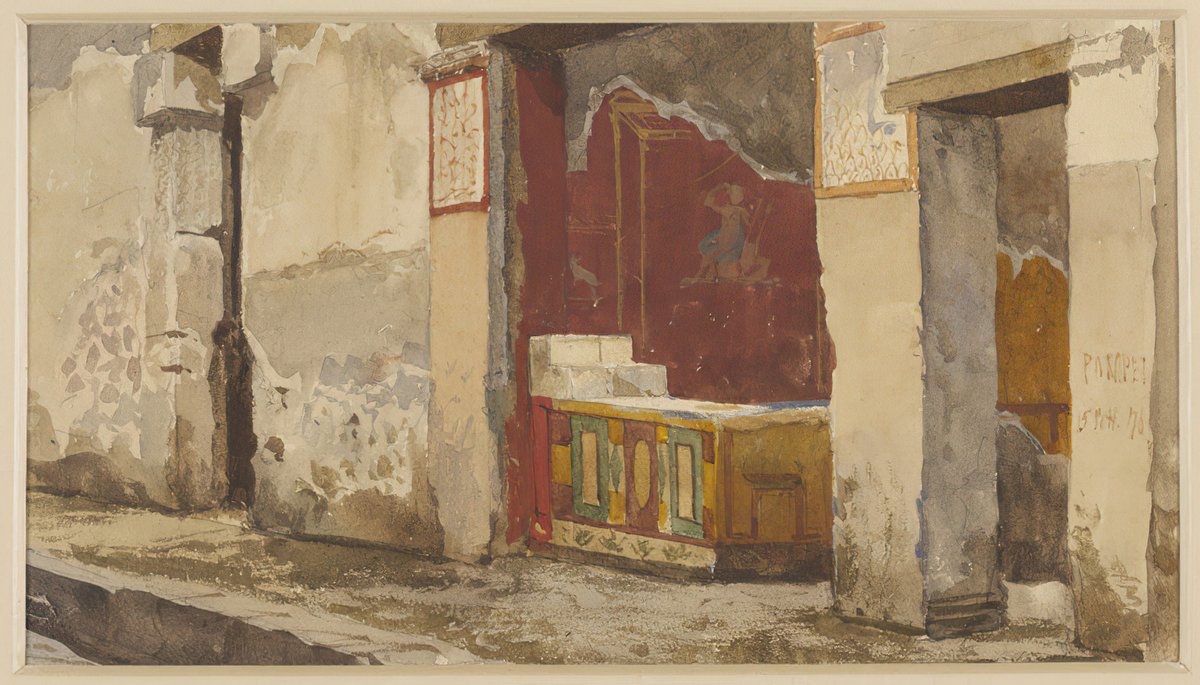
The House of Sallust is renowned for its First Style wall decoration—stucco panels painted to imitate marble—dating from the 2nd to early 1st century BCE. Later renovations introduced frescoes in the Second Style, depicting mythological scenes such as Actaeon and Hercules (Ancient Times).
Mosaics and Stucco
Intricate black-and-white mosaic floors and colorful stucco ornamentation enrich the atrium, triclinium (dining room), and other reception areas, showcasing the artistic sophistication of Pompeii’s elite.
Decorative Function
These artistic elements not only enhanced the home’s aesthetic appeal but also communicated the owner’s cultural literacy and social standing.
From Aristocratic Home to Hospitium
By the time of Vesuvius’s eruption, the House of Sallust had evolved into a hospitium—a form of ancient hotel catering to travelers and merchants. Evidence includes:
- Street-facing thermopolium for serving food and drink
- Rental rooms accessible from the street
- Commercial bakery and food preparation areas (Nomadic Matt)
This transformation reflects Pompeii’s dynamic urban economy and the adaptability of its architecture.
The House During the Eruption
The 79 CE eruption preserved the House of Sallust in remarkable condition. Archaeologists have uncovered:
- Charred food, personal artifacts, and hurriedly abandoned possessions
- Well-preserved wall paintings, mosaics, and structural details
- Minimal structural collapse, offering a near-complete view of a Roman domus (Savoring Italy)
Rediscovery and Archaeological Exploration
Systematic excavations began in the late 18th century, making the House of Sallust one of Pompeii’s earliest documented buildings. Milestones include:
- 18th–19th century mapping and documentation of the site’s layout and decoration
- 20th-century conservation and restoration, especially after WWII damage
- Ongoing research utilizing advanced archaeological methods (Ancient Times)
Visiting Information
Location and Access
- Address: Regio VI, Insula 2, Via Consolare, near Porta Ercolano
- Entrances: Easily reached from Porta Marina, Piazza Anfiteatro, or Porta Ercolano (Pompeii Official Map)
Opening Hours
- April–October: 9:00 AM – 7:00 PM (last entry 5:30 PM)
- November–March: 9:00 AM – 5:00 PM (last entry 3:30 PM)
- Closed: December 25, January 1, May 1
- Check for temporary closures due to conservation (Pompeii Official Site)
Tickets
- Standard single-entry: €18
- Combo/suburban villa: €22
- Three-day combo: €26 (Pompeii Ticketing)
- Advance booking is recommended, especially during high season and special events (SeePompeii)
- Purchase via TicketOne or at official entrances
Accessibility
- Ancient pavements and thresholds may challenge mobility-impaired visitors
- “Pompeii for All” accessible route available from Piazza Anfiteatro covers many nearby highlights (Pompeii Official Info)
- Staff can advise on alternative routes and assistance
Facilities
- Modern restrooms at main entrances and throughout the park
- Drinking fountains (bring a refillable bottle)
- Shaded areas in the atrium and peristyle
- Bookshop at Piazza Esedra for guidebooks and maps
Travel Tips and Nearby Attractions
- Best times to visit: Early morning or late afternoon for fewer crowds and cooler temperatures
- Footwear: Wear sturdy shoes for uneven surfaces
- Nearby sites: House of the Faun, House of the Vettii, Forum, Amphitheatre
- Guided tours: Available in multiple languages; consider booking for deeper insights (The Tour Guy)
Visitor Facilities and Conduct
- Personal photography allowed (no flash/tripods)
- No eating or drinking inside ancient houses
- Supervise children due to uneven terrain
- Respect preservation rules and avoid touching walls or mosaics
Frequently Asked Questions (FAQ)
Q: Is a separate ticket required for the House of Sallust?
A: No, entry is included with the general Pompeii Archaeological Park ticket.
Q: Are guided tours available in languages other than Italian and English?
A: Yes, many tours and audio guides are offered in multiple languages.
Q: Are wheelchair users able to visit the House of Sallust?
A: Partial accessibility is available; some areas may require assistance.
Q: Can I take photographs inside?
A: Yes, for personal use, but flash and tripods are restricted.
Q: Are restrooms and food facilities nearby?
A: Yes, found near main entrances and throughout the park.
Listen to the full story in the app
Your Personal Curator, in Your Pocket.
Audio guides for 1,100+ cities across 96 countries. History, stories, and local insight — offline ready.
Audiala App
Available on iOS & Android
Join 50k+ Curators
Sources
- verified
- verified
- verified
- verified
- verified
- verified
Last reviewed: