Introduction
The House of Octavius Quartio, also known as the House of Loreius Tiburtinus, stands as one of Pompeii’s most impressive archaeological treasures. Located in Regio II, Insula 2, along the bustling Via dell’Abbondanza, this grand residence immerses visitors in the refined world of ancient Roman elites through its innovative architecture, elaborate frescoes, and expansive gardens. The site’s integration of rural villa features—such as the striking water channels (euripi), verdant peristyle gardens, and mythological ornamentation—within an urban setting highlights its unique role in Pompeii’s social and cultural landscape. The house’s association with the cult of Isis and its ability to simulate sacred flooding rituals through its water features further underscore its spiritual significance.
As part of the Pompeii Archaeological Park, the House of Octavius Quartio offers a comprehensive window into domestic life, artistic achievement, and religious practice in ancient Rome. This guide provides a detailed exploration of the house’s history, architectural evolution, art and garden design, practical visitor information, and the latest conservation efforts, helping you make the most of your visit.
For further details and resources, see:
Pompeii Archaeological Park
Ermak Vagus
Pompeii in Pictures
- The Historical and Urban Context of Pompeii
- Locating the House of Octavius Quartio
- Architectural and Artistic Features
- Water Engineering Innovations
- Gardens: Layout, Horticulture, and Significance
- Cultural and Social Importance
- Visiting Information: Hours, Tickets, and Accessibility
- Visitor Experience: Tours, Tips, and Nearby Attractions
- Preservation and Recent Discoveries
- Frequently Asked Questions (FAQ)
- Conclusion and Visitor Recommendations
- References
1. The Historical and Urban Context of Pompeii
Pompeii, buried in the catastrophic eruption of Mount Vesuvius in 79 CE, preserves an unparalleled snapshot of Roman urban life. Its grid of streets and mixed-use neighborhoods blend public, commercial, and private spaces. The southeastern quarter, where the House of Octavius Quartio is located, is distinguished by its “green quarter,” featuring large gardens, vineyards, and open recreational spaces, setting it apart from the city’s denser commercial core.
2. Locating the House of Octavius Quartio
Situated in Regio II, Insula 2, the house lies near major Pompeian landmarks such as the Amphitheatre and the Palaestra Grande. Its prominent position along Via dell’Abbondanza enabled easy access to the city’s social, economic, and entertainment venues, reflecting the owner’s integration into Pompeii’s urban and political life.
3. Architectural and Artistic Features
Layout and Spatial Organization
Originally occupying an entire city block, the house underwent substantial remodeling after the 62 CE earthquake. Presently, visitors encounter a central atrium, flanked by cubicula (bedrooms), leading to an expansive peristyle garden and a rear extension surpassing 75 meters in length. Covered walkways (cryptoporticus) and a series of elegant columns frame the garden, while ornamental water channels run its length.
Decorative Elements
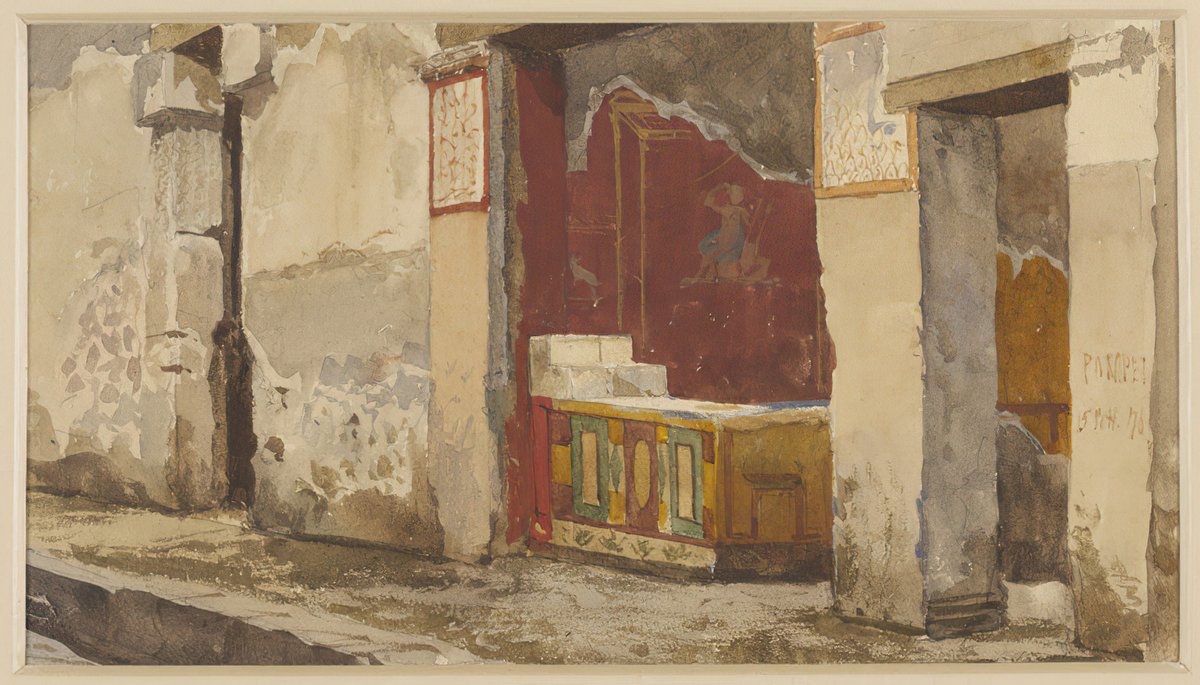
The interiors are adorned with Fourth Style frescoes depicting mythological scenes—such as Diana and Actaeon, and Pyramus and Thisbe—alongside intricate floor mosaics. These artistic details, including imitation marble and narrative friezes, showcase the technical mastery and literary interests of the Roman elite. Notably, some frescoes bear the rare signature “Lucius pinxit” (“Painted by Lucius”), highlighting the value attributed to individual artistic talent (pompeii.org.uk).
4. Water Engineering Innovations
Ornamental Water Channels (Euripi)
A defining feature is the pair of parallel ornamental water channels, approximately 60 meters long and supplied by lead pipes from the city aqueduct. Decorative fountains and statuettes line these canals, culminating in a nymphaeum—a shrine-like fountain structure—at the garden’s southern end. The garden could be deliberately flooded to evoke the Nile’s inundation, reflecting both Roman engineering prowess and religious symbolism tied to the cult of Isis.
Rainwater Management
Practical rainwater collection systems—underground cisterns and drainage channels—supported both domestic needs and garden irrigation, illustrating the sophisticated hydraulic design of elite Roman homes (ermakvagus.com).
5. Gardens: Layout, Horticulture, and Significance
Layout and Features
The garden stretches from the atrium, featuring a long peristyle bordered by colonnades and shaded pergolas. The central canal, lush plantings, mythological statues, and nymphaea create a tranquil, art-filled landscape.
Horticultural Elements
Archaeobotanical evidence reveals the gardens once featured roses, myrtles, boxwoods, figs, pomegranates, and climbing vines, providing both beauty and respite from the sun. Shaded walkways and trellises enriched the garden’s leisure value.
Artistic and Religious Layers
The garden was not only decorative but also spiritual: a small temple (sacellum) dedicated to Isis points to the household’s religious affiliations. Frescoes and mosaics with mythological and nature themes further animate the outdoor spaces.
6. Cultural and Social Importance
Religious Practices
Iconography dedicated to Isis, and the garden’s capacity for ritual flooding, illustrate the complex religious life of Pompeii’s elite. The blending of Roman and Egyptian traditions reflects the cosmopolitan character of the city.
Social Status and Political Life
Ownership of the house, attributed to D. Octavius Quartius thanks to a bronze seal, marked significant social standing. Political slogans on exterior walls highlight the interplay between private residence and public engagement.
Artistic Patronage and Identity
The mythological themes and signed artworks signal a cultivated identity, while the house’s design facilitated both private family life and large-scale entertaining, embodying Roman ideals of otium (leisure) and cultured living.
7. Visiting Information: Hours, Tickets, and Accessibility
- Opening Hours: Daily, 9:00 AM–7:00 PM (last entry one hour before closing; seasonal variations may apply).
- Tickets: Admission is included in the general Pompeii Archaeological Park ticket (€16 for adults; reduced rates for EU citizens aged 18–25; free for children under 18).
- Purchasing Tickets: Advance online purchase is recommended to avoid queues.
- Accessibility: While much of the house and gardens are accessible, some areas have uneven terrain and steps. Visitors with mobility challenges should contact the park for information on accessible routes.
(Pompeii Archaeological Park, GetYourGuide)
8. Visitor Experience: Tours, Tips, and Nearby Attractions
- Guided Tours: Available through official operators and the park. Audio guides and mobile apps (such as Audiala) offer in-depth commentary and interactive maps.
- Visitor Tips:
- Wear comfortable shoes; terrain is uneven.
- Early morning visits offer softer light and fewer crowds.
- Photography is permitted (no flash).
- Nearby Attractions: The Forum, Amphitheatre, Villa of the Mysteries, and Palaestra Grande are all within easy walking distance, enriching your Pompeii experience.
9. Preservation and Recent Discoveries
Ongoing conservation efforts address natural erosion and visitor impact. Strategies include structural stabilization, environmental controls, digital documentation, and international collaborations with organizations like UNESCO. Recent archaeological work using advanced technologies (e.g., LiDAR, 3D modeling) has enhanced understanding of the site’s gardens and water systems (pompeiiinpictures.com, pompeiiarchaeologicalpark.com).
10. Frequently Asked Questions (FAQ)
Q: Are guided tours available?
A: Yes, both group and private tours are offered. Audio guides are also available.
Q: Is photography allowed?
A: Yes, but flash and tripods are generally prohibited.
Q: Is the site accessible?
A: Some areas are challenging for those with limited mobility. Contact the park in advance for details.
Q: Are restrooms and cafes nearby?
A: Facilities are available within the archaeological park.
Q: Is the visit suitable for children?
A: Yes, but supervision is needed due to uneven surfaces.
Listen to the full story in the app
Your Personal Curator, in Your Pocket.
Audio guides for 1,100+ cities across 96 countries. History, stories, and local insight — offline ready.
Audiala App
Available on iOS & Android
Join 50k+ Curators
Sources
- verified
- verified
- verified
- verified
- verified
- verified
Last reviewed: