Introduction
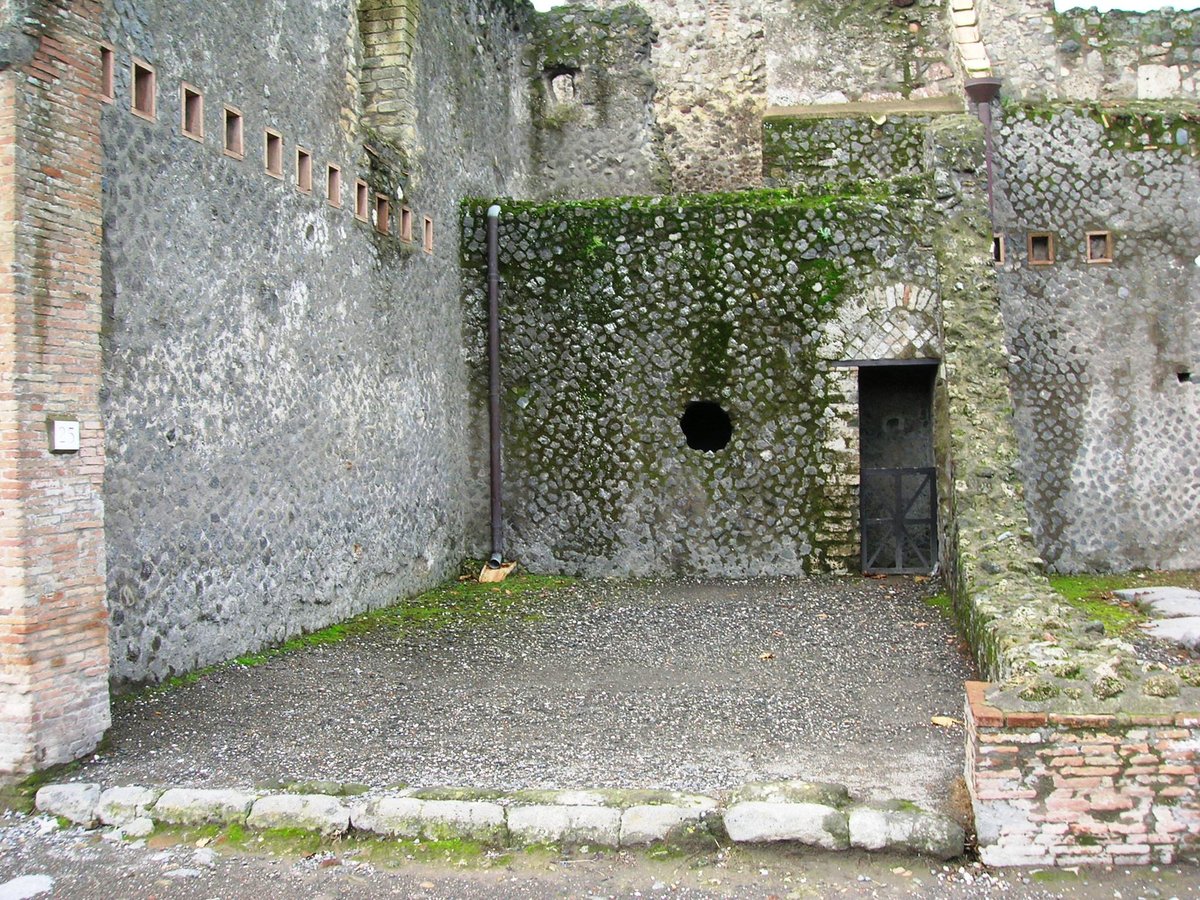
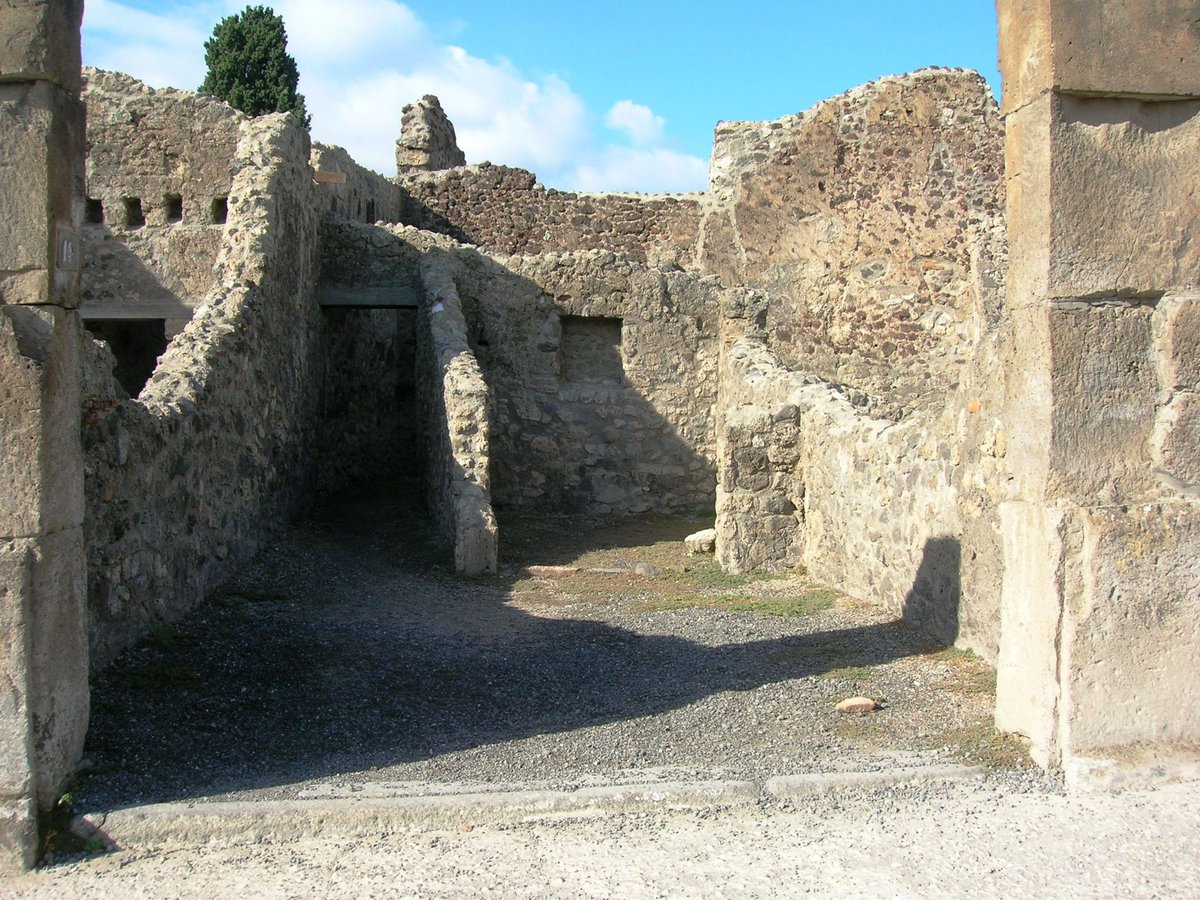
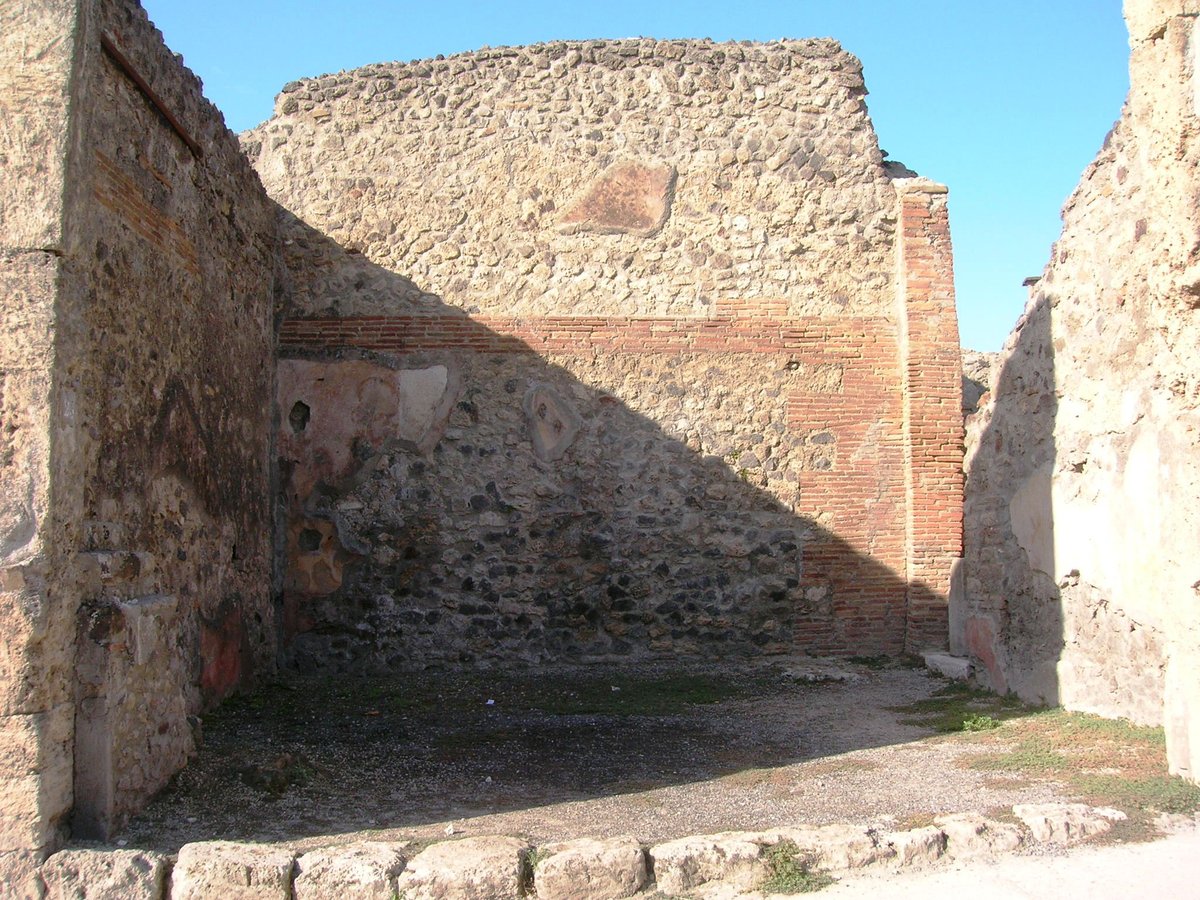
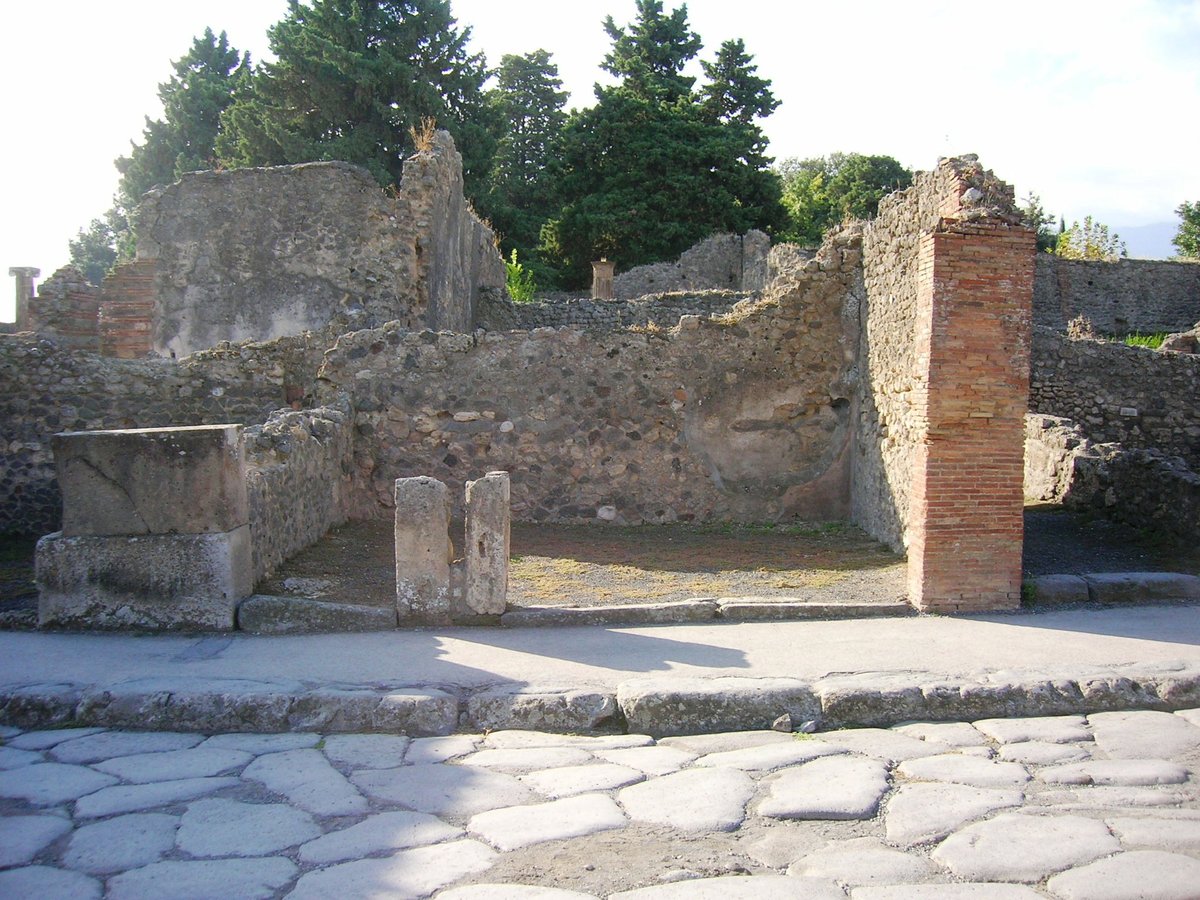
The Forum Baths of Pompeii, located adjacent to the city’s central Forum, remain one of the best-preserved and most evocative testaments to Roman public life, architecture, and engineering. Built between the late 2nd and early 1st century BCE, these communal baths served as hubs for hygiene, relaxation, exercise, and socialization for citizens of all backgrounds. Their proximity to the Temple of Jupiter underscores their civic and religious importance within ancient Pompeii.
Remarkably preserved thanks to the volcanic ash from Mount Vesuvius’s eruption in 79 CE, the Forum Baths allow visitors today to step back in time and experience firsthand the architectural innovations and social customs of ancient Rome. This guide provides up-to-date visiting information—including opening hours, ticketing, accessibility, and travel tips—alongside the baths’ historical context, architectural highlights, preservation efforts, and suggestions for nearby attractions. For the latest details and resources, consult the official Pompeii Archaeological Park website (Official Pompeii Archaeological Park), as well as trusted travel platforms (TripAnthropologist, Nomads Travel Guide).
Visitor Information
Forum Baths Visiting Hours
The Forum Baths are accessible during the general opening hours of the Pompeii Archaeological Park:
- April to October: 9:00 AM to 7:00 PM (last entry at 6:00 PM)
- November to March: 9:00 AM to 5:00 PM (last entry at 3:30 PM)
Note that hours may be subject to change on public holidays or for special events. Always check the official website for the most current information.
Tickets and Entry
Admission to the Forum Baths is included with the general Pompeii Archaeological Park ticket:
- Adults: Around €16
- EU citizens aged 18–25: Reduced rate
- Children under 18: Free
Tickets can be purchased online in advance to avoid queues. Guided tours featuring the Forum Baths are available through various providers for a deeper, more informative visit (Pompeii Tickets Tours).
Accessibility
While Pompeii’s ancient surfaces can be challenging, significant improvements have been made. The “Pompeii for All” initiative has created a 3.5-kilometre accessible route linking major sites, including the Forum Baths (Pompeiitravel.com). Free wheelchair rentals, accessible toilets, tactile guides, and assistance from trained staff are available. Some uneven surfaces remain; visitors with mobility needs are encouraged to plan ahead and bring a companion if required (GoPompeii).
Travel Tips
- Timing: Visit early or late in the day to avoid crowds and heat.
- Attire: Wear comfortable shoes and bring sun protection.
- Guides: Audio guides or guided tours (such as through the Audiala app) can greatly enhance your experience.
- Photography: Allowed, but flash and tripods may be restricted to protect delicate surfaces.
- Amenities: Rest areas, water fountains, and restrooms are available near main entrances.
Historical Background and Rediscovery
The Forum Baths were constructed in the late 2nd to early 1st century BCE, strategically placed near the Forum and Temple of Jupiter to serve as a public amenity for all social classes. After being damaged in the 62 CE earthquake, they were quickly restored and remained in use until the eruption in 79 CE.
Rediscovered in 1748, the Forum Baths’ exceptional preservation—thanks to the volcanic ash—has provided scholars with invaluable insights into Roman architecture, daily customs, and engineering. Giuseppe Fiorelli’s plaster casting technique, developed in the 19th century, further illuminated the lives of Pompeii’s residents (Madain Project).
Architectural Features and Engineering Innovations
Layout and Spaces
The complex is divided into separate men’s and women’s sections, each with its own entrance and full sequence of bathing rooms:
- Apodyterium: Changing room
- Frigidarium: Cold bath
- Tepidarium: Warm bath
- Caldarium: Hot bath
The men’s section is larger and more ornate, but both areas reflect a high degree of organization and inclusivity (TripAnthropologist, madainproject.com).
Engineering Innovations
- Hypocaust Heating: The baths’ advanced hypocaust system heated floors and walls by circulating hot air, ensuring comfort in the caldarium and tepidarium (Pompeii Archaeological Park).
- Water Management: Lead pipes delivered fresh water, while drainage systems efficiently removed wastewater.
- Natural Light and Ventilation: Skylights, clerestories, and vents provided natural illumination and temperature control.
- Decorative Elements: Stucco reliefs, frescoes, mosaics, and marble fixtures enhanced the baths’ aesthetic appeal (Nomads Travel Guide).
Social Role and Cultural Significance
The Forum Baths served not only as hygiene facilities but as essential social, political, and recreational centers. Citizens of all backgrounds mingled, networked, exercised, and relaxed here. The baths reflected Roman values of communal welfare, with public funding ensuring access for all. Art, inscriptions, and graffiti offer further evidence of the baths’ vibrant community life (mariamilani.com).
Their location near major temples also gave them a role in religious purification and civic rituals.
Restoration, Conservation, and Modern Access
Historic and Contemporary Restoration
After their initial restoration following the 62 CE earthquake, the Forum Baths have been a focus of conservation since their rediscovery. The €105 million “Great Pompeii Project” (2012–2015) supported structural consolidation, environmental monitoring, and advanced diagnostics, helping preserve mosaics, stucco, and the hypocaust system (Pompeiisites.org, Academia.edu).
Visitor Experience and Interpretation
Restoration efforts have revealed exquisite details such as terracotta telamones, original heating systems, and vibrant wall paintings. Informative signage, guided tours, and audio guides enhance the visitor experience (Nomads Travel Guide).
Nearby Attractions and Amenities
While at the Forum Baths, you are within walking distance of several other iconic sites:
- The Forum and Temple of Jupiter
- The Basilica
- House of the Faun
- The Amphitheatre
- Stabian Baths
Restrooms, cafes, and souvenir shops are available near main entrances.
Frequently Asked Questions (FAQ)
Q: What are the Forum Baths opening hours?
A: Generally 9:00 AM to 7:00 PM in summer; 9:00 AM to 5:00 PM in winter. Always check the official website for updates.
Q: How much are tickets?
A: Standard adult tickets are around €16, with reductions for EU citizens aged 18–25 and free entry for children under 18.
Q: Are the Forum Baths accessible for wheelchair users?
A: Yes, via the “Pompeii for All” accessible route, though some ancient surfaces may require assistance.
Q: Can I take guided tours?
A: Yes, guided tours and audio guides (e.g., Audiala app) are widely available.
Q: Is photography allowed?
A: Photography without flash is allowed; tripods and drones are restricted.
Listen to the full story in the app
Your Personal Curator, in Your Pocket.
Audio guides for 1,100+ cities across 96 countries. History, stories, and local insight — offline ready.
Audiala App
Available on iOS & Android
Join 50k+ Curators
Sources
- verified
- verified
- verified
- verified
- verified
- verified
- verified
Last reviewed: