Introduction
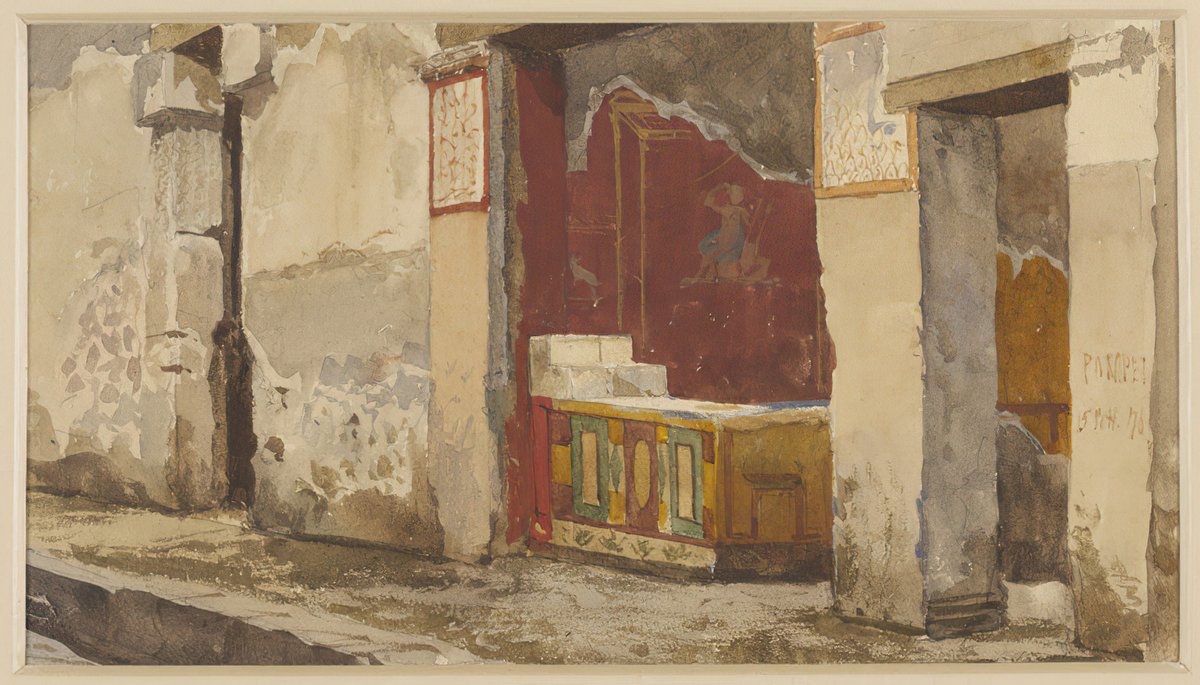
Fabbrica Del Sapone—Pompeii’s ancient Soap Factory—offers a captivating glimpse into the industrial heart of one of the Roman world’s most iconic cities. Located on the bustling Via Consolare near the city’s northwestern edge, this unique archaeological site reveals the sophistication of Roman manufacturing and the daily routines of Pompeii’s residents before the catastrophic eruption of Mount Vesuvius in 79 CE. Today, it welcomes visitors as part of the Pompeii Archaeological Park, blending archaeological intrigue with practical visitor amenities (Pompeii in Pictures, Mapcarta, Pompeii Official Website).
This comprehensive guide explores the history, layout, and significance of Fabbrica Del Sapone, and provides up-to-date information on visiting hours, tickets, accessibility, and tips for experiencing this exceptional site.
Historical Context
Location & Urban Setting
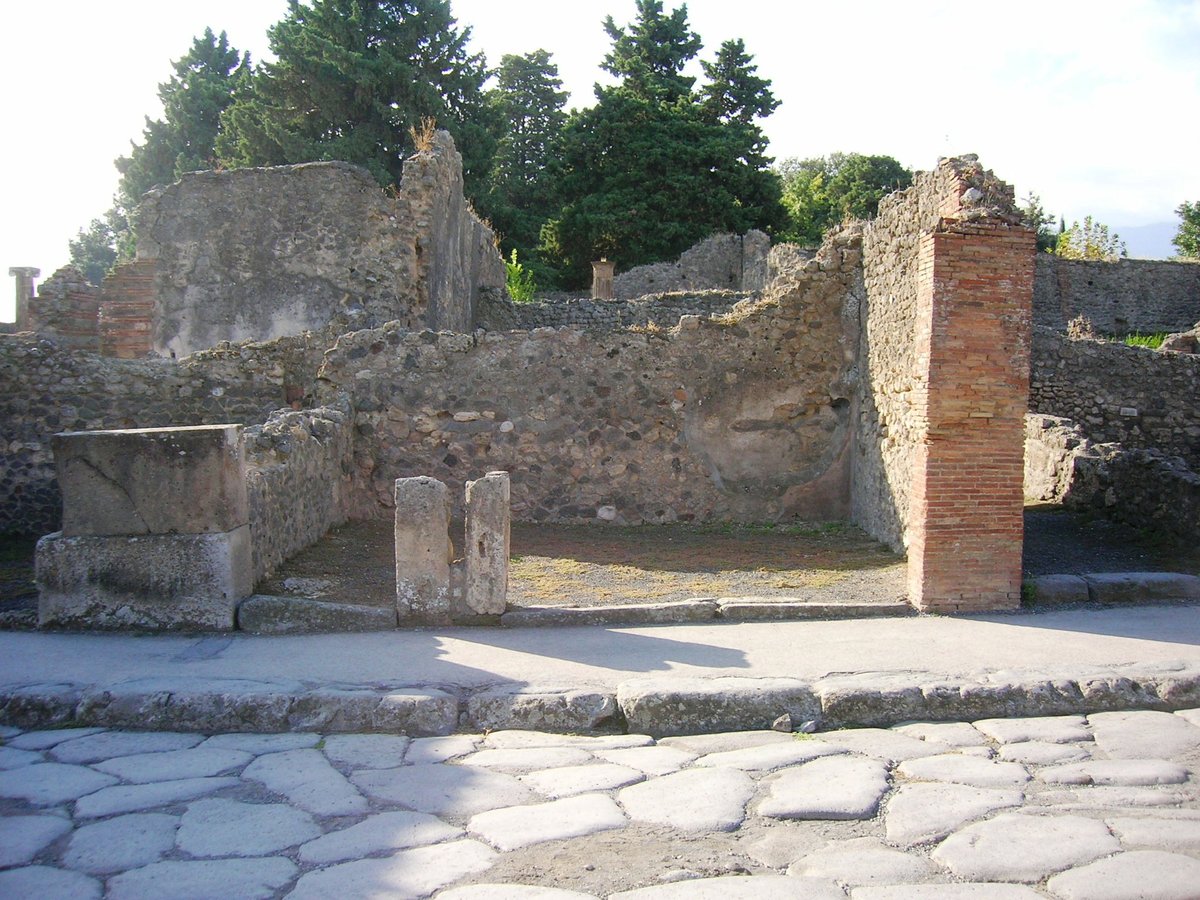
Fabbrica Del Sapone is strategically situated at VI.1.14 on the Via Consolare, a major thoroughfare in Pompeii’s northwestern quarter. Its prominent street-front location placed it at the intersection of commercial, residential, and transit activity, serving both locals and travelers arriving via the Porta Ercolano gate (Pompeii in Pictures, Mapcarta). The site is easily accessed from main park entrances including Porta Marina and Piazza Anfiteatro, and is well marked on official maps (Pompeiisites.org).
Chronology & Function
Excavated in 1788, Fabbrica Del Sapone is identified as a soap factory based on its characteristic industrial installations and spatial organization, in line with Roman officinae (workshops). The complex was likely connected to adjacent properties (VI.1.15, VI.1.16, and VI.1.21), forming a commercial hub with shared management or ownership (Pompeii.uk).
Socio-Economic Role
Soap was an essential commodity in ancient Pompeii, used in private homes and public bathhouses—a reflection of Roman hygiene culture (Monuments and Sights). Fabbrica Del Sapone contributed to local employment and the city’s economic network, benefitting from Pompeii’s access to raw materials and trade routes.
Archaeological Features & Layout
Fabbrica Del Sapone occupies part of a typical Pompeian insula (city block), organized for both industrial and residential use.
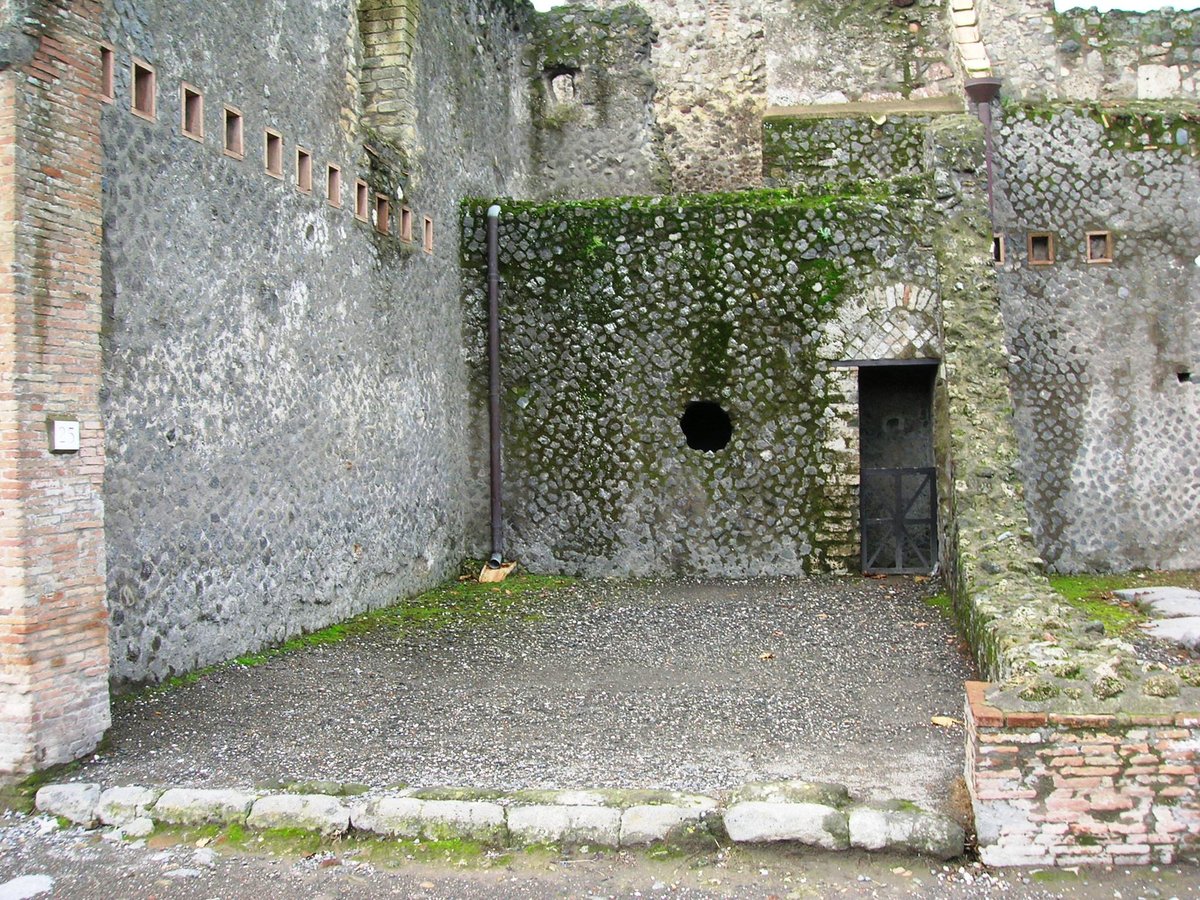
- Production Area: The main workshop includes large basins and vats for rendering animal fats and mixing alkaline substances. Robust masonry with thick walls and opus signinum flooring (waterproof mortar) was designed for safety and cleanliness.
- Storage & Utility Rooms: Adjacent rooms stored raw materials and finished goods, evidenced by amphorae and dolia found in situ.
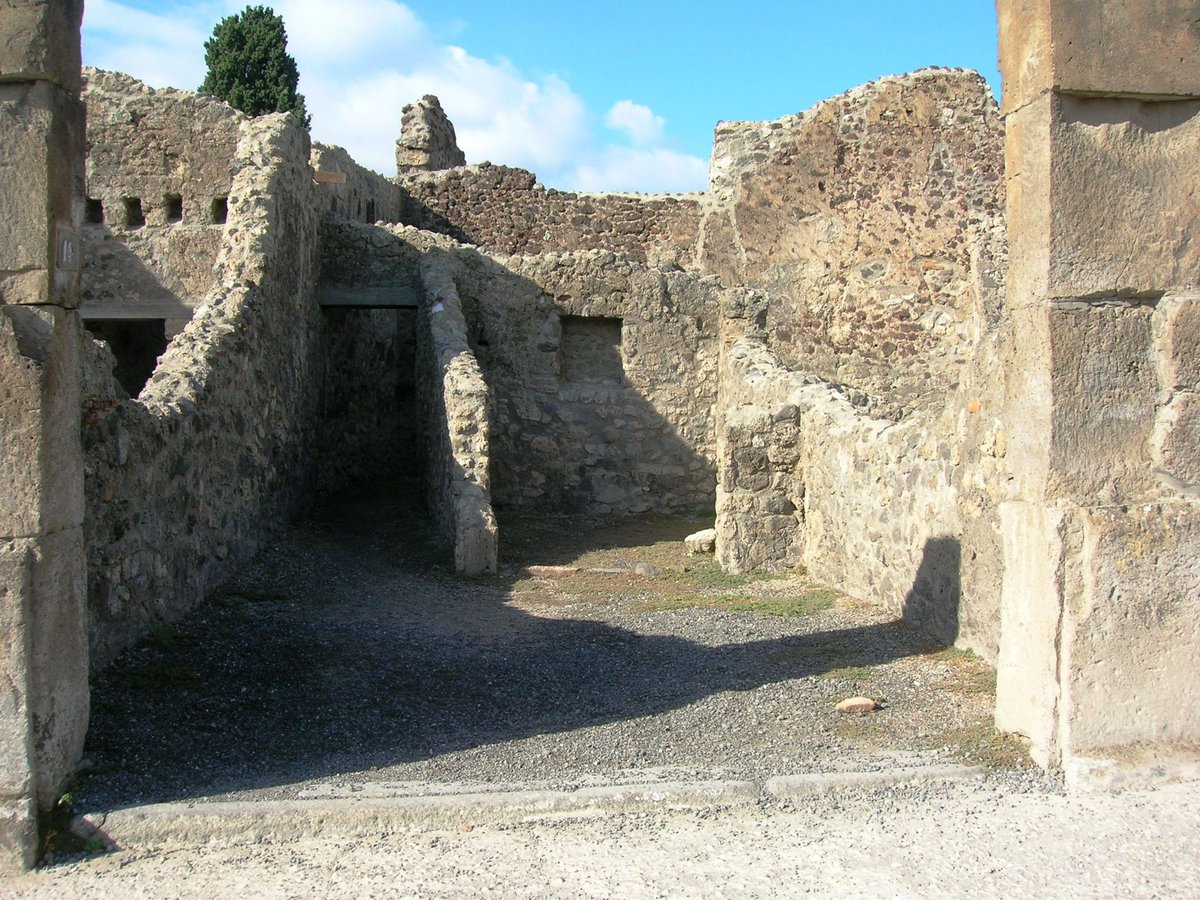
- Courtyard: A small internal courtyard provided light, ventilation, and movement between workspaces.
- Access Points: Multiple entrances—including a rear entry at VI.1.21—facilitated the flow of goods and personnel.
- Residential Integration: Living quarters for workers or proprietors likely occupied upper floors or rear sections, illustrating the Roman practice of combining work and domestic life (Pompeii.uk).
Architectural Features
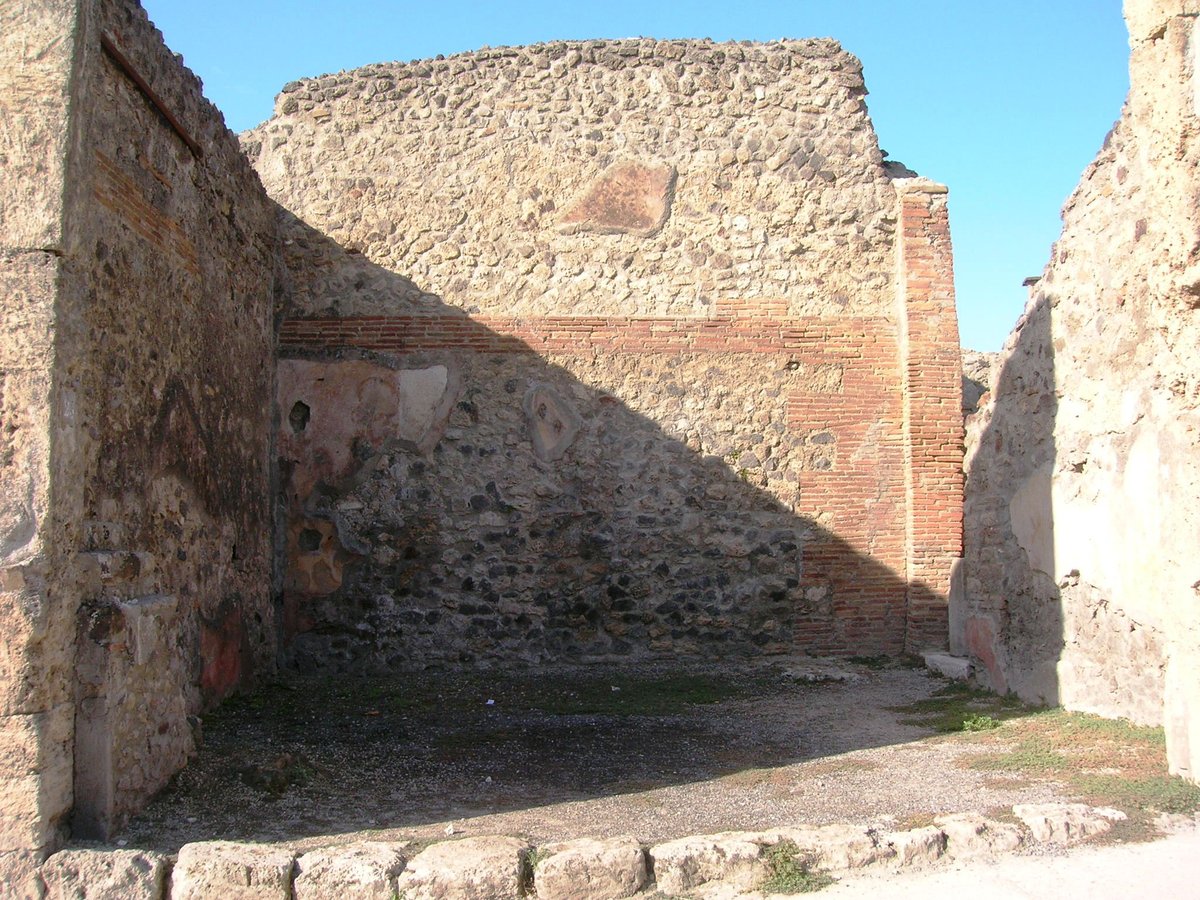
- Constructed with local volcanic stone, brick, and plastered walls, some areas preserve simple painted motifs or graffiti (Dark Rome).
- Industrial installations include large vats, brick furnaces, and drainage systems connected to the city’s sewers (Dark Rome).
- The spatial organization separated production, storage, and residential functions for safety and efficiency.
Significance in Pompeian Society
Fabbrica Del Sapone plays a vital role in understanding Pompeii’s daily life and social structure:
- Hygiene & Daily Life: The factory underscores the Roman emphasis on cleanliness and public health (Italia Concierge).
- Economic Mobility: Workshops like this provided employment and potential advancement, especially for freedmen and slaves.
- Urban Infrastructure: Its location and integration with Pompeii’s water and sewer networks demonstrate advanced urban planning (Monuments and Sights).
Research, Preservation & Conservation
Excavation & Research
Fabbrica Del Sapone has been studied since the late 18th century, providing insights into Roman industry, labor, and commerce. Comparative research with other Pompeian workshops continues to expand our understanding (History Tools).
Conservation
Ongoing conservation is supported by the Italian Ministry of Culture and international partners, employing techniques like controlled access, regular monitoring, and restorative materials to preserve the site (UNESCO).
Visitor role: Stay on marked paths, avoid touching ancient features, and follow all site guidelines to aid preservation (Untold Italy).
Visitor Information
Visiting Hours & Tickets
- Opening Hours: Generally 9:00 AM to 7:00 PM (last entry at 6:00 PM), with seasonal variations. Always confirm via the official website.
- Tickets: Standard Pompeii Archaeological Park tickets include Fabbrica Del Sapone. Prices are typically €16–€19 for adults, with discounts for EU residents under 25, and free entry for children under 18 (Pompeii Official Website).
- Advance Booking: Highly recommended, especially during peak seasons (Pompeii Tickets).
Guided Tours & Special Events
- Guided Tours: Available through the park and third-party operators, often led by archaeologists or historians. These tours offer deeper historical context and may include skip-the-line access.
- Virtual Tours: Digital resources and VR experiences are available for remote visitors (The Pompeii).
Accessibility
- Pompeii’s ancient streets are uneven, but "Pompeii for All" routes provide improved access. Some areas of Fabbrica Del Sapone may be challenging; contact park services for assistance or wheelchair rentals (Travel with Kinsley).
Photography & Conduct
- Non-flash photography is permitted; use of tripods and drones requires special authorization.
- Eating is permitted only in designated areas; restrooms, cafés, and first aid are available at main entrances (The Pompeii).
Visiting Tips & Practical Information
- Arrive Early or Late: Enjoy cooler temperatures and fewer crowds.
- Wear Sturdy Shoes: Pompeii’s cobbled streets are uneven.
- Pack Essentials: Sunscreen, hat, refillable water bottle, rain jacket, and a small backpack.
- Use Maps & Apps: Official maps and the Audiala app offer navigation and audio commentary.
- Transportation: The Circumvesuviana train connects Naples and Sorrento to Pompeii (Pompeii Scavi station). Paid parking is available near entrances (Untold Italy).
Frequently Asked Questions (FAQ)
What are the Fabbrica Del Sapone visiting hours?
It follows Pompeii Archaeological Park hours, typically 9:00 AM to 7:00 PM. Always check the official website for updates.
Are tickets for Fabbrica Del Sapone included with Pompeii entry?
Yes, general admission tickets cover all accessible sites, including Fabbrica Del Sapone.
Is the Soap Factory accessible to wheelchair users?
Partial accessibility is available, but some uneven terrain may limit access. Contact the park in advance for details.
Are guided tours available?
Yes, both official and private tours include Fabbrica Del Sapone, often with a focus on Pompeii’s industrial history (Pompeii Tickets).
Can I take photographs?
Non-flash photography is generally permitted; check on-site signage for any restrictions.
Listen to the full story in the app
Your Personal Curator, in Your Pocket.
Audio guides for 1,100+ cities across 96 countries. History, stories, and local insight — offline ready.
Audiala App
Available on iOS & Android
Join 50k+ Curators
Sources
- verified
- verified
- verified
- verified
- verified
- verified
- verified
- verified
- verified
- verified
Last reviewed: