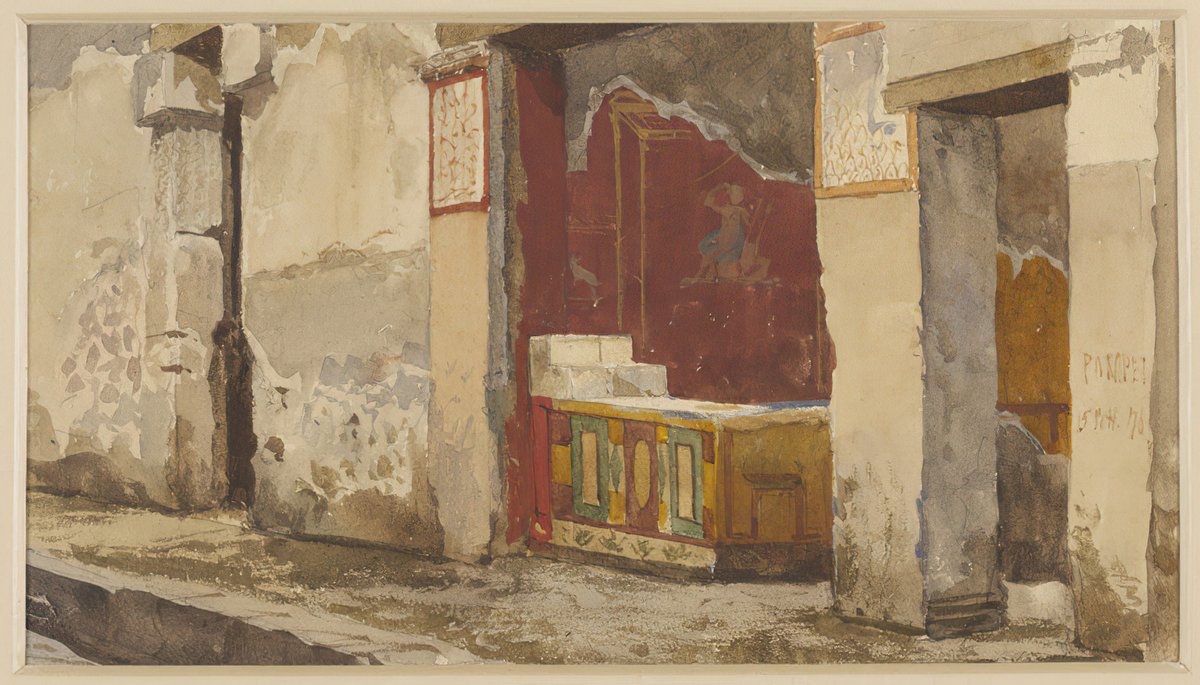
Introduction to the Dye Shop of Ubonius: History and Significance
The Dye Shop of Ubonius (VII.2.11) stands as a remarkable testament to the vibrant artisanal and commercial life of ancient Pompeii. Located along the bustling Via Stabiana, this well-preserved workshop provides an authentic glimpse into the sophisticated world of Roman textile dyeing—a craft integral to Pompeii’s urban economy and social fabric. Excavated in the 19th century, the Dye Shop seamlessly blends domestic and industrial functions, featuring masonry vats, lead kettles, and evocative frescoes that illuminate the dyeing process. The presence of natural pigments such as madder, indigo, and saffron underscores Pompeii's role in Mediterranean trade and highlights the expertise of its dyers, known as "tinctorii" or "fullones." The shop’s cultural significance is further revealed in election graffiti and artisan art, offering insights into the social and political engagement of Pompeii’s working class (Pompeii in Pictures; Pompeii Archaeological Park; Archaeopress Sample PDF).
For modern visitors, understanding the Dye Shop’s historical context enriches the experience of exploring the Pompeii Archaeological Park. The site is included as part of the general Pompeii ticket, with visiting hours typically from 9:00 AM to 7:00 PM in peak season. Accessibility challenges are addressed through guided tours and online resources offering virtual reconstructions and high-resolution imagery. Ongoing preservation efforts, including 3D scanning and chemical residue analysis, serve to protect and document this unique heritage site.
Whether you are a history enthusiast, archaeology lover, or casual traveler, the Dye Shop of Ubonius invites you to experience the intricacies of Roman craftsmanship and the dynamic commercial life of Pompeii. Planning your visit with up-to-date ticket information and exploring related attractions such as other fullonicae, bakeries, and the Naples Archaeological Museum will further enhance your journey.
Origins and Historical Development of the Dye Shop of Ubonius (VII.2.11)
Located at VII.2.11 on Via Stabiana, the Dye Shop of Ubonius exemplifies the integration of domestic and commercial life in Roman Pompeii. Excavations in 1843 and 1867/8 revealed a workshop and residence that was active up to the eruption of Mount Vesuvius in 79 CE, with evidence of repairs following the 62 CE earthquake (pompeii.pictures). The shop’s name is derived from Ubonius, likely the proprietor or master dyer. A notable fresco at the entrance—depicting a bearded man carrying a garment on a pole—served both as a business advertisement and a symbol of professional pride (pompeii.pictures).
Economic Role of Dyeing in Pompeii
Dyeing was a vital industry in Pompeii’s economy, supported by the city’s access to raw materials and strategic trade routes (pompei.it). Wool, the principal textile, was processed in workshops like Ubonius’s. Two types of dyeing operations existed: the "offector" (re-dyeing/restoring textiles) and the "infector" (dyeing new cloth). Ubonius’s shop operated as an offector, specializing in garment restoration (reddit). Investments in vats, lead kettles, and fire installations highlight the industry’s economic importance.
Workshop Layout and Archaeological Evidence
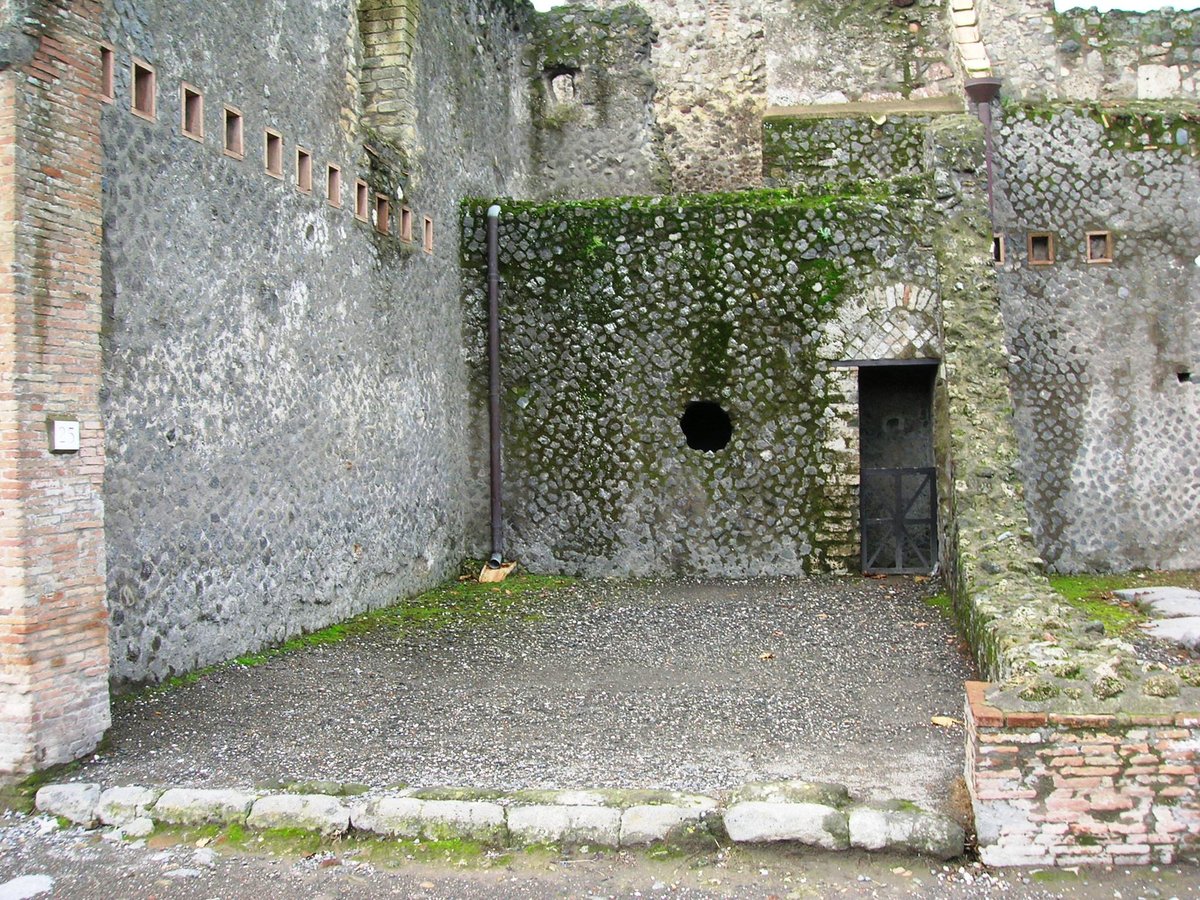
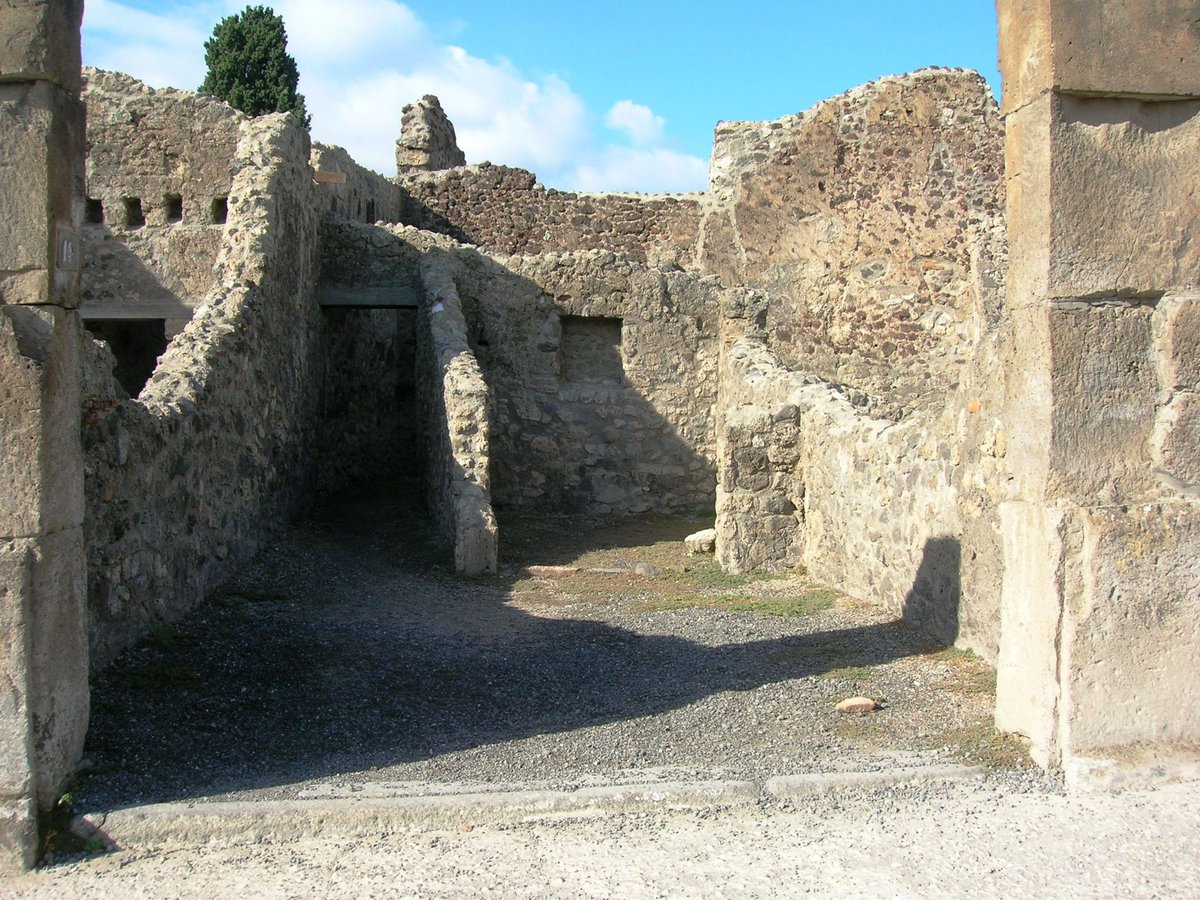
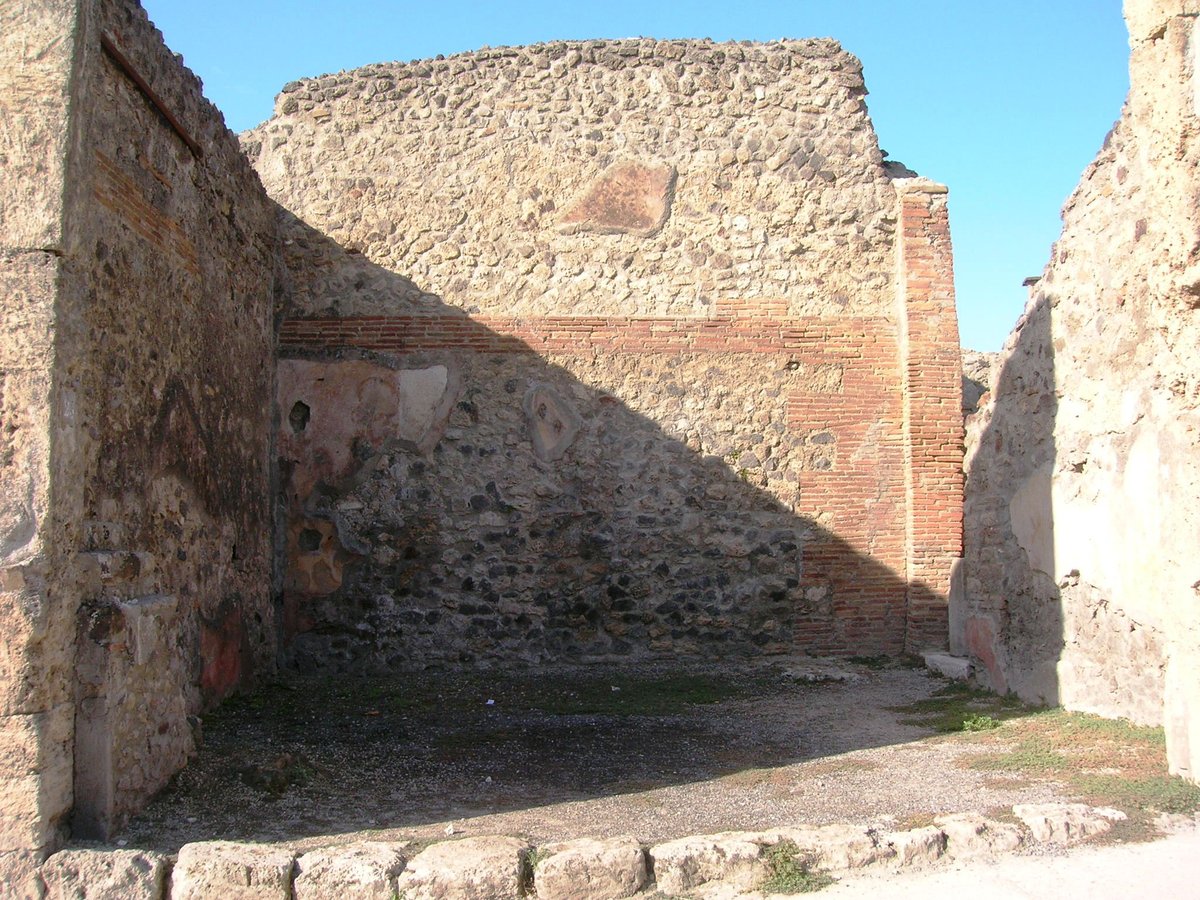
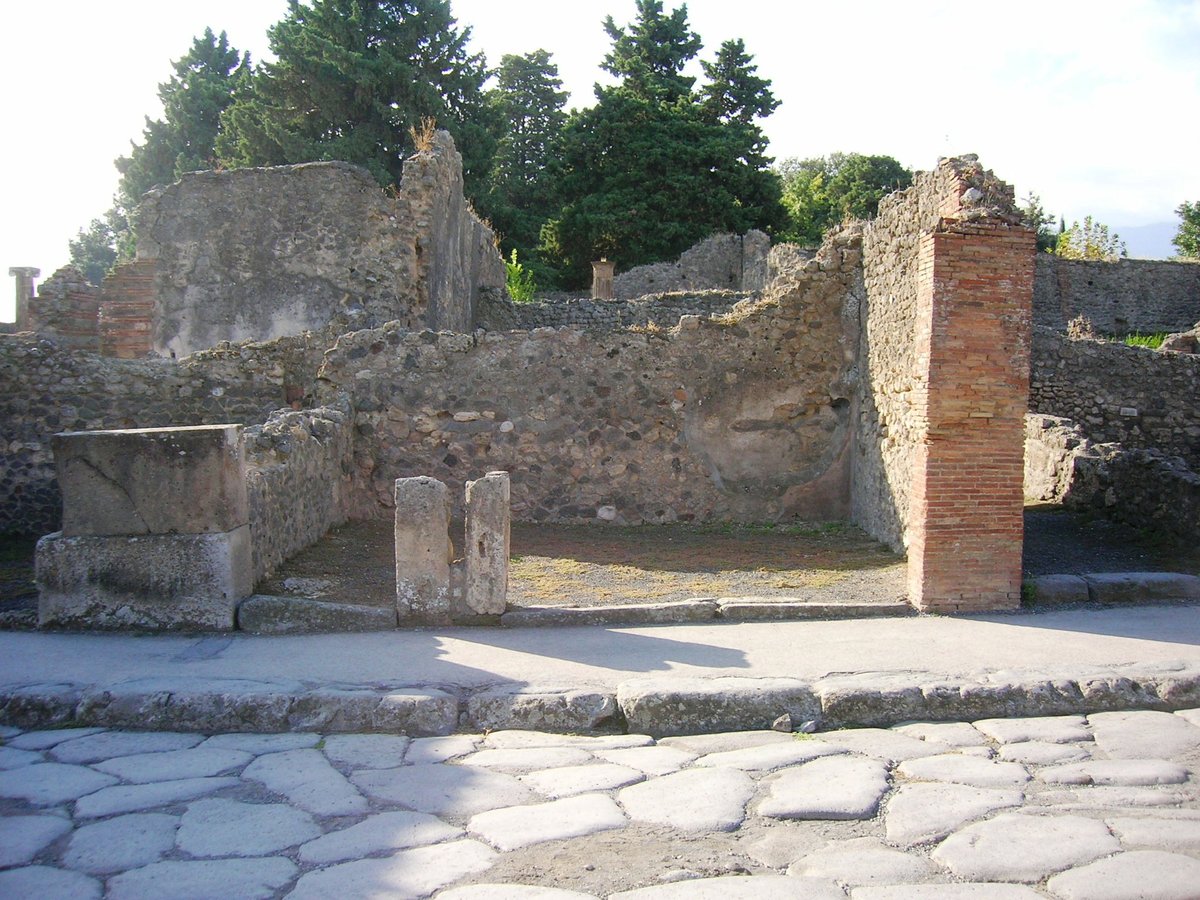
The Dye Shop’s remains illustrate the organization of Roman dyeing operations. The entrance, marked by a pilaster and a fresco, leads into a vestibule and then a peristyle courtyard. In the southeast corner, nine lead kettles set in masonry (with fire spaces underneath) managed dye baths requiring precise temperature control (pompeii.pictures). A recess in the north wall contained wooden shelves for glass containers of pigments and chemicals, indicating a well-equipped workshop. The layout supported efficient workflow from textile reception through dyeing, drying, and storage.
Social and Cultural Significance
Dyeing was both a respected and essential trade in Pompeii. Dyers (tinctorii/fullones) were skilled artisans, and the shop’s prominent location and frescoes underscore the competitive nature of Roman commerce (pompeii.pictures). The trade required chemical expertise and access to imported dyes such as madder, indigo, and Tyrian purple. Techniques included the use of urine for degreasing and soda for processing (pompei.it), with dyed fabrics serving both practical needs and as markers of social status (oxrep.web.ox.ac.uk).
Integration with Pompeii’s Urban Economy
The Dye Shop of Ubonius typifies Pompeii’s specialized, trade-driven economy. Workshops clustered along major streets, often owned by entrepreneurial families, added value to raw materials and supported related trades like tailoring and weaving (oxrep.web.ox.ac.uk). The diversity of consumer goods, coins, and high-quality urban amenities reflects a prosperous community.
Archaeological and Artistic Legacy
Artifacts such as masonry vats, pigment containers, and the renowned entrance fresco provide key insights into daily and economic life in Pompeii. The fresco, now in the Naples Archaeological Museum (inventory ADS 1222), is a rare example of occupational art (pompeii.pictures). Historical photographs, drawings, and modern documentation preserve the shop’s layout and features for ongoing study.
Practical Visitor Information
Visiting Hours
The Dye Shop of Ubonius is accessible during Pompeii’s general archaeological site hours:
- April 1 – October 31: 9:00 AM–7:00 PM (last entry 5:30 PM)
- November 1 – March 31: 9:00 AM–5:00 PM (last entry 3:30 PM)
- Closed December 25, January 1, and May 1
Always confirm with the official site before your visit.
Ticket Information
General admission to Pompeii includes entry to the Dye Shop of Ubonius.
- Adults: €18–22
- EU citizens 18–25: Reduced rate
- Under 18s: Free
Purchase tickets online via TicketOne to avoid queues. Free entry is available on the first Sunday of each month.
Accessibility
The shop is largely visible from Via Stabiana, with some interior access restricted to protect fragile remains. The terrain is uneven and may pose challenges for visitors with limited mobility. Contact the visitor center for accessibility details.
Nearby Attractions
Explore other artisan workshops, bakeries, and the House of the Faun nearby. The Naples Archaeological Museum, home to the shop’s original fresco, is also highly recommended.
Preservation and Conservation Insights
Pompeii’s archaeological sites, including the Dye Shop, face challenges from weathering, foot traffic, and environmental threats (Pompeii Archaeological Park). Conservation strategies focus on preventative maintenance, digital documentation (3D scanning, photogrammetry), and educational programs. Scientific analysis of materials informs both historical interpretation and conservation choices (Academia.edu).
Frequently Asked Questions (FAQ)
Q: What are the visiting hours?
A: 9:00 AM–7:00 PM (April–October), 9:00 AM–5:00 PM (November–March); last entry 90 minutes before closing.
Q: Is a separate ticket required?
A: No, entry is included with the general Pompeii ticket.
Q: Is the Dye Shop accessible for wheelchair users?
A: Access is limited due to uneven surfaces; some exterior viewing is possible.
Q: Can I take photos?
A: Yes, photography is allowed, but please respect site barriers and preservation rules.
Q: Are guided tours available?
A: Yes, many guided tours include the Dye Shop as part of their itinerary.
Visitor Tips
- Arrive early to avoid crowds.
- Wear sturdy shoes and bring sun protection.
- Carry water; fountains are available, but food is limited inside the park.
- Download a map or use a guided tour for easier navigation.
- Respect the site as both an archaeological treasure and a memorial.
Summary
The Dye Shop of Ubonius is a unique portal into the industrious and creative spirit of ancient Pompeii. Its preserved remains—dyeing vats, frescoes, and workshop layout—reveal the technical mastery and social importance of Roman dyers. By understanding the shop’s context, respecting conservation efforts, and leveraging modern resources, visitors can enjoy an enriched and memorable experience at one of Pompeii’s most evocative artisan sites.
Listen to the full story in the app
Your Personal Curator, in Your Pocket.
Audio guides for 1,100+ cities across 96 countries. History, stories, and local insight — offline ready.
Audiala App
Available on iOS & Android
Join 50k+ Curators
Sources
- verified
- verified
- verified
- verified
- verified
- verified
- verified
- verified
- verified
- verified
- verified
Last reviewed: