Introduction
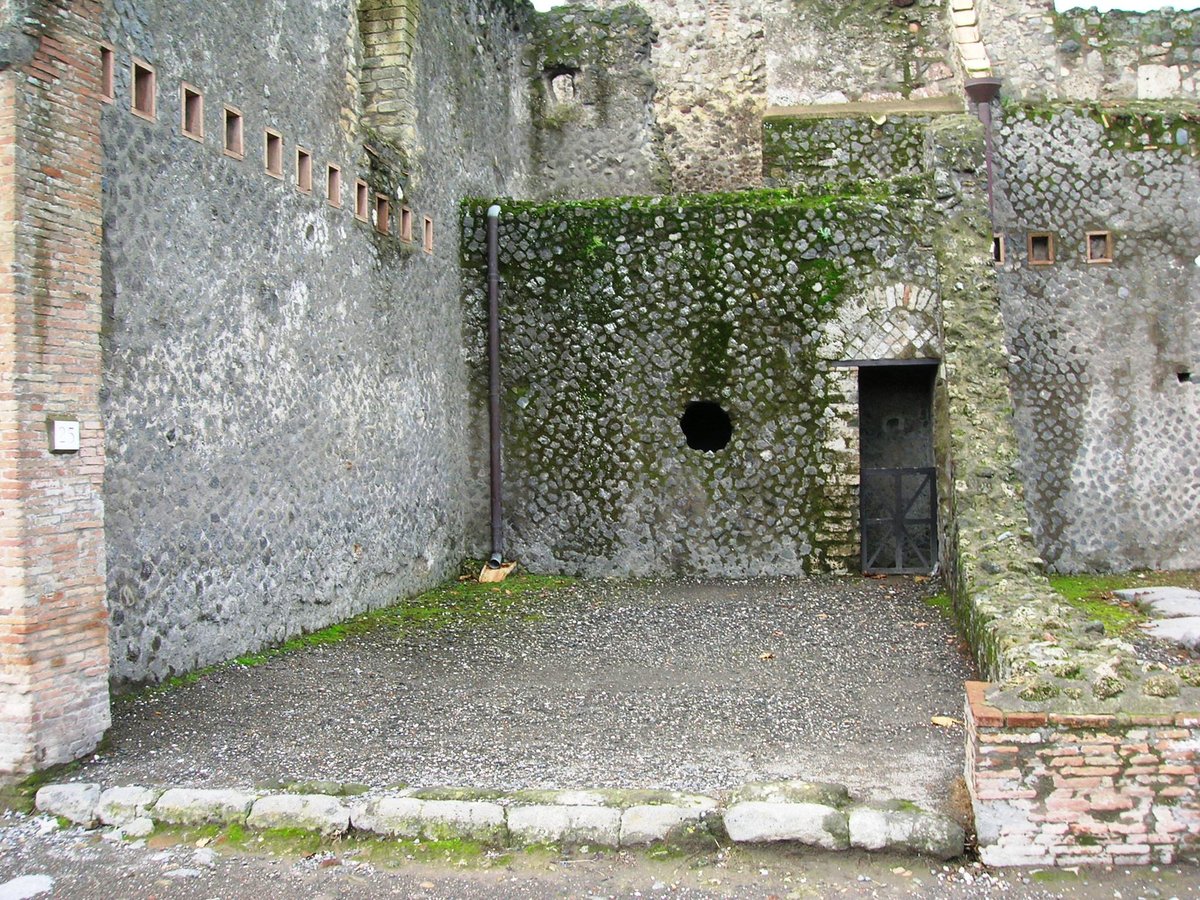
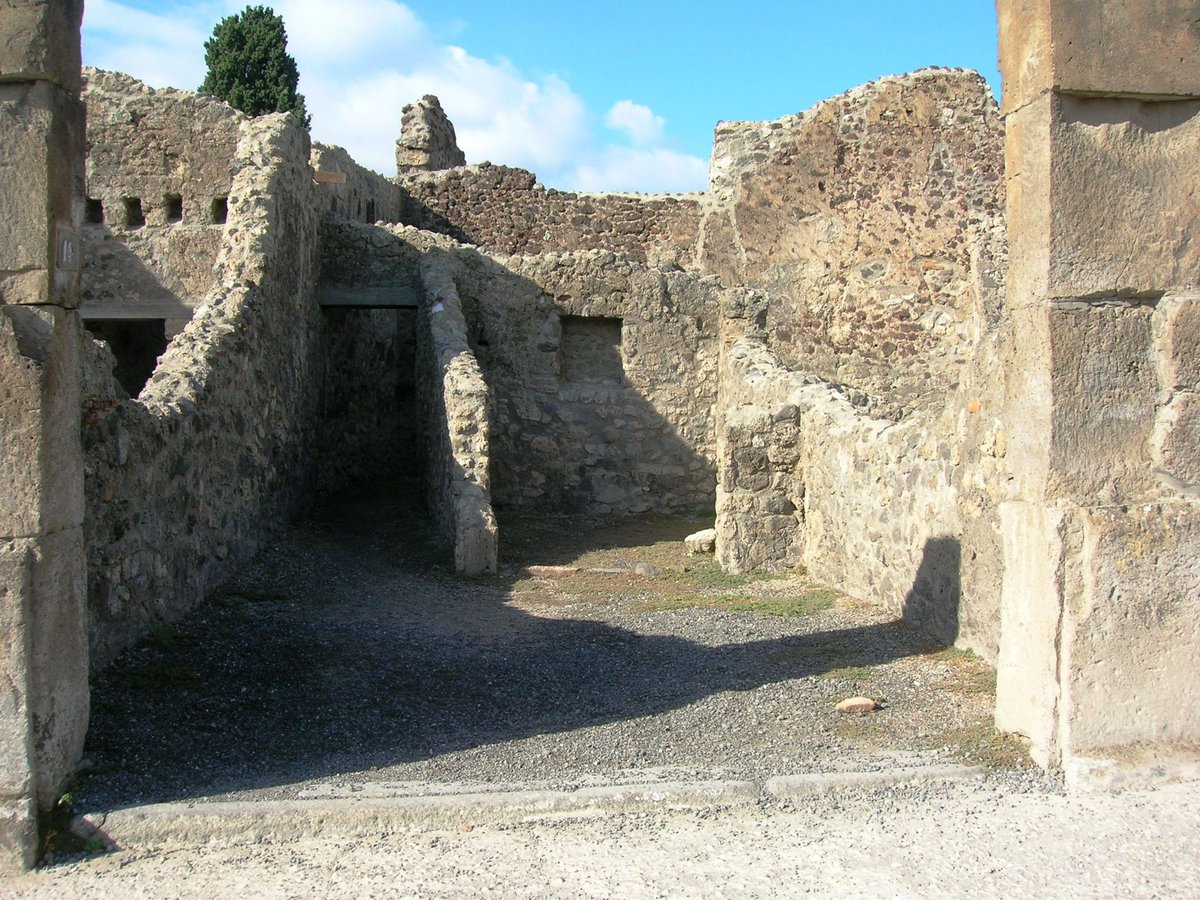
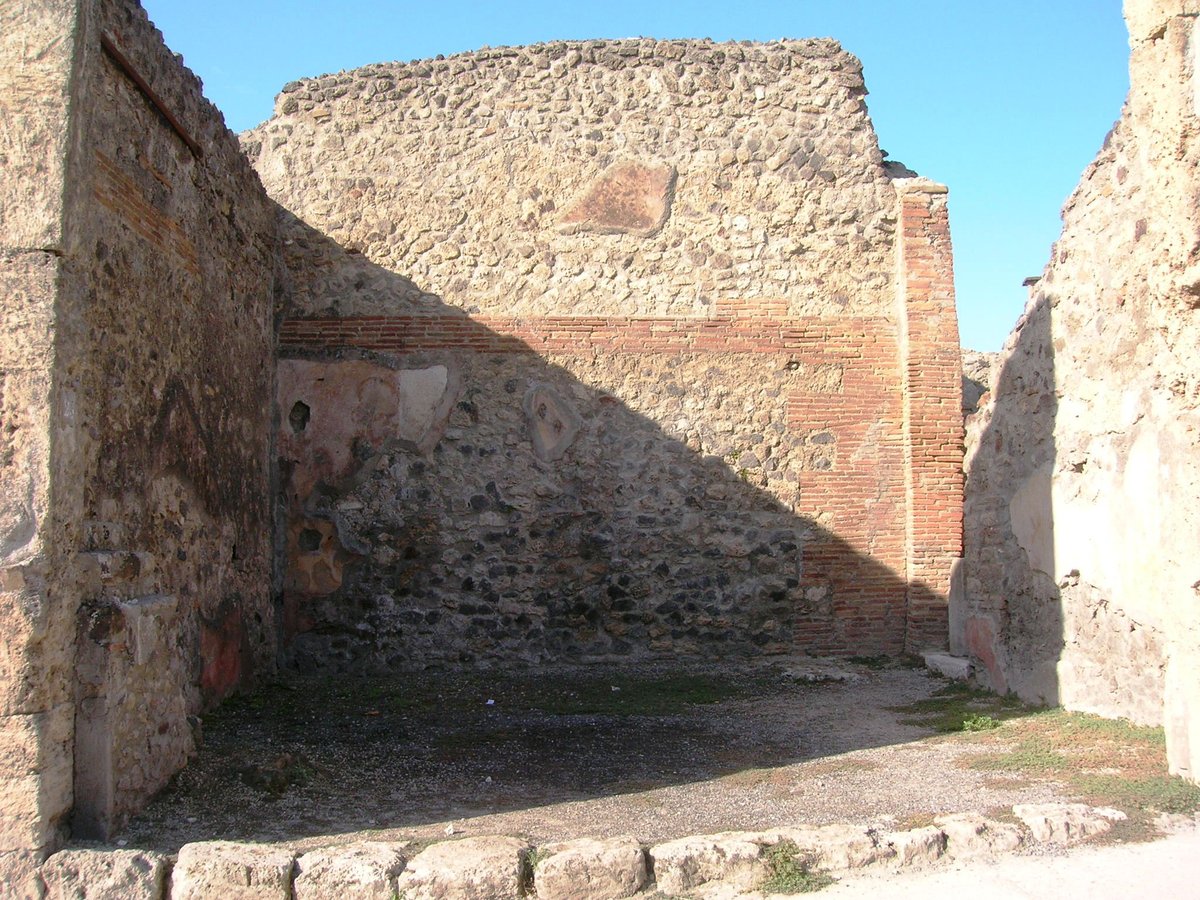
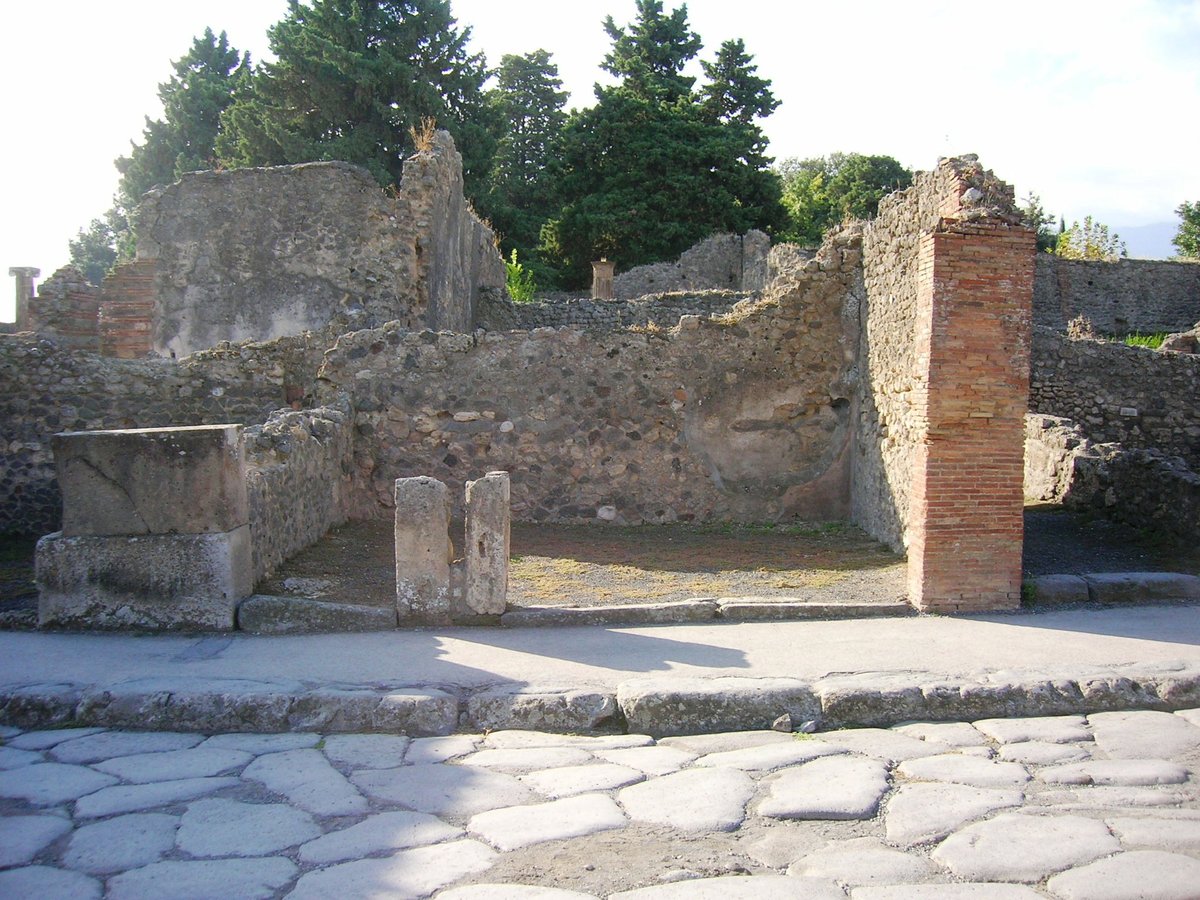
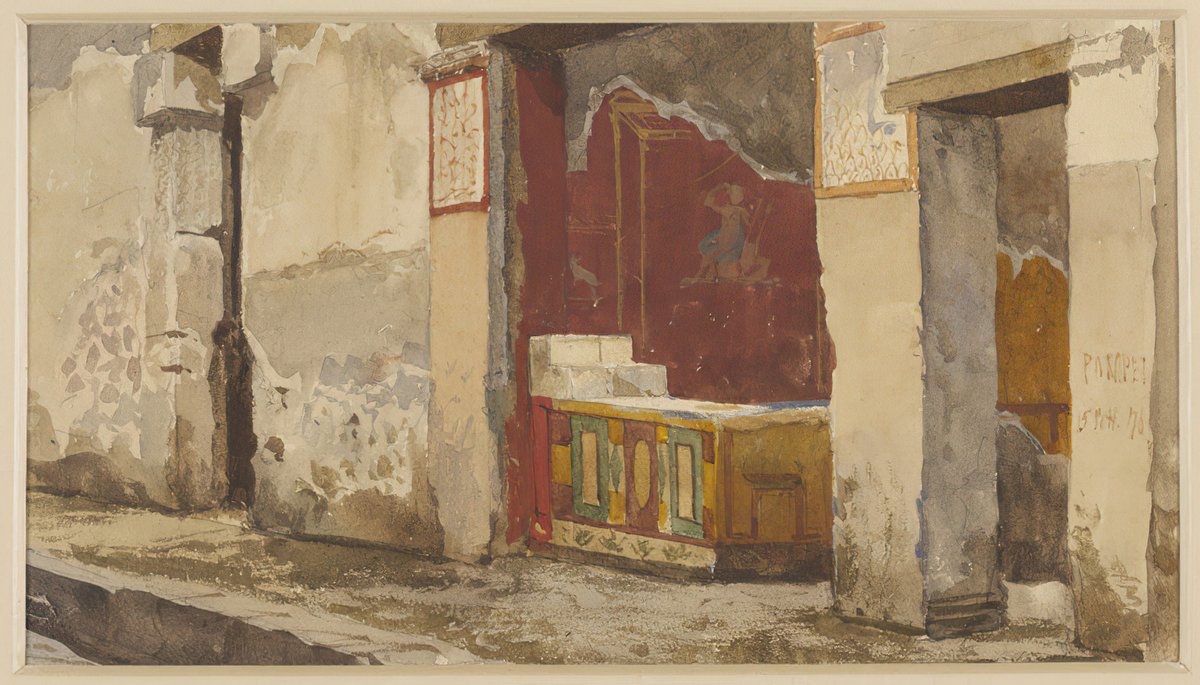
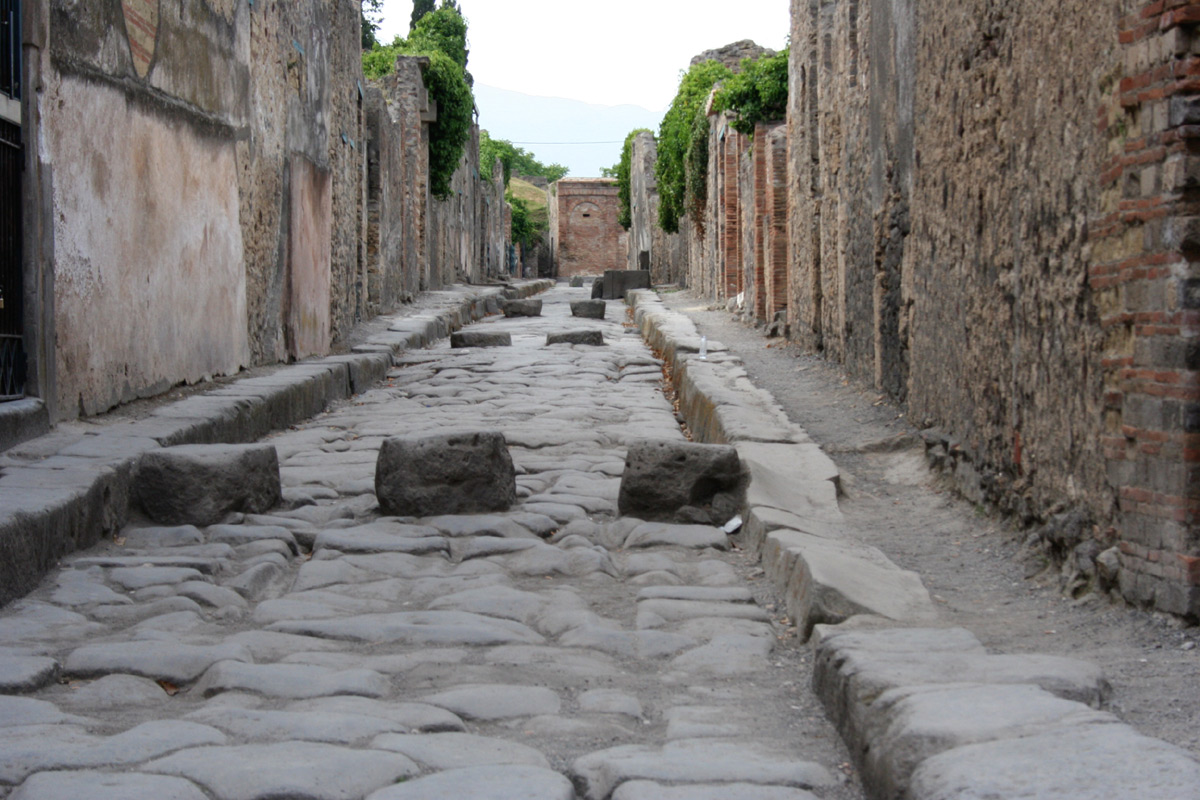
Casa di L. Aelius Magnus is among Pompeii’s most intriguing archaeological treasures, exemplifying the city’s dynamic history and Roman architectural sophistication. Situated within the Pompeii Archaeological Park, this site offers a rare glimpse into the transformation of elite private residences into public amenities like the Sarno Baths. This guide provides a detailed exploration of the house’s origins, architecture, social significance, and practical visitor information—ensuring you have a meaningful and well-informed experience at one of Italy’s most celebrated ancient sites (madainproject.com; Pompeii in Pictures).
Early Origins and Roman Context
Casa di L. Aelius Magnus traces its roots to the 2nd century BCE, during a period of vigorous urban expansion in Pompeii’s transition from Oscan to Roman control. Elite domus like this were distinguished by spacious layouts, elaborate decorations, and strategic proximity to major thoroughfares such as Via dell’Abbondanza and the Forum—affirming the social ambitions of their owners (madainproject.com). The domus embodied the Roman ideal of private luxury and served as a stage for both family life and public interaction.
Architectural Development and Features
Initially constructed as a private residence, Casa di L. Aelius Magnus later became part of the expansive Sarno Baths complex. This adaptation is a striking example of urban evolution in Pompeii, where residential buildings were repurposed for public use, reflecting changing priorities over time (Academia.edu). The Sarno Baths complex is notable for its five-level structure, impressive façade, and ingenious adaptation to the city’s rocky southern edge.
Key architectural features include:
- Atrium and Peristyle: Central hallways and columned gardens typical of Roman elite homes.
- Modified Layout: Integration into the bath complex led to structural alterations, such as reconstructed vaults and relocated decorative elements.
- Epigraphic Evidence: A graffito referencing L. Aelius Magnus and Plotilla provides unique personal context (Pompeii in Pictures).
Social and Cultural Significance
The domus was more than a residence—it was a symbol of status, wealth, and cultural identity. The size, artistic decoration, and location communicated the owner’s prominence. Social rituals such as banquets, business meetings, and private religious observances took place within these walls. The transformation of Casa di L. Aelius Magnus into the Sarno Baths also illustrates the fluid relationship between private property and public benefit in Roman society (monumentsandsights.com).
Impact of the 62 CE Earthquake
The 62 CE earthquake devastated Pompeii, prompting extensive renovation and restoration efforts. Like many elite homes, Casa di L. Aelius Magnus likely underwent repairs and decorative updates, possibly adopting the elaborate Fourth Pompeian Style of wall painting. Some restoration projects were still ongoing when Vesuvius erupted in 79 CE (bbc.co.uk).
The Eruption of 79 CE & Preservation
The catastrophic eruption of Mount Vesuvius in 79 CE buried Pompeii under volcanic ash, preserving buildings, art, and even organic materials. Casa di L. Aelius Magnus survived in remarkable condition, offering insight into Roman domestic life and the city’s final moments (pompeiiarchaeologicalpark.com). The preservation of frescoes, mosaics, and artifacts allows for detailed study of everyday activities and artistic preferences.
Rediscovery and Archaeological Research
Excavated in 1808, Casa di L. Aelius Magnus has been the subject of ongoing archaeological interest. Early discoveries included the house’s integration into the Sarno Baths and personal inscriptions. The site suffered bomb damage in World War II, with significant restoration work following in the 1970s (Pompeii in Pictures). Modern research employs multidisciplinary approaches, including digital documentation and geomatic analysis, to better understand the site (Academia.edu).
Conservation and Modern Interpretation
Restoration and conservation are ongoing priorities, protecting the fragile structures and decorative elements of Casa di L. Aelius Magnus for future generations. The site is included in broader strategies to enhance accessibility and educational value within the Pompeii Archaeological Park (Pompeiisites.org). Digital tools and high-quality images further enrich visitor engagement and scholarship.
Visiting Information
Location and Access
Situated in Regio VIII, Insula 2, No. 21, Casa di L. Aelius Magnus is easily accessible via the main entrances to Pompeii (Porta Marina, Piazza Esedra, and Piazza Anfiteatro). Download or pick up a park map for navigation (Pompeii opening hours and tickets).
Opening Hours
- April–October: 09:00–19:00 (last entry 17:30)
- November–March: 09:00–17:00 (last entry 15:30)
- Closed: December 25, January 1, May 1
Tickets
- General Admission: ~€18
- Reduced (EU citizens 18–25): ~€9
- Free: Under 18, EU citizens over 65
- Tickets include access to Casa di L. Aelius Magnus and can be purchased online or at entry points (Pompeii combined tickets).
Accessibility
Pompeii’s ancient terrain can be challenging; the “Pompeii for All” route improves access, but Casa di L. Aelius Magnus may have limited wheelchair accessibility. Check with the visitor center for support (Pompeiisites.org).
Guided Tours
Official guides and private operators offer tours focusing on the Sarno Baths and Casa di L. Aelius Magnus. Booking ahead is advised (Guide Pompei).
Visitor Tips
- Visit early or late to avoid crowds and summer heat.
- Wear sturdy footwear and bring water.
- Respect preservation rules: no flash, tripods, or touching artwork.
- Facilities include restrooms and water points; bring snacks as there are no cafés inside the park (Krista the Explorer).
Frequently Asked Questions (FAQ)
Q: What are Casa di L. Aelius Magnus opening hours?
A: Same as Pompeii Archaeological Park: 09:00–19:00 (summer), 09:00–17:00 (winter), with last entry 1.5 hours before closing.
Q: Is entry included in the general Pompeii ticket?
A: Yes, access is included; tickets can be purchased online or at the entrance.
Q: Is the house accessible for visitors with disabilities?
A: Accessibility is limited due to ancient terrain; contact the visitor center for advice.
Q: Are guided tours available?
A: Yes, guided tours are available and recommended for a richer experience.
Q: Can I take photographs?
A: Personal photography is allowed; flash and tripods are prohibited.
Listen to the full story in the app
Your Personal Curator, in Your Pocket.
Audio guides for 1,100+ cities across 96 countries. History, stories, and local insight — offline ready.
Audiala App
Available on iOS & Android
Join 50k+ Curators
Sources
- verified
- verified
- verified
- verified
- verified
- verified
- verified
- verified
- verified
- verified
- verified
- verified
- verified
Last reviewed: