
What the Via Traiana Is
The Via Traiana is an ancient Roman road built in the early 2nd century CE by Emperor Trajan. It offered a more efficient route between Beneventum (modern Benevento) and Brundisium (modern Brindisi), supporting military and commercial travel and shaping the development of towns along its path. Monopoli’s position near the route and the Adriatic coast made it a historic crossroads whose urban structure, economy, and traditions were influenced from antiquity through the Middle Ages.
Visitors can encounter ancient paving stones, archaeological parks, Roman milestones, medieval churches, castles, and centuries-old olive groves. The route’s landscapes include rolling olive groves, masserie (traditional farmhouses), and coastal views, making it of interest to history enthusiasts, hikers, cyclists, and cultural explorers.
In 2024, the Via Traiana, together with the Via Appia, was recognized as a UNESCO World Heritage Site under “Via Appia Regina Viarum.” Monopoli’s sites include Castello Carlo V, the archaeological park at Capitolo, and nearby Egnazia Archaeological Park. For planning resources, see the Audiala app, Explore Via Traiana: Monopoli, Monopoli Tourism, and The Thinking Traveller.
History and Local Context
Origins and Route
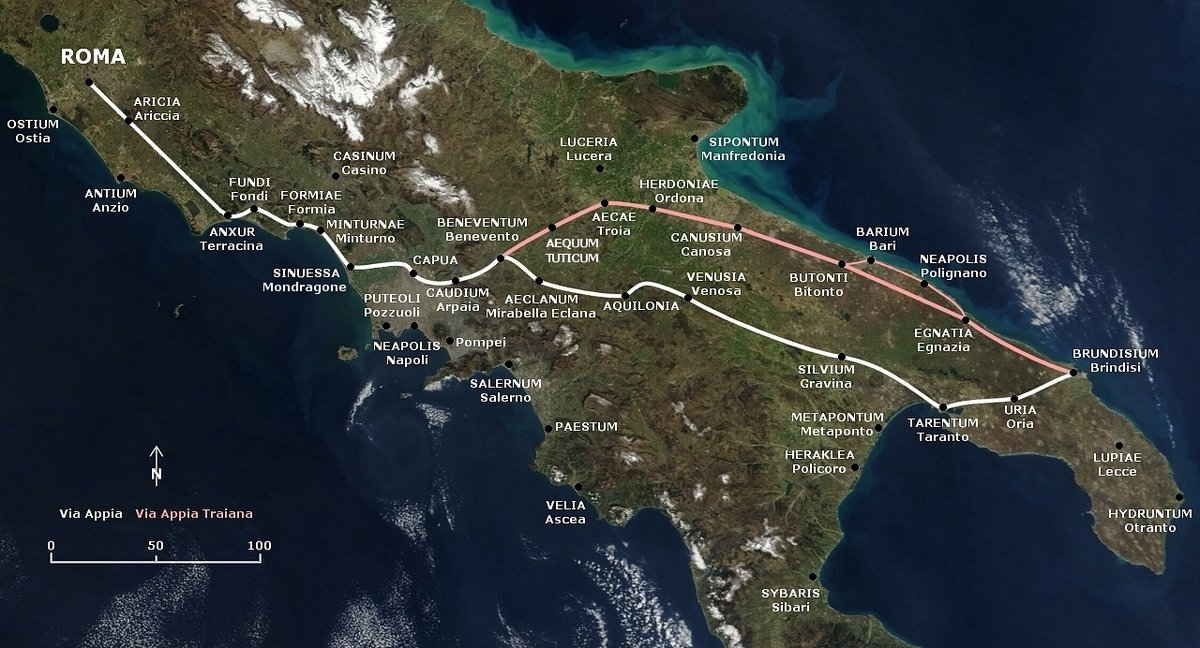
The Via Traiana was commissioned by Emperor Trajan as a more efficient alternative to the Via Appia, reducing travel time between Beneventum and Brundisium by about a day. Its layered stone foundations and durable paving exemplified Roman engineering. The Arch of Trajan in Beneventum commemorates the road and Trajan’s accomplishments.
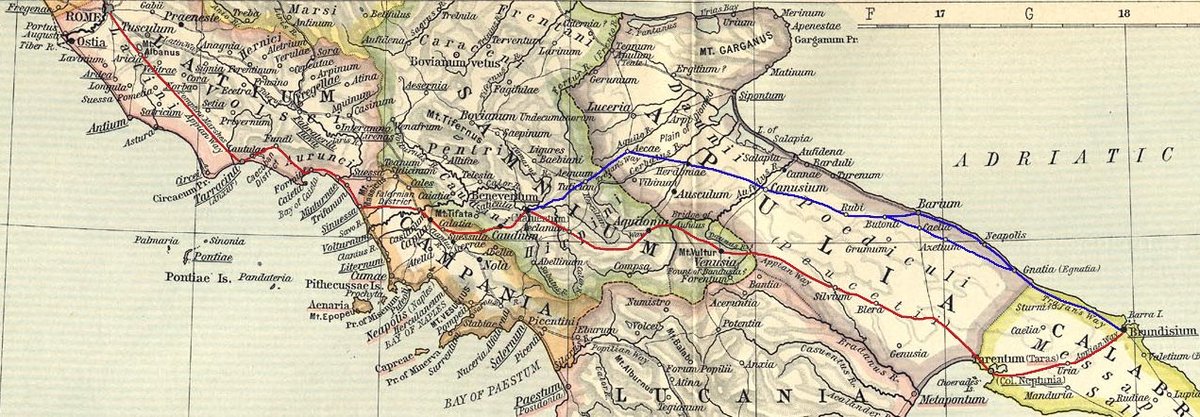
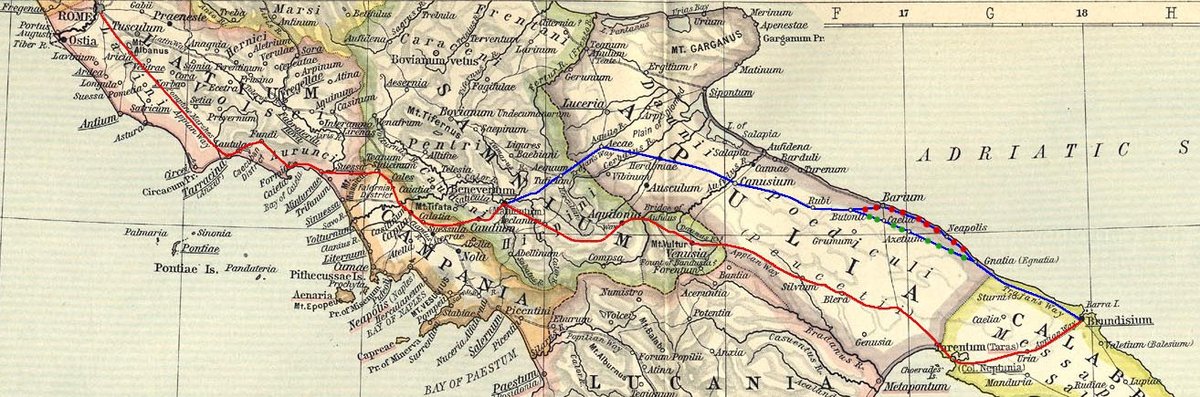
The road branched from the Via Appia at Beneventum, passing through Canusium, Rubi, and Egnatia before reaching Brundisium. Monopoli, near the route, became an important waypoint. Surviving features include bridges, milestones, and rest stations, as well as strategic drainage and straight alignments.
Historical Importance and Monopoli’s Legacy
The road supported Roman administration and military logistics, connecting Rome with its eastern provinces through the port of Brundisium. It remained important in the late Roman and early medieval eras, encouraging economic and cultural growth in towns including Monopoli.
Monopoli’s development, from the Messapian era through the Middle Ages, was shaped by its position near the road. The historic center overlays Roman foundations, and the ancient route’s influence remains part of the town’s layout and identity as an Adriatic crossroads. Monopoli also absorbed influences from Greeks, Byzantines, Normans, and Venetians (Italia.it).
Archaeology, Agriculture, and Preservation
Visible stone alignments of the ancient road remain in rural areas (Italia.it). Bronze Age and Roman settlements have been uncovered near the route. Masserie and hypogean oil mills reflect the area’s agricultural heritage, while ancient olive groves and farmhouses continue to shape the local economy.
Medieval churches, cathedrals, and processions reflect the route’s spiritual importance. Archaeological road segments have been preserved within modern infrastructure, and interpretive signage helps visitors understand them (The Thinking Traveller).
What to See
Monopoli and the Route’s Landscapes
- Monopoli’s historic center Baroque churches, whitewashed streets, and Castello Carlo V (Tourist Secrets).
- Olive groves and farmland Millennia-old olive trees and vineyards (Outdooractive).
- Trulli and masserie Traditional Apulian architecture and opportunities for local produce tastings.
- Coastal views and beaches Adriatic panoramas and beaches including Cala Porta Vecchia and Porto Rosso (Rachel IRL).
- Rural chapels and ancient markers Sites connected with local festivals and religious history.
- Natural features Mediterranean flora, wildflowers, and birdwatching opportunities.
Archaeological and Historical Sites
- Parco Archeologico della Via Traiana - Capitolo The archaeological park at Capitolo.
- Egnazia Archaeological Park A nearby site with museums that add historical context (The Thinking Traveller).
- Grotta delle Mura A prehistoric cave with artifacts (mapcarta.com).
- Torre Cintola Ruins of a coastal watchtower.
- Chiesa Rupestre di San Giorgio A medieval rock church.
- Grotta di Porto Giardino An archaeological coastal cave.
- Capitolo Beach A seaside stop.
Festivals, educational programs, and other local events celebrate the Via Traiana’s continuing role in Monopoli’s identity. Guided tours may focus on archaeology, gastronomy, and local traditions.
Practical Visiting Information
Opening Hours and Tickets
- Via Traiana route An open public route accessible year-round; the route itself is free.
- Monopoli Old Town Open year-round and free to explore.
- Parco Archeologico della Via Traiana - Capitolo Typically open daily 9:00 AM–7:00 PM, with free entry. Some tours require advance booking.
- Church of San Giorgio Accessible during park hours.
- Egnazia Archaeological Site Summer hours are 8:30 AM–7:00 PM; winter hours are shorter. Admission fees vary, so check the Apulian heritage website.
- Arch of Trajan (Benevento) Open daily 9:00 AM–6:00 PM. Tickets are approximately €6, with discounts for EU citizens under 25 and free entry on first Sundays. Tickets are available online and at the site.
- Masserie and chapels Typical opening hours are 9:00 AM–7:00 PM.
Guided Tours, Events, and Accessibility
Local agencies offer guided walking and cycling tours, often covering historical and archaeological highlights. Special summer festivals may include historical reenactments and immersive events. The Festa della Madonna della Madia in September offers another opportunity to experience local traditions. Local listings may also provide information about guided night tours and olive harvest experiences.
Many major sites have ramps and accessible facilities, though ancient or rural terrain may present challenges. Contact visitor centers for site-specific accessibility details. The route is mostly flat and suitable for walkers and cyclists, but some sections may be uneven.
Getting There and Around
Monopoli is accessible by train or car from Bari and is well-connected by train and road. Local buses and taxis connect key sites.
Tips for Visiting
Some waymarking exists, but GPS or detailed maps are advised. Routes range from short walks to full-day hikes. Masserie and villages offer rest stops; carry water in summer. Accommodation options include hotels in Monopoli’s center and agriturismi along the route.
Bring sun protection and water, particularly in summer. Stay alert on shared roads and respect local wildlife.
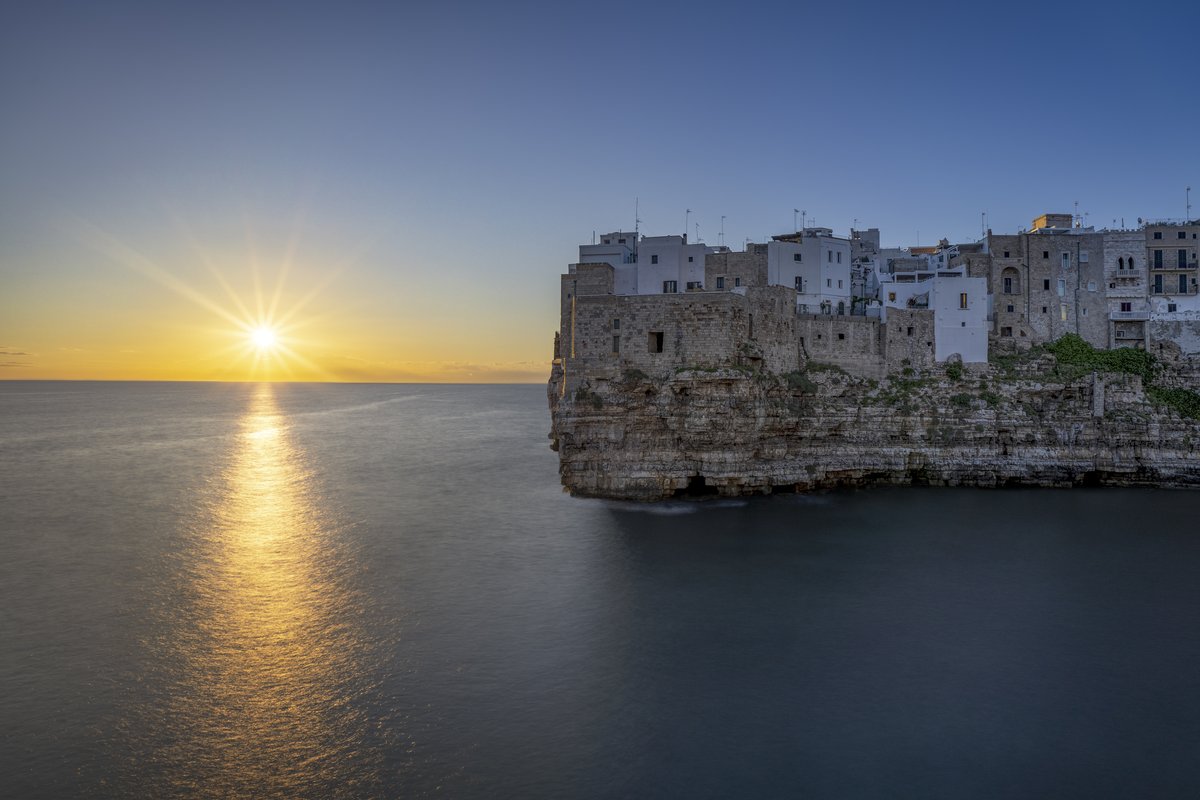
The Arch of Trajan and Monopoli’s coastal stretches are photo spots, especially at sunrise and sunset. Ancient road segments, olive groves, and sea views are also suited to photography during golden hour. Local festivals and masseria tastings can add to the visit.
Nearby Places and Itineraries
A popular 45 km cycling route runs from Monopoli to Ostuni and is suitable for gravel or touring bikes. Download GPX tracks for navigation (LaVia.cc).
The route can be combined with a visit to Egnazia or coastal towns such as Polignano a Mare (Mapcarta).
Frequently Asked Questions (FAQ)
Do I need tickets to visit the Via Traiana sites?
The route itself is free. Some museums or archaeological sites may charge admission; check before visiting.
When is the best time to visit?
Spring (April–June) and autumn (September–October) offer pleasant weather and beautiful landscapes.
Can children and families enjoy the route?
Yes. The mostly flat terrain is suitable for families.
Are guided tours available?
Yes. Local agencies offer various guided options.
Can I cycle the Via Traiana?
Yes. Cycling is popular and recommended for exploring longer stretches.