Plan and listen to War Memorial Of The Liberation War with Audiala.
Audio guide in your pocket, itinerary in your browser. Built for the way you actually visit.
Introduction
Pisa is renowned worldwide for its iconic Leaning Tower and medieval wonders, but its role in World War II is equally significant, though less visible to the casual traveler. The War Memorial of the Liberation War stands as a solemn tribute to the city’s resilience and the sacrifices of its citizens during this tumultuous period. Unlike a single grand monument, the remembrance of Pisa’s liberation is spread across moving outdoor memorials and carefully curated exhibitions, most notably at the Palazzo Blu cultural center. This guide provides detailed insights into the memorial’s historical context, visitor information, and practical tips, helping you experience this vital part of Pisa’s heritage with depth and respect (Palazzo Blu Exhibition, turismo.pisa.it, nomadicmatt.com).
Historical Background and Memorial Significance
Pisa’s Liberation During World War II
Between 1940 and 1945, Pisa suffered extensive destruction from bombings, repression, and occupation. The city was finally liberated by Allied forces on September 2, 1944. The War Memorial of Pisa Liberation War, found both in public spaces and within Palazzo Blu’s exhibitions, preserves the memory of these events through archival photographs, personal accounts, and thematic displays (Palazzo Blu Exhibition).
Educational and Cultural Importance
The memorial serves as a living classroom, emphasizing:
- Collective Memory: Through the “From War to Liberation. Pisa 1940-1945” exhibition, visitors encounter photographs, testimonies, and objects that bring the era’s hardships and hope to life.
- Thematic Depth: Exhibits cover Axis occupation, resistance, the suffering of civilians, and the restoration of the city’s cultural heritage.
- Honoring Sacrifice: Special attention is given to the bombing of August 31, 1943, the local resistance movement, and the “Monuments Men” who helped restore Pisa’s artistic treasures (Palazzo Blu Exhibition).
Key Exhibits and Features
Archival Photographs and Testimonies
Rare images from the U.S. National Archives and personal artifacts document the devastation and ultimate liberation of Pisa, providing an intimate look into the lives of its citizens during the war.
Thematic Sections
- Axis War: Impact of Fascist rule on the city.
- War in the City: The effects of bombings and occupation.
- Resistance and Repression: Stories of the Italian Resistance and civilian reprisals.
- Liberation: The Allied arrival and restoration of freedom.
Cultural Heritage Restoration
The exhibition also highlights the painstaking restoration of the Camposanto Monumentale, severely damaged in 1944, and underscores the critical work of the Allied “Monuments Men” in preserving Pisa’s cultural legacy (The Geographical Cure).
Memorial Design and Location
Outdoor Memorials
The principal outdoor memorial is located in Piazza Martiri della Libertà. The design features clean lines, durable materials like stone and bronze, and inscriptions honoring those who fought for liberty. Surrounding gardens and open plazas offer a tranquil setting for reflection (turismo.pisa.it, getbacklauretta.com).
Palazzo Blu
The Palazzo Blu cultural center (Lungarno Gambacorti 9) houses the most comprehensive historical exhibitions related to the war, making it a must-visit for those seeking in-depth understanding.
Symbolic Elements
Abstract sculptures, eternal flames, olive trees, and inscriptions evoke themes of suffering, resistance, and hope. The memorial serves as a focal point for Liberation Day (April 25), hosting ceremonies and gatherings (mytravelintuscany.com).
Visitor Information: Hours, Tickets, Accessibility
Outdoor Memorial
- Location: Piazza Martiri della Libertà, Pisa
- Hours: Open 24/7, year-round; free access
- Accessibility: Wheelchair accessible with paved paths and benches; no entrance fees (theintrepidguide.com)
Palazzo Blu Exhibitions
- Address: Lungarno Gambacorti 9, Pisa
- Hours: Mon–Fri 10:00 AM–7:00 PM; Sat, Sun, holidays 10:00 AM–8:00 PM; last entry one hour before closing
- Tickets:
- Full: €5.00
- Reduced: €3.00 (eligible groups)
- Family: €9.00
- School groups: €1.00
- Accessibility: Fully accessible for visitors with disabilities; accessible toilets and assistance available; contact in advance for special needs
- Guided Tours: Available by prior booking; recommended for historical context (Palazzo Blu Exhibition)
Getting There
- By Foot: Short walk from major landmarks like the Leaning Tower and Piazza dei Miracoli
- Public Transport: Local buses stop nearby; Pisa Centrale train station is 20 minutes away by foot (nomadicmatt.com)
- By Car: Park outside the restricted ZTL zone; affordable parking available (handluggageonly.co.uk)
Visitor Etiquette and Practical Tips
- Respect the Site: Maintain a quiet, respectful manner. Avoid loud conversations, disruptive behavior, and inappropriate photography (e.g., selfies at the memorial).
- Ceremonies: Stand quietly and observe moments of silence during public events, especially on Liberation Day.
- Kids and Pets: Children are welcome but should be supervised. Pets must be leashed.
- Dress Code: Dress modestly, especially during commemorative events.
- Photos: Photography is allowed but avoid flash during ceremonies and be discreet.
Facilities
- Restrooms: Not available at the outdoor memorial; use facilities at nearby cafes or tourist sites (carry coins for small fees) (savoringitaly.com)
- Water: Public fountains nearby; bring a refillable bottle.
- Food: Numerous local cafes and restaurants are within walking distance.
Safety
- Pisa is generally safe, with well-patrolled public areas. Exercise normal precautions, especially after dark (nomadicmatt.com).
Language
- Italian is the main language; English is widely spoken in tourist areas, but on-site plaques may only be in Italian. Use translation apps or brochures from the local tourism office (savoringitaly.com).
Nearby Attractions and Annual Commemorations
- Camposanto Monumentale (Monumental Cemetery): Heavily damaged in WWII, now restored, and closely linked to the story of Pisa’s liberation.
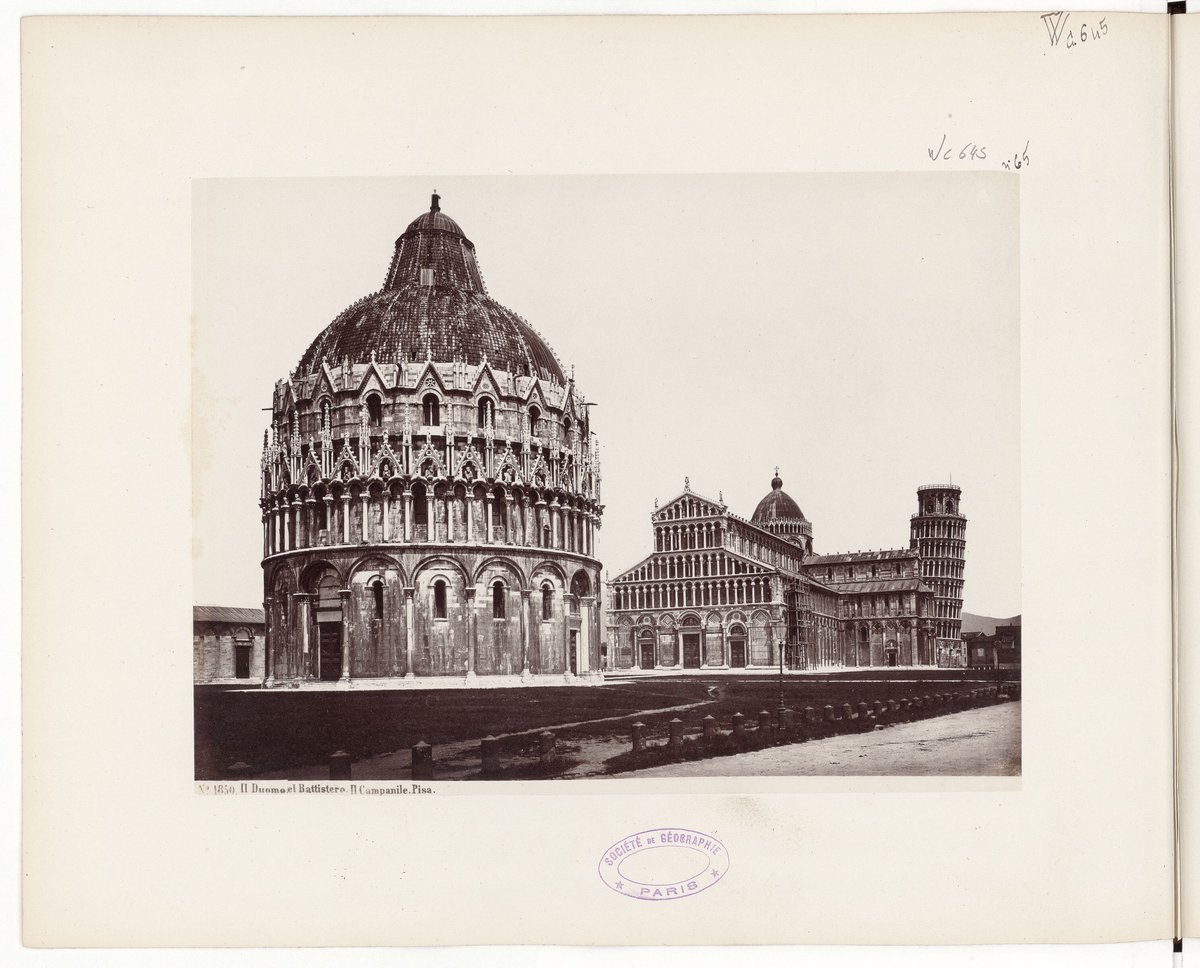
- Piazza dei Miracoli: Home to the Leaning Tower, Cathedral, and Baptistery.
- Palazzo Blu: Hosts regular exhibitions on Pisa’s wartime history (turismo.pisa.it).
- Liberation Day (April 25): Major ceremonies with wreath-laying and public gatherings (mytravelintuscany.com).
Frequently Asked Questions (FAQ)
Q: What are the visiting hours for the War Memorial Of The Liberation War?
A: The outdoor memorial is accessible 24/7, year-round; Palazzo Blu exhibitions have set hours.
Q: Is there an entrance fee?
A: No fee for outdoor memorials; Palazzo Blu exhibitions charge a modest fee.
Q: Is the memorial wheelchair accessible?
A: Yes, both the memorial and Palazzo Blu are accessible.
Q: Are guided tours available?
A: Yes, guided tours can be booked for Palazzo Blu and are included in many city tours.
Q: Are there facilities on site?
A: No, but nearby cafes and public areas provide restrooms and amenities.
Q: When is the best time to visit?
A: Spring and early autumn offer pleasant weather. Liberation Day (April 25) features special events.
Q: Can I take photographs?
A: Yes, but be discreet and avoid flash during ceremonies.
Summary and Recommendations
The War Memorial of Pisa Liberation War is more than a monument; it is a living reminder of the city’s endurance and the sacrifices made for freedom. By blending outdoor commemorative spaces with the in-depth exhibitions at Palazzo Blu, Pisa offers visitors a rare chance to engage with its wartime history. The memorial is accessible, educational, and deeply moving, especially when visited alongside other historic sites like the Camposanto Monumentale and Piazza dei Miracoli (Palazzo Blu Exhibition, theintrepidguide.com).
For a meaningful visit:
- Plan your trip for spring or autumn.
- Join a guided tour for context.
- Attend on Liberation Day for commemorative events.
- Respect the solemnity of the site at all times.
For more travel tips, audio tours, and updates on exhibitions, download the Audiala app and follow us on social media. Your visit helps keep the memory of Pisa’s liberation alive for future generations.
Listen to the full story in the app
The whole War Memorial Of The Liberation War,
told well.
Audio guides for 1,100+ cities across 96 countries. History, stories, and local insight — offline ready.

Verified, and shown.
Researched and written by the Audiala editorial team from historical records, architectural archives, and local expertise.
Researched from Wikidata, Wikipedia & official sources · fact-checked · How we make our guides →