Plan and listen to Porta Pacis with Audiala.
Audio guide in your pocket, itinerary in your browser. Built for the way you actually visit.
Introduction
Porta Pacis, or the "Gate of Peace," is a distinguished medieval gateway embedded within Pisa’s ancient city walls. As a symbol of the city’s storied maritime heritage and architectural prowess, Porta Pacis not only once protected Pisa’s inhabitants but now welcomes visitors into a living tapestry of history, culture, and local life. Whether you are a history aficionado, a cultural explorer, or a traveler seeking unique Tuscan experiences, this guide offers everything you need to know about visiting Porta Pacis—including history, significance, practical visitor information, and tips for engaging with authentic Pisa.
(Comune di Pisa; Muradipisa.it; Turismo Pisa)
Historical Background and Significance
Construction and Evolution
Porta Pacis was constructed during the 12th and 13th centuries, a period when Pisa was a powerful maritime republic. The city walls, among Italy’s oldest and best-preserved, were built to defend against rival Tuscan cities and foreign threats. Porta Pacis, positioned on the northern section of the walls near today’s Piazza dei Miracoli, was both a strategic defensive point and a symbolic entry for diplomats and peaceful visitors. Over the centuries, while some gates were demolished or altered, Porta Pacis retained much of its original form, underscoring its enduring role in Pisa’s defensive and civic identity.
(Muradipisa.it; Comune di Pisa; Ditis Italie)
Architectural Features
Porta Pacis exemplifies Romanesque military architecture, characterized by thick stone walls, a rounded or slightly pointed archway, and defensive battlements. Local stones, such as San Giuliano marble and Asciano stone, were used in its construction, showcasing both durability and regional craftsmanship. Adjacent structures, including the Torre Piezometrica (a later addition as a water tower), highlight the adaptive reuse of Pisa’s medieval infrastructure.
The city walls around Porta Pacis reach up to 11 meters in height, providing panoramic vantage points over Pisa’s rooftops and surrounding landscapes. Careful restoration in the 21st century preserved original masonry and added visitor-friendly features such as elevated walkways and safety railings.
(Muradipisa.it; Florencetips.com)
Cultural Role in Pisa
Historically, Porta Pacis regulated the flow of people and goods, welcoming merchants, pilgrims, and dignitaries into Pisa. Its role as a "Gate of Peace" was both practical and ceremonial, marking moments of truce or celebration. The gate also witnessed pivotal events, from medieval processions to World War II liberation commemorations. Today, it stands as a living monument, linking Pisa’s glorious past to its dynamic present.
(Oxford Bibliographies; Turismo Pisa)
Visiting Porta Pacis: Practical Information
Hours and Tickets
- Standard Opening Hours: Daily, typically from 9:00 AM to 7:00 PM (last admission 30 minutes before closing). Hours may extend to 8:00 PM in summer or during special events.
- Night Experiences: Special guided tours, such as the “Walls of Pisa Night Experience,” usually begin at 9:00 PM on select dates.
- Tickets:
- Standard admission: €10 (as of June 2025)
- Discounts: Available for children, students, and seniors
- Free entry: For accompanying persons with disabilities
- Tickets can be bought online via the CoopCulture portal, at the ticket office near Porta Pacis, or other designated locations in Pisa
- Advance Booking: Recommended, especially during festivals or peak seasons
Accessibility
- The main entrance and walkways are designed for accessibility, including elevators at Torre Piezometrica.
- Some sections may require assistance due to uneven surfaces or stairs.
- Inform staff in advance if special accommodations are needed.
- Rest areas, public restrooms, and water fountains are provided along the route.
Travel Tips
- Best Times to Visit: Early morning or late afternoon for cooler temperatures and fewer crowds; night tours offer a magical perspective.
- What to Bring: Comfortable shoes, water, sun protection in summer; camera for panoramic photos.
- Luggage: Use lockers at Pisa Centrale station if needed.
- Pets: Only service animals allowed.
- Rules: No smoking, eating, or drinking (other than water) on the walls; children must be supervised.
(Nomadicmatt.com; Discovertuscany.com)
Experiencing Porta Pacis & Pisa’s Local Culture
Night Tours and Events
The “Walls of Pisa Night Experience” begins at Porta Pacis and brings history alive through immersive audio-visual storytelling. These guided walks illuminate Pisa’s past, covering about 2 kilometers along the city walls and concluding at Piazza dei Miracoli. The experience is especially popular during the Giugno Pisano festival and features projections, music, and narration about Pisa from Roman times to WWII.
Nearby Attractions
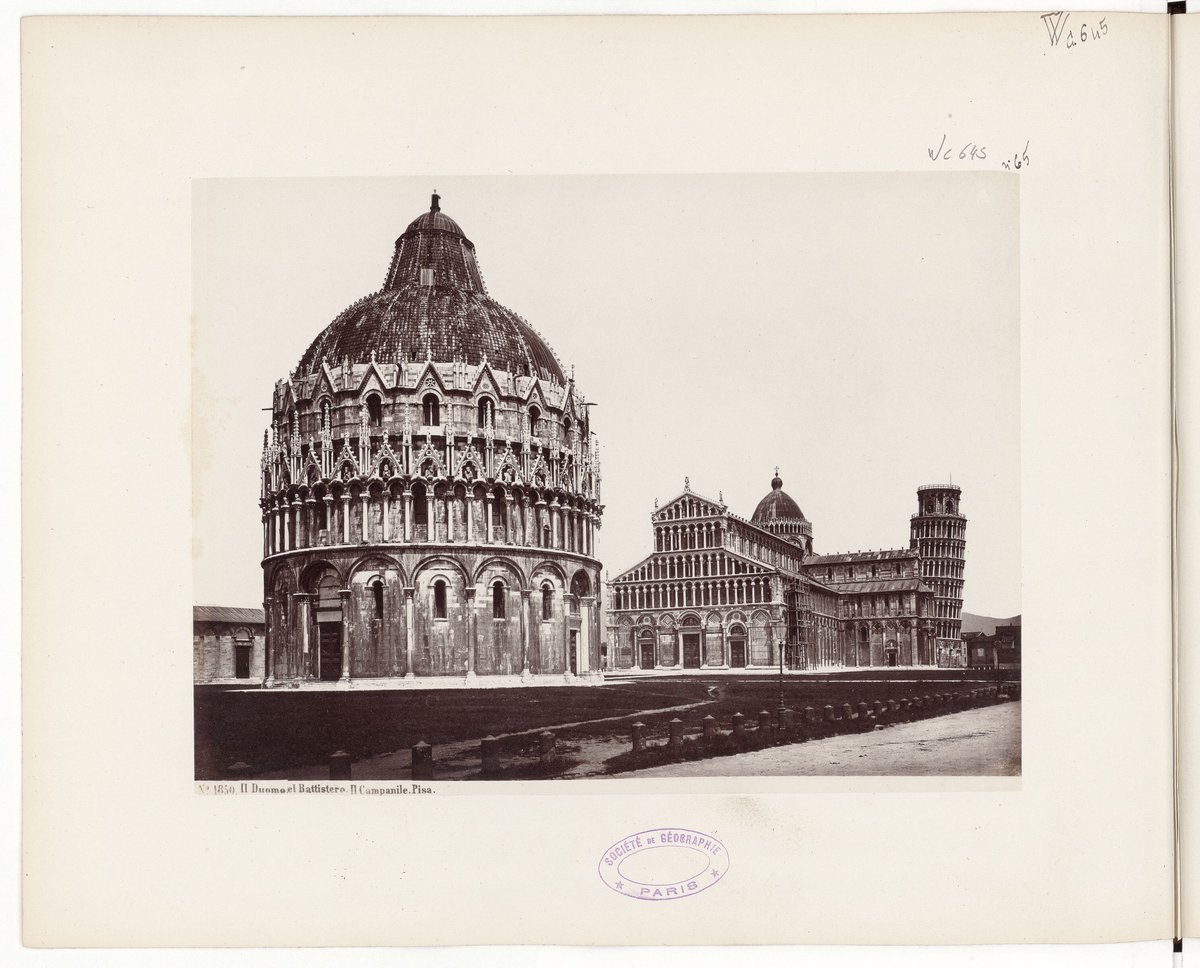
- Piazza dei Miracoli: Home to the Leaning Tower, Cathedral, Baptistery, and Camposanto.
- Historic Center: Quaint piazzas, artisan shops, and traditional trattorias.
- Borgo Stretto: Elegant shopping street with historic cafés.
- Markets: Piazza delle Vettovaglie (Mon–Sat) for local produce and street food.
- Lungarni: Riverside promenades ideal for evening strolls.
(To-tuscany.com; Thecrazytourist.com)
Authentic Local Life
- Festivals: Giugno Pisano features processions, light displays, and communal gatherings.
- Culinary Experiences: Sample Tuscan specialties in bakeries and osterias near Porta Pacis—try cecina, torta co’ bischeri, or artisanal gelato.
- University District: Engage with Pisa’s vibrant student community through exhibitions and lectures.
- Side Streets: Explore for hidden art, local crafts, and impromptu performances.
(Visititaly.eu; Wideworldtrips.com; Trueitaliani.com)
Frequently Asked Questions (FAQ)
Q: What are the Porta Pacis visiting hours?
A: Generally from 9:00 AM to 7:00 PM daily, with seasonal variations and extended hours for night tours.
Q: How much are tickets?
A: Standard adult tickets are €10, with discounts for children, students, and seniors. Free for accompanying persons with disabilities.
Q: How do I book tickets?
A: Book online through the official CoopCulture portal or at the ticket office.
Q: Is Porta Pacis accessible for people with disabilities?
A: Yes, main areas are accessible, but some historic surfaces may require assistance.
Q: Are guided tours available?
A: Yes, including the Night Experience and daytime guided tours in multiple languages.
Q: Can I bring pets?
A: Only service animals are permitted.
Listen to the full story in the app
The whole Porta Pacis,
told well.
Audio guides for 1,100+ cities across 96 countries. History, stories, and local insight — offline ready.

Verified, and shown.
Researched and written by the Audiala editorial team from historical records, architectural archives, and local expertise.
Researched from Wikidata, Wikipedia & official sources · fact-checked · How we make our guides →